 Skip to content
Rwanda Safari Holidays – What to Pack & Wear Planning what to pack for Rwanda…
Rwanda Safari for Responsible & Sustainable Travel
Rwanda Safari for Responsible & Sustainable Travel
A Rwanda Safari for Responsible & Sustainable Travel is much more than a holiday. It is an opportunity to explore one of Africa’s most spectacular wildlife destinations while helping protect endangered species, preserving natural habitats, and supporting local communities. Every safari booked responsibly contributes to Rwanda’s remarkable conservation story, making your journey both unforgettable and meaningful.
Over the past three decades, Rwanda has transformed itself into one of the world’s leading examples of conservation-driven tourism. The country’s mountain gorillas have become a global symbol of successful wildlife protection, while its national parks continue to thrive through carefully managed tourism. Visitors can now experience incredible wildlife encounters, luxury eco-lodges, vibrant cultural traditions, and breathtaking scenery, all while knowing that their visit directly benefits conservation efforts.
Unlike many destinations where tourism can strain natural resources, Rwanda has embraced a model that balances visitor experiences with environmental responsibility. Strict park regulations, limited visitor numbers, investment in ranger programs, and community partnerships ensure that tourism remains sustainable for generations to come.
Whether you plan to trek endangered mountain gorillas in Volcanoes National Park, enjoy a Big Five safari in Akagera National Park, hike through the ancient rainforest of Nyungwe National Park, or relax on the peaceful shores of Lake Kivu, choosing responsible travel helps preserve these extraordinary places.
At Universal Ventures Rwanda, we design tailor-made safaris that combine luxury, adventure, conservation, and authentic cultural experiences. Every itinerary is carefully planned to minimize environmental impact while maximizing positive contributions to local communities and wildlife protection.
Why Choose a Rwanda Safari for Responsible & Sustainable Travel?
Travel has the power to transform both visitors and destinations. However, the way we travel matters. Responsible tourism focuses on protecting the environment, respecting local cultures, and creating economic opportunities for host communities.
Choosing a Rwanda Safari for Responsible & Sustainable Travel means your holiday supports conservation instead of harming it. Every decision, from selecting eco-friendly accommodations to hiring local guides, contributes to preserving Rwanda’s natural treasures.
Responsible travel in Rwanda helps to:
- Protect endangered mountain gorillas
- Support anti-poaching initiatives
- Preserve rainforests and wetlands
- Create employment for local communities
- Fund conservation research
- Improve education and healthcare
- Promote cultural heritage
- Encourage sustainable economic growth
Consequently, your safari becomes more than a personal adventure. It becomes an investment in Rwanda’s future.
What Makes Rwanda a Global Leader in Sustainable Tourism?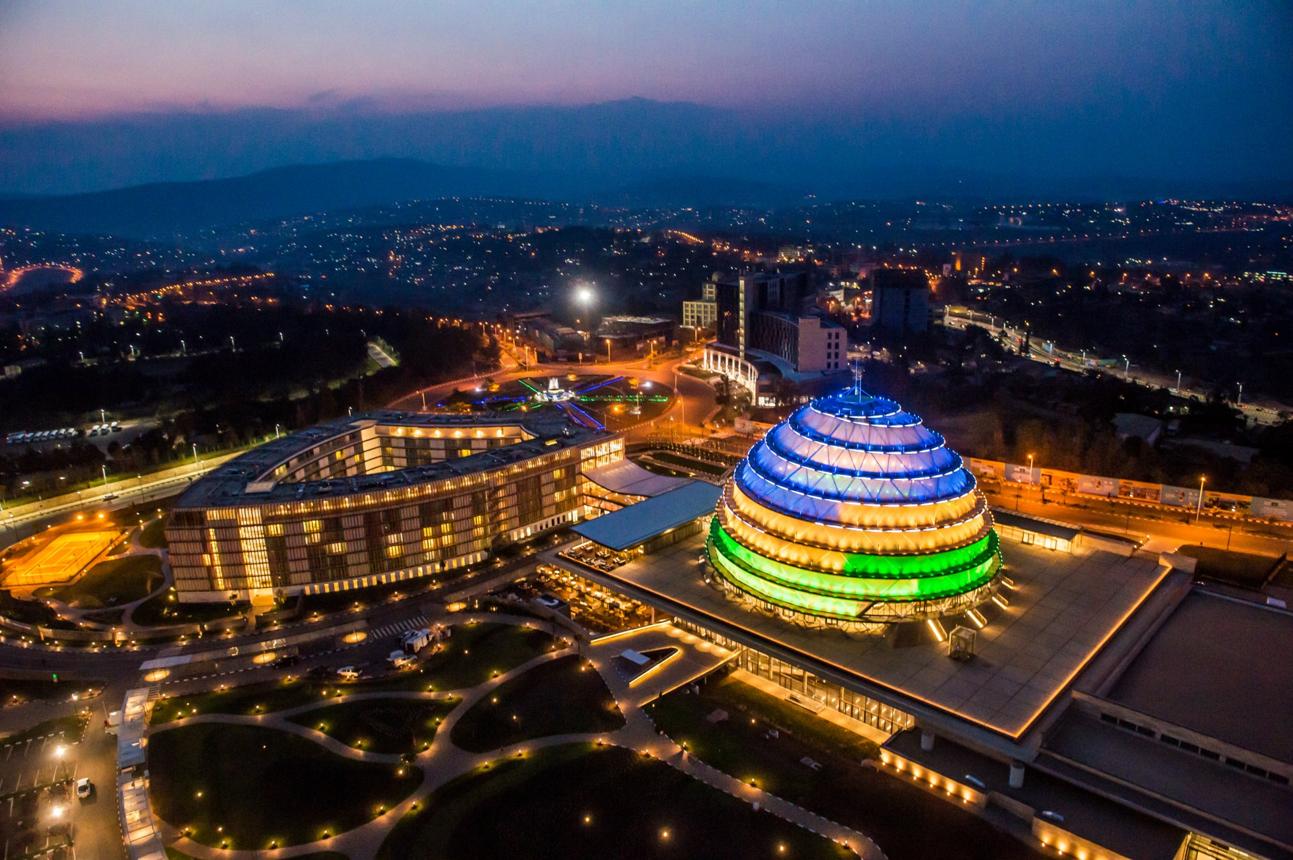
Few countries have embraced sustainable tourism as successfully as Rwanda. The government’s long-term commitment to conservation has earned international recognition and created one of Africa’s safest and cleanest travel destinations.
Several factors make Rwanda stand out.
Strong Conservation Policies
Wildlife conservation remains a national priority. Tourism revenue is reinvested into protecting national parks, supporting research, and expanding conservation programs.
Strict regulations ensure that visitor numbers remain sustainable while wildlife experiences remain exceptional.
Community-Based Tourism
Many communities living near national parks receive direct benefits from tourism revenue. As a result, local people have become active partners in conservation rather than competitors for natural resources.
Income generated through tourism supports:
- Schools
- Medical facilities
- Clean water projects
- Women’s cooperatives
- Youth employment
- Road improvements
- Environmental education
Because local communities benefit directly, wildlife conservation has become a shared national goal.
Environmental Protection
Rwanda has become internationally recognized for environmental leadership.
Visitors immediately notice:
- Exceptionally clean cities
- Plastic reduction initiatives
- Well-managed national parks
- Protected forests
- Sustainable development projects
- Responsible waste management
These efforts create a cleaner and healthier environment for both residents and visitors.
Understanding Responsible Tourism in Rwanda
Responsible tourism goes beyond protecting wildlife. It also focuses on respecting people, cultures, and local economies.
A responsible traveler seeks to:
- Minimize environmental impact
- Respect local customs
- Support locally owned businesses
- Purchase authentic handmade products
- Reduce waste
- Conserve water
- Respect wildlife
- Learn about local culture
Fortunately, Rwanda makes responsible travel easy because sustainability has become part of everyday life.
Rwanda’s Remarkable Conservation Journey
Only a few decades ago, Rwanda faced enormous conservation challenges. Habitat loss, poaching, and political instability threatened many wildlife populations.
Today, Rwanda has become one of Africa’s greatest conservation success stories.
Government agencies, conservation organizations, local communities, researchers, and tourism operators now work together to protect biodiversity.
Thanks to these collaborative efforts:
- Mountain gorilla numbers continue to increase.
- Akagera National Park has successfully restored populations of lions and rhinos.
- Nyungwe Forest remains one of Africa’s best-protected rainforests.
- Community conservation programs continue expanding.
- Tourism revenue directly supports conservation.
These achievements demonstrate how responsible tourism can transform an entire country.
The Economic Importance of Sustainable Tourism
Tourism is one of Rwanda’s fastest-growing economic sectors.
However, its true value extends beyond visitor spending.
Responsible tourism creates employment across many industries, including:
- Safari guiding
- Hotel management
- Transportation
- Conservation
- Agriculture
- Handicrafts
- Food production
- Cultural performances
Thousands of families depend directly or indirectly on sustainable tourism for their livelihoods.
Furthermore, tourism encourages investment in infrastructure, healthcare, education, and environmental protection.
How Your Safari Supports Mountain Gorilla Conservation
One of the strongest reasons to choose a Rwanda Safari for Responsible & Sustainable Travel is its direct contribution to mountain gorilla conservation.
Mountain gorillas remain one of the world’s most endangered great apes. Although their population has steadily increased, they still require intensive protection.
Every gorilla trekking permit contributes funding toward:
- Park ranger salaries
- Veterinary care
- Gorilla monitoring
- Habitat protection
- Anti-poaching patrols
- Scientific research
- Community development
- Conservation education
As a result, every trek plays a role in protecting these remarkable primates.
Why Gorilla Trekking Is Carefully Managed
Unlike many wildlife experiences around the world, gorilla trekking follows strict conservation guidelines.
Only a limited number of visitors may see each gorilla family every day.
This system protects gorillas by reducing stress and limiting human interaction.
Additional rules include:
- One hour with the gorillas
- Small trekking groups
- Minimum age requirements
- Health screening
- Experienced ranger guides
- Safe viewing distances
- No feeding wildlife
- No flash photography
These measures ensure that tourism remains sustainable while visitors enjoy unforgettable wildlife encounters.
Responsible Wildlife Viewing Across Rwanda
Although mountain gorillas attract most visitors, Rwanda offers many opportunities for ethical wildlife experiences.
Responsible wildlife tourism focuses on observing animals without disturbing their natural behavior.
Visitors should always:
- Keep a respectful distance.
- Remain quiet.
- Follow ranger instructions.
- Never feed animals.
- Stay inside safari vehicles when required.
- Respect designated trails.
- Avoid littering.
- Leave nature exactly as they found it.
Simple actions like these protect wildlife while enhancing the visitor experience.
Rwanda’s Four Outstanding Safari Destinations
One of Rwanda’s greatest strengths is its incredible diversity.
Despite being one of Africa’s smallest countries, Rwanda offers four completely different ecosystems.
Volcanoes National Park
Located in northwestern Rwanda, Volcanoes National Park protects the country’s famous mountain gorillas.
Visitors can also enjoy: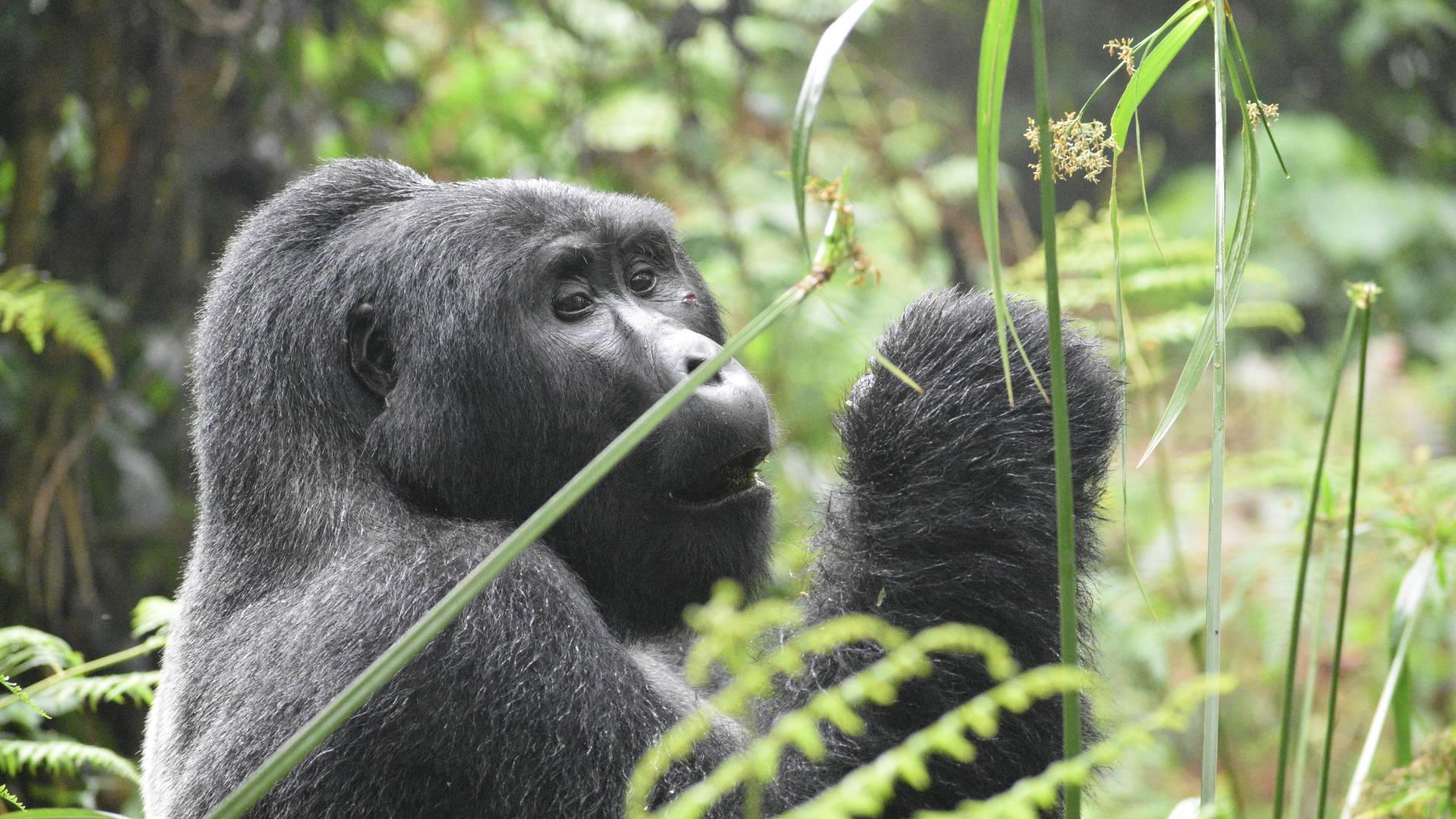
- Golden monkey trekking
- Volcano hiking
- Nature walks
- Bird watching
- Cultural experiences
- Conservation tourism
The park represents one of the finest examples of sustainable wildlife tourism anywhere in Africa.
Akagera National Park
Akagera offers Rwanda’s classic safari experience.
Rolling savannahs, lakes, wetlands, and woodlands provide habitat for:
- Lions
- Leopards
- Elephants
- Buffaloes
- Rhinos
- Giraffes
- Zebras
- Hippos
- Crocodiles
- Hundreds of bird species
Successful wildlife restoration has made Akagera one of Africa’s greatest conservation achievements.
Nyungwe National Park
Nyungwe Forest is among Africa’s oldest tropical rainforests.
The park protects:
- Chimpanzees
- Colobus monkeys
- L’Hoest’s monkeys
- Over 300 bird species
- Rare orchids
- Ancient forest ecosystems
Its canopy walkway provides one of Africa’s most spectacular rainforest experiences.
Lake Kivu
Lake Kivu offers a peaceful contrast to Rwanda’s wildlife parks.
Responsible tourism activities include:
- Kayaking
- Boat cruises
- Coffee farm visits
- Island excursions
- Cycling
- Cultural experiences
- Lakeside relaxation
Because tourism here is largely community-based, visitors directly support local livelihoods.
The Role of Local Communities in Conservation
Conservation succeeds when local communities benefit from protecting wildlife.
Rwanda has embraced this principle through community-based tourism.
Many families now earn income by working as:
- Safari guides
- Drivers
- Hotel staff
- Porters
- Dancers
- Farmers
- Craftspeople
- Conservation educators
Consequently, wildlife has become one of the country’s most valuable natural assets.
Instead of viewing protected areas as restrictions, communities increasingly see them as opportunities for long-term prosperity.
Choosing Ethical Safari Operators
Your choice of safari company significantly influences the sustainability of your trip.
A responsible tour operator should:
- Employ local staff
- Support conservation initiatives
- Follow park regulations
- Promote responsible wildlife viewing
- Partner with eco-friendly lodges
- Respect local cultures
- Minimize environmental impact
- Provide fair wages
At Universal Ventures Rwanda, these values shape every safari we organize. From carefully selected accommodations to experienced local guides, our goal is to deliver exceptional travel experiences while preserving Rwanda’s extraordinary wildlife and supporting the communities that protect it.
Why Responsible Travel Creates Better Safari Experiences
Many travelers assume sustainability means sacrificing comfort. In Rwanda, the opposite is often true.
Eco-conscious lodges blend luxury with environmental responsibility. Skilled local guides share deep knowledge of wildlife and culture. Smaller visitor numbers create more intimate experiences, while carefully managed parks offer exceptional wildlife viewing without overcrowding.
Most importantly, responsible travel fosters a stronger connection with the destination. You leave not only with incredible photographs but also with the knowledge that your visit has helped safeguard Rwanda’s landscapes, wildlife, and communities for the future.
Rwanda’s National Parks, Ethical Wildlife Experiences, and Conservation Success
A Rwanda Safari for Responsible & Sustainable Travel is defined by the country’s extraordinary national parks. Each protected area offers a unique ecosystem, remarkable wildlife, and inspiring conservation initiatives. More importantly, every park demonstrates how tourism, conservation, and community development can work together for the benefit of nature and local people.
Whether you dream of standing face-to-face with endangered mountain gorillas, watching elephants cross the savannah at sunrise, listening to chimpanzees call through ancient forests, or sailing across one of Africa’s most beautiful lakes, Rwanda offers unforgettable experiences that leave a lasting positive impact.
Volcanoes National Park: The Heart of Rwanda Safari for Responsible & Sustainable Travel
Volcanoes National Park is Rwanda’s most famous conservation destination and one of Africa’s greatest wildlife success stories. Located in the Virunga Mountains, the park protects approximately 160 square kilometers of montane rainforest, bamboo forests, and volcanic landscapes.
This remarkable park is home to:
- Endangered mountain gorillas
- Golden monkeys
- Forest elephants
- Buffaloes
- Bushbuck
- Over 200 bird species
- Rare alpine plants
- Ancient volcanic ecosystems
However, the mountain gorillas remain the park’s greatest attraction.
Thousands of travelers visit each year to experience one of the world’s most emotional wildlife encounters while directly supporting conservation.
Why Gorilla Trekking Is the World’s Most Responsible Wildlife Experience
Few wildlife activities are as carefully managed as gorilla trekking.
Unlike traditional safaris where visitors can drive close to animals throughout the day, gorilla trekking follows strict conservation guidelines designed to protect both wildlife and visitors.
Each gorilla family may receive only one small group of visitors per day.
Groups are limited to a maximum of eight people.
Visitors spend no more than one hour observing the gorillas.
This careful management significantly reduces stress on the animals while allowing researchers to monitor their health.
Consequently, Rwanda has become a global model for sustainable wildlife tourism.
How Gorilla Permit Fees Protect Wildlife
Many travelers ask why Rwanda’s gorilla permits are expensive.
The answer lies in conservation.
Permit revenue supports numerous conservation activities, including:
- Gorilla monitoring
- Veterinary interventions
- Anti-poaching patrols
- Ranger salaries
- Habitat restoration
- Scientific research
- Community revenue-sharing
- Park management
Instead of simply paying for an activity, visitors contribute directly to one of Africa’s greatest conservation achievements.
Rwanda Safari for Responsible & Sustainable Travel and Gorilla Habituation
Mountain gorillas share approximately 98% of human DNA. Therefore, they are highly susceptible to human diseases.
To reduce risks, Rwanda enforces strict trekking regulations.
Visitors must:
- Stay home if feeling unwell.
- Maintain a safe viewing distance.
- Avoid touching vegetation unnecessarily.
- Cover coughs and sneezes.
- Follow ranger instructions.
- Never feed wildlife.
- Avoid sudden movements.
- Respect the one-hour viewing limit.
Although these rules may seem strict, they are essential for long-term conservation.
The Gorilla Trekking Experience
The adventure begins early in the morning at the park headquarters in Kinigi.
Visitors attend a briefing before being assigned to specific gorilla families based on fitness levels and group size.
Experienced ranger guides explain:
- Safety procedures
- Gorilla behavior
- Trekking expectations
- Conservation guidelines
- Emergency protocols
The trek itself may last anywhere from one to six hours, depending on the gorillas’ location.
Along the way, guides share fascinating information about the forest’s biodiversity.
Eventually, the forest opens to reveal a gorilla family peacefully feeding, grooming, or playing.
The experience is unforgettable.
Watching a silverback calmly observe his family while young gorillas tumble through the vegetation reminds visitors of the deep connection humans share with nature.
Golden Monkey Trekking: A Hidden Gem
While gorillas receive most of the attention, golden monkey trekking offers another exceptional wildlife experience.
These colorful primates are playful, energetic, and highly photogenic.
Golden monkeys inhabit bamboo forests within Volcanoes National Park and are endemic to the Virunga Mountains.
Unlike gorilla trekking, golden monkey tracking usually involves shorter hikes, making it an excellent option for families and travelers seeking a less demanding adventure.
Furthermore, tourism helps protect their fragile habitat from human encroachment.
Ethical Wildlife Photography During Gorilla Trekking
Photography allows visitors to preserve unforgettable memories.
However, responsible wildlife photography is equally important.
Follow these guidelines:
- Disable flash before entering the forest.
- Avoid blocking animal movement.
- Stay behind your guide.
- Keep voices low.
- Never encourage animals to pose.
- Respect viewing distances.
- Avoid excessive movement.
- Observe before taking photographs.
Ethical photography protects wildlife while producing authentic images.
Akagera National Park: Rwanda’s Big Five Conservation Miracle
No Rwanda Safari for Responsible & Sustainable Travel is complete without visiting Akagera National Park.
Located in eastern Rwanda, Akagera covers more than 1,100 square kilometers of savannah, wetlands, lakes, rolling hills, and woodland.
Today, the park is home to:
- Lions
- Leopards
- Rhinos
- Elephants
- Buffaloes
- Giraffes
- Zebras
- Hippos
- Crocodiles
- More than 500 bird species
However, Akagera’s current success did not happen overnight.
Akagera’s Remarkable Recovery
Following years of conflict, wildlife populations declined dramatically.
Large mammals disappeared from many parts of the park.
Fortunately, conservation partnerships transformed Akagera into one of Africa’s greatest wildlife recovery stories.
Major achievements include:
- Lion reintroduction
- Black rhino reintroduction
- White rhino reintroduction
- Improved law enforcement
- Community engagement
- Habitat restoration
- Reduced poaching
- Sustainable tourism investment
Today, Akagera once again offers exceptional Big Five safaris.
Responsible Game Drives in Akagera
Ethical wildlife viewing requires patience.
Experienced guides know how to observe animals without causing disturbance.
Visitors should always:
- Remain inside vehicles.
- Keep noise to a minimum.
- Avoid feeding wildlife.
- Respect speed limits.
- Stay on designated roads.
- Follow ranger instructions.
- Leave no litter.
- Allow animals to move freely.
These simple practices help preserve natural animal behavior.
Boat Safaris on Lake Ihema
Lake Ihema offers one of Rwanda’s finest boat safari experiences.
Unlike traditional game drives, boat safaris provide close views of aquatic wildlife.
Common sightings include:
- Hippos
- Nile crocodiles
- African fish eagles
- Pied kingfishers
- African jacanas
- Papyrus gonoleks
- Waterbucks
- Buffaloes
Boat excursions also create opportunities for outstanding bird photography.
Meanwhile, trained guides ensure minimal disturbance to nesting birds and aquatic habitats.
Rwanda Safari for Responsible & Sustainable Travel in Akagera
Akagera demonstrates how responsible tourism can restore entire ecosystems.
Revenue generated by visitors supports:
- Wildlife monitoring
- Park maintenance
- Community employment
- Ranger training
- Education programs
- Veterinary services
- Fire management
- Habitat conservation
As tourism continues growing, the park’s future becomes increasingly secure.
Nyungwe National Park: One of Africa’s Oldest Rainforests
Nyungwe National Park protects more than 1,000 square kilometers of pristine tropical rainforest.
Scientists estimate that parts of this forest are over one million years old.
Its incredible biodiversity includes:
- Chimpanzees
- Thirteen primate species
- More than 320 bird species
- Hundreds of butterfly species
- Rare orchids
- Ancient trees
- Medicinal plants
- Unique amphibians
The forest also supplies water to millions of people throughout Central and East Africa.
Chimpanzee Trekking
Chimpanzees are highly intelligent and remarkably social.
Unlike gorillas, they move quickly through the forest canopy.
Tracking them often involves exciting hikes through dense vegetation.
Responsible chimpanzee tourism follows strict conservation standards similar to gorilla trekking.
Visitors should:
- Maintain safe distances.
- Avoid loud conversations.
- Never feed wildlife.
- Respect ranger instructions.
- Stay with the group.
- Avoid flash photography.
These measures help protect chimpanzees from disease transmission.
The Famous Canopy Walkway
One of Nyungwe’s most popular attractions is the suspended canopy walkway.
Located approximately 70 meters above the forest floor, the bridge offers spectacular panoramic views of the rainforest.
Visitors often spot:
- Blue monkeys
- Colorful birds
- Butterflies
- Giant trees
- Orchids
- Forest canopies stretching for kilometers
The walkway was carefully designed to minimize environmental impact while creating unforgettable visitor experiences.
Bird Watching in Rwanda
Although Rwanda is famous for primates, it is also one of Africa’s premier birdwatching destinations.
More than 700 bird species have been recorded across the country.
Popular birding locations include:
- Volcanoes National Park
- Nyungwe National Park
- Akagera National Park
- Lake Kivu
- Rugezi Marsh
- Kigali wetlands
Responsible birdwatchers follow ethical guidelines by keeping noise low, avoiding disturbance during nesting seasons, and remaining on designated trails.
Lake Kivu: Sustainable Tourism Along Rwanda’s Western Shore
Lake Kivu forms one of Africa’s Great Lakes and offers a peaceful contrast to wildlife adventures.
Its clean beaches, fishing villages, coffee farms, and scenic islands create excellent opportunities for low-impact tourism.
Popular sustainable activities include:
- Kayaking
- Boat cruises
- Coffee plantation tours
- Cycling
- Hiking
- Island visits
- Cultural tours
- Lakeside relaxation
Because many activities involve local businesses, tourism directly supports community development.
Coffee Tourism and Sustainable Farming
Rwanda produces some of Africa’s finest specialty coffee.
Visiting coffee farms allows travelers to learn about:
- Coffee cultivation
- Harvesting
- Washing stations
- Drying techniques
- Roasting
- Export quality
- Fair trade
- Sustainable agriculture
Purchasing locally grown coffee directly supports farming families while encouraging environmentally friendly agricultural practices.
Dian Fossey’s Lasting Legacy
No discussion of a Rwanda Safari for Responsible & Sustainable Travel is complete without recognizing the work of Dian Fossey.
Her groundbreaking research transformed global understanding of mountain gorillas.
More importantly, her dedication inspired stronger conservation efforts throughout the Virunga Mountains.
Today, visitors can hike to the former Karisoke Research Center, where guides explain:
- Gorilla behavior
- Conservation history
- Scientific discoveries
- Anti-poaching efforts
- Modern research projects
Her legacy continues to shape gorilla conservation worldwide.
Why Rwanda Limits Visitor Numbers
Some travelers wonder why Rwanda restricts gorilla trekking permits.
The answer is simple.
Fewer visitors mean:
- Less stress for wildlife
- Reduced disease risk
- Better visitor experiences
- Healthier ecosystems
- Higher conservation standards
Rather than maximizing tourist numbers, Rwanda prioritizes long-term sustainability.
This strategy has helped the country become one of Africa’s most respected conservation destinations.
The Future of Sustainable Wildlife Tourism
Rwanda continues investing in innovative conservation initiatives.
Current priorities include:
- Habitat restoration
- Climate resilience
- Community partnerships
- Wildlife monitoring technology
- Renewable energy
- Sustainable infrastructure
- Environmental education
- Biodiversity protection
These efforts ensure that future generations can enjoy the same extraordinary wildlife experiences.
Why Ethical Wildlife Encounters Matter
Every responsible decision made during your safari contributes to conservation.
Choosing ethical tour operators, respecting wildlife, supporting local communities, and following park regulations all help protect Rwanda’s unique ecosystems.
Ultimately, a Rwanda Safari for Responsible & Sustainable Travel offers more than incredible wildlife sightings. It provides the opportunity to become part of one of the world’s greatest conservation success stories while creating memories that will last a lifetime.
Eco-Lodges, Community Tourism, and Sustainable Travel Practices in Rwanda
A truly memorable Rwanda Safari for Responsible & Sustainable Travel goes beyond wildlife viewing. It is about choosing experiences that protect the environment, empower local communities, and preserve Rwanda’s rich cultural heritage. Every decision you make—from where you stay to what you buy—can create a positive and lasting impact.
Rwanda has become a benchmark for sustainable tourism in Africa because conservation is woven into every aspect of the visitor experience. Eco-friendly lodges, community-owned tourism initiatives, renewable energy projects, and responsible business practices all contribute to the country’s vision of long-term environmental and economic sustainability.
Whether you prefer a luxury gorilla lodge overlooking the Virunga Volcanoes or a charming lakeside retreat near Lake Kivu, you can enjoy world-class comfort while supporting responsible tourism.
Choosing Eco-Friendly Accommodation for a Rwanda Safari for Responsible & Sustainable Travel
Your accommodation is one of the most important choices you will make during your safari. Fortunately, many of Rwanda’s lodges are designed with sustainability in mind.
Eco-lodges strive to reduce their environmental footprint while providing exceptional comfort and service. Instead of relying on wasteful practices, they invest in renewable energy, water conservation, and local employment.
Many sustainable lodges feature:
- Solar-powered electricity
- Rainwater harvesting systems
- Waste recycling programs
- Organic vegetable gardens
- Plastic reduction initiatives
- Energy-efficient lighting
- Sustainable building materials
- Water-saving technologies
These initiatives help protect Rwanda’s natural resources while maintaining the high standards expected by international travelers.
Sustainable Luxury Does Not Mean Sacrificing Comfort
Many visitors assume that environmentally friendly accommodation means basic facilities. In reality, Rwanda has redefined eco-luxury.
Several luxury safari lodges combine elegant architecture, outstanding service, gourmet dining, and breathtaking locations with responsible environmental management.
Guests can enjoy:
- Spacious private suites
- Fine dining using locally sourced ingredients
- Spectacular mountain or lake views
- Spa and wellness facilities
- Personalized safari experiences
- Sustainable design and architecture
Luxury and conservation can coexist successfully, making Rwanda one of Africa’s leading destinations for eco-conscious travelers.
Supporting Local Employment Through Tourism
One of the greatest strengths of Rwanda’s tourism industry is its commitment to employing local people.
Many safari lodges recruit staff from nearby communities. As a result, tourism creates employment opportunities while reducing poverty.
A single lodge may employ:
- Receptionists
- Housekeepers
- Chefs
- Gardeners
- Maintenance teams
- Security staff
- Tour guides
- Drivers
These jobs provide stable incomes and valuable professional training.
Moreover, many employees build long-term careers within Rwanda’s growing hospitality sector.
Farm-to-Table Dining
Food is another important part of a Rwanda Safari for Responsible & Sustainable Travel.
Many eco-lodges purchase fresh produce directly from local farmers.
Common ingredients include:
- Organic vegetables
- Tropical fruits
- Fresh fish
- Local honey
- Free-range poultry
- Coffee
- Tea
- Traditional herbs
This farm-to-table approach reduces transportation emissions while supporting rural agriculture.
It also allows visitors to enjoy fresh, authentic Rwandan cuisine throughout their journey.
Community Tourism: Travel That Changes Lives
Community tourism has become one of Rwanda’s greatest tourism successes.
Instead of limiting visitor experiences to national parks, Rwanda encourages travelers to spend time in surrounding villages.
These experiences generate income directly for local families.
Popular community tourism activities include:
- Traditional dance performances
- Basket weaving workshops
- Banana beer making
- Coffee processing demonstrations
- Local cooking classes
- Village walking tours
- Storytelling sessions
- Handicraft markets
Unlike staged performances designed only for tourists, many of these activities reflect everyday life and preserve important cultural traditions.
How Community Tourism Supports Conservation
When communities earn income from tourism, they become active conservation partners.
Instead of relying on activities that may harm wildlife or forests, local families benefit from protecting natural resources.
Tourism revenue helps finance:
- Schools
- Health centers
- Water systems
- Women’s cooperatives
- Youth employment programs
- Conservation education
- Road improvements
- Small business development
As living standards improve, support for conservation grows stronger.
This creates a sustainable cycle where people and wildlife benefit together.
Rwanda Safari for Responsible & Sustainable Travel Through Cultural Experiences
Responsible travel is not only about protecting wildlife.
It is also about respecting and celebrating local cultures.
Visitors have many opportunities to experience Rwanda’s traditions in meaningful ways.
Activities may include:
- Learning traditional drumming
- Participating in Intore dance performances
- Visiting local artists
- Exploring cultural museums
- Meeting coffee farmers
- Touring rural villages
- Learning traditional cooking techniques
- Shopping at artisan cooperatives
These experiences deepen your understanding of Rwanda while supporting local entrepreneurs.
Responsible Shopping During Your Safari
Shopping locally is one of the easiest ways to contribute to sustainable tourism.
Rather than purchasing imported souvenirs, choose handmade products created by local artisans.
Popular souvenirs include:
- Agaseke peace baskets
- Handwoven bags
- Wood carvings
- Paintings
- Ceramic pottery
- Handmade jewelry
- Coffee beans
- Rwandan tea
Every purchase helps preserve traditional craftsmanship while creating income for local families.
Sustainable Transportation During Your Safari
Transportation is an essential part of every safari.
Responsible safari operators carefully plan routes to minimize unnecessary driving and fuel consumption.
Good sustainable transport practices include:
- Efficient itinerary planning
- Regular vehicle maintenance
- Combining nearby attractions
- Using experienced local drivers
- Respecting speed limits inside parks
- Staying on designated roads
These measures improve safety while reducing environmental impact.
Reducing Plastic Waste
Rwanda is internationally recognized for its commitment to environmental cleanliness.
The country has become famous for dramatically reducing single-use plastic.
Travelers can support these efforts by bringing:
- Reusable water bottles
- Cloth shopping bags
- Refillable toiletry containers
- Reusable coffee cups
- Metal drinking straws
- Durable food containers
Simple choices like these significantly reduce waste during your safari.
Water Conservation
Although Rwanda receives abundant rainfall, responsible water use remains important.
Many lodges encourage guests to conserve water through simple practices.
Helpful habits include:
- Taking shorter showers
- Reusing towels
- Reporting leaks
- Turning off taps completely
- Using water responsibly when brushing teeth
These actions help protect valuable natural resources.
Responsible Energy Use
Many safari lodges rely partly or entirely on renewable energy.
Guests can contribute by:
- Turning off lights when leaving rooms
- Switching off air conditioning when unnecessary
- Charging devices during recommended hours
- Minimizing unnecessary electricity use
Small actions collectively make a significant difference.
Respecting Wildlife Beyond National Parks
Wildlife conservation extends beyond protected areas.
While exploring Rwanda, visitors may encounter monkeys, birds, reptiles, or other animals outside national parks.
Always remember:
- Never feed wild animals.
- Keep a respectful distance.
- Avoid disturbing nests.
- Stay on marked trails.
- Dispose of waste properly.
These practices protect wildlife across the entire country.
Responsible Hiking and Nature Walks
Rwanda offers exceptional hiking opportunities.
Popular trails include:
- Mount Bisoke
- Dian Fossey Trail
- Congo Nile Trail
- Nyungwe Forest hikes
- Volcano foothill walks
Responsible hikers should always:
- Stay on designated paths.
- Carry reusable water bottles.
- Avoid picking plants.
- Take all litter away.
- Respect wildlife.
- Follow guide instructions.
These simple guidelines help preserve fragile ecosystems.
Carbon-Conscious Travel
Although international travel inevitably produces carbon emissions, visitors can reduce their environmental footprint in several ways.
Consider:
- Staying longer instead of taking multiple short trips
- Choosing locally owned businesses
- Walking whenever practical
- Supporting reforestation projects
- Purchasing locally produced food
- Minimizing waste
- Packing light to reduce aircraft fuel consumption
Every responsible decision contributes to more sustainable tourism.
Rwanda’s Tree Planting and Reforestation Efforts
Forest restoration remains a national priority.
Numerous conservation organizations continue planting indigenous tree species throughout Rwanda.
Healthy forests provide:
- Wildlife habitat
- Clean water
- Carbon storage
- Soil protection
- Climate regulation
- Biodiversity conservation
Visitors indirectly support many of these initiatives through park entrance fees and conservation programs.
Women in Sustainable Tourism
Women play an increasingly important role in Rwanda’s tourism industry.
Today, women work as:
- Safari guides
- Conservation educators
- Lodge managers
- Entrepreneurs
- Craft producers
- Farmers
- Community leaders
- Hospitality professionals
Supporting women-owned businesses contributes to inclusive economic growth and stronger local communities.
Youth Employment Through Tourism
Tourism has created thousands of opportunities for Rwanda’s young population.
Training programs prepare young people for careers in:
- Wildlife conservation
- Hospitality
- Guiding
- Photography
- Hotel management
- Culinary arts
- Environmental science
- Tour operations
As tourism grows, new employment opportunities continue to emerge across the country.
Rwanda Safari for Responsible & Sustainable Travel and Environmental Education
Environmental education plays a vital role in Rwanda’s conservation success.
National parks regularly collaborate with schools and communities to promote awareness of:
- Wildlife conservation
- Forest protection
- Climate change
- Waste management
- Biodiversity
- Sustainable agriculture
Visitors who travel responsibly help fund many of these educational initiatives.
Responsible Photography Beyond Wildlife
Photography should also respect local communities.
Before photographing people:
- Ask permission politely.
- Respect cultural traditions.
- Avoid intrusive behavior.
- Share photographs when possible.
- Appreciate personal privacy.
These simple gestures build trust and create more meaningful cultural exchanges.
Leave No Trace Principles
Every responsible traveler should follow the internationally recognized “Leave No Trace” principles.
These include:
- Plan ahead.
- Stay on marked trails.
- Dispose of waste properly.
- Respect wildlife.
- Leave natural objects untouched.
- Minimize campfire impacts.
- Respect other visitors.
Following these principles helps preserve Rwanda’s natural beauty for future generations.
Supporting Conservation Through Responsible Spending
Every dollar spent responsibly contributes to conservation.
Choosing ethical safari operators, community-owned businesses, eco-friendly accommodations, and locally produced goods ensures that tourism revenue remains within Rwanda.
This creates long-term benefits for:
- Wildlife
- National parks
- Local communities
- Small businesses
- Conservation organizations
- Future generations
Ultimately, responsible spending strengthens the entire tourism ecosystem.
Why Responsible Travel Creates More Meaningful Memories
The most memorable safaris are not simply about ticking wildlife off a checklist.
Instead, they are about forming genuine connections—with nature, local communities, and the destination itself.
When travelers understand how their choices contribute to conservation, every gorilla encounter, village visit, and sunrise game drive becomes even more meaningful.
A Rwanda Safari for Responsible & Sustainable Travel allows you to return home knowing your journey has helped preserve one of Africa’s most extraordinary destinations while supporting the people who protect it every day.
Planning the Perfect Rwanda Safari for Responsible & Sustainable Travel
Planning a Rwanda Safari for Responsible & Sustainable Travel begins long before you arrive in the country. Thoughtful preparation helps reduce your environmental footprint, improves your overall experience, and ensures that your visit supports Rwanda’s long-term conservation goals. From selecting the right season to packing responsibly and choosing ethical travel partners, every decision contributes to sustainable tourism.
Rwanda offers rewarding safari experiences throughout the year. However, understanding the country’s seasons, wildlife activity, cultural events, and conservation practices will help you plan a journey that is both enjoyable and environmentally responsible.
Best Time for a Rwanda Safari for Responsible & Sustainable Travel
Rwanda is a year-round safari destination because of its pleasant climate and diverse landscapes. Nevertheless, each season offers unique advantages for travelers.
Understanding these differences allows you to choose the experience that best matches your interests while supporting balanced tourism throughout the year.
Dry Season (June to September)
The long dry season is considered the most popular time to visit Rwanda.
During these months, visitors enjoy:
- Easier gorilla trekking
- Better hiking conditions
- Excellent wildlife viewing
- Clear mountain views
- Comfortable temperatures
- Ideal photography conditions
Because demand is high, booking accommodation and gorilla permits several months in advance is highly recommended.
Short Dry Season (December to February)
Another excellent period for a safari is the short dry season.
Advantages include:
- Pleasant weather
- Good road conditions
- Excellent primate trekking
- Beautiful scenery
- Comfortable temperatures
- Great wildlife photography
This season is particularly popular with holiday travelers.
Green Season (March to May)
Many travelers overlook Rwanda’s rainy season. However, it offers several benefits.
The landscapes become lush and vibrant, making it one of the most photogenic times of the year.
Benefits include:
- Fewer visitors
- Peaceful trekking experiences
- Green forests
- Spectacular birdwatching
- Fresh mountain air
- Beautiful waterfalls
Traveling during this period also helps distribute tourism income more evenly across the year, supporting local businesses during quieter months.
Short Rainy Season (October to November)
The short rains refresh the forests and create ideal conditions for photographers and bird enthusiasts.
Visitors often experience:
- Dramatic landscapes
- Flowering vegetation
- Active birdlife
- Less crowded attractions
- Cooler temperatures
Although occasional showers occur, they rarely prevent safari activities.
Choosing the Right Safari Duration
Responsible travel encourages slower, more meaningful exploration rather than rushing between destinations.
Instead of trying to see everything in a few days, consider spending more time in fewer locations.
Recommended trip lengths include:
3–4 Days
Perfect for:
- Gorilla trekking
- Kigali city exploration
- Cultural experiences
5–7 Days
Ideal for combining:
- Volcanoes National Park
- Akagera National Park
- Kigali
- Lake Kivu
8–10 Days
Provides enough time to experience:
- Gorilla trekking
- Chimpanzee trekking
- Big Five safaris
- Lake Kivu
- Cultural tourism
- Scenic road journeys
12–14 Days
The ultimate sustainable safari includes:
- Volcanoes National Park
- Akagera National Park
- Nyungwe National Park
- Lake Kivu
- Kigali
- Rural communities
- Coffee experiences
- Hiking adventures
Longer stays reduce the environmental impact associated with frequent international flights while allowing travelers to appreciate Rwanda more deeply.
Responsible Packing for a Sustainable Safari
Packing wisely reduces waste and makes your safari more comfortable.
Choose durable, reusable items whenever possible.
Essential packing list:
- Lightweight hiking boots
- Waterproof jacket
- Neutral-colored clothing
- Wide-brimmed hat
- Sunglasses
- Reusable water bottle
- Refillable toiletries
- Small daypack
- Binoculars
- Camera with spare batteries
- Insect repellent
- Eco-friendly sunscreen
- Personal medications
- Lightweight gloves for trekking
- Walking socks
Packing only what you need also reduces aircraft weight, helping lower fuel consumption.
Choosing Sustainable Clothing
Responsible travelers increasingly choose clothing made from environmentally friendly materials.
Look for garments made from:
- Organic cotton
- Recycled fabrics
- Bamboo fibers
- Ethically produced textiles
Avoid fast-fashion items designed for short-term use.
Quality clothing lasts longer and reduces waste.
Health and Safety During Your Safari
Protecting both yourself and wildlife is essential.
Before traveling:
- Consult your healthcare provider.
- Check vaccination recommendations.
- Purchase comprehensive travel insurance.
- Pack prescription medications.
- Carry a basic first-aid kit.
If you develop symptoms such as a fever, cough, or flu-like illness before gorilla or chimpanzee trekking, inform your guide immediately. Primates are highly vulnerable to human diseases, and postponing a trek when necessary is one of the most responsible decisions a traveler can make.
Responsible Travel Around Kigali
Kigali is one of Africa’s cleanest and safest capitals.
Before heading into the national parks, spend time exploring the city responsibly.
Recommended experiences include:
- Visiting local museums
- Exploring craft markets
- Enjoying local restaurants
- Walking through public parks
- Visiting coffee shops
- Supporting local businesses
Choose locally owned cafés, boutiques, and artisan shops whenever possible to maximize the economic benefits for residents.
Sustainable Luxury Safaris
Luxury travel and sustainability complement each other remarkably well in Rwanda.
Many premium lodges invest heavily in:
- Renewable energy
- Local employment
- Organic farming
- Wildlife conservation
- Community partnerships
- Environmental education
Guests enjoy exceptional comfort while knowing their stay contributes to responsible tourism.
Luxury sustainable experiences may include:
- Private gorilla trekking itineraries
- Exclusive cultural visits
- Guided conservation talks
- Scenic helicopter transfers where appropriate
- Personalized wildlife photography tours
Choosing responsible luxury means enjoying outstanding service without compromising environmental values.
Family-Friendly Sustainable Safaris
Families can play an important role in promoting conservation awareness.
Although gorilla trekking is restricted to visitors aged 15 and above, Rwanda offers many family-friendly experiences for younger travelers.
These include:
- Boat cruises on Lake Kivu
- Game drives in Akagera National Park
- Nature walks
- Cultural performances
- Coffee farm visits
- Birdwatching excursions
- Kigali city tours
Children often develop a lifelong appreciation for wildlife and environmental protection through these experiences.
Teaching Children About Conservation
Parents can make a safari even more meaningful by encouraging children to:
- Observe wildlife respectfully
- Avoid littering
- Learn animal behavior
- Appreciate local cultures
- Support conservation projects
- Ask questions during guided tours
These lessons help shape environmentally responsible travelers for the future.
Supporting Local Conservation Projects
Many travelers wish to contribute beyond purchasing park permits.
Additional ways to support conservation include:
- Visiting conservation education centers
- Purchasing products from community cooperatives
- Supporting local environmental organizations
- Donating to credible conservation initiatives
- Participating in educational programs
Even small contributions can have a meaningful impact when directed through trusted organizations.
Climate Change and Rwanda’s Wildlife
Like many countries, Rwanda is experiencing the effects of climate change.
Changes in rainfall patterns, temperatures, and ecosystems can affect wildlife habitats and water resources.
In response, Rwanda continues investing in:
- Forest restoration
- Watershed protection
- Renewable energy
- Sustainable agriculture
- Biodiversity monitoring
- Climate resilience programs
Responsible tourism generates valuable funding that supports many of these initiatives.
Rwanda Safari for Responsible & Sustainable Travel and Climate Action
Every visitor can contribute to climate-conscious travel.
Simple actions include:
- Choosing longer holidays instead of multiple short trips
- Using reusable products
- Reducing plastic waste
- Conserving water and electricity
- Supporting eco-certified businesses
- Buying locally produced goods
Collectively, these choices help reduce the environmental impact of tourism.
Respecting Rwanda’s Culture and Traditions
Responsible tourism extends beyond environmental protection.
Respect for local customs creates stronger relationships between visitors and host communities.
Helpful guidelines include:
- Dress modestly when visiting villages.
- Learn a few greetings in Kinyarwanda.
- Ask before taking photographs of people.
- Respect religious sites.
- Be punctual for guided activities.
- Follow your guide’s advice.
Small gestures of respect often lead to richer and more authentic cultural exchanges.
Responsible Safari Photography
Wildlife photography is one of the highlights of any Rwanda safari.
However, responsible photographers prioritize animal welfare over getting the perfect shot.
Remember to:
- Maintain a safe distance.
- Avoid flash photography around wildlife.
- Never call or attract animals.
- Stay patient.
- Let wildlife behave naturally.
Authentic moments are usually the most memorable and meaningful.
Sample 10-Day Rwanda Safari for Responsible & Sustainable Travel
A well-planned itinerary allows visitors to experience Rwanda’s incredible diversity while minimizing unnecessary travel.
Day 1: Arrival in Kigali
Meet your guide, transfer to your hotel, and enjoy a relaxed evening.
Day 2: Kigali City Tour
Visit historical sites, local markets, museums, and artisan centers.
Day 3: Transfer to Volcanoes National Park
Enjoy scenic countryside views and visit a cultural village.
Day 4: Gorilla Trekking
Spend an unforgettable hour with a habituated mountain gorilla family.
Day 5: Golden Monkey Trekking
Track golden monkeys before visiting the Ellen DeGeneres Campus of the Dian Fossey Gorilla Fund.
Day 6: Lake Kivu
Relax by the lake, enjoy a boat cruise, and visit a local coffee cooperative.
Day 7: Nyungwe National Park
Travel through Rwanda’s beautiful hills to the ancient rainforest.
Day 8: Chimpanzee Trekking and Canopy Walk
Experience two of Nyungwe’s most iconic attractions.
Day 9: Akagera National Park
Enjoy an afternoon game drive followed by a sunset near the lakes.
Day 10: Morning Game Drive and Departure
Complete your safari with one final wildlife experience before returning to Kigali.
This itinerary balances wildlife, culture, relaxation, and conservation while reducing unnecessary backtracking.
Common Mistakes Responsible Travelers Should Avoid
Even experienced travelers can unintentionally harm fragile ecosystems.
Avoid these common mistakes:
- Feeding wildlife
- Leaving litter behind
- Purchasing products made from endangered species
- Straying from designated trails
- Disturbing animals for photographs
- Wasting water or electricity
- Ignoring guide instructions
- Buying mass-produced imported souvenirs instead of local crafts
Being mindful of these issues helps preserve Rwanda’s natural and cultural heritage.
Why Planning Matters
The best safaris do not happen by chance. Careful planning ensures that your journey aligns with conservation principles while providing unforgettable experiences.
Working with an experienced local tour operator helps you:
- Select ethical accommodations
- Secure permits in advance
- Optimize travel routes
- Support local businesses
- Reduce environmental impact
- Enjoy safe and authentic experiences
A thoughtfully planned Rwanda Safari for Responsible & Sustainable Travel offers far more than a vacation. It becomes an opportunity to contribute to one of Africa’s most inspiring conservation success stories while exploring extraordinary landscapes, meeting welcoming communities, and creating lifelong memories.
Frequently Asked Questions, Expert Tips, and Final Thoughts
By now, you have seen that a Rwanda Safari for Responsible & Sustainable Travel is much more than a wildlife holiday. It is a journey that supports endangered species, empowers local communities, and protects one of Africa’s most remarkable natural environments. Every responsible decision—from selecting an eco-friendly lodge to respecting wildlife regulations—helps preserve Rwanda for future generations.
In this final section, we answer the most common questions travelers ask, share expert advice, and explain why Rwanda continues to lead Africa in sustainable tourism.
Frequently Asked Questions About Rwanda Safari for Responsible & Sustainable Travel
What Is a Rwanda Safari for Responsible & Sustainable Travel?
A Rwanda Safari for Responsible & Sustainable Travel is a safari that minimizes environmental impact while maximizing benefits for wildlife conservation and local communities. It focuses on ethical wildlife encounters, eco-friendly accommodation, responsible travel practices, and community-based tourism.
Unlike conventional tourism, sustainable travel encourages visitors to leave a positive legacy wherever they go.
Why Is Rwanda Considered a Leader in Sustainable Tourism?
Rwanda has earned international recognition because it has successfully combined conservation with tourism development.
The country has invested heavily in:
- Mountain gorilla conservation
- National park management
- Wildlife monitoring
- Community development
- Environmental education
- Plastic reduction
- Forest restoration
- Responsible tourism policies
These long-term investments have helped Rwanda become one of Africa’s cleanest, safest, and most environmentally conscious destinations.
How Does Gorilla Trekking Help Conservation?
Every gorilla trekking permit directly supports conservation efforts.
Revenue contributes to:
- Protecting mountain gorillas
- Paying park rangers
- Veterinary care
- Anti-poaching patrols
- Scientific research
- Habitat conservation
- Community development projects
As a result, tourism has become one of the most important tools for protecting mountain gorillas.
Are Gorilla Treks Safe?
Yes.
Gorilla trekking is carefully managed by highly trained park rangers.
Visitors receive a comprehensive safety briefing before every trek.
In addition:
- Gorilla families are habituated.
- Rangers monitor the animals daily.
- Visitor numbers remain limited.
- Strict health protocols protect both visitors and gorillas.
Following your guide’s instructions ensures a safe and enjoyable experience.
Is Rwanda Safe for Tourists?
Rwanda is widely recognized as one of Africa’s safest travel destinations.
Visitors appreciate:
- Political stability
- Friendly local people
- Clean cities
- Well-maintained roads
- Professional tourism services
- Low crime rates in tourist areas
As always, travelers should exercise normal precautions and follow local advice.
When Is the Best Time to Visit Rwanda?
Rwanda welcomes visitors throughout the year.
However, the dry seasons generally provide the easiest trekking conditions.
These include:
- June to September
- December to February
Meanwhile, the green seasons offer:
- Lush landscapes
- Excellent birdwatching
- Fewer visitors
- Beautiful photography opportunities
Every season has unique advantages.
Can Families Enjoy Sustainable Safaris?
Absolutely.
Families can participate in many responsible tourism activities.
These include:
- Game drives
- Boat cruises
- Cultural experiences
- Nature walks
- Coffee farm visits
- Birdwatching
Please note that gorilla trekking is limited to visitors aged 15 years and older.
Are Luxury Safaris Environmentally Friendly?
Many of Rwanda’s luxury lodges demonstrate that sustainability and comfort work exceptionally well together.
Eco-luxury properties often invest in:
- Solar energy
- Water conservation
- Local employment
- Organic gardens
- Community partnerships
- Wildlife conservation
Therefore, luxury travelers can enjoy exceptional experiences while supporting responsible tourism.
How Can I Reduce My Environmental Impact?
Simple actions make a meaningful difference.
You can:
- Carry reusable water bottles.
- Avoid single-use plastics.
- Respect wildlife.
- Purchase local products.
- Stay in eco-friendly lodges.
- Follow park regulations.
- Minimize waste.
- Support responsible tour operators.
Every responsible choice strengthens sustainable tourism.
Expert Tips for Responsible Travelers
Experienced safari guides recommend several practices that improve both your experience and your contribution to conservation.
Book Early
Gorilla permits have limited daily availability.
Booking several months in advance helps secure your preferred trekking date while allowing operators to plan efficiently.
Travel More Slowly
Instead of visiting many destinations in a short period, spend more time in fewer places.
Slow travel reduces transport emissions while allowing deeper cultural connections.
Hire Experienced Local Guides
Professional local guides provide:
- Wildlife expertise
- Cultural knowledge
- Safety guidance
- Conservation insights
Their experience greatly enhances every safari.
Respect Wildlife
Remember that wildlife always comes first.
Never pressure guides to approach animals too closely.
Patience almost always results in better wildlife encounters.
Buy Authentic Local Products
Choose handmade souvenirs produced by local artisans.
Avoid imported products that provide little benefit to nearby communities.
Support Responsible Businesses
Choose companies that:
- Employ local people
- Respect wildlife
- Support conservation
- Partner with communities
- Follow sustainable tourism practices
Responsible businesses help protect Rwanda’s future.
Sustainable Safari Activities Beyond Wildlife
Although gorilla trekking often receives the most attention, Rwanda offers numerous other environmentally responsible experiences.
These include:
Coffee Experiences
Visit local coffee farms to learn how Rwanda produces some of Africa’s highest-quality specialty coffee.
You’ll discover:
- Coffee cultivation
- Washing processes
- Roasting methods
- Sustainable farming practices
These visits directly support farming communities.
Tea Plantation Tours
The rolling hills surrounding Nyungwe National Park feature spectacular tea plantations.
Visitors can learn about:
- Tea harvesting
- Processing
- Export production
- Sustainable agriculture
The scenery is equally impressive.
Hiking Adventures
Responsible hiking opportunities include:
- Mount Bisoke
- Dian Fossey Trail
- Congo Nile Trail
- Nyungwe forest trails
Guided hikes promote conservation while supporting local employment.
Birdwatching
With more than 700 recorded bird species, Rwanda ranks among Africa’s top birding destinations.
Birdwatchers should always:
- Stay on designated trails.
- Keep noise low.
- Avoid disturbing nests.
- Respect sensitive habitats.
Ethical birdwatching protects biodiversity.
The Future of Sustainable Tourism in Rwanda
Rwanda continues investing in innovative conservation initiatives.
Current priorities include:
- Expanding protected areas
- Habitat restoration
- Wildlife monitoring technology
- Renewable energy
- Sustainable infrastructure
- Climate resilience
- Community partnerships
- Environmental education
These investments ensure tourism continues benefiting wildlife, communities, and future visitors.
Why Your Visit Matters
Some travelers underestimate the importance of their individual choices.
In reality, every visitor contributes.
Your safari helps:
- Fund conservation
- Support local employment
- Protect endangered species
- Preserve forests
- Encourage sustainable development
- Promote environmental education
Together, responsible travelers create meaningful change.
Why Choose Universal Ventures Rwanda?
At Universal Ventures Rwanda, sustainability is at the heart of everything we do.
We believe every safari should leave Rwanda better than we found it.
Our responsible tourism principles include:
- Ethical wildlife encounters
- Professional local guides
- Small private safari experiences
- Partnerships with responsible lodges
- Community-based cultural experiences
- Environmentally conscious itinerary planning
- Fair employment practices
- Exceptional customer service
Whether you are planning your first African safari or returning to discover more of Rwanda’s incredible biodiversity, our experienced team will create a journey that combines unforgettable experiences with genuine conservation impact.
Final Thoughts on Rwanda Safari for Responsible & Sustainable Travel
A Rwanda Safari for Responsible & Sustainable Travel offers one of the world’s finest examples of how tourism can protect nature while improving people’s lives. Every gorilla trek, game drive, rainforest walk, cultural visit, and lakeside excursion contributes to a larger vision of conservation and sustainable development.
Rwanda has demonstrated that protecting wildlife and welcoming visitors can go hand in hand. Thanks to careful planning, strong conservation policies, and active community participation, the country continues to inspire travelers and conservationists alike.
When you choose to travel responsibly, you do far more than enjoy spectacular landscapes and extraordinary wildlife. You become part of Rwanda’s remarkable conservation journey. Your visit supports endangered mountain gorillas, strengthens local livelihoods, protects ancient forests, and helps preserve this extraordinary destination for future generations.
Whether your dream is to trek through the misty forests of Volcanoes National Park, search for chimpanzees in Nyungwe, watch elephants roam the plains of Akagera, or unwind along the shores of Lake Kivu, Rwanda promises an experience that is both unforgettable and meaningful.
Travel responsibly. Explore respectfully. Leave a positive impact.
About Universal Ventures Rwanda
Universal Ventures Rwanda is a trusted local Destination Management Company (DMC) specializing in tailor-made safaris across Rwanda, Uganda, Kenya, and Tanzania. We create authentic, eco-conscious travel experiences that combine exceptional service with a strong commitment to conservation and community development.
Our safari experiences include:
- Luxury Rwanda Safaris
- Gorilla Trekking Tours
- Golden Monkey Trekking
- Chimpanzee Trekking Adventures
- Akagera Big Five Safaris
- Lake Kivu Holidays
- Birdwatching Tours
- Cultural Experiences
- Family Safaris
- Honeymoon Safaris
- Photography Safaris
- Cross-Border Rwanda and Uganda Tours
Every itinerary is customized to match your interests while supporting responsible tourism and protecting East Africa’s unique natural heritage.
Contact Universal Ventures Rwanda
Universal Ventures Rwanda
Address: KK 15 Rd, Kigali, Rwanda
Phone / WhatsApp: +250 781 441 853
Email: info@universalventuresrwanda.com
Plan your next Rwanda Safari for Responsible & Sustainable Travel with our expert team and discover how unforgettable adventures can also make a lasting positive impact on wildlife, local communities, and the environment.

Related Posts
Rwanda Safari Compared to Uganda & Tanzania: Which Is Best? This Rwanda safari compared to…
Rwanda Safari Tour Operators – How to Choose the Best Choosing among Rwanda safari tour…


Comments (0)