 Skip to content
Rwanda Safari for Responsible & Sustainable Travel A Rwanda Safari for Responsible & Sustainable Travel…
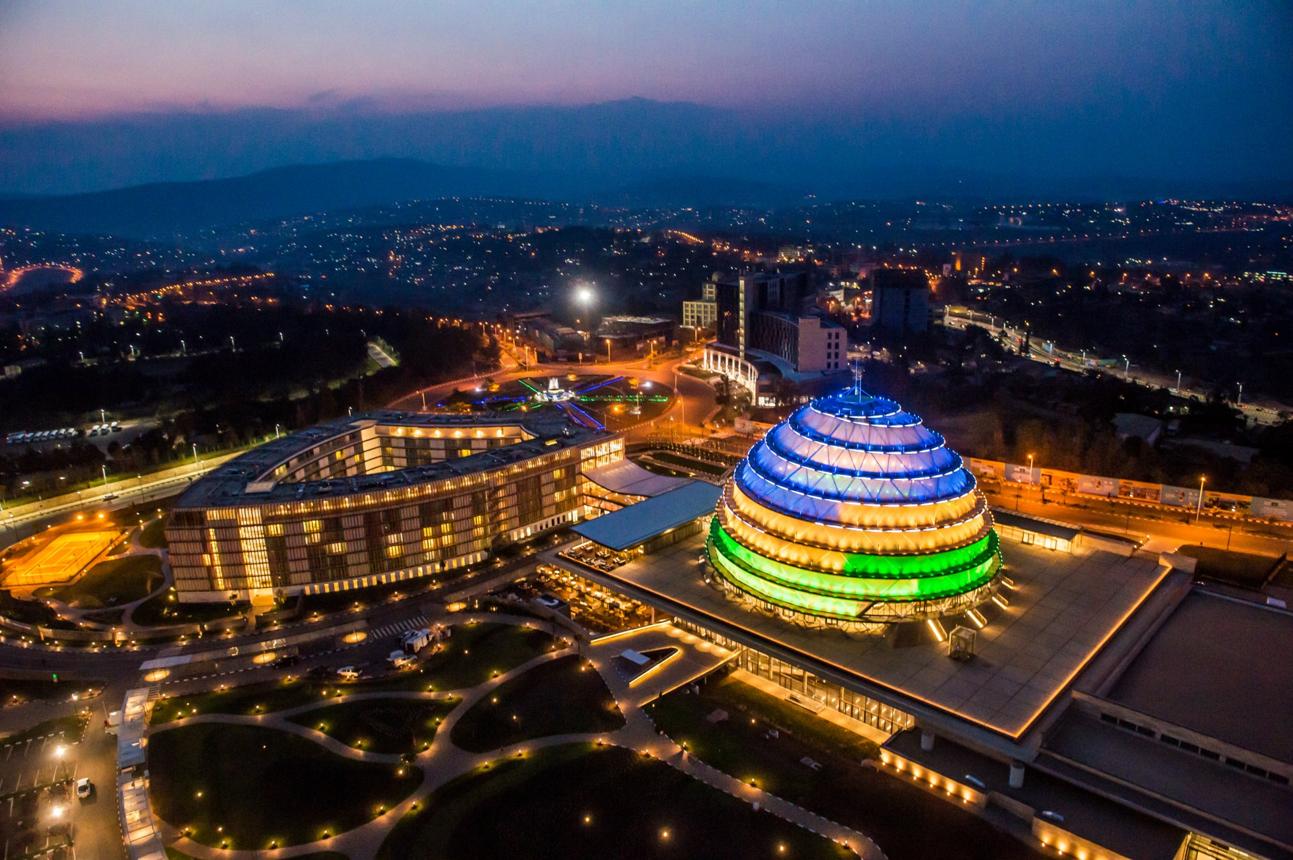
Rwanda Safari Itineraries Including All National Parks
The best Rwanda safari itineraries including all national parks connect four very different protected areas: Akagera National Park, Nyungwe National Park, Gishwati-Mukura National Park and Volcanoes National Park. Together, these destinations reveal the remarkable ecological diversity of the “Land of a Thousand Hills.”
Rwanda may be one of Africa’s smallest countries, yet it offers an impressive range of wildlife, landscapes and cultural experiences. Within a single journey, you can watch lions on an open savannah, track chimpanzees through an ancient rainforest, search for mountain gorillas on volcanic slopes and explore a quiet forest filled with rare birds and monkeys.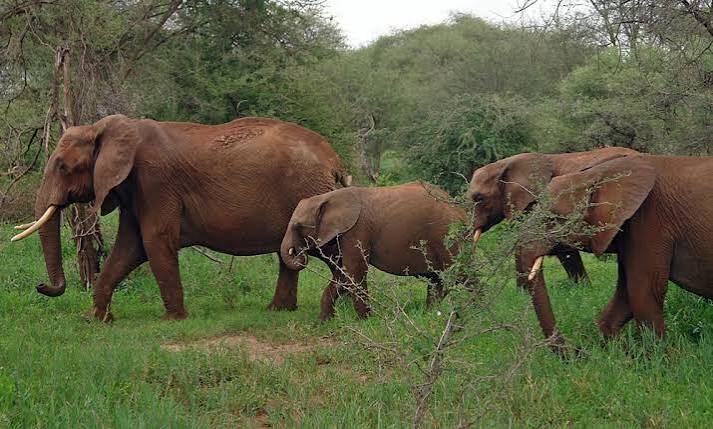
Akagera offers traditional Big Five game viewing. Nyungwe protects one of Africa’s oldest mountain rainforests and provides excellent chimpanzee trekking. Gishwati-Mukura is a smaller and less-visited forest destination, while Volcanoes National Park is internationally known for mountain gorilla trekking and golden monkey tracking.
Because Rwanda has a good road network and relatively short distances between major destinations, visitors can experience all four national parks without taking internal flights. However, route planning remains important. A carefully designed itinerary reduces unnecessary driving and provides enough time for early-morning activities, rest and unexpected wildlife encounters.
This comprehensive guide presents sample itineraries from 10 to 21 days. It also explains the best route, major activities, accommodation options, permits, transportation, packing requirements and suitable travel seasons. Whether you want a midrange Rwanda safari, a private luxury journey or an active primate adventure, these itineraries can be customized around your interests and available time.
Why Choose Rwanda Safari Itineraries Including All National Parks?
Many visitors travel to Rwanda mainly for gorilla trekking. Although meeting mountain gorillas is an extraordinary experience, it represents only one part of the country’s wildlife story.
A complete national-parks circuit combines savannah, wetland, rainforest and volcanic ecosystems. Consequently, the journey offers far more variety than a short gorilla-only holiday.
In Akagera National Park, travellers can search for elephants, buffaloes, lions, leopards and rhinos. Nyungwe National Park introduces a completely different environment, where chimpanzees, colobus monkeys and forest birds live among tall trees and dense vegetation. Gishwati-Mukura provides an intimate forest experience away from Rwanda’s busier tourism routes. Finally, Volcanoes National Park delivers the country’s most famous primate encounter.
The main benefits of an all-parks safari include:
- The opportunity to experience all four of Rwanda’s national parks
- Big Five game viewing in Akagera National Park
- Mountain gorilla trekking in Volcanoes National Park
- Chimpanzee trekking in Nyungwe or Gishwati
- Golden monkey tracking
- Excellent birdwatching
- Scenic drives through Rwanda’s hills and rural communities
- Lake Kivu relaxation between forest destinations
- Cultural, historical and community-based experiences
- A balanced combination of wildlife, adventure and relaxation
Furthermore, visiting several parks supports a wider range of conservation programs, guides, lodges and local communities.
Understanding Rwanda’s Four National Parks
Rwanda has four national parks. Each protects a distinctive ecosystem and offers a different type of safari experience.
Akagera National Park
Akagera National Park lies in eastern Rwanda near the Tanzanian border. Its landscapes include open plains, acacia woodland, lakes, rolling hills and extensive wetlands. Lions and rhinos have been reintroduced, restoring Akagera’s status as a Big Five destination. The park is managed through a partnership between the Rwanda Development Board and African Parks. African Parks reports that Akagera now funds its operations through tourism-generated revenue.
Visitors can enjoy: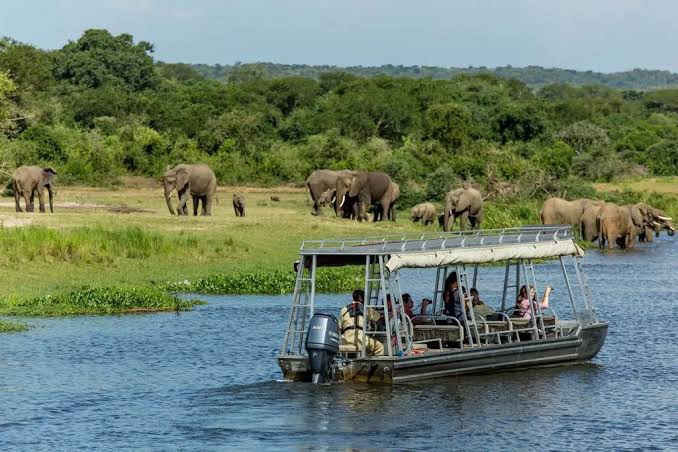
- Morning and afternoon game drives
- Full-day north-to-south game drives
- Boat safaris on Lake Ihema
- Birdwatching
- Night game drives
- Behind-the-scenes conservation experiences
- Seasonal hot-air-balloon trips
- Camping and guided walks in selected areas
Akagera is particularly important for travellers who want a traditional African wildlife safari without adding Kenya or Tanzania to their trip.
Nyungwe National Park
Nyungwe National Park covers a vast mountainous rainforest in southwestern Rwanda. It is famous for chimpanzees, black-and-white colobus monkeys, forest walks, waterfalls and the canopy walkway.
The forest supports numerous primate species and an exceptional variety of birds, plants and butterflies. Although sightings can never be guaranteed, guided tracking offers visitors a chance to observe chimpanzees moving, feeding and communicating in their natural habitat.
Popular Nyungwe activities include: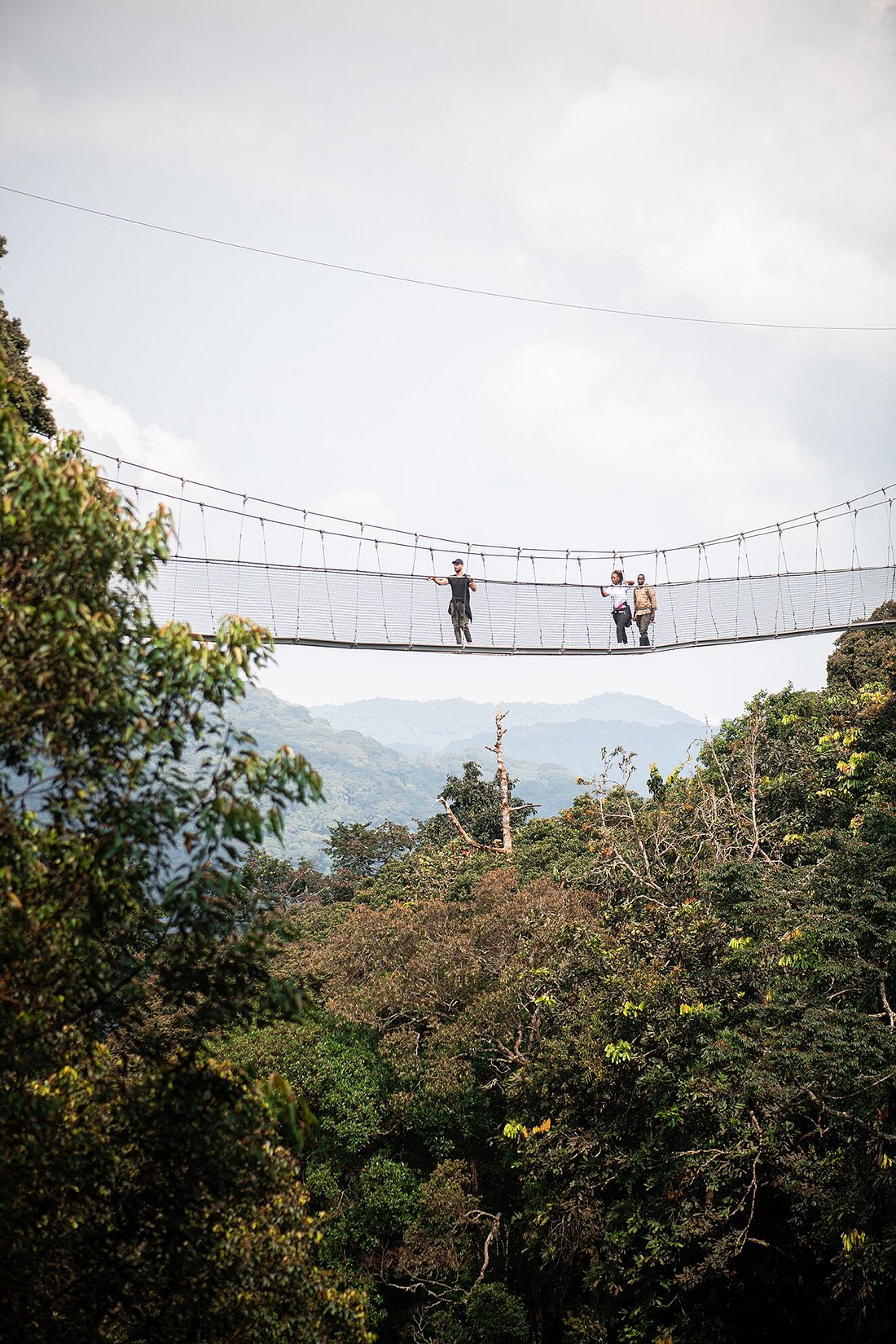
- Chimpanzee trekking
- Colobus monkey tracking
- Canopy walkway experiences
- Waterfall hikes
- Birdwatching
- Tea plantation visits
- Guided forest trails
- Community and cultural visits
- Nature photography
Nyungwe is also one of Rwanda’s most rewarding destinations for active travellers. Trails range from short nature walks to longer hikes across steep forest terrain.
Gishwati-Mukura National Park
Gishwati-Mukura is Rwanda’s fourth and smallest national park. It consists of two separate forest areas: Gishwati and Mukura. The park sits along the Congo-Nile Divide in western Rwanda.
According to the official Visit Rwanda destination guide, activities include guided nature walks, chimpanzee and monkey tracking, birdwatching and waterfall visits. The forest is home to golden monkeys, blue monkeys and L’Hoest’s monkeys, in addition to a small chimpanzee population.
Gishwati-Mukura receives fewer visitors than Rwanda’s other parks. Therefore, it is ideal for travellers seeking quiet trails, conservation stories and a less commercial forest experience.
However, activities and accommodation can be more limited. Advance planning is essential, particularly for visitors hoping to include chimpanzee tracking.
Volcanoes National Park
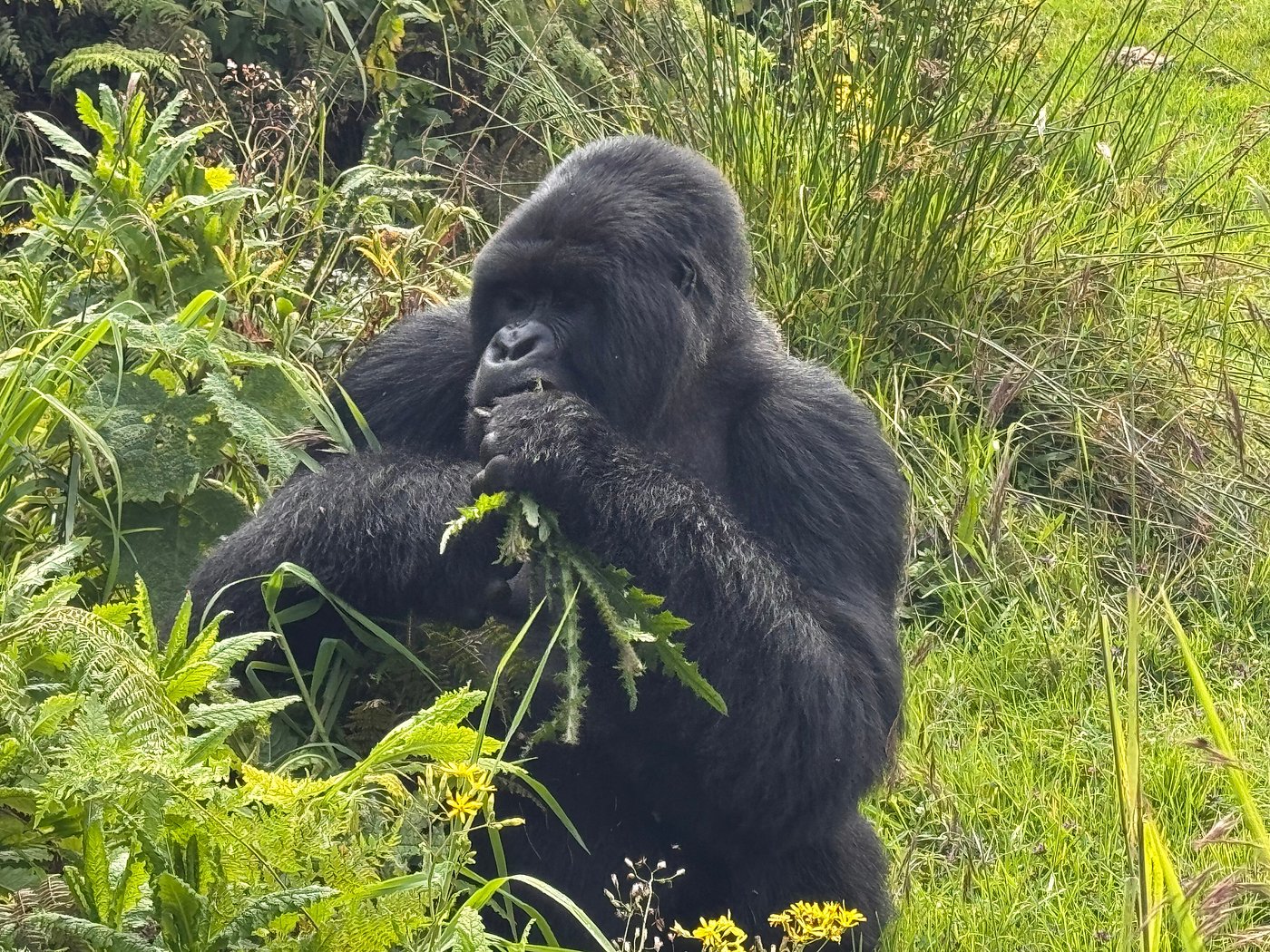
Volcanoes National Park protects the Rwandan section of the Virunga Mountains in the northwest. Its landscapes include bamboo forest, montane vegetation, swamps and the slopes of several volcanoes.
The park’s main attraction is mountain gorilla trekking. The official Visit Rwanda gorilla-tracking information lists the standard international gorilla permit at USD 1,500 per person and a minimum trekking age of 15.
Other experiences include:
- Golden monkey tracking
- Mount Bisoke hiking
- Mount Karisimbi hiking
- Dian Fossey Tomb hike
- Birdwatching
- Nature walks
- Visits to local conservation projects
- Cultural experiences near Kinigi and Musanze
- Twin Lakes excursions
- Visits to the Ellen DeGeneres Campus of the Dian Fossey Gorilla Fund
Volcanoes National Park’s dramatic scenery and endangered primates make it the highlight of most Rwanda safari holidays.
Best Route for a Rwanda Safari Covering All National Parks
The most efficient circuit normally starts and ends in Kigali. From the capital, travellers can visit Akagera in the east before crossing the country toward Nyungwe in the southwest. The route then continues north through Lake Kivu and Gishwati to Volcanoes National Park.
A practical route is:
Kigali → Akagera → Kigali or Bugesera → Huye → Nyungwe → Lake Kivu → Gishwati-Mukura → Volcanoes → Kigali
This route avoids repeated long transfers. It also creates a natural progression from savannah wildlife to rainforest primates and, finally, mountain gorillas.
Some itineraries visit Volcanoes before the western parks. This alternative can work well when gorilla permits are available only on specific dates. Since gorilla permits are limited, the confirmed trekking date should often determine the final route.
14-Day Rwanda Safari Itinerary Including All National Parks
Among all Rwanda safari itineraries including all national parks, this 14-day route offers the best balance of wildlife, primates, culture and manageable transfer times.
Day 1: Arrival in Kigali
Arrive at Kigali International Airport, where your safari representative will welcome you. After a short introduction, transfer to your hotel for check-in and rest.
Depending on your arrival time, you may enjoy a relaxed city drive, visit a local restaurant or simply recover from the flight. No demanding activities should be planned after a late-night arrival.
Overnight: Kigali
Meals: Depending on arrival time
Day 2: Kigali City Tour and Transfer to Akagera
After breakfast, begin a guided Kigali city tour. Possible stops include the Kigali Genocide Memorial, a local market, an art centre and a viewpoint overlooking the city.
The memorial visit provides important historical context. It should be approached respectfully and at a comfortable pace. Afterwards, have lunch before travelling east to Akagera National Park.
The drive passes through cultivated hills, small trading centres and rural communities. Arrive near the park in the late afternoon and check into your lodge.
If time allows, enjoy a sunset viewpoint or a relaxed evening overlooking the surrounding savannah.
Overnight: Akagera National Park area
Meals: Breakfast, lunch and dinner
Day 3: Full-Day Akagera Game Drive
Start early for a full-day game drive through Akagera. Morning hours often provide good wildlife activity because temperatures are cooler.
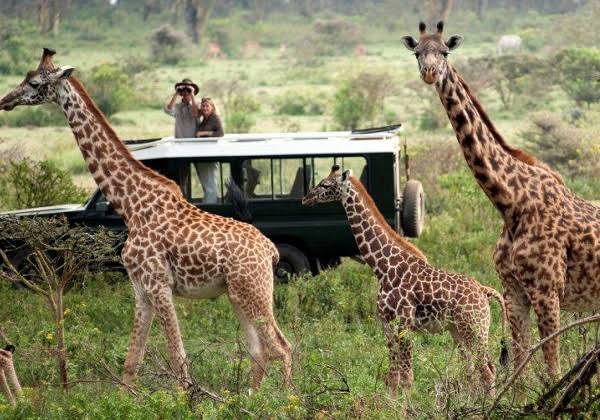
Your guide will search for elephants, buffaloes, giraffes, zebras, topis, impalas, waterbucks and warthogs. Predators are more difficult to find, yet patient exploration may reveal lions, leopards or spotted hyenas.
The northern plains are generally productive for open-country species. Meanwhile, lakes and wetlands attract hippos, crocodiles and numerous waterbirds.
Carry a packed lunch so that you can spend as much time as possible inside the park. During the drive, your guide will explain animal behaviour, habitats, conservation programs and Akagera’s wildlife recovery.
Return to the lodge in the late afternoon.
Overnight: Akagera
Meals: Breakfast, packed lunch and dinner
Day 4: Morning Game Drive and Lake Ihema Boat Safari
Enjoy another morning game drive. This second drive allows you to revisit productive wildlife areas or search for species missed the previous day.
After lunch, join a boat safari on Lake Ihema. The boat trip offers a closer look at hippos, crocodiles and waterbirds. Elephants, buffaloes and antelopes may also appear near the shoreline.
Akagera contains savannah, woodland, lakes and wetlands, making its landscape more varied than many first-time visitors expect. These habitats are described in the official Visit Rwanda national-parks guide.
Return to the lodge before dark. Alternatively, travellers seeking additional wildlife viewing can arrange a night game drive, subject to availability and park regulations.
Overnight: Akagera
Meals: Breakfast, lunch and dinner
Day 5: Transfer from Akagera to Huye
After breakfast, leave Akagera and travel toward southern Rwanda. Depending on your preferred pace, lunch can be taken in Kigali or along the route.
Continue to Huye, formerly known as Butare. Huye is an important cultural and academic centre. If time permits, visit the Ethnographic Museum, which presents Rwanda’s traditional life, crafts, tools, architecture and social heritage.
The journey to Huye breaks up the longer transfer between Akagera and Nyungwe. Therefore, it makes the itinerary more comfortable.
Overnight: Huye
Meals: Breakfast, lunch and dinner
Day 6: Huye Cultural Experience and Transfer to Nyungwe
After breakfast, complete any remaining cultural visits in Huye. You may explore a local heritage site, community initiative or craft workshop.
Later, drive toward Nyungwe National Park. The road passes through tea-growing areas and increasingly mountainous scenery. As you approach the forest, the air becomes cooler and the landscape more densely vegetated.
Check into your lodge and prepare for the next morning’s early chimpanzee trek. Your guide will confirm the reporting time, departure point and required equipment.
Overnight: Nyungwe area
Meals: Breakfast, lunch and dinner
Day 7: Chimpanzee Trekking and Tea Experience
Wake before sunrise and transfer to the designated chimpanzee-trekking briefing point. The exact sector may depend on chimpanzee movements, permit allocation and current park operations.
After meeting the ranger team, enter the forest and begin tracking. The walk can involve steep paths, wet vegetation and uneven ground. Therefore, strong walking shoes, long trousers and a waterproof jacket are recommended.
Chimpanzees are active animals and may move quickly through the forest. Listening is often as important as looking. Rangers may first locate them by their calls before guiding visitors toward the group.
After the trek, return to the lodge for breakfast or lunch. In the afternoon, enjoy a tea plantation experience or rest at your accommodation.
A tea visit explains how leaves are grown, harvested and processed. In addition, the open plantations provide beautiful views across the forested hills.
Overnight: Nyungwe
Meals: Breakfast, lunch and dinner
Day 8: Canopy Walk and Nyungwe Nature Trail
After breakfast, enter Nyungwe for a guided forest walk leading toward the canopy walkway. Suspended high above a forest valley, the walkway offers broad views across the treetops.
Although wildlife sightings are never guaranteed, visitors may see monkeys, butterflies and forest birds. The trail itself is part of the experience, with guides explaining trees, medicinal plants and the forest ecosystem.
Afterwards, return for lunch. The afternoon can be used for a second, shorter nature trail, colobus monkey tracking or relaxation.
Visitors interested in hiking may choose a waterfall trail instead. However, activity combinations should consider trail length, fitness level and weather conditions.
Overnight: Nyungwe
Meals: Breakfast, lunch and dinner
Day 9: Nyungwe to Lake Kivu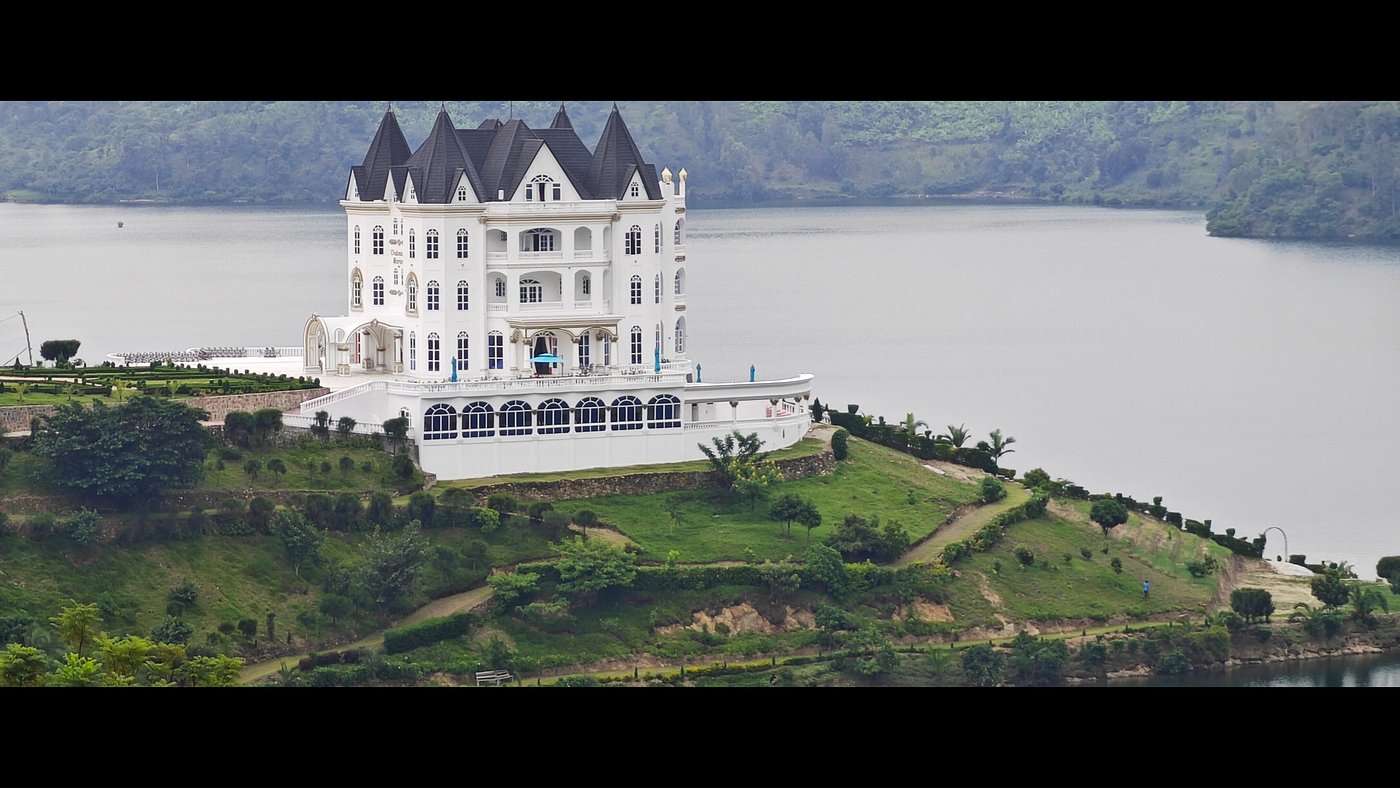
Leave Nyungwe after breakfast and travel north toward Lake Kivu. Depending on the selected route, you may stay in Karongi, also called Kibuye.
Lake Kivu provides a welcome change of pace after several early starts. Once you arrive, check into a lakeside hotel and have lunch.
In the afternoon, take a guided boat trip to nearby islands and fishing communities. Alternatively, relax at the hotel and enjoy views of the lake and surrounding hills.
Lake Kivu is not a national park. However, its location makes it a valuable link between Nyungwe, Gishwati-Mukura and Volcanoes National Park.
Overnight: Lake Kivu
Meals: Breakfast, lunch and dinner
Day 10: Lake Kivu to Gishwati-Mukura National Park
Enjoy a calm breakfast beside the lake. Afterwards, drive toward the Gishwati sector of Gishwati-Mukura National Park.
The transfer follows one of Rwanda’s most scenic regions. Hills, farms, tea plantations and lake views create many opportunities for landscape photography.
On arrival, join an introductory community walk or guided forest-edge experience. This provides insight into local livelihoods and the role of forest restoration.
Because Gishwati receives fewer tourists, schedules may be more flexible than in Rwanda’s larger parks. Nevertheless, activities must be confirmed in advance.
Overnight: Near Gishwati-Mukura
Meals: Breakfast, lunch and dinner
Day 11: Gishwati Forest Experience
Begin with an early guided activity inside Gishwati Forest. Depending on confirmed permits and current conditions, the experience may focus on chimpanzees, monkeys, birds, waterfalls or general forest ecology.
Chimpanzee tracking here differs from Nyungwe. The chimpanzee community is smaller, and sightings may be less predictable. However, the quiet forest, conservation story and limited visitor numbers make Gishwati rewarding.
Birdwatchers should look for Albertine Rift species and forest specialists. Meanwhile, general nature lovers can appreciate the peaceful trails and native vegetation.
After the activity, return to the lodge for lunch. Spend the afternoon relaxing or participating in a community-based experience.
Overnight: Gishwati area
Meals: Breakfast, lunch and dinner
Day 12: Transfer to Volcanoes National Park
After breakfast, travel north toward Musanze and Volcanoes National Park. The drive crosses Rwanda’s highland landscapes and offers views of cultivated valleys and distant mountains.
Arrive at your lodge near Kinigi in time for lunch or an afternoon activity. Possible options include the Twin Lakes, a community walk or the Ellen DeGeneres Campus.
The campus offers an educational introduction to mountain gorilla conservation. As a result, it can help visitors better understand the work behind the following day’s trek.
Return to the lodge early, prepare your trekking equipment and get a good night’s rest.
Overnight: Volcanoes National Park area
Meals: Breakfast, lunch and dinner
Day 13: Mountain Gorilla Trekking
This is the signature day of the safari.
After an early breakfast, drive to the park headquarters for registration and a ranger briefing. Visitors are assigned to gorilla families according to availability and, where possible, walking ability.
The trek may last from a short period to several hours. Conditions vary according to the gorillas’ location, weather and terrain. Porters are available and strongly recommended. They can carry a daypack and provide support on muddy or steep sections.
Once your group reaches the gorillas, follow all ranger instructions. Visitors generally spend a regulated period observing the family. Remain calm, avoid sudden movements and keep your voice low.
After the encounter, return to the trailhead and meet your guide. Depending on the finishing time, enjoy lunch at the lodge and rest during the afternoon.
The standard international permit is currently listed at USD 1,500 per person by Visit Rwanda. Since prices and conditions may change, travellers should reconfirm them before booking.
Overnight: Volcanoes area
Meals: Breakfast, lunch and dinner
Day 14: Golden Monkey Trekking and Return to Kigali
After breakfast, return to the park headquarters for a golden monkey trekking briefing. Golden monkeys live mainly in the bamboo zone and are generally more active than gorillas.
The trek is often shorter, although the trail can still be muddy and uneven. Once the monkeys are located, visitors watch them jump through bamboo, feed and interact.
After the activity, return to the lodge, have lunch and drive back to Kigali. Depending on your flight time, transfer directly to Kigali International Airport or spend an additional night in the city.
Meals: Breakfast and lunch
10-Day Express Rwanda Safari Covering All National Parks
Travellers with limited time can visit every park in ten days. However, this route moves quickly and includes several long drives.
Day 1: Arrival in Kigali
Airport reception and hotel transfer. If the arrival is early, take a short Kigali city tour.
Day 2: Kigali to Akagera National Park
Travel east and enjoy an afternoon game drive or Lake Ihema boat safari.
Day 3: Full-Day Akagera Safari
Explore Akagera from south to north, searching for Big Five wildlife and plains animals.
Day 4: Akagera to Nyungwe
Depart early for the long journey to Nyungwe. Stop for lunch and short breaks along the route.
Day 5: Chimpanzee Trekking and Canopy Walk
Track chimpanzees in the morning. In the afternoon, complete a guided canopy-walk experience if timing and fitness allow.
Day 6: Nyungwe to Gishwati-Mukura
Drive north through Rwanda’s western highlands, with a short stop beside Lake Kivu.
Day 7: Gishwati Forest Activity
Join a guided forest walk, monkey-tracking activity, birding excursion or chimpanzee experience.
Day 8: Gishwati to Volcanoes National Park
Travel to Musanze and visit the Ellen DeGeneres Campus or enjoy a community experience.
Day 9: Gorilla Trekking
Complete a guided mountain gorilla trek in Volcanoes National Park.
Day 10: Golden Monkeys and Kigali Departure
Track golden monkeys, have lunch and return to Kigali.
This itinerary is best for active travellers who are comfortable with early departures. For better pacing, add at least two extra nights.
12-Day Rwanda Safari Itinerary Including All National Parks
This route adds more rest than the ten-day circuit while keeping the overall trip relatively compact.
Days 1–2: Kigali and Akagera
Arrive in Kigali, take a city tour and transfer to Akagera.
Days 3–4: Akagera Wildlife Safari
Enjoy a full-day game drive, a shorter wildlife drive and a Lake Ihema boat trip.
Day 5: Transfer to Nyungwe
Travel through southern Rwanda with a cultural stop in Huye.
Days 6–7: Nyungwe National Park
Track chimpanzees on the first morning. On the following day, experience the canopy walkway, a waterfall trail or colobus monkey tracking.
Day 8: Lake Kivu
Travel to Karongi for relaxation and an optional boat trip.
Day 9: Gishwati-Mukura
Continue to Gishwati for a guided forest and community experience.
Day 10: Volcanoes National Park
Travel to Musanze and visit the Ellen DeGeneres Campus or Twin Lakes.
Day 11: Gorilla Trekking
Meet one of the habituated mountain gorilla families.
Day 12: Return to Kigali
Choose golden monkey trekking, a cultural visit or a relaxed morning before returning to Kigali.
This itinerary offers enough time for the signature activity in every park. Nevertheless, travellers interested in photography, hiking or birdwatching should select the 14- or 16-day route.
16-Day Complete Rwanda Wildlife and Primate Safari
The 16-day itinerary is designed for visitors who prefer a comfortable pace and want more than a quick overview.
Day 1: Kigali Arrival
Meet your guide and transfer to your hotel.
Day 2: Kigali City and Cultural Tour
Visit the Kigali Genocide Memorial, an art gallery, a market and selected historical sites.
Day 3: Transfer to Akagera
Drive east and enjoy an afternoon boat safari.
Day 4: Full-Day Akagera Game Drive
Explore the central and northern areas of the park.
Day 5: Akagera Wildlife Activities
Take a second drive, arrange a conservation experience or join a night safari.
Day 6: Akagera to Huye
Travel through Kigali and continue to southern Rwanda.
Day 7: Huye to Nyungwe
Visit the Ethnographic Museum and continue toward the forest.
Day 8: Chimpanzee Trekking
Join an early chimpanzee trek and rest in the afternoon.
Day 9: Canopy Walk and Forest Trail
Complete the canopy walkway and a guided nature walk.
Day 10: Colobus Monkeys or Waterfall Hike
Choose another Nyungwe experience according to your interests.
Day 11: Transfer to Lake Kivu
Drive to Karongi and enjoy an afternoon boat trip.
Day 12: Lake Kivu to Gishwati
Travel through the western highlands and visit a local community.
Day 13: Gishwati-Mukura Forest Experience
Join a guided primate, birding or nature activity.
Day 14: Transfer to Volcanoes
Drive to Musanze and visit the conservation campus.
Day 15: Gorilla Trekking
Complete the mountain gorilla trek and spend the afternoon at leisure.
Day 16: Golden Monkeys and Return to Kigali
Track golden monkeys before travelling back to the capital.
The 16-day circuit gives visitors a deeper understanding of Rwanda’s ecosystems. It also reduces fatigue by avoiding too many consecutive early starts.
18-Day Luxury Rwanda Safari Including Every National Park
Luxury Rwanda safari itineraries including all national parks combine private guiding, premium lodges, flexible meals and carefully timed transfers.
A luxury safari is not only about expensive rooms. It should also provide privacy, reliable logistics, excellent guiding and enough time to enjoy each destination.
Days 1–2: Luxury Kigali Stay
Arrive at Kigali International Airport and transfer to a premium city hotel. On the second day, enjoy a private cultural and historical tour.
Days 3–5: Akagera National Park
Spend three nights in or near the park. Activities may include private game drives, Lake Ihema boating, a behind-the-scenes conservation visit and a night drive.
Day 6: Transfer to Southern Rwanda
Travel privately to Huye or Nyungwe, with selected stops.
Days 7–9: Nyungwe National Park
Track chimpanzees, walk above the forest canopy and enjoy a private tea experience. Guests staying at a premium forest lodge can also schedule wellness time between activities.
Days 10–11: Lake Kivu
Relax at a lakeside property. Take a private boat cruise, visit islands or explore a coffee-growing community.
Days 12–13: Gishwati-Mukura
Experience a quieter forest environment with private guiding where available.
Day 14: Transfer to Volcanoes
Drive to the Volcanoes region and settle into a high-end lodge.
Day 15: Gorilla Trekking
Complete the main gorilla trek.
Day 16: Leisure and Conservation Experiences
Rest, enjoy lodge activities or visit a conservation centre.
Day 17: Golden Monkey Trekking or Second Gorilla Trek
Choose golden monkeys, a second gorilla permit, Mount Bisoke or a cultural activity.
Day 18: Return to Kigali
Travel to Kigali for your international departure.
Helicopter transfers may be possible on selected routes. However, road travel provides more opportunities to see rural landscapes and understand the country.
21-Day Rwanda Birding, Primates and Big Five Itinerary
Rwanda is a strong birdwatching destination because of its varied habitats and location within the Albertine Rift. A three-week safari allows birders to explore each park without rushing.
The journey may include:
- Wetland and savannah birding in Akagera
- Forest birding in Nyungwe
- Albertine Rift species in Gishwati
- Highland and bamboo species in Volcanoes
- Wetland birding around Kigali and Bugesera
- Lake Kivu shoreline species
- Primate tracking in three different forests
- Multiple game drives at different times of day
Specialist birding departures should use an experienced bird guide. Early starts are essential, while the itinerary should remain flexible enough to revisit productive habitats.
Suggested 21-Day Schedule
Days 1–2: Kigali and Bugesera Birding
Begin with urban wetlands, gardens and nearby birding areas.
Days 3–6: Akagera National Park
Explore woodland, savannah, lakes and wetland habitats. Schedule boat trips and drives in both northern and southern sectors.
Days 7–8: Huye and Southern Rwanda
Use the transfer for cultural stops and roadside birding.
Days 9–12: Nyungwe National Park
Walk several trails rather than relying on one route. Include chimpanzee trekking and colobus monkey tracking.
Days 13–14: Lake Kivu
Enjoy slower birding near the shoreline and surrounding gardens.
Days 15–17: Gishwati-Mukura
Search for forest species, monkeys and other wildlife.
Days 18–20: Volcanoes National Park
Combine mountain gorillas with golden monkeys, highland birding and a nature hike.
Day 21: Kigali Departure
Return to Kigali with optional final birding stops.
Best Activities to Include in a Rwanda National Parks Safari
Mountain Gorilla Trekking
Gorilla trekking is Rwanda’s most famous wildlife experience. Visitors enter Volcanoes National Park in a small guided group and search for a habituated gorilla family.
The minimum permitted trekking age is 15. In addition, travellers who are unwell should not participate because human illnesses can threaten gorilla health.
The trek requires:
- A valid gorilla permit
- Strong closed walking shoes
- Long trousers
- A waterproof jacket
- Gardening or trekking gloves
- Drinking water
- A small daypack
- Respect for ranger instructions
Hiring a porter supports local livelihoods while making the trek more comfortable.
Chimpanzee Trekking
Nyungwe is Rwanda’s primary chimpanzee destination. Gishwati may offer an additional tracking experience, depending on availability and park operations.
Chimpanzees often move quickly. Therefore, the experience can be physically demanding. Visitors should be ready for early departures and active walking.
Golden Monkey Tracking
Golden monkey trekking takes place in the bamboo forests of Volcanoes National Park. It usually requires less time than gorilla trekking, although conditions vary.
The monkeys are energetic and photogenic. As a result, this activity works well as a second primate experience.
Big Five Game Drives
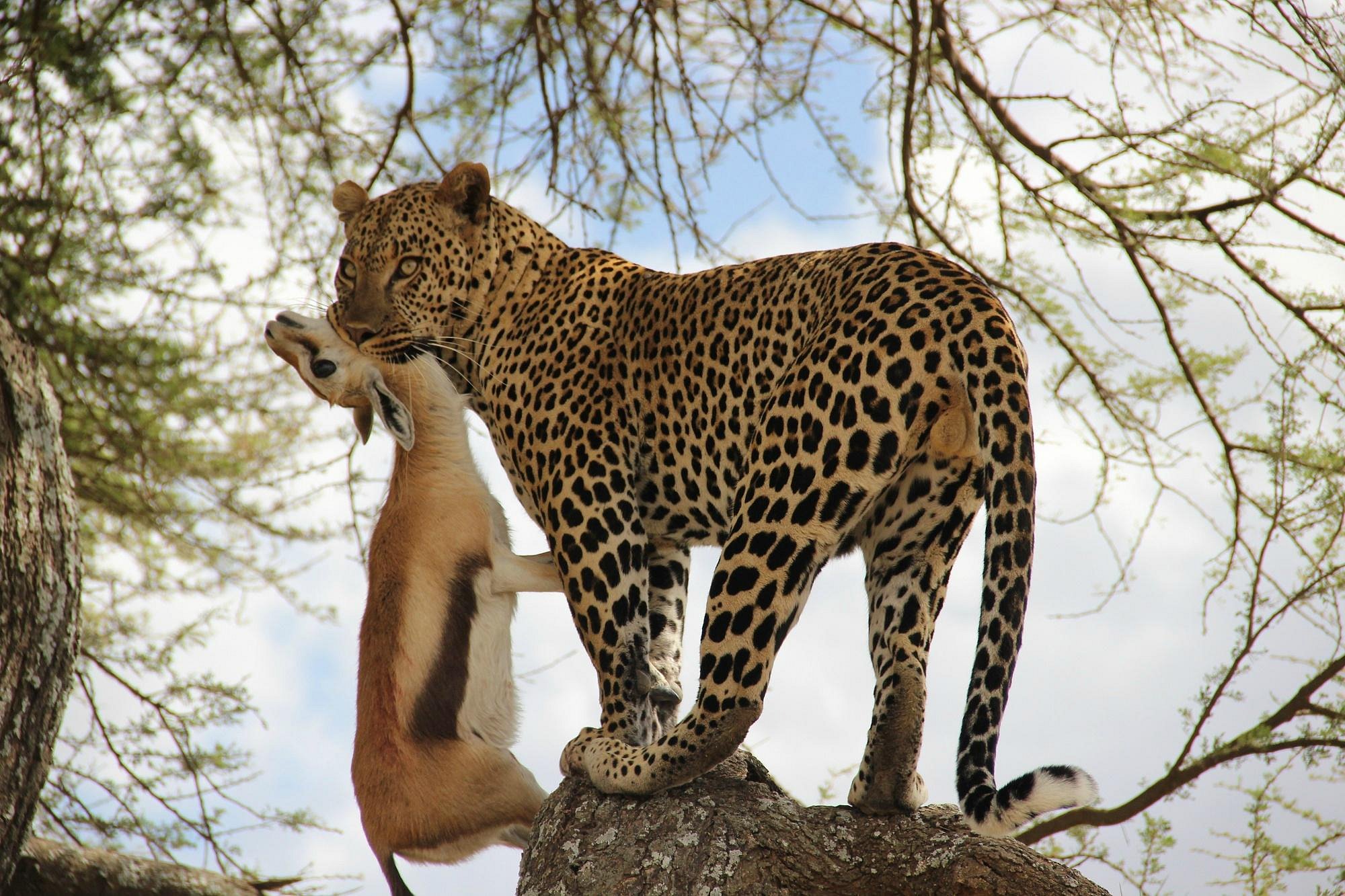
Akagera is Rwanda’s only savannah national park. It provides opportunities to see lions, elephants, buffaloes, leopards and rhinos.
One game drive is rarely enough for a complete experience. Two or three drives improve the chances of seeing a broader range of animals.
Lake Ihema Boat Safari
A Lake Ihema boat safari complements the land-based wildlife experience. It is especially rewarding for hippos, crocodiles and waterbirds.
Morning and sunset departures may offer pleasant temperatures and softer light for photography.
Nyungwe Canopy Walk
The canopy walkway provides a different perspective on the rainforest. The trail reaches the suspended bridge through forested terrain, so visitors still need suitable footwear.
Forest Hiking
Nyungwe and Gishwati-Mukura offer guided forest walks. Volcanoes National Park also has demanding volcano hikes.
Trail selection should reflect fitness, weather and available time. A shorter walk can be more enjoyable than an overly ambitious route after several busy safari days.
Cultural and Community Tourism
A national-parks circuit can include:
- Traditional dance and music
- Local food experiences
- Craft workshops
- Coffee and tea tours
- Community walks
- Storytelling and heritage visits
- Conservation education
- Rural village experiences
Choose programs that treat communities as partners and clearly explain how visitor fees are used.
Best Time for Rwanda Safari Itineraries Including All National Parks
Rwanda is a year-round destination. Nevertheless, rainfall affects road conditions, forest trails and photography.
June to September
This is one of the most popular travel periods. Conditions are generally drier, which can make hiking easier. Wildlife may also gather near water sources in Akagera.
Demand for gorilla permits and accommodation is high. Therefore, early booking is recommended.
December to February
This shorter dry period is another good time for a Rwanda safari. It works well for game drives, primate trekking and general touring.
However, weather patterns are not guaranteed. Rain can occur at any time in rainforest and mountain regions.
March to May
These months usually bring heavier rainfall. Forests become green and atmospheric, while some lodges may offer seasonal value.
On the other hand, trails can be muddy and photography may be more challenging. Visitors should pack dependable rain protection.
October to November
The shorter rainy season can still provide excellent travel experiences. There may be fewer visitors, and the landscapes are fresh and green.
Birdwatchers may find wet-season travel particularly interesting. Still, daily plans should allow some flexibility.
Rwanda Safari Costs and Budget Planning
The cost of Rwanda safari itineraries including all national parks depends on the number of travellers, trip length, accommodation category, permits and selected activities.
The gorilla permit is normally the largest single activity expense. Other major costs include private transport, chimpanzee permits, park entrance fees, accommodation and meals.
Main Factors Affecting the Price
Number of Travellers
Private transport and guide costs are shared among passengers. Consequently, the per-person price usually falls when more people travel together.
A solo traveller pays the full vehicle cost. Two to four guests can divide it, although accommodation and permits remain individually priced.
Accommodation Standard
Rwanda offers:
- Budget guesthouses
- Comfortable midrange lodges
- Upper-midrange hotels
- Luxury safari lodges
- Exclusive villas and premium conservation properties
Midrange accommodation normally offers the best combination of comfort and value.
Number of Gorilla Treks
Each traveller requires a separate permit for every gorilla trek. Therefore, adding a second trek significantly increases the total price.
Private or Shared Services
Private safaris provide flexibility and personal guiding. Shared departures may reduce costs, but they operate only on fixed dates and routes.
Seasonal Demand
Accommodation prices may rise during popular travel months. Permit availability can also become limited.
Optional Activities
Boat trips, night drives, special hikes and private cultural experiences add to the final cost.
What Should a Complete Rwanda Safari Package Include?
A well-prepared package normally includes:
- Airport pickup and drop-off
- Private safari vehicle
- Professional English-speaking driver-guide
- Fuel for the scheduled itinerary
- Accommodation
- Meals stated in the program
- Bottled drinking water in the vehicle
- Park entrance fees
- Scheduled game drives
- Boat trips listed in the itinerary
- Gorilla permit when clearly stated
- Chimpanzee permit when clearly stated
- Golden monkey permit when clearly stated
- Ranger and activity fees
- Local taxes or service charges where applicable
- Emergency and logistical support
Possible exclusions include:
- International flights
- Visa costs
- Travel insurance
- Personal expenses
- Laundry
- Tips
- Unscheduled meals
- Optional activities
- Changes requested during the tour
- Premium beverages
- Medical expenses
Always read the final inclusion list before making a deposit. In particular, confirm whether the gorilla permit is included in the quoted total.
Accommodation Around Rwanda’s National Parks
Where to Stay in Akagera
Akagera accommodation ranges from campsites and simple properties outside the entrance to comfortable and luxury lodges inside the park.
Staying inside the park reduces morning driving and creates a stronger wilderness atmosphere. However, accommodation outside the park may offer better value.
When selecting a lodge, consider:
- Distance from the entrance
- Planned game-drive route
- Meal arrangements
- Electricity and internet access
- Family-room availability
- Views and privacy
- Vehicle access during wet weather
Where to Stay Near Nyungwe
Nyungwe accommodation includes simple guesthouses, tea-area hotels, midrange forest lodges and premium properties.
The best location depends on your activity’s reporting point. A hotel that looks close on a map may still require an early transfer along winding roads.
Therefore, confirm the trekking sector before choosing accommodation.
Where to Stay Near Gishwati-Mukura
Accommodation around Gishwati-Mukura is more limited. Travellers may use an eco-lodge, guesthouse or selected Lake Kivu property, depending on the confirmed park activity.
Booking early is especially important for this part of the trip.
Where to Stay Near Volcanoes National Park
The Volcanoes region has Rwanda’s widest range of safari lodges. Options extend from affordable hotels in Musanze to exclusive lodges near the park boundary.
Staying close to Kinigi makes the gorilla-trekking morning easier. Meanwhile, Musanze properties may provide better value and easier access to restaurants and local services.
Transport for a Complete Rwanda National Parks Circuit
Most all-parks safaris use a private 4×4 vehicle with an experienced driver-guide. This arrangement is practical because it provides door-to-door transport, luggage space and flexibility for roadside stops.
A suitable safari vehicle should have:
- Good ground clearance
- Seat belts
- Comfortable passenger seating
- Reliable tyres
- Adequate luggage capacity
- Charging facilities where available
- Drinking water storage
- A first-aid kit
- Communication support
- Proper tourism and vehicle insurance
Travel times in Rwanda can appear short based on distance alone. However, hilly roads, town traffic and scenic stops affect the schedule.
Avoid planning important park activities immediately after long transfers. Early-morning trekking requires guests to arrive at the briefing point on time.
What to Pack for an All-Parks Rwanda Safari
Packing should account for Akagera’s warmer savannah and the cool, wet forests of Nyungwe, Gishwati and Volcanoes.
Bring:
- Lightweight safari clothing
- Long trekking trousers
- Long-sleeved shirts
- Waterproof jacket
- Warm sweater or fleece
- Strong waterproof walking shoes
- Comfortable shoes for evenings
- Gardening or trekking gloves
- Hat and sunglasses
- Sunscreen
- Insect repellent
- Small daypack
- Reusable water bottle
- Binoculars
- Camera and spare batteries
- Waterproof bag for electronics
- Personal medication
- Travel documents and permit copies
Neutral colours work well for game drives and forest activities. Bright clothing is not always prohibited, but muted colours are less distracting.
Avoid carrying excessive luggage. Laundry may be available at several lodges, although turnaround time and fees vary.
Gorilla and Chimpanzee Trekking Fitness
You do not need to be an athlete. However, moderate fitness can make trekking much more enjoyable.
Prepare by walking regularly on hills or uneven ground. Comfortable shoes should be broken in before the trip.
During the trek: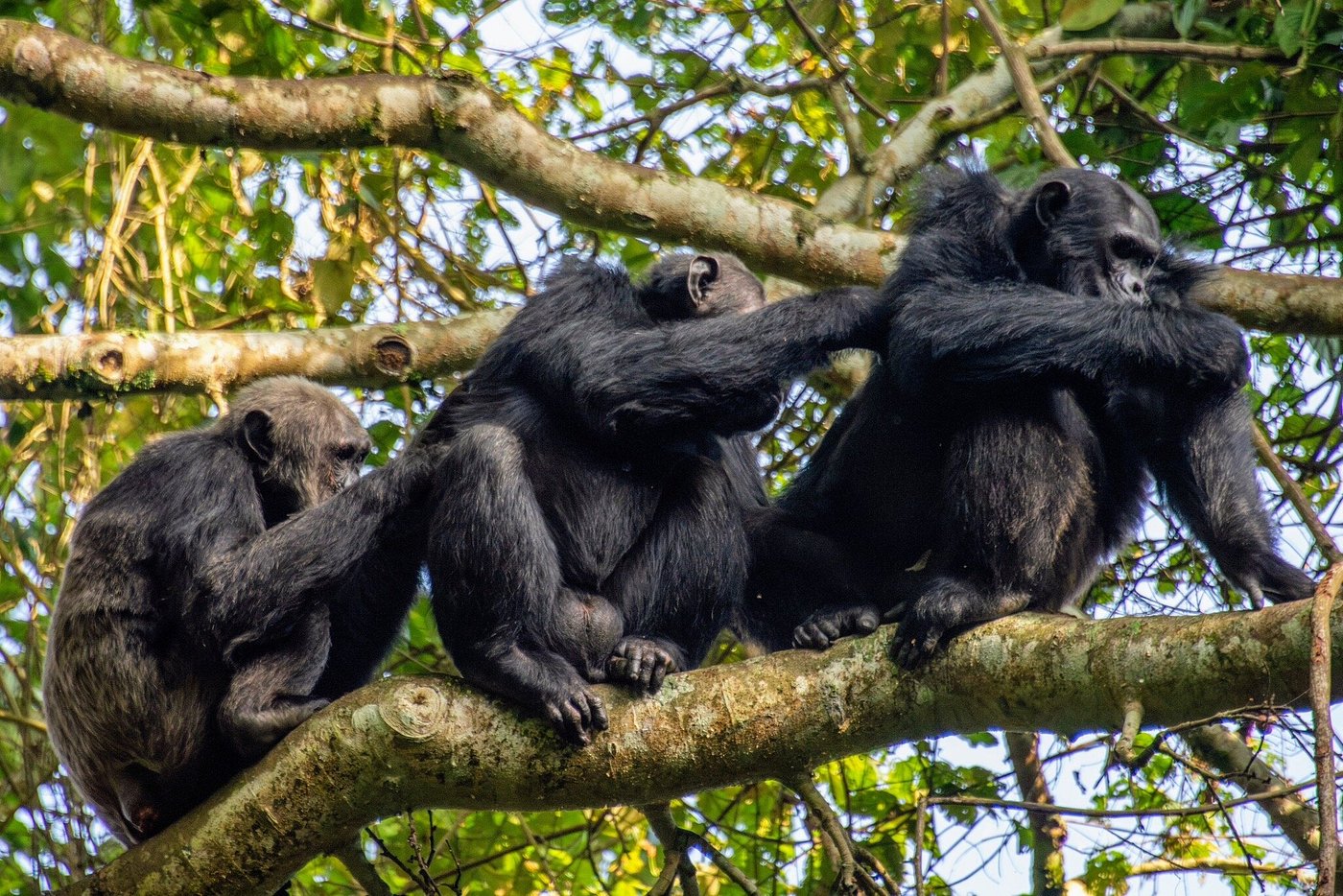
- Walk at a steady pace
- Tell your guide about mobility concerns
- Hire a porter
- Carry enough water
- Use a walking stick if provided
- Follow ranger instructions
- Avoid rushing on slippery ground
Trekking duration cannot be guaranteed. The animals move freely, so each day is different.
Rwanda Safari Itineraries for Families
Families can enjoy an all-parks safari, but age restrictions affect primate activities. Gorilla trekking requires participants to meet the official minimum age.
When younger children travel, alternative activities can be arranged while older family members trek. These may include:
- Nature walks
- Cultural visits
- Community experiences
- Hotel activities
- Scenic drives
- Conservation-centre visits
- Age-appropriate wildlife viewing
Akagera is particularly suitable for families because game drives take place inside a vehicle. Boat trips may also appeal to children, subject to operator and park safety rules.
Choose family rooms or connected rooms early, since availability can be limited.
Rwanda Honeymoon and Private Safari Ideas
A private Rwanda safari works well for couples because transfers and activities can be adapted around their preferred pace.
Romantic elements do not need to replace wildlife experiences. Instead, a well-designed itinerary may include:
- A private Lake Kivu boat trip
- A scenic lodge with forest or mountain views
- Leisure time after gorilla trekking
- Private dining arranged by the lodge
- A slower three-night stay in Akagera
- A tea or coffee experience
- Premium accommodation near Volcanoes
- Professional safari photography
Avoid scheduling every day from before sunrise until evening. Free time is particularly valuable on a honeymoon or celebration trip.
Sustainable Travel Across Rwanda’s National Parks
Responsible tourism helps protect wildlife and supports communities near protected areas.
Visitors can contribute by:
- Following all park rules
- Keeping a safe distance from animals
- Avoiding single-use plastic where possible
- Hiring local guides and porters
- Buying locally made products
- Choosing responsible community programs
- Never feeding wildlife
- Remaining on designated trails
- Reducing noise during animal encounters
- Using refillable water bottles where practical
- Respecting photography restrictions
- Reporting unethical tourism practices
Rwanda’s tourism model places strong emphasis on conservation. Responsible visitor behaviour helps maintain those efforts.
Common Planning Mistakes to Avoid
Trying to Cover All Parks Too Quickly
A fast itinerary may look efficient on paper but become tiring. Build in enough time for meals, road conditions and rest.
Booking Flights Before Checking Gorilla Permits
Gorilla permits are limited. Confirm availability before finalizing non-refundable flights and hotels.
Staying Too Far from Trekking Points
An inexpensive hotel may create a very early and stressful transfer. Location is often more important than the room rate.
Assuming Every Chimpanzee Trek Is the Same
Nyungwe and Gishwati offer different environments and sighting patterns. Discuss realistic expectations with your operator.
Planning Only One Akagera Activity
A single short drive may not show the park’s diversity. If possible, include a full-day game drive and boat safari.
Ignoring Travel Times
Rwanda is compact, but roads pass through hills and populated areas. Do not calculate journey time using distance alone.
Packing Unsuitable Shoes
Forest paths can be muddy even during drier months. Waterproof shoes with reliable grip are essential.
Treating Permits as Flexible Reservations
Primate permits are issued for specific dates and activities. Cancellation and rescheduling conditions may be strict.
Frequently Asked Questions
How many national parks are there in Rwanda?
Rwanda has four national parks: Akagera, Nyungwe, Gishwati-Mukura and Volcanoes.
Can I visit all Rwanda national parks in one trip?
Yes. A 12- to 16-day private safari can comfortably connect all four parks. Ten days is possible, but the schedule will be fast-paced.
What is the best all-parks itinerary?
For most travellers, the best route is Kigali, Akagera, Huye, Nyungwe, Lake Kivu, Gishwati-Mukura, Volcanoes and Kigali.
Which Rwanda national park has the Big Five?
Akagera National Park is Rwanda’s Big Five destination. Visitors may search for lions, leopards, elephants, buffaloes and rhinos.
Where can I see mountain gorillas in Rwanda?
Mountain gorilla trekking takes place in Volcanoes National Park in northwestern Rwanda.
Where can I track chimpanzees?
Nyungwe National Park is Rwanda’s primary chimpanzee destination. Gishwati Forest also protects chimpanzees and may offer guided tracking, subject to current availability.
Is gorilla trekking guaranteed?
A permit guarantees access to the scheduled trekking activity, not a sighting. Nevertheless, experienced trackers monitor habituated gorilla families, and sightings are generally reliable.
How difficult is gorilla trekking?
Difficulty varies. Some gorilla groups may be relatively close, while others require several hours of walking across steep or muddy terrain.
What is the minimum age for gorilla trekking?
The official minimum age is 15 years.
Do I need a 4×4 vehicle?
A private 4×4 is strongly recommended for a complete national-parks circuit. It provides comfort, luggage space and suitable access for park roads.
Can the itinerary include Lake Kivu?
Yes. Lake Kivu fits naturally between Nyungwe, Gishwati-Mukura and Volcanoes National Park.
Is Rwanda suitable for solo travellers?
Yes. A private guide provides convenient transport and support. However, solo travellers normally pay more per person because they do not share vehicle expenses.
Is Rwanda suitable for a luxury safari?
Yes. Rwanda has premium lodges near Akagera, Nyungwe and Volcanoes. Private guiding, exclusive villas and helicopter transfers may also be available.
Should I visit both Nyungwe and Gishwati?
Yes, if time permits. Nyungwe offers a larger network of established activities, while Gishwati provides a quieter and more intimate conservation experience.
When should I book?
For popular travel months, book several months in advance. Gorilla permits and high-demand lodges should be secured as early as possible.
Final Thoughts on Rwanda Safari Itineraries Including All National Parks
The finest Rwanda safari itineraries including all national parks reveal a country that is far more diverse than its famous gorilla treks suggest.
Akagera introduces travellers to open savannah, wetlands and Big Five wildlife. Nyungwe offers chimpanzees, monkeys and ancient rainforest. Gishwati-Mukura provides quiet forest trails and an important restoration story. Finally, Volcanoes National Park delivers mountain scenery and one of the world’s most memorable primate encounters.
A 14-day itinerary is the strongest choice for most visitors. It offers enough time for wildlife drives, chimpanzee trekking, forest walks, Lake Kivu, gorillas and cultural experiences without making every day feel rushed.
Shorter routes are possible, while longer journeys allow additional hikes, birding, photography and relaxation. In every case, the itinerary should be built around confirmed primate permits, suitable accommodation and realistic road-transfer times.
When thoughtfully planned, Rwanda safari itineraries including all national parks provide a complete journey through the country’s savannahs, wetlands, rainforests and volcanic highlands. The result is not simply a gorilla safari. It is an immersive exploration of Rwanda’s wildlife, landscapes, people and conservation achievements.

Related Posts


Comments (0)