 Skip to content
A Luxury Rwanda Gorilla and Big Five Safari combines two of Africa’s most sought-after wildlife…
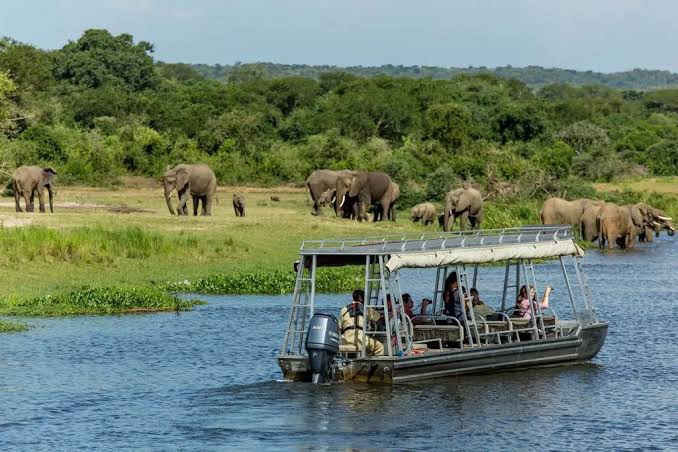
Rwanda Safari Holidays – What to Pack & Wear
Planning Rwanda Safari Holidays – What to Pack & Wear can feel difficult. Rwanda has warm savannahs, cool mountains, wet forests, and busy cities. Therefore, one type of clothing will not suit every part of your journey.
A game drive in Akagera National Park can feel warm and dusty. In contrast, a morning near Volcanoes National Park can feel cold and wet. Nyungwe Forest may also receive rain at any time. As a result, light layers are the best choice for most Rwanda safari holidays.
This complete guide explains what to pack and wear in Rwanda. It covers gorilla trekking, chimpanzee tracking, Akagera game drives, Kigali tours, Lake Kivu holidays, and cultural visits. In addition, it explains which shoes, bags, medicines, camera items, and travel documents to bring.
Most importantly, you do not need to pack too much. A few well-chosen clothes will keep your luggage light and your safari comfortable.
Quick Packing Guide for Rwanda Safari Holidays
For most Rwanda safari holidays, pack light shirts, long trousers, a warm sweater, and a waterproof jacket. You will also need comfortable walking shoes, sun protection, insect repellent, and a small daypack.
Gorilla and chimpanzee trekking require stronger clothing. Therefore, bring waterproof hiking boots, long sleeves, gloves, and trousers that protect your legs.
Akagera is warmer and more open. As a result, light clothes in brown, green, beige, or grey work well. However, official Rwanda travel advice recommends avoiding blue clothing in Akagera because it may attract tsetse flies.
Kigali has an informal but respectful dress style. Light trousers, dresses, skirts, shirts, and comfortable shoes are suitable. Meanwhile, evenings may feel cool, so carry a light sweater.
Understanding Rwanda’s Weather
Rwanda lies close to the Equator. However, much of the country sits at a high elevation. Therefore, temperatures are often milder than many visitors expect.
Days can feel warm and sunny. Evenings, however, may become cool. Mountain areas are colder than Kigali and Akagera.
Rain can fall in every month. Nevertheless, Rwanda normally has wetter and relatively drier periods.
June to September is often relatively dry. December to February may also receive less rain. In contrast, March to May is usually wetter. October and November can also bring frequent showers.
Still, weather patterns change. A dry-season morning can quickly become wet in Volcanoes or Nyungwe. Therefore, pack a light waterproof jacket throughout the year.
What Colours Should You Wear on a Rwanda Safari?
Neutral colours work well for most safari activities. Beige, brown, olive green, khaki, and grey are practical choices.
These colours do not show dust as quickly as white clothing. In addition, they are less noticeable during wildlife viewing.
Bright colours are fine in Kigali and at your lodge. However, they are less practical on game drives and forest walks.
White clothing can become dusty or muddy. Black clothes may also feel hot in direct sunlight.
Visit Rwanda advises travellers to avoid blue clothing in Akagera National Park because it can attract tsetse flies. Therefore, choose neutral shades for your wildlife safari.
Military-style camouflage should also be avoided. In many countries, camouflage clothing is linked with security services. Simple safari colours are a better option.
Rwanda Gorilla Safari Holidays – What to Pack & Wear
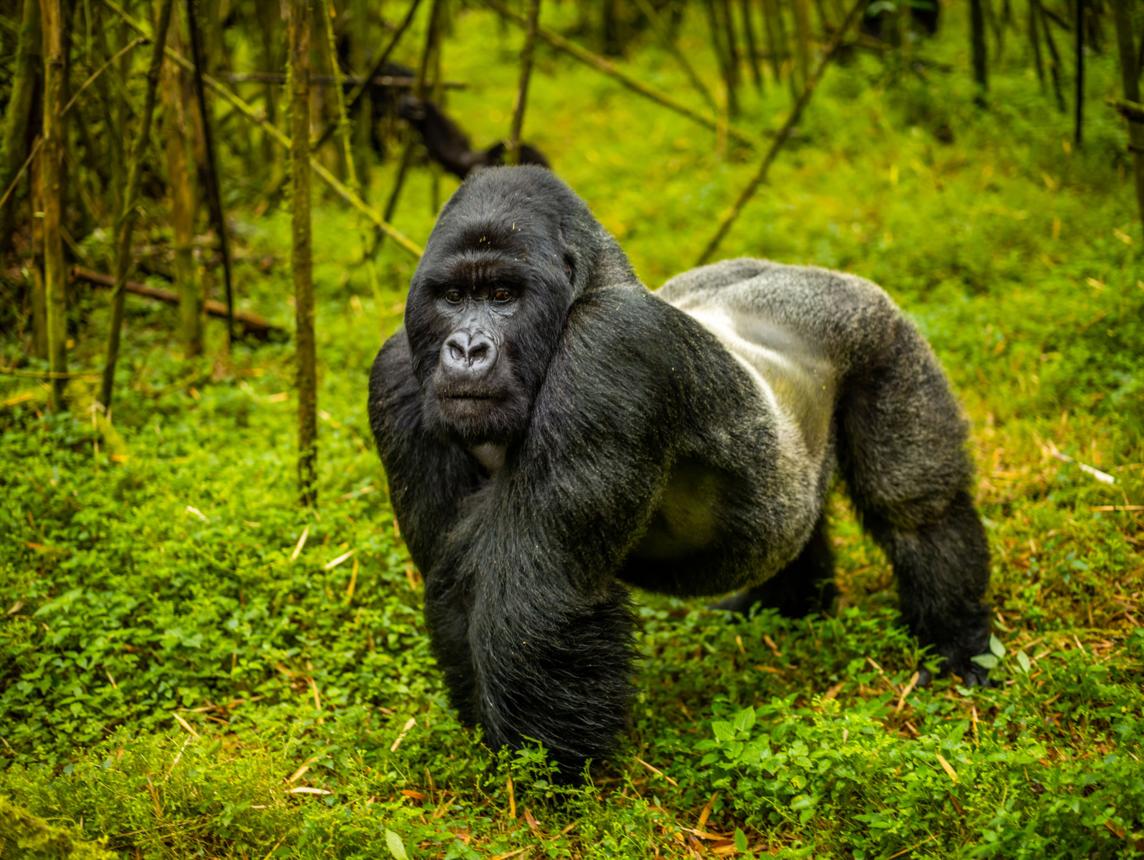
Gorilla trekking is the activity that needs the most careful preparation. The forest can be wet, thick, and steep. Moreover, the trekking route changes according to the gorillas’ location.
Official Visit Rwanda guidance recommends sturdy walking shoes, waterproof clothes, long sleeves, and gloves. These items help protect visitors from rain, mud, thick plants, and stinging nettles.
Waterproof Hiking Boots
Strong hiking boots are the most important item for gorilla trekking. Choose footwear with good grip and ankle support.
Forest paths may be muddy or slippery. Therefore, ordinary city shoes are not suitable.
Water-resistant or waterproof boots provide better comfort. However, they should also feel light enough for several hours of walking.
Wear your boots before travelling. New footwear may cause discomfort during a long trek. Instead, use them for several practice walks at home.
Pack an extra pair of normal shoes for the lodge. Your hiking boots may be wet or muddy after the trek.
Long Safari Trousers
Wear long trousers during gorilla trekking. They protect your legs from plants, insects, and mud.
Choose a light, quick-drying material. Heavy jeans can become uncomfortable when wet. Moreover, denim takes a long time to dry.
Stretch hiking trousers often provide better movement on steep ground. However, they should not be too loose around branches.
Many trekkers tuck their trousers into long socks. This helps protect the ankles from insects and small plants.
Long-Sleeved Shirt
A long-sleeved shirt protects your arms inside the forest. It should feel light and easy to move in.
Quick-drying materials work better than heavy cotton. Cotton can stay wet after rain or sweating.
Wear a short-sleeved base layer under the long shirt if you prefer. Then, remove one layer after leaving the forest.
Neutral colours are practical. Olive, brown, beige, and grey all work well.
Gardening or Trekking Gloves
Simple gardening gloves are useful for gorilla trekking. They protect your hands when you hold plants or touch the ground for balance.
Choose gloves that offer a good grip. Thick winter gloves may feel too warm and limit hand movement.
Leather or strong fabric gloves can also work. However, make sure they fit before packing them.
Waterproof Jacket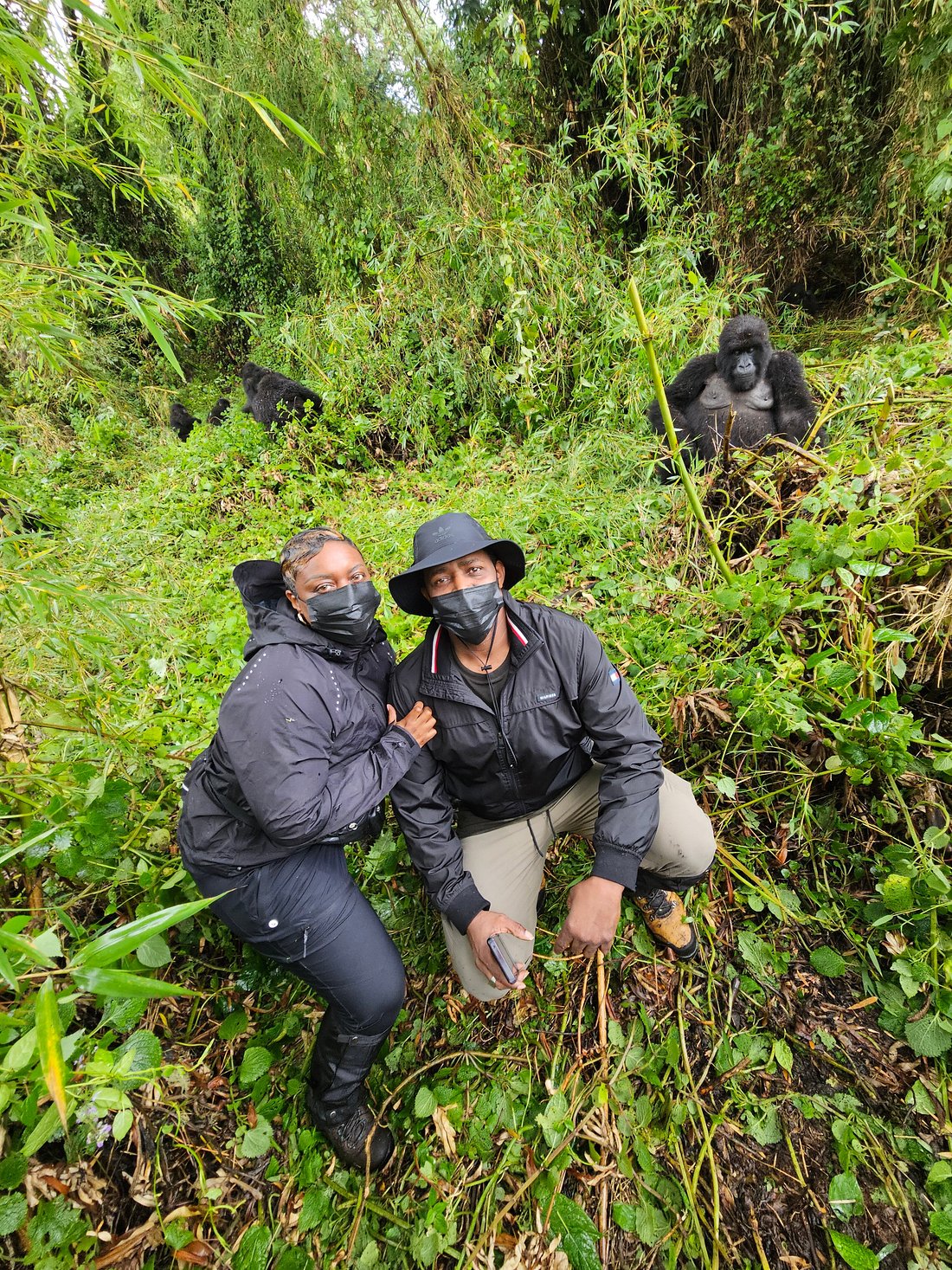
Rain may begin without much warning. Therefore, carry a lightweight waterproof jacket.
A breathable rain jacket is better than a heavy coat. You will become warm while climbing, even when the air feels cool.
Choose a jacket that packs into your day bag. In addition, make sure it covers your upper body well.
A small poncho may offer extra rain protection. However, loose material can catch on plants. A fitted rain jacket is often easier inside thick forest.
Gaiters and Long Socks
Gaiters cover the top of your boots and lower legs. They help keep mud, water, and small insects away from your socks.
Although gaiters are not always essential, they are useful during wet months. Some lodges may provide them. Therefore, ask before buying a new pair.
Long, comfortable socks are also important. Pack enough pairs to change after the trek.
Avoid very thin socks. A stronger hiking sock can reduce rubbing inside the boots.
Warm Layer for the Morning
Gorilla trekking days begin early. Since Volcanoes National Park is at a high elevation, mornings can feel cold.
Wear a light sweater or fleece during breakfast and the transfer to the briefing area. Later, place it inside your daypack when the walk becomes warmer.
Several thin layers are better than one heavy jacket. This allows you to adjust your clothing during the day.
What to Carry in Your Gorilla Trekking Daypack
A small waterproof daypack is enough for the trek. Avoid taking a large travel bag into the forest.
Inside the bag, carry water, a packed lunch, a waterproof jacket, sunscreen, insect repellent, and personal medicine. A camera, spare battery, and lens cloth may also be useful.
Keep your passport and permit details inside a waterproof pouch. In addition, protect your phone and camera from rain.
Your lodge will normally prepare a packed lunch. However, confirm this arrangement the evening before trekking.
Hire a porter to carry your daypack. Besides making the trek easier, porter work supports people who live near the park.
What to Wear for Golden Monkey Tracking
Golden monkey tracking also takes place in Volcanoes National Park. Therefore, the clothing is similar to gorilla trekking gear.
Wear hiking boots, long trousers, a long-sleeved shirt, gloves, and a rain jacket. Gaiters may also be useful.
Golden monkeys often move quickly through bamboo forest. As a result, visitors may walk through wet plants while following them.
The activity can feel less demanding than some gorilla treks. However, the route and weather still change. Therefore, arrive prepared for rain and mud.
What to Pack for Nyungwe National Park
Nyungwe is a mountain rainforest. It offers chimpanzee tracking, canopy walks, waterfalls, birding, and nature trails.
Rain is common in the forest. Moreover, temperatures may feel cool in the morning and evening.
Pack waterproof hiking boots or strong walking shoes. Long trousers and a long-sleeved shirt will protect your skin from plants and insects.
A light fleece provides warmth before and after activities. Meanwhile, a waterproof jacket protects you from sudden rain.
Take a small backpack for water, snacks, a camera, and personal items. In addition, use waterproof pouches for electronic equipment.
What to Wear for Chimpanzee Tracking
Chimpanzee tracking can involve fast walking. The chimps may move through the forest as visitors try to follow them.
Therefore, wear light clothes that allow free movement. Long trousers, long sleeves, and hiking boots are the best choice.
A hat may help in open parts of the trail. However, tree cover often blocks direct sunlight.
Carry a rain jacket even when the sky looks clear. Forest weather can change quickly.
What to Wear for the Nyungwe Canopy Walk
The canopy walkway is reached by a forest trail. Therefore, normal city shoes may not provide enough grip.
Wear closed walking shoes or hiking boots. Long trousers and a light jacket are also useful.
The walkway may feel cool and windy. As a result, a light sweater can add comfort.
Keep cameras and phones secure. A wrist strap or closed bag can prevent items from falling.
What to Wear in Akagera National Park
Akagera is warmer and drier than Rwanda’s mountain forests. Therefore, light and breathable clothing works best.
Wear neutral trousers or long shorts with a light shirt. Long sleeves can protect your arms from sun and insects.
Avoid heavy clothing during daytime drives. However, carry a sweater for early mornings and evenings.
Dust can enter open windows or safari roofs. As a result, white clothes may become dirty quickly.
A light scarf can protect your face from dust. Sunglasses are also useful on bright days.
Official Rwanda travel guidance recommends avoiding blue in Akagera. Instead, choose beige, olive, brown, khaki, or grey.
What Shoes Should You Wear in Akagera?
Comfortable closed shoes are suitable for most game drives. Since visitors spend much of the day inside a vehicle, heavy hiking boots are not always needed.
However, closed shoes are better than sandals at camps and lodges. They offer more protection from plants and insects.
Bring sandals or light shoes for your room. Still, avoid walking around outdoor lodge areas without suitable footwear after dark.
What to Wear on an Akagera Boat Safari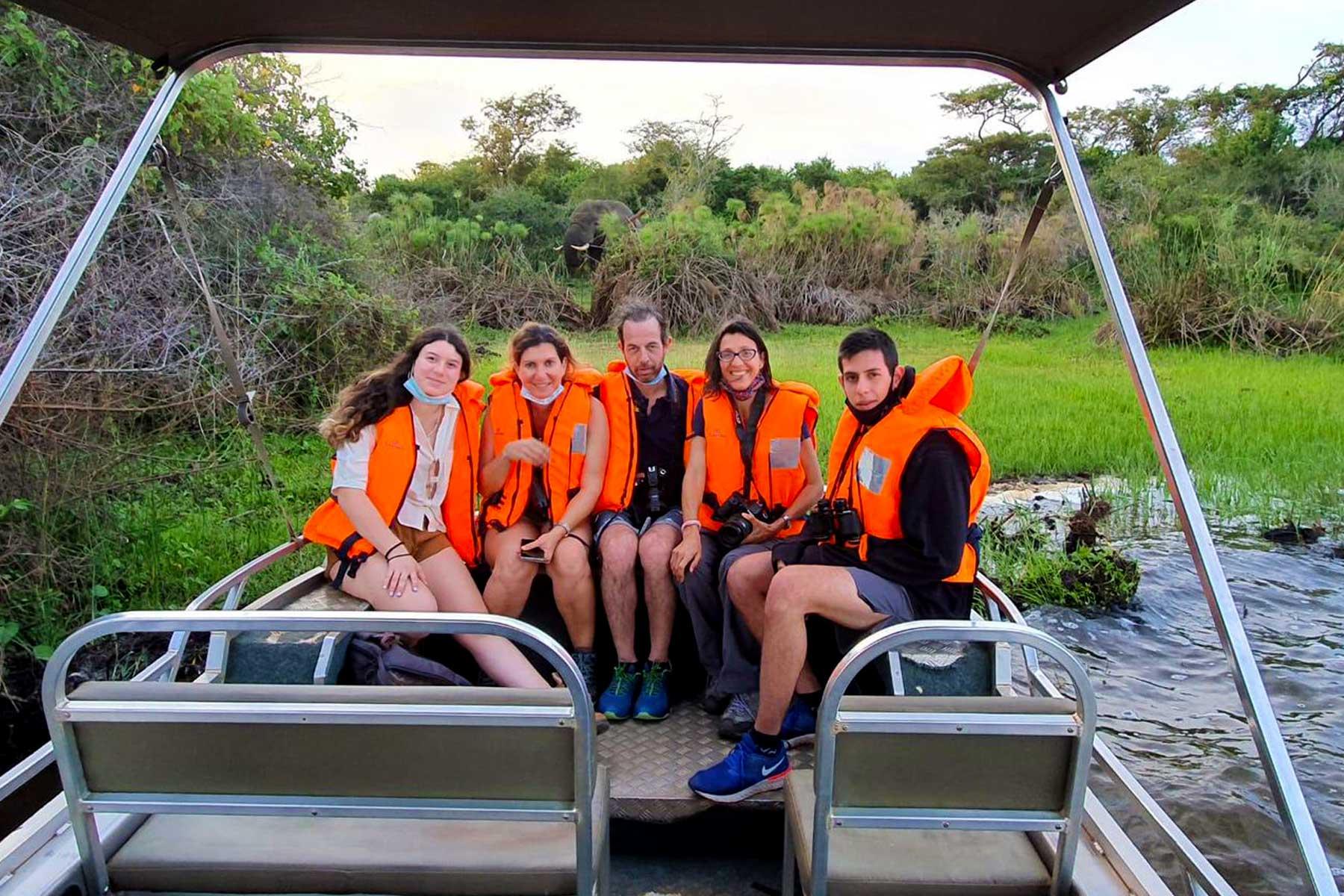
A boat trip on Lake Ihema can feel sunny and warm. Therefore, wear a hat, light shirt, sunglasses, and sunscreen.
Long sleeves can provide extra sun protection. In addition, carry a light waterproof jacket during the rainy months.
Choose shoes with a secure fit and good grip. Loose flip-flops are less practical when boarding the boat.
Keep your camera protected from water. A waterproof pouch can also protect your phone.
What to Wear on a Night Game Drive
Akagera may feel cool after sunset. Therefore, carry a fleece, sweater, or light jacket.
Long trousers and sleeves also protect against insects. Apply suitable insect repellent before the drive.
Avoid heavy perfume or strongly scented products. These can attract insects and may disturb other travellers.
What to Wear in Kigali
Kigali has a relaxed but respectful dress style. Lightweight trousers, shirts, skirts, and dresses are suitable.
Visit Rwanda advises that knee-length or longer clothing may feel more comfortable in many settings. Men often wear trousers, although neat shorts are acceptable in casual places.
Walking without a shirt is not considered respectful. In addition, very revealing clothes may feel unsuitable during cultural or memorial visits.
Comfortable walking shoes are important. Kigali is built across several hills, so city tours may include slopes.
A light sweater is useful in the evening. During the day, a hat and sunglasses provide sun protection.
For restaurants or business meetings, smart-casual clothing is a good choice. A simple shirt, blouse, dress, or clean trousers will normally be enough.
What to Wear at Kigali Genocide Memorial
The Kigali Genocide Memorial is a place of remembrance. Therefore, dress in a quiet and respectful way.
Knee-length or longer clothing is suitable. Shoulders should also be reasonably covered.
Comfortable shoes are useful because the visit may include outdoor gardens and walking areas.
Avoid clothing with offensive words or images. In addition, keep hats off inside indoor memorial spaces when requested.
What to Pack for Lake Kivu
Lake Kivu offers a more relaxed part of a Rwanda safari. Visitors can enjoy boat trips, kayaking, beach time, coffee tours, and walking.
Pack light clothes, swimwear, sandals, sunscreen, and sunglasses. A sun hat is also useful.
Evenings beside the lake may feel cool. Therefore, carry a sweater or light jacket.
For boat trips, wear shoes that will not slip easily. In addition, keep electronics inside a waterproof pouch.
A modest cover-up is useful when moving between the beach, hotel, and public areas. Swimwear is best kept for pools and approved beach areas.
For coffee tours or village walks, wear comfortable closed shoes. Farm paths can become muddy after rain.
What to Wear for Cultural and Community Visits
Rwanda’s cultural activities may include markets, villages, museums, art centres, and community projects.
Choose clean, simple, and respectful clothing. Knee-length or longer skirts, dresses, or shorts are often more suitable.
Light trousers and shirts also work well. However, avoid military-style camouflage and clothing with rude messages.
Ask permission before photographing people. Moreover, listen to your guide’s advice about local customs.
Comfortable walking shoes are useful because roads and paths may be uneven.
What to Wear During Rwanda’s Dry Seasons
June to September is often relatively dry. December to February may also bring lower rainfall.
During these months, pack light shirts, trousers, and sun protection. However, do not leave your rain jacket at home.
Mountain forests can receive rain throughout the year. In addition, Volcanoes and Nyungwe may feel cool.
Akagera can become warm and dusty. Therefore, light neutral clothes work best there.
A sweater remains useful for early game drives, highland lodges, and cool evenings.
What to Wear During Rwanda’s Wet Seasons
March to May is usually Rwanda’s main wet period. October and November may also bring frequent rain.
During wetter months, bring a good rain jacket, waterproof boots, gaiters, and quick-drying clothes.
Avoid heavy cotton and denim for forest activities. These materials can remain wet for a long time.
Pack extra socks so that you can change after hiking. In addition, use waterproof bags for documents and electronics.
A small travel umbrella can help in Kigali. However, it is less practical inside a thick forest.
Choosing the Right Safari Luggage
Soft-sided travel bags are often easier to carry than hard suitcases. They also fit better inside safari vehicles.
If your itinerary includes a small domestic or regional aircraft, baggage limits may apply. Therefore, check the airline’s rules before packing.
A medium duffel bag works well for most safari holidays. In addition, carry a small backpack for daily activities.
Use packing cubes or light fabric bags to organise clothes. However, avoid banned plastic carry bags and restricted single-use plastic items.
Rwanda banned plastic carry bags and controls several single-use plastic products. As a result, travellers should use cloth, paper, or reusable bags.
A small lock can help protect your main luggage. Nevertheless, keep passports, money, cameras, and medicine in your hand luggage.
Travel Documents to Pack
Carry your passport, visa information, flight tickets, travel insurance, and safari confirmation.
Gorilla or chimpanzee permit details should also be easy to reach. Your operator may hold the main booking documents, but carrying a copy is useful.
Keep printed and digital copies of important documents. However, store the copies separately from the originals.
A yellow-fever vaccination certificate may be required based on current entry rules and your travel route. Therefore, confirm health requirements before departure.
Keep emergency contact details with your documents. These should include your tour operator, insurance company, hotel, and family contact.
Health and Personal Items
Pack any regular medicine in your hand luggage. In addition, carry enough for the full trip.
Bring a small personal first-aid kit. It may include plasters, basic pain relief, antiseptic wipes, and any items advised by your doctor.
Insect repellent is important for Akagera, Lake Kivu, and other areas. Sunscreen is also useful throughout the country.
Hand sanitiser and tissues can help during long road transfers. However, use reusable or approved packaging where possible.
Ask a qualified travel-health professional about vaccines and malaria prevention. Advice depends on your health, travel route, and country of departure.
Sun and Insect Protection
Rwanda’s mild air can hide the strength of the sun. Therefore, use sunscreen even when temperatures feel comfortable.
A wide-brimmed hat protects your face and neck. Sunglasses with good UV protection are also useful.
Long sleeves and trousers help reduce insect bites. In addition, apply suitable repellent according to the product instructions.
Where provided, use mosquito nets correctly. Keep doors and window screens closed during the evening.
Avoid strongly scented body products on forest and wildlife activities. Unscented options are usually more practical.
Camera and Electronic Equipment
Pack a camera that you understand well. Complicated new equipment may reduce your enjoyment.
A spare battery is useful because long activities may not offer charging points. In addition, carry extra memory cards.
Forest light can be low. Therefore, learn how to adjust your camera without using flash.
Flash photography is not permitted during gorilla trekking. Turn off the flash before entering the viewing area.
A lens cloth helps in wet or dusty conditions. Moreover, a rain cover protects your camera in Volcanoes and Nyungwe.
Bring the correct charging cables and a suitable travel adaptor. A power bank may also help during long drives.
Binoculars for a Rwanda Safari
Binoculars improve game drives and birdwatching. They are especially useful in Akagera and Nyungwe.
A light pair is easier to carry than a large model. However, choose binoculars that provide a clear image.
Keep them inside a protective case during road journeys. Dust and moisture can affect the lenses.
Some guides carry binoculars. Nevertheless, having your own pair gives you more time to view wildlife.
Laundry and Repeating Clothes
Many safari lodges offer laundry. However, service times and prices vary.
Some properties may not wash certain personal clothing items. Therefore, ask about the policy after arrival.
Quick-drying clothes can be washed and reused. As a result, you do not need a new outfit for every day.
Neutral safari clothing is easy to repeat. A small number of shirts and trousers can cover a long itinerary.
Bring a separate reusable bag for dirty clothes. Avoid using banned plastic carry bags.
What Not to Pack for Rwanda
Do not bring plastic carry bags or restricted single-use plastic items. Rwanda has strict environmental rules.
Large amounts of jewellery are also unnecessary. Instead, leave expensive items at home when possible.
Avoid packing too many clothes. Heavy luggage can make vehicle transfers harder.
Military-style camouflage is not a good choice. In addition, blue clothing is less suitable for Akagera.
Do not bring a drone unless you have checked and received every required approval. Drone use is controlled, especially near national parks, airports, and security areas.
Flash photography equipment is unnecessary for gorilla trekking. Rangers will not allow flash near the gorillas.
Packing for a Luxury Rwanda Safari
Luxury lodges are comfortable, but formal clothing is rarely required.
Smart-casual clothes work well for dinner. A light dress, blouse, shirt, or clean trousers will normally be enough.
Gorilla trekking still requires proper forest gear. A luxury lodge cannot remove the need for hiking boots, gloves, and waterproof clothes.
Many high-end lodges provide laundry, rain gear, gaiters, or walking sticks. However, services differ. Therefore, ask what is included before packing.
A small smart-casual outfit is enough for Kigali restaurants and lodge dinners. There is no need to bring several formal outfits.
Packing for a Budget Rwanda Safari
Budget travellers should focus on useful clothing that can be washed and worn again.
Choose quick-drying shirts, light trousers, strong walking shoes, and a waterproof jacket.
A reusable water bottle can reduce waste. However, fill it only with safe drinking water.
Bring a power bank because some smaller lodges may have limited charging times.
Laundry may be available at an extra cost. Therefore, pack a small amount of travel detergent if your accommodation allows handwashing.
Packing for a Family Rwanda Safari
Families should pack layers for each traveller. Children may feel cold during early drives or mountain evenings.
Bring sun hats, rain jackets, comfortable shoes, and personal medicine. In addition, carry simple snacks for long journeys where allowed.
Gorilla trekking has a minimum age requirement. Therefore, younger children need a planned alternative activity and suitable clothing for that programme.
Place one change of clothes in each person’s hand luggage. This can help if checked bags are delayed.
Avoid overpacking toys or heavy equipment. A few travel-friendly items are usually enough.
Packing for a Solo Rwanda Safari
Solo travellers should keep luggage light and easy to carry.
Use one main bag and one daypack. In addition, keep copies of documents in a separate secure place.
Share your flight details and arrival plan with your tour operator. Your airport pickup information should also be easy to find.
Carry the local contact number for your driver-guide. However, avoid displaying personal documents or large amounts of cash.
A portable charger can help during long drives. Moreover, a small luggage lock adds extra security.
Packing for a Rwanda and Uganda Safari
A combined Rwanda and Uganda trip may include two gorilla forests, long road transfers, and border crossings.
Pack the same strong trekking clothes for both countries. However, take enough socks and shirts for a second forest activity.
Keep your passport, visa papers, vaccination documents, and vehicle information easy to reach at the border.
Uganda’s roads may be rougher on some routes. Therefore, soft-sided luggage is often easier to manage.
A sweater is useful in Bwindi and Mgahinga. Meanwhile, light clothing suits lower savannah areas.
Packing for a Rwanda and Tanzania Safari
A Rwanda and Tanzania trip combines cool mountain forests with warm open plains.
For Rwanda, bring hiking boots, gloves, long sleeves, and rain protection. For Tanzania, pack light neutral clothes, a hat, and comfortable safari shoes.
Domestic flights may have strict baggage limits. Therefore, use a soft bag and confirm the allowed weight.
Dust protection is more important in Tanzania’s dry parks. A scarf, lens cloth, and camera cover can help.
One warm layer remains useful for early game drives and highland areas such as Ngorongoro.
Sample Seven-Day Rwanda Packing Plan
For a seven-day trip, three or four light shirts are usually enough. Add two pairs of safari trousers and one comfortable city outfit.
Pack one warm sweater, one waterproof jacket, and one set of proper gorilla trekking clothes.
Bring hiking boots for the forest. In addition, take comfortable walking shoes and sandals for the lodge.
Several pairs of socks and underclothes will complete the clothing plan. Since many lodges offer laundry, you can repeat items.
Add a hat, sunglasses, gloves, insect repellent, sunscreen, and a small daypack.
Final Rwanda Safari Holidays Packing Advice
Packing for Rwanda becomes easier when you plan around your activities.
For gorilla trekking, focus on protection. Waterproof boots, long trousers, long sleeves, gloves, and a rain jacket are essential.
Akagera requires light and neutral safari clothing. In contrast, Nyungwe needs hiking shoes and rain protection.
Kigali calls for simple but respectful clothes. Lake Kivu, meanwhile, suits light holiday wear and a warm evening layer.
Pack less than you think you need. Quick-drying clothes can be washed and worn again.
Most importantly, use layers. Rwanda’s temperatures change between parks, elevations, and times of day. A light shirt, sweater, and waterproof jacket will cover most conditions.
Plan Your Rwanda Safari Holiday With Universal Ventures Rwanda
Universal Ventures Rwanda organises private and tailor-made safari holidays across Rwanda and Uganda.
Our team can arrange gorilla permits, chimpanzee permits, Akagera game drives, Lake Ihema boat trips, Kigali tours, Nyungwe activities, Lake Kivu holidays, accommodation, and airport transfers.
In addition, we provide private four-wheel-drive vehicles and professional English-speaking driver-guides.
Before your arrival, we can advise you about the clothes and equipment needed for your chosen activities. Therefore, you can pack with confidence.
Universal Ventures Rwanda
Address: KK 15 Road, Kigali, Rwanda
Telephone/WhatsApp: +250 781 441 853
Email: info@universalventuresrwanda.com
Contact Universal Ventures Rwanda for a Rwanda safari holiday designed around your dates, interests, and budget.

Related Posts


Comments (0)