 Skip to content
A Luxury Rwanda Gorilla and Big Five Safari combines two of Africa’s most sought-after wildlife…
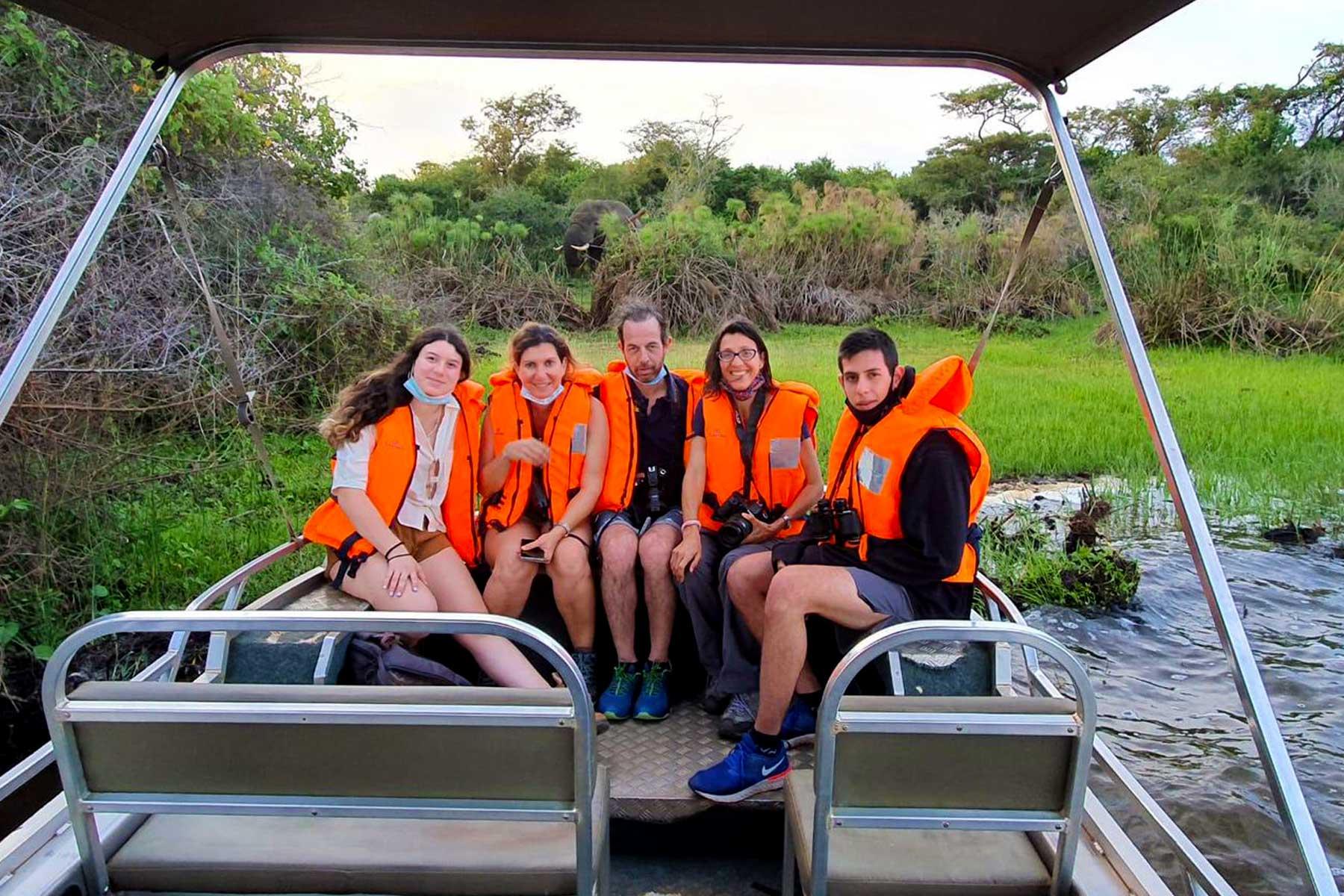
Rwanda Safari Experience – Why Rwanda Is Africa’s Rising Star
A Rwanda safari experience is unlike any other journey in Africa. Within a relatively small and easy-to-explore country, travellers can track mountain gorillas, search for the Big Five, walk through an ancient rainforest, watch chimpanzees and relax beside Lake Kivu. They can also discover Rwanda’s living culture, conservation achievements and famously beautiful hills.
For many years, Rwanda was mainly known as a gorilla trekking destination. Today, however, its tourism offering is much broader. Akagera National Park has regained its position as a Big Five reserve. Nyungwe National Park protects one of Africa’s oldest mountain rainforests. Gishwati-Mukura National Park provides quiet forest adventures, while Volcanoes National Park remains one of the world’s leading mountain gorilla destinations.
This transformation is supported by measurable tourism growth. Rwanda welcomed approximately 1.49 million visitors in 2025, while tourism revenue reached USD 685 million. That represented increases in both arrivals and earnings compared with 2024, according to the Rwanda Development Board.
Nevertheless, numbers alone do not explain Rwanda’s growing appeal. The country combines valuable wildlife encounters with short travel distances, strong conservation policies, professional tourism services and a wide choice of accommodation. As a result, it attracts honeymooners, photographers, solo travellers, families, luxury travellers and visitors planning their first African safari.
This guide explores why Rwanda is becoming one of Africa’s most exciting safari destinations. It covers national parks, wildlife, gorilla trekking, chimpanzee tracking, accommodation, costs, travel seasons and sample itineraries.
Why the Rwanda Safari Experience Is Different
Africa has many famous safari destinations. Kenya is known for the Maasai Mara, Tanzania for the Serengeti and Uganda for its varied primate and wildlife circuits. Rwanda does not need to copy these destinations. Instead, it offers a compact and highly distinctive safari model.
The country’s main advantage is variety within a manageable area. A visitor can land at Kigali International Airport, explore the capital and reach several major attractions by road. Therefore, travellers spend less time on domestic flights and very long transfers.
A complete journey may combine: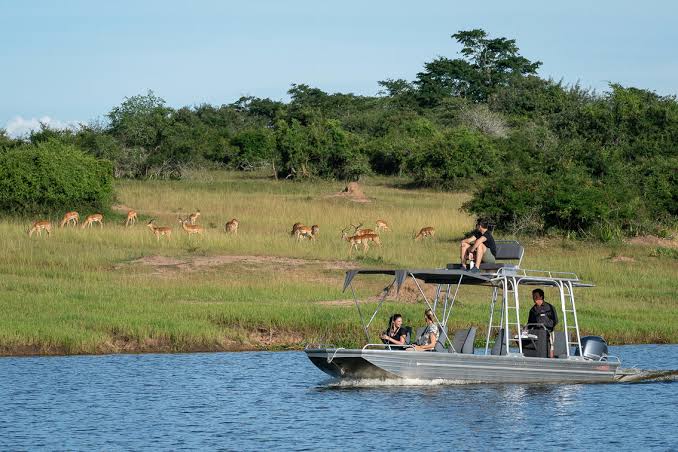
- Mountain gorilla trekking in Volcanoes National Park
- Golden monkey tracking
- Big Five game drives in Akagera National Park
- Chimpanzee trekking in Nyungwe National Park
- Forest adventures in Gishwati-Mukura
- Birdwatching across several ecosystems
- Boat safaris on Lake Ihema
- Lake Kivu boat trips and relaxation
- Tea and coffee experiences
- Cultural and community visits
- Kigali history and art tours
- Luxury, midrange or budget accommodation
Furthermore, Rwanda places conservation at the centre of its tourism identity. Wildlife experiences are carefully managed, visitor numbers are controlled in sensitive habitats and tourism revenue helps support protected areas and surrounding communities.
Rwanda Safari Experience and Tourism Growth
Rwanda’s rise as a safari destination has not happened by accident. It is the result of conservation work, tourism investment, improved hospitality and the development of experiences beyond gorilla trekking.
In 2024, Rwanda generated USD 647 million from tourism and welcomed 1.36 million visitors. Gorilla tourism revenue rose by 27% during that year. In 2025, tourism revenue increased to USD 685 million, supported by approximately 1.49 million visitor arrivals. These figures show sustained demand rather than a temporary increase. Rwanda Development Board
Rwanda’s national parks have also recorded encouraging results. Akagera became the first park in the African Parks network to cover its operating costs fully through self-generated revenue in 2025. This achievement demonstrates how responsible tourism can help finance conservation. African Parks
Nyungwe has continued to expand its tourism offering as well. Newer activities include a canopy zipline and rope course, adding more adventure options to the park’s established chimpanzee trekking, hiking and canopy walkway experiences. African Parks
Therefore, calling Rwanda a rising star is not simply a marketing phrase. Visitor growth, park restoration, new tourism products and conservation financing all support that description.
Mountain Gorillas: The Heart of a Rwanda Safari Experience
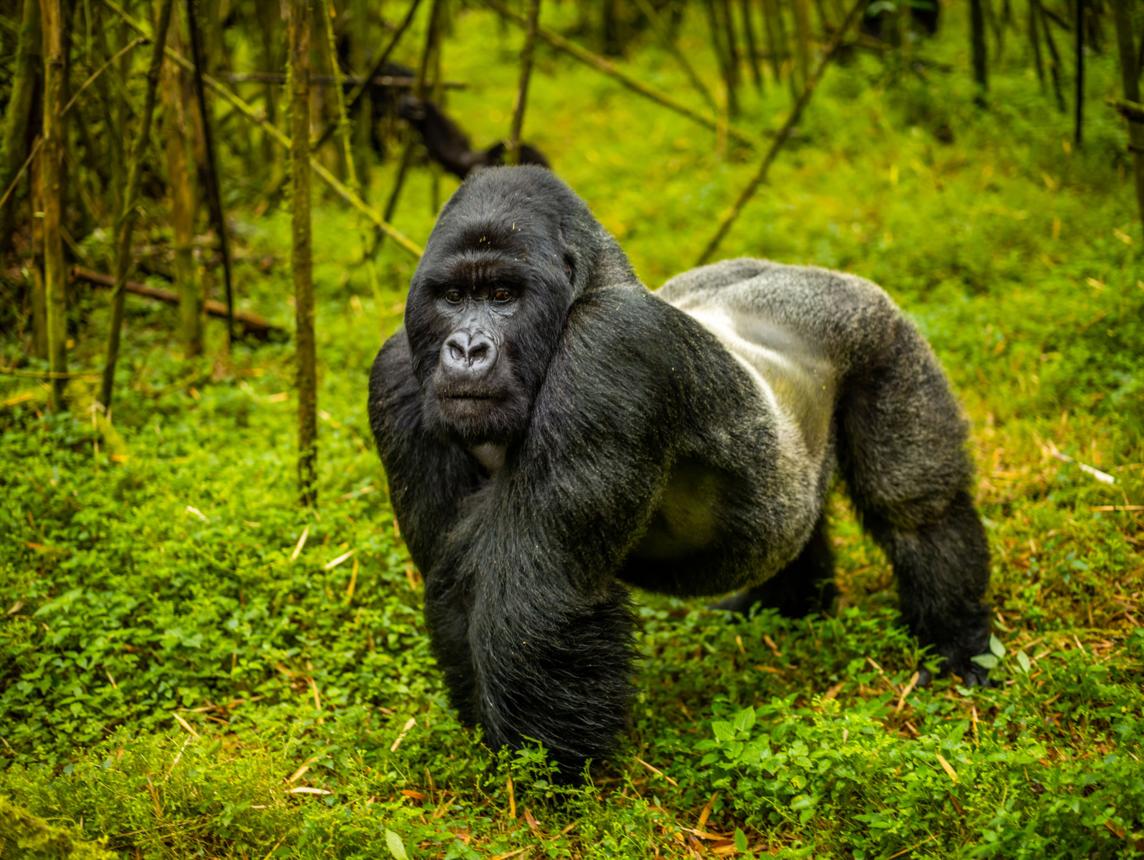
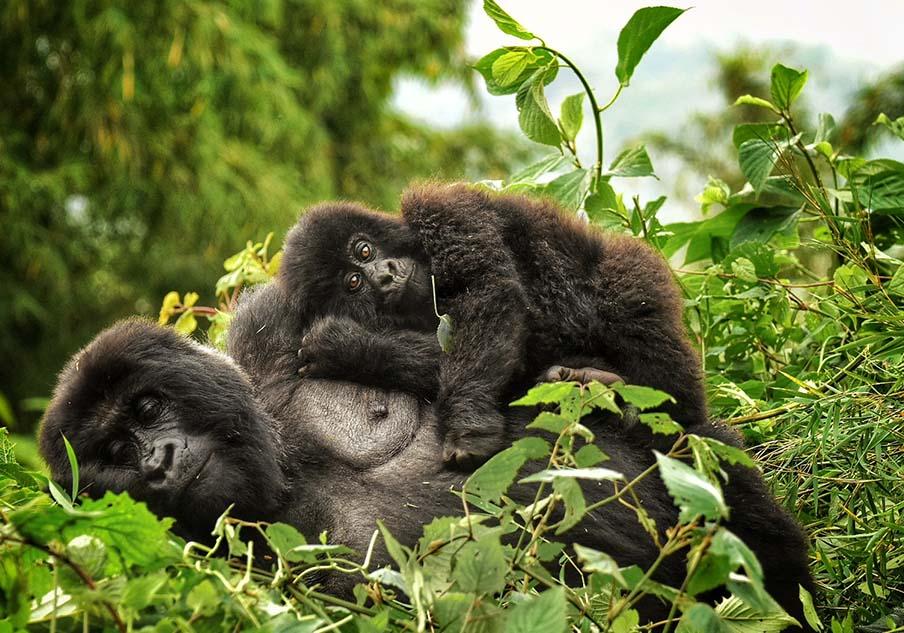
Mountain gorilla trekking remains Rwanda’s most famous tourism activity. It takes place in Volcanoes National Park, located in the country’s northwest near Musanze.
The park protects Rwanda’s section of the Virunga Massif. Its dramatic landscape includes bamboo forest, montane vegetation, swamps and several volcanic peaks. These include Karisimbi, Bisoke, Muhabura, Gahinga and Sabyinyo.
What Happens During Gorilla Trekking?
The day normally begins early. Visitors travel to the park headquarters in Kinigi, where they register and attend a briefing. Rangers explain trekking procedures, gorilla behaviour and health rules.
Participants are then placed into small groups and assigned a habituated gorilla family. Where possible, the allocation considers fitness and mobility. However, the gorillas move freely, so the length and difficulty of each trek cannot be guaranteed.
The walk may take less than an hour or continue for several hours. Trails can be steep, wet and muddy. Once the gorillas are located, visitors follow the ranger’s instructions and observe the family for the permitted viewing period.
The official tourism authority states that only eight visitor permits are issued per habituated gorilla family each day. This controlled approach helps keep encounters small and limits disturbance. The standard international permit is USD 1,500 per person, and participants must be at least 15 years old. Visit Rwanda
Why Gorilla Trekking in Rwanda Is Popular
Rwanda’s gorilla destination is relatively accessible from Kigali. Travellers can drive from the capital to the Volcanoes region in about two and a half to three hours, depending on traffic and the location of their lodge.
This makes several itineraries possible:
- A one-day gorilla trek from Kigali
- A two-day express gorilla safari
- A three-day gorilla and golden monkey tour
- A longer Rwanda wildlife circuit
- A Rwanda–Uganda combined primate safari
The shorter distance is especially valuable for travellers with limited time. It also makes Rwanda suitable for visitors adding gorilla trekking before or after a conference, business trip or safari elsewhere in East Africa.
Other Activities in Volcanoes National Park
Volcanoes National Park offers more than gorillas. Visitors can also choose:
- Golden monkey tracking
- Mount Bisoke hiking
- Mount Karisimbi hiking
- Dian Fossey Tomb hike
- Birdwatching
- Nature walks
- Cultural experiences
- Twin Lakes excursions
- Visits to conservation centres
The official Volcanoes National Park guide highlights the park’s mountain gorillas, golden monkeys and rich birdlife. These additional experiences encourage travellers to spend two or three nights in the region instead of leaving immediately after the gorilla trek.
Akagera National Park: Rwanda’s Big Five Success Story
A modern Rwanda safari experience can include a classic savannah adventure. Akagera National Park lies in eastern Rwanda along the border with Tanzania. It protects open plains, woodland, wetlands, rolling hills and a network of lakes.
The return of lions and rhinos restored Akagera’s Big Five status. Today, visitors can search for lions, leopards, elephants, buffaloes and rhinos during guided or self-drive safaris.
Wildlife in Akagera
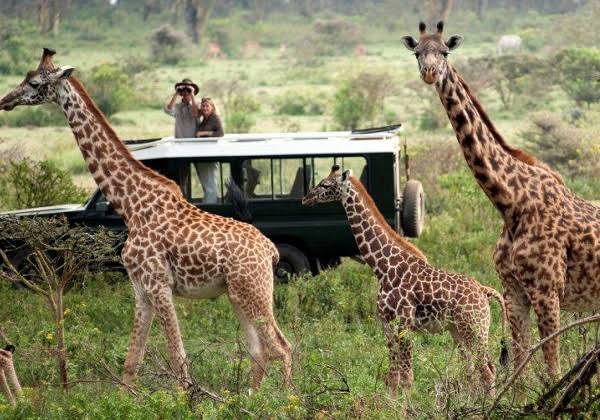
Beyond the Big Five, Akagera supports many other species. Common or possible sightings include:
- Giraffes
- Zebras
- Topis
- Impalas
- Waterbucks
- Warthogs
- Elands
- Hippos
- Crocodiles
- Baboons
- Vervet monkeys
- Spotted hyenas
- Numerous bird species
Wildlife sightings are never guaranteed. Nevertheless, spending at least two nights near or inside the park provides more opportunities than a rushed day trip.
Game Drives in Akagera
Game drives can be arranged for a half day or full day. A full-day drive is often the better choice because the park is large and contains several distinct habitats.
Morning drives offer cooler temperatures and active wildlife. Afternoon light, however, can be excellent for photography. Travellers staying inside or close to the park may combine multiple drives during a two- or three-night visit.
A northbound drive is particularly scenic because the northern plains support large concentrations of grazing animals. Meanwhile, lakes and wetlands provide opportunities to observe hippos, crocodiles and waterbirds.
Lake Ihema Boat Safari
A boat safari on Lake Ihema adds another dimension to the Akagera experience. Visitors may see hippos, crocodiles and birds from the water. Elephants, buffaloes and antelopes sometimes approach the shoreline as well.
Morning and sunset boat departures are popular. However, exact schedules depend on park operations and availability.
Akagera’s Conservation Transformation
Akagera is an important example of wildlife restoration. The Rwanda Development Board and African Parks established a management partnership in 2010. Since then, conservation, community engagement, law enforcement and tourism development have helped restore the park.
In 2024, Akagera generated more than USD 4.7 million in park revenue, with tourism activities responsible for most of that income. It then reached full coverage of operating costs through self-generated revenue in 2025. African Parks
This means a visit to Akagera contributes to more than an enjoyable game drive. Tourism also helps finance wildlife protection, park management and community programs.
Nyungwe: Chimpanzees, Rainforest and Adventure
Nyungwe National Park offers a dramatic contrast to Akagera. Instead of open savannah, travellers enter a mountainous rainforest filled with tall trees, vines, streams and mist-covered valleys.
The forest is home to chimpanzees and many other primates. It also protects significant bird, butterfly and plant diversity. The Visit Rwanda national-parks guide describes Nyungwe as one of Africa’s oldest rainforests and notes that it supports chimpanzees and numerous other primate species.
Chimpanzee Trekking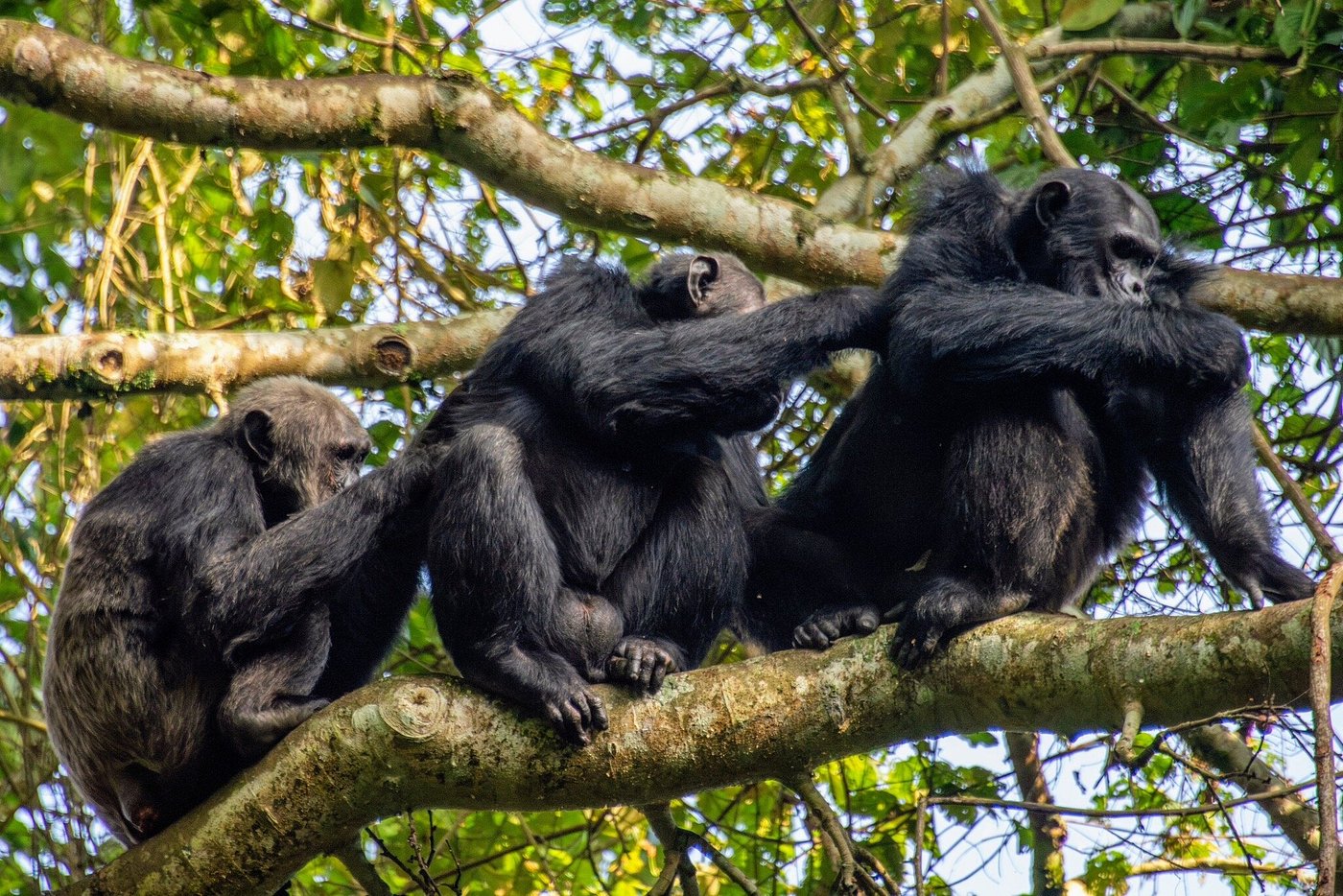
Chimpanzee trekking normally begins early in the morning. Visitors meet rangers at a designated briefing point before entering the forest.
Tracking may require energetic walking. Chimpanzees can move quickly, communicate loudly and travel through the upper canopy. Therefore, the experience is different from gorilla trekking.
Gorillas often remain on or near the ground, while chimpanzees may move through trees. Visitors may hear their calls before seeing them.
Strong footwear, long trousers, rain protection and a moderate level of fitness are helpful. Hiring a porter can also make the activity more comfortable.
Colobus Monkey Tracking
Nyungwe is known for its black-and-white colobus monkeys. A guided colobus trek provides another valuable primate experience, particularly for visitors spending several nights in the forest.
Large groups may move through the canopy, creating excellent opportunities to observe social behaviour. However, viewing conditions depend on vegetation and the monkeys’ location.
The Canopy Walkway
The canopy walkway is one of Nyungwe’s best-known attractions. Visitors follow a forest trail before reaching the suspended bridge above a valley.
The walkway offers broad views across the treetops. Monkeys and birds may be visible, although the landscape itself is the main attraction.
Visitors who dislike heights should discuss the activity with their guide before booking. The forest trail can still be enjoyed without completing the full suspended section.
Hiking and Waterfall Trails
Nyungwe contains numerous guided trails. These range from shorter nature walks to demanding full-day hikes.
Possible experiences include:
- Waterfall hikes
- Birdwatching trails
- Forest ecology walks
- Multi-day hiking routes
- Tea-estate walks
- Primate-focused trails
- Canopy adventures
Trail difficulty varies. Consequently, travellers should select a route that matches their fitness and available time.
Tea Experiences Near Nyungwe
Tea plantations create a beautiful green landscape near the forest. A guided tea experience can explain how leaves are picked, processed and prepared.
This activity is less demanding than trekking. Therefore, it works well during the afternoon following an early chimpanzee excursion.
Gishwati-Mukura: Rwanda’s Quiet Forest Destination
Gishwati-Mukura is Rwanda’s fourth national park. It consists of two separate forest areas in the country’s west. Although it is less famous than Volcanoes or Nyungwe, it adds depth to a complete Rwanda wildlife itinerary.
The park protects chimpanzees, golden monkeys, blue monkeys, L’Hoest’s monkeys and forest birds. Its guided activities may include nature walks, primate tracking, birdwatching and waterfall visits.
Why Visit Gishwati-Mukura?
The park’s greatest attraction is its quiet atmosphere. Visitor numbers are lower, and the experience feels more intimate.
Gishwati-Mukura also tells an important conservation story. The forests were affected by human pressure, but protection and restoration efforts are helping recover the landscape.
Travellers should approach the park with realistic expectations. Its smaller chimpanzee population can be more difficult to find than the habituated groups commonly visited in Nyungwe. Nevertheless, the forest remains valuable for nature enthusiasts, birdwatchers and returning visitors seeking an unusual destination.
Planning a Gishwati Visit
Accommodation and tourism services are more limited than in Rwanda’s larger parks. As a result, activities should be booked in advance.
Gishwati can be included between Nyungwe, Lake Kivu and Volcanoes National Park. This creates an efficient western circuit without excessive backtracking.
Lake Kivu: The Relaxing Side of a Rwanda Safari
Lake Kivu is not a national park, yet it is one of Rwanda’s most attractive tourism regions. The lake stretches along the country’s western border and offers beaches, islands, fishing communities and mountain views.
Popular lakeside destinations include Karongi, Rubavu and Rusizi. Each provides a different atmosphere.
Karongi is known for its peaceful bays and islands. Rubavu offers more hotels and easy access to the Volcanoes region. Rusizi can be combined with Nyungwe National Park.
Lake Kivu Activities
Visitors may choose:
- Scenic boat trips
- Island visits
- Kayaking
- Coffee experiences
- Community visits
- Guided cycling
- Sections of the Congo Nile Trail
- Fishing-culture experiences
- Lakeside relaxation
- Birdwatching
A Lake Kivu stay is particularly useful after chimpanzee or gorilla trekking. It gives travellers time to rest before continuing to another region.
Kigali: More Than a Safari Gateway
Kigali is often treated only as an arrival and departure point. However, the city deserves at least one full day.
Rwanda’s capital is built across green hills and offers museums, memorial sites, galleries, markets, restaurants and modern hotels. It also provides essential historical and cultural context for the rest of the journey.
Kigali Genocide Memorial
The Kigali Genocide Memorial is one of the city’s most important places. The visit explains Rwanda’s history and commemorates victims of the 1994 Genocide against the Tutsi.
Visitors should allow enough time and approach the experience respectfully. It is better to avoid rushing directly from the memorial to a light entertainment activity.
Art and Creative Experiences
Kigali has an active creative sector. Travellers can visit galleries, craft centres and studios. These experiences introduce contemporary Rwanda and support local artists.
Markets and Local Food
A guided market visit offers insight into everyday life, produce and local trade. Travellers may also include a cooking experience or meal featuring Rwandan dishes.
Kigali’s restaurant scene ranges from casual local dining to international and fine-dining options.
Rwanda’s Culture Adds Meaning to the Safari
Wildlife may attract visitors to Rwanda, but cultural encounters often become an equally memorable part of the trip.
Rwanda has a strong tradition of music, dance, storytelling, cattle culture, craftwork and community cooperation. Responsible cultural programs allow visitors to learn from local hosts rather than simply watch a staged performance.
Possible cultural experiences include:
- Traditional dance and drumming
- Basket weaving
- Local food preparation
- Coffee farming
- Tea production
- Community walks
- Cattle and agricultural traditions
- Art workshops
- Historical museums
- Conservation-community projects
Travellers should select cultural activities that clearly benefit participating communities. A reputable local operator can help identify responsible programs.
Why Rwanda Is Ideal for Luxury Safaris
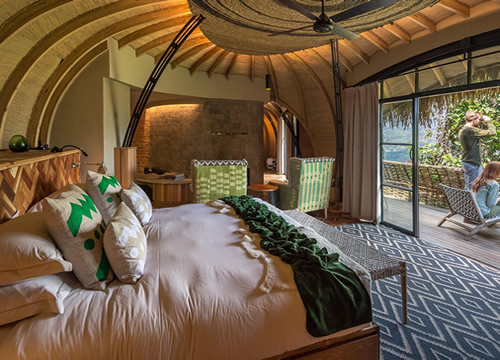
Rwanda has developed a strong position in Africa’s luxury travel market. Premium lodges are available near Volcanoes, Nyungwe and Akagera National Parks.
Luxury in Rwanda is not limited to large rooms or expensive design. The strongest properties combine privacy, personal service, excellent food, conservation and a close connection to the surrounding landscape.
A luxury Rwanda itinerary may include:
- Private airport assistance
- Exclusive 4×4 transport
- An experienced private driver-guide
- Premium lodges
- Private dining
- Spa treatments
- Conservation experiences
- Flexible daily schedules
- Helicopter transfers on selected routes
- Private boat trips
- Professional photography support
Even on a luxury trip, road travel remains valuable. Driving through the countryside reveals Rwanda’s hills, farms, villages and changing landscapes.
Rwanda Safari Experience for Midrange Travellers
Rwanda is often presented as an exclusively high-end destination because of the gorilla permit price. However, accommodation and transportation can be adjusted to create a comfortable midrange journey.
Midrange lodges usually provide:
- Private rooms
- En-suite bathrooms
- Restaurant service
- Breakfast or full-board meals
- Reliable hot water
- Comfortable locations near activities
- Helpful local staff
The main permit costs remain the same regardless of accommodation level. Therefore, choosing a midrange lodge can reduce the total trip price without changing the gorilla encounter.
Groups of two to six people also save money by sharing the cost of a private vehicle and guide.
Rwanda Safari Experience for Solo Travellers
Rwanda works well for solo travellers who prefer an organized private tour. A driver-guide provides transport, information and logistical support throughout the journey.
Solo travel offers several advantages:
- A flexible pace
- Personalized activities
- Easier photography stops
- Freedom to choose accommodation
- Private guiding
- Direct assistance throughout the trip
However, a solo safari often costs more per person because transport expenses are not shared. Joining a scheduled small group may reduce costs, although departure dates and routes are less flexible.
Rwanda Safari Experience for Families
Families can combine Akagera game drives, Lake Kivu, Kigali and selected nature activities. Nevertheless, age restrictions apply to gorilla and chimpanzee trekking.
The official minimum age for gorilla trekking is 15. Families travelling with younger children should plan alternative activities during the trek.
Possible family-friendly experiences include:
- Akagera game drives
- Lake Ihema boat safaris
- Lake Kivu boat trips
- Cultural visits
- Art workshops
- Nature walks
- Conservation education
- Kigali city tours
- Lodge-based activities
Family rooms and connected rooms should be booked early, particularly during peak travel periods.
Rwanda Safari Experience for Honeymoons
Rwanda is an excellent destination for couples seeking wildlife, privacy and beautiful landscapes.
A honeymoon itinerary may combine gorilla trekking with:
- A luxury Volcanoes lodge
- Private Lake Kivu boating
- A scenic Akagera safari
- A forest retreat near Nyungwe
- Relaxed afternoons
- Private cultural experiences
- Spa treatments
- Special lodge dinners
The itinerary should avoid too many consecutive early starts. Adding leisure time allows couples to enjoy both the destination and their accommodation.
Birdwatching in Rwanda
Rwanda has a high level of bird diversity for its relatively small size. Its habitats include wetlands, savannah, mountain forests, lakes and cultivated highlands.
Akagera and Nyungwe are the main birdwatching destinations. However, Volcanoes, Gishwati-Mukura, Lake Kivu and wetlands near Kigali also provide excellent opportunities.
Serious birders should hire a specialist guide. A general safari guide may identify common birds, while a dedicated bird guide is better prepared to locate difficult forest species by call and habitat.
A birding safari should include:
- Several nights in Akagera
- Multiple Nyungwe trails
- Gishwati forest birding
- Volcanoes highland habitats
- Wetlands around Kigali
- Lake Kivu shoreline areas
Early-morning departures and a flexible schedule produce the best results.
Sustainable Tourism and Community Benefits
One reason Rwanda is becoming an important African destination is its connection between tourism, conservation and community development.
Rwanda’s Tourism Revenue Sharing Programme allocates a portion of tourism income to communities around national parks. In 2025, the Rwanda Development Board stated that 10% of tourism income was allocated through the program to projects such as schools, roads and clean-water access. Rwanda Development Board
Visitors also contribute directly when they:
- Hire trekking porters
- Use local guides
- Stay in community-connected lodges
- Buy locally made crafts
- Join responsible cultural activities
- Visit coffee and tea cooperatives
- Respect park regulations
- Avoid disturbing wildlife
- Reduce unnecessary plastic waste
Sustainable tourism works best when conservation produces visible benefits for residents and when communities participate in tourism decisions.
Best Time to Visit Rwanda
Rwanda can be visited throughout the year. Temperatures are generally moderate because of the country’s elevation, although conditions differ between Akagera’s lowlands and the mountain forests.
June to September
This is the main dry season and one of the most popular periods for gorilla trekking and general safaris.
Trails may be less muddy, while Akagera wildlife often gathers near dependable water sources. However, demand for permits and accommodation is high.
December to February
The shorter dry season is also suitable for wildlife and primate travel. Conditions are often comfortable, but rain remains possible.
March to May
These months commonly receive heavier rainfall. Forest scenery is lush and green, yet trekking trails can become muddy.
Travellers who do not mind rain may benefit from quieter lodges or seasonal offers.
October to November
The shorter rainy season can provide green landscapes, interesting birdlife and fewer visitors. Flexible clothing and waterproof equipment remain essential.
No season guarantees dry weather. Rain can occur at any time in mountain and rainforest environments.
How Long Should a Rwanda Safari Be?
The ideal duration depends on the traveller’s interests.
Three Days
A three-day journey can include Volcanoes National Park, gorilla trekking and a cultural or conservation visit.
Five to Six Days
This period can combine Kigali, gorillas and Akagera. It is suitable for visitors with limited time.
Seven to Eight Days
A week allows travellers to combine two or three major regions. Popular combinations include:
- Kigali, Akagera and Volcanoes
- Kigali, Nyungwe and Volcanoes
- Akagera, Lake Kivu and Volcanoes
Ten to Fourteen Days
This is the best duration for a complete safari. Travellers can visit Akagera, Nyungwe, Lake Kivu and Volcanoes without rushing.
Sixteen Days or More
Longer itineraries can include Gishwati-Mukura, multiple hikes, birdwatching, cultural experiences and additional rest.
Suggested 7-Day Rwanda Safari Itinerary
Day 1: Arrival in Kigali
Airport pickup and hotel transfer.
Day 2: Kigali to Akagera
Take a short city tour before travelling to Akagera National Park.
Day 3: Akagera Game Drive
Enjoy a full-day game drive through the park.
Day 4: Boat Safari and Transfer to Volcanoes
Join a morning Lake Ihema boat trip and continue to the Volcanoes region.
Day 5: Gorilla Trekking
Track mountain gorillas and relax at the lodge.
Day 6: Golden Monkeys and Lake Kivu
Track golden monkeys before travelling to Lake Kivu.
Day 7: Return to Kigali
Enjoy a relaxed morning and transfer to the airport.
Suggested 10-Day Complete Rwanda Safari
Day 1: Kigali Arrival
Meet your guide and transfer to your hotel.
Day 2: Kigali City Tour
Explore the city’s history, art and culture.
Day 3: Transfer to Akagera
Drive east and enjoy a boat safari.
Day 4: Full-Day Akagera Safari
Search for Big Five wildlife.
Day 5: Akagera to Nyungwe
Travel through southern Rwanda.
Day 6: Chimpanzee Trekking
Track chimpanzees and enjoy a tea experience.
Day 7: Canopy Walk and Lake Kivu
Complete the canopy walkway before continuing to Lake Kivu.
Day 8: Transfer to Volcanoes
Enjoy a scenic drive and conservation-centre visit.
Day 9: Gorilla Trekking
Complete the mountain gorilla experience.
Day 10: Return to Kigali
Choose golden monkeys or a relaxed morning before departure.
Suggested 14-Day Rwanda Safari Experience
A 14-day itinerary provides the strongest balance of wildlife, primates and culture.
Days 1–2: Kigali
Arrive, rest and explore Kigali.
Days 3–5: Akagera
Enjoy two game drives, a boat safari and optional night wildlife viewing.
Day 6: Huye
Travel south and visit the Ethnographic Museum.
Days 7–9: Nyungwe
Track chimpanzees, walk above the canopy and complete another forest trail.
Day 10: Lake Kivu
Relax and take a boat trip.
Day 11: Gishwati-Mukura
Join a forest, birding or primate experience.
Day 12: Volcanoes National Park
Travel to Musanze and visit a conservation centre.
Day 13: Gorilla Trekking
Meet a habituated mountain gorilla family.
Day 14: Golden Monkeys and Kigali
Complete a final primate trek before returning to the capital.
Rwanda Safari Costs
A Rwanda safari price depends on:
- Number of travellers
- Length of the journey
- Accommodation level
- Number of gorilla permits
- Chimpanzee and monkey permits
- Private or shared transportation
- Included meals
- Park activities
- Travel season
- Optional domestic or helicopter flights
Gorilla permits represent a large part of the budget. However, accommodation can range from affordable guesthouses to exclusive luxury lodges.
A professional quotation should clearly show whether the following items are included:
- Gorilla permit
- Chimpanzee permit
- Golden monkey permit
- Accommodation
- Meals
- Airport transfers
- Private safari vehicle
- Driver-guide
- Fuel
- Park entrance fees
- Game drives
- Boat trips
- Drinking water
- Taxes and service charges
Do not select a package based only on the lowest advertised price. A cheaper quotation may exclude essential permits or use accommodation far from the activity area.
What to Pack for a Rwanda Safari
Rwanda’s varied landscapes require flexible clothing.
Pack:
- Long trekking trousers
- Long-sleeved shirts
- Waterproof hiking shoes
- Waterproof jacket
- Warm fleece or sweater
- Gardening or trekking gloves
- Hat and sunglasses
- Sunscreen
- Insect repellent
- Small daypack
- Reusable water bottle
- Binoculars
- Camera
- Spare batteries
- Waterproof protection for electronics
- Personal medication
- Travel documents
- Copies of confirmed permits
Akagera is generally warmer than the mountain parks. Therefore, lightweight clothing is useful during game drives, while warmer layers are needed around Volcanoes and Nyungwe.
Health and Fitness for Primate Trekking
Travellers do not need advanced hiking experience, but reasonable fitness is helpful.
Prepare by walking regularly before the trip. If possible, include hills and uneven surfaces in your routine.
During the trek:
- Follow the ranger’s pace
- Use a walking stick when available
- Hire a porter
- Carry drinking water
- Wear suitable footwear
- Inform your guide about mobility concerns
- Do not participate when seriously unwell
Health rules protect both visitors and primates. Human respiratory illnesses can pose a danger to gorillas and chimpanzees.
Why Use a Local Rwanda Tour Operator?
A knowledgeable local operator can coordinate the different parts of the safari, including permits, hotels, guides, vehicles and park activities.
The operator should:
- Check permit availability before confirming dates
- Recommend an efficient route
- Explain realistic travel times
- Provide a clear list of inclusions
- Use insured tourism vehicles
- Employ professional guides
- Confirm accommodation in writing
- Offer emergency assistance
- Explain cancellation conditions
- Provide secure payment procedures
Before booking, ask for the company’s registration details, tourism credentials, office address and written terms.
A reliable operator should also explain when an itinerary is too rushed. Good planning protects the quality of the safari.
Frequently Asked Questions
Is Rwanda a good safari destination?
Yes. Rwanda offers mountain gorillas, chimpanzees, Big Five wildlife, forest hiking, birdwatching, cultural tourism and lake experiences within a compact area.
Is Rwanda only for gorilla trekking?
No. Gorilla trekking is its most famous attraction, but visitors can also enjoy game drives, chimpanzee tracking, boat safaris, hiking, birdwatching and cultural experiences.
Where can I see the Big Five in Rwanda?
The Big Five can be found in Akagera National Park.https://gorillatrekfromkigali.com/akagera-national-park/
Where does gorilla trekking take place?
Gorilla trekking takes place in Volcanoes National Park in northwestern Rwanda.https://gorillatrekfromkigali.com/destinations/rwanda/volcanoes-national-park/
How much is a Rwanda gorilla permit?
The standard international gorilla permit is currently USD 1,500 per person. Travellers should reconfirm the rate and conditions before booking.
What is the minimum age for gorilla trekking?
The minimum age is 15 years.
Can I see chimpanzees in Rwanda?
Yes. Nyungwe is the main chimpanzee-tracking destination. Gishwati Forest also protects chimpanzees, although tracking availability and sighting conditions differ.
Can I combine gorillas and Big Five wildlife?
Yes. A five- to seven-day itinerary can combine Volcanoes and Akagera National Parks.
How many days do I need?
Three days is suitable for a short gorilla safari. Seven to ten days provides a broader experience, while 12 to 14 days can cover most major destinations.
Is Rwanda suitable for luxury travellers?
Yes. Rwanda has several high-end forest and savannah lodges, private guiding and optional premium transfers.
Is Rwanda suitable for budget travellers?
It is possible to reduce costs through simpler accommodation and shared transport. However, primate permit prices remain fixed.
Do I need a 4×4 vehicle?
A 4×4 is recommended for national-park travel and private safari circuits.
Can Rwanda be combined with Uganda?
Yes. Rwanda and Uganda can be combined for gorilla trekking, chimpanzees, wildlife and Lake Bunyonyi.
Can Rwanda be combined with Tanzania or Kenya?
Yes. Kigali has regional flight connections that make it possible to combine Rwanda’s primates with major savannah destinations.
Final Thoughts: Why Rwanda Is Africa’s Rising Star
The Rwanda safari experience succeeds because it brings together experiences that would normally require a much larger country. Travellers can move from Kigali’s galleries and historical sites to Akagera’s savannah, Nyungwe’s rainforest, Lake Kivu’s peaceful shores and the volcanic slopes of the mountain gorillas.
At the same time, Rwanda’s tourism growth is supported by clear progress. Visitor arrivals and tourism revenue increased in 2025. Akagera achieved an important level of financial sustainability through park-generated revenue. Nyungwe expanded its adventure offering, while gorilla trekking continued to support Rwanda’s global tourism reputation.
Most importantly, Rwanda is no longer simply an addition to a longer East African holiday. It can stand alone as a complete safari destination.
A well-planned Rwanda safari experience may include Big Five wildlife, endangered primates, rare birds, cultural heritage, excellent hospitality and meaningful conservation. Short travel distances make the journey efficient, while the country’s varied landscapes ensure that each destination feels different.
For travellers seeking a safari that combines wildlife, comfort, conservation and culture, Rwanda has firmly earned its place among Africa’s most compelling destinations.
Plan Your Rwanda Safari with Universal Ventures Rwanda
Universal Ventures Rwanda organizes tailor-made Rwanda safari experiences, including gorilla trekking, chimpanzee tracking, Akagera Big Five safaris, Lake Kivu adventures and cultural tours. Packages are available for solo travellers, couples, families and private groups, with budget, midrange and luxury options.
Universal Ventures Rwanda
- Phone/WhatsApp: +250 781 441 853
- Email: info@universalventuresrwanda.com
- Address: KN 15 Road, opposite IPRC Entrance, 1st Floor, SANGWA Plaza, Kigali, Rwanda
- Website: www.universalventuresrwanda.com

Related Posts


Comments (0)