 Skip to content
A Luxury Rwanda Gorilla and Big Five Safari combines two of Africa’s most sought-after wildlife…
Rwanda Safari Booking Guide – Step-by-Step Planning
This Rwanda Safari Booking Guide – Step-by-Step Planning explains everything you need to know before confirming your trip. Whether you are dreaming of trekking endangered mountain gorillas, watching the Big Five in Akagera National Park, tracking chimpanzees in Nyungwe National Park, or relaxing beside Lake Kivu, careful planning will help you enjoy every moment of your adventure. Moreover, understanding the booking process allows you to avoid common mistakes while making informed travel decisions.
Planning a safari is one of the most exciting parts of any holiday, especially when your destination is Rwanda. Known as the Land of a Thousand Hills, Rwanda offers unforgettable wildlife encounters, spectacular scenery, and some of Africa’s best conservation success stories. However, organizing the perfect safari involves much more than choosing a destination. You also need to decide when to travel, which national parks to visit, how long to stay, and what type of accommodation best suits your budget. Fortunately, Rwanda makes the planning process much easier thanks to its modern infrastructure, professional safari operators, and excellent road network.
Unlike many African safari destinations that require long internal flights, Rwanda’s compact size allows visitors to experience several attractions within a relatively short period. As a result, you can combine wildlife, culture, breathtaking landscapes, and luxury accommodation into one seamless itinerary. Throughout this guide, you will discover how to plan your safari step by step, making your journey both memorable and stress-free.
Why Choose Rwanda for a Safari?
A Destination That Offers More Than Gorilla Trekking
Although Rwanda is internationally famous for mountain gorilla trekking, the country offers a wide variety of experiences that appeal to every type of traveler. Visitors can enjoy classic wildlife safaris, rainforest adventures, cultural tours, birdwatching, hiking, boat cruises, and luxury retreats, all within a few hours’ drive of one another. Consequently, Rwanda has become one of Africa’s fastest-growing safari destinations.
Volcanoes National Park attracts visitors hoping to encounter mountain gorillas and golden monkeys. Meanwhile, Akagera National Park offers exciting game drives where lions, elephants, rhinos, buffaloes, giraffes, and zebras roam across beautiful savannah landscapes. Further south, Nyungwe National Park provides exceptional chimpanzee trekking, canopy walks, and birdwatching opportunities inside one of Africa’s oldest rainforests. In addition, Lake Kivu offers a peaceful escape where travelers can enjoy boat cruises, coffee experiences, kayaking, and lakeside relaxation.
Another reason Rwanda stands out is its commitment to conservation. Tourism revenue directly supports wildlife protection and community development. Therefore, every safari contributes to preserving endangered species while improving the lives of local communities living near the national parks.
Step 1: Define Your Safari Goals
Decide What You Want to Experience
Every memorable safari begins with a clear idea of what you hope to experience. Some travelers visit Rwanda specifically to see mountain gorillas, while others dream of photographing the Big Five or exploring pristine rainforests. Before requesting quotations, spend a little time identifying your travel priorities.
For example, wildlife enthusiasts often focus on gorilla trekking, game drives, and chimpanzee tracking. Couples planning a honeymoon may prefer luxury lodges, scenic lakes, and private experiences. Families, on the other hand, frequently choose itineraries that balance wildlife viewing with cultural activities and shorter driving distances. Likewise, photographers may prioritize sunrise game drives and extended stays in national parks.
Clarifying your interests from the beginning helps your safari company design an itinerary that matches your expectations rather than offering a standard package.
Choose the Right Safari Style
Rwanda offers several safari styles to suit different interests and budgets.
Gorilla Trekking Safaris
Mountain gorilla trekking remains Rwanda’s most iconic experience. Visitors hike through the forests of Volcanoes National Park before spending one unforgettable hour observing a habituated gorilla family. Since permits are limited each day, this activity should be one of the first parts of your trip to arrange.
Wildlife Safaris
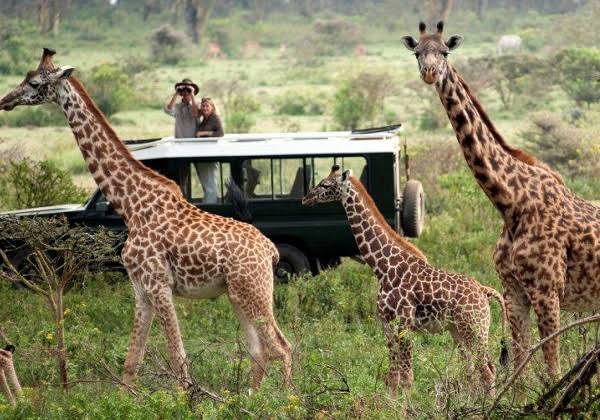
Travelers hoping to experience a traditional African safari will enjoy Akagera National Park. Morning and afternoon game drives offer opportunities to observe elephants, lions, leopards, rhinos, buffaloes, giraffes, zebras, hippos, crocodiles, and numerous antelope species. Furthermore, bird enthusiasts can spot hundreds of resident and migratory bird species throughout the park.
Primate Safaris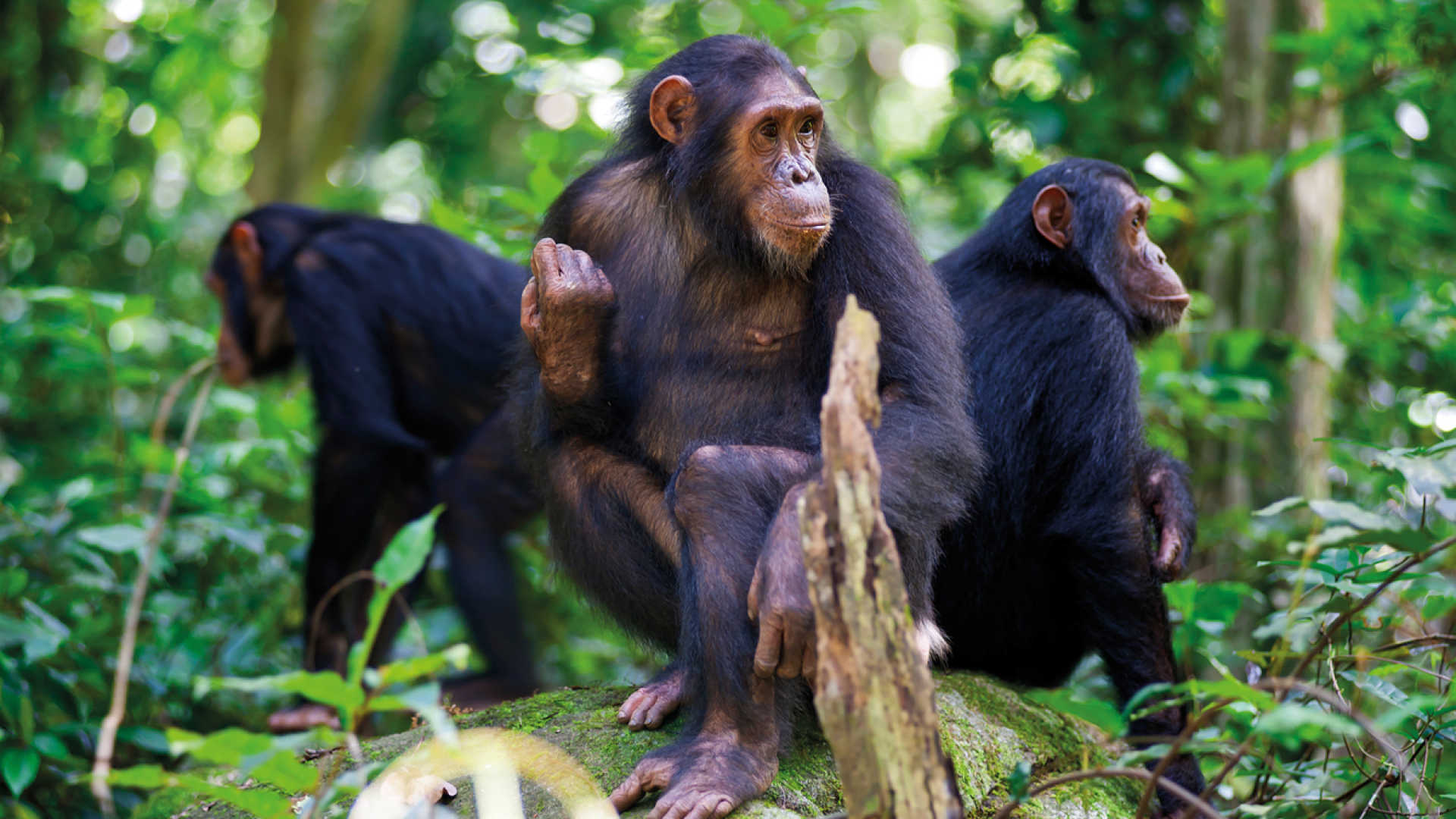
Beyond mountain gorillas, Rwanda is home to several fascinating primates. Chimpanzee trekking in Nyungwe National Park and golden monkey tracking in Volcanoes National Park provide exciting alternatives for visitors interested in biodiversity and rainforest ecosystems. Consequently, many travelers include multiple primate experiences in the same itinerary.
Cultural Safaris
Wildlife is only one part of Rwanda’s story. Cultural experiences allow visitors to connect with local communities while learning about the country’s traditions, history, and remarkable recovery. Popular activities include village visits, traditional dance performances, coffee tours, local markets, craft workshops, and museums. As a result, your safari becomes more meaningful and well-rounded.
Luxury Safaris
If comfort is your priority, Rwanda offers an outstanding selection of luxury lodges and boutique hotels. These safaris typically include private transportation, experienced guides, premium accommodation, gourmet dining, and personalized service. Moreover, many luxury lodges enjoy spectacular views overlooking forests, volcanoes, or lakes.
Step 2: Choose the Best Time to Visit
Understanding Rwanda’s Seasons
Selecting the right travel dates is another important part of the Rwanda Safari Booking Guide – Step-by-Step Planning. Although Rwanda can be visited throughout the year, each season offers different advantages.
The long dry season, which runs from June to September, is generally considered the best time for gorilla trekking and wildlife safaris. During these months, hiking trails remain drier, wildlife is easier to observe, and photography conditions are excellent. Consequently, this period attracts the highest number of visitors.
Another favorable period occurs between December and February. Similar weather conditions make these months ideal for outdoor activities while providing comfortable temperatures across most regions of the country.
Meanwhile, the rainy seasons transform Rwanda into a lush green paradise. Although occasional showers occur, landscapes become incredibly beautiful, waterfalls flow more strongly, and birdwatching reaches its peak. Furthermore, travelers often benefit from greater accommodation availability and a quieter safari experience.
Step 3: Set a Realistic Safari Budget
Understand What Influences Safari Costs
Your budget determines many aspects of your safari, including accommodation, transportation, activities, and the overall length of your trip. Therefore, setting a realistic budget early in the planning process makes every later decision much easier.
Budget safaris generally focus on comfortable guesthouses and essential wildlife experiences while keeping costs manageable. In contrast, mid-range itineraries combine quality lodges, private transportation, and professional guiding at reasonable prices. Luxury safaris, meanwhile, provide exceptional accommodation, premium vehicles, fine dining, and highly personalized service.
Rather than choosing solely based on price, think about the overall value of your experience. Sometimes paying slightly more results in significantly greater comfort, better locations, and smoother logistics.
Plan for Additional Expenses
Besides your safari package, remember to budget for personal expenses. International flights, travel insurance, visa fees, tips, souvenirs, drinks, optional activities, and personal shopping may not always be included in your quotation.
In addition, some travelers choose to extend their holiday with activities such as helicopter tours, extra nights at Lake Kivu, or cross-border safaris into Uganda. Planning for these possibilities from the beginning helps avoid unexpected expenses later.
Step 4: Decide How Long to Stay
The length of your safari has a significant impact on the experiences you can include. Fortunately, Rwanda’s compact geography allows visitors to see several attractions even during shorter holidays.
A two- or three-day itinerary is ideal for travelers focusing primarily on gorilla trekking. Meanwhile, four to six days allows you to combine Volcanoes National Park with Lake Kivu or Kigali City. If you have a full week or longer, you can comfortably explore Akagera National Park, Nyungwe National Park, Volcanoes National Park, and Lake Kivu without rushing.
Longer safaris also create opportunities for cultural experiences, photography, hiking, and relaxation between wildlife activities. Consequently, many travelers find that seven to ten days provides the perfect balance.
Begin Planning with Confidence
Successful safaris rarely happen by chance. Instead, they result from careful planning, realistic budgeting, and choosing experiences that match your interests. Fortunately, Rwanda makes this process remarkably straightforward thanks to its excellent tourism infrastructure and experienced local operators.
This Rwanda Safari Booking Guide – Step-by-Step Planning has introduced the first stages of organizing your adventure, from selecting the right safari style to deciding when to visit and how long to stay. With these foundations in place, you are ready to move to the next stage.
Booking the Essentials for Your Rwanda Safari
After deciding when to travel and how long you want to stay, it is time to secure the most important parts of your safari. This stage transforms your travel ideas into confirmed reservations and ensures that your itinerary comes together smoothly. Moreover, booking the essential services early gives you more flexibility, better accommodation choices, and greater peace of mind before your departure.
This section of the Rwanda Safari Booking Guide – Step-by-Step Planning explains how to book gorilla permits, select accommodation, choose a trusted tour operator, arrange transportation, and prepare all the documents you need. By following these steps, you will be well prepared for an unforgettable safari in Rwanda.
Step 5: Secure Your Gorilla Trekking Permit
Why Gorilla Permits Should Be Your First Priority
If gorilla trekking is part of your itinerary, securing your permit should be the very first booking you make. Unlike hotels or flights, gorilla permits are strictly limited because Rwanda carefully controls visitor numbers to protect the mountain gorillas and their habitat. Consequently, popular trekking dates often sell out months in advance, particularly during the dry seasons.
Booking early gives you the best chance of obtaining your preferred trekking date. Furthermore, once your permit is confirmed, planning the rest of your itinerary becomes much easier because accommodation and transportation can be arranged around that fixed schedule.
Many experienced travelers reserve their permits six to twelve months before arrival. Although last-minute availability is sometimes possible, relying on cancellations is risky, especially during peak travel periods.
What Does a Gorilla Permit Include?
A Rwanda gorilla trekking permit provides access to one of the world’s most extraordinary wildlife experiences. However, many first-time visitors wonder exactly what is included.
The permit normally covers entry into Volcanoes National Park on the trekking day, the services of professional park guides and rangers, and one unforgettable hour with a habituated mountain gorilla family. In addition, part of the permit fee directly supports wildlife conservation, park management, scientific research, and community development projects around the national park.
On the other hand, transportation, accommodation, porter services, meals, and travel insurance are usually arranged separately through your safari operator. Therefore, always review your quotation carefully so you understand what is included in your package.
Step 6: Choose the Right Accommodation
Select Accommodation That Matches Your Travel Style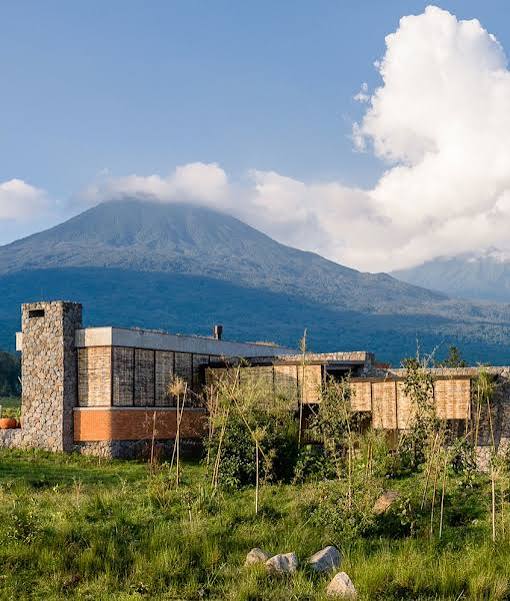
Accommodation influences both your comfort and your overall safari experience. Fortunately, Rwanda offers excellent options for every budget, ranging from simple guesthouses to world-class luxury lodges.
Rather than choosing the least expensive option, consider the property’s location, service quality, and proximity to the activities included in your itinerary. Staying close to park headquarters often reduces early morning travel and allows you to enjoy a more relaxed schedule.
Additionally, comfortable accommodation provides an ideal place to rest after long days of hiking, wildlife viewing, or road travel.
Budget Accommodation
Budget accommodation is perfect for travelers who want clean, comfortable lodging while keeping overall travel costs manageable.
Most budget properties provide private rooms, hot showers, restaurant services, Wi-Fi, and friendly hospitality. Although these facilities may be simpler than luxury lodges, they still offer excellent value and convenient access to Rwanda’s main attractions.
As a result, budget travelers can enjoy an authentic safari experience without sacrificing comfort.
Mid-Range Lodges
Mid-range accommodation remains the most popular choice among international visitors because it balances affordability with quality.
Guests typically enjoy spacious rooms, excellent dining, beautiful surroundings, and professional service. Moreover, many mid-range lodges are strategically located near national parks, allowing guests to reach morning activities quickly.
For many travelers, this category offers the ideal combination of comfort, convenience, and value.
Luxury Safari Lodges
Travelers seeking exceptional comfort will find Rwanda’s luxury lodges among the finest in Africa.
These properties often feature elegant suites, gourmet restaurants, spa facilities, private terraces, and spectacular views of forests or volcanoes. Furthermore, personalized service ensures that every guest enjoys a truly memorable experience.
Luxury accommodation is especially popular with honeymooners, photographers, and visitors celebrating special occasions.
Step 7: Choose a Reliable Safari Operator
Why Experience Matters
Selecting a reputable safari company is one of the most important decisions you will make. An experienced operator not only organizes your itinerary but also provides valuable local knowledge that improves every stage of your journey.
Professional safari companies help secure permits, reserve accommodation, arrange transportation, and recommend activities that suit your interests. In addition, they remain available to assist if travel plans change unexpectedly.
Choosing an experienced local operator also means benefiting from guides who understand Rwanda’s wildlife, culture, and conservation efforts.
How to Compare Safari Companies
Before confirming your booking, take time to compare several operators.
Look beyond the advertised price and evaluate factors such as:
- Company experience
- Customer reviews
- Licensing and accreditation
- Communication speed
- Vehicle quality
- Guide experience
- Emergency support
- Pricing transparency
Furthermore, read recent client reviews to understand how each company performs in real travel situations.
Questions Worth Asking
Clear communication before booking helps prevent misunderstandings later.
Consider asking questions such as:
- Is the gorilla permit included?
- Which lodges are included?
- Is transportation private?
- Are park entrance fees included?
- Which meals are covered?
- What type of safari vehicle will be used?
- What happens if my flight is delayed?
Receiving detailed answers allows you to compare quotations fairly and confidently.
Step 8: Decide on Transportation
Private Safari Vehicles
Most travelers prefer private transportation because it provides maximum flexibility.
A private safari vehicle allows you to travel at your own pace while stopping whenever you wish to photograph wildlife or admire Rwanda’s beautiful landscapes. Moreover, your guide can adjust the schedule according to weather conditions, wildlife sightings, or personal interests.
Private transport is particularly suitable for families, honeymooners, photographers, and small groups.
Self-Drive Adventures
Independent travelers often enjoy the freedom of self-driving.
Renting a four-wheel-drive vehicle allows you to explore Rwanda on your own schedule while discovering less-visited attractions along the way. Furthermore, self-drive holidays can be combined with rooftop camping for an even greater sense of adventure.
However, visitors should feel comfortable driving on unfamiliar roads and should always follow local traffic regulations.
Group Safaris
Group departures provide another excellent option, especially for solo travelers or visitors with limited budgets.
Because transportation costs are shared among participants, group safaris are generally more affordable than private tours. At the same time, they offer opportunities to meet fellow travelers from around the world.
Although the itinerary follows a fixed schedule, many visitors appreciate the social atmosphere created during group travel.
Step 9: Understand Visa Requirements
Preparing Your Entry Documents
Before traveling to Rwanda, check the latest immigration requirements for your nationality.
Many visitors can obtain a visa on arrival, while others qualify for visa-free entry or online visa applications. Since regulations occasionally change, verifying current requirements before booking international flights is always recommended.
Your passport should also remain valid for the required period beyond your planned departure date.
The East African Tourist Visa
Travelers planning to combine Rwanda with Uganda and Kenya may benefit from the East African Tourist Visa.
Instead of applying for separate visas, eligible visitors can travel between participating countries using a single visa. Consequently, cross-border safaris become more convenient and cost-effective.
Discuss your itinerary with your safari operator to determine whether this option is suitable for your trip.
Step 10: Arrange Comprehensive Travel Insurance
Travel insurance is an essential part of responsible safari planning.
A comprehensive policy should provide protection for medical emergencies, trip cancellations, baggage loss, emergency evacuation, and personal accidents. Additionally, if your itinerary includes gorilla trekking or other adventure activities, confirm that these experiences are covered by your policy.
Although nobody expects unexpected situations during their holiday, appropriate insurance offers valuable peace of mind throughout the journey.
Step 11: Prepare Your Travel Documents
Organizing your documents before departure reduces stress and makes your journey much smoother.
Create a travel folder containing:
- Passport
- Flight tickets
- Gorilla permit confirmation
- Safari itinerary
- Hotel confirmations
- Travel insurance certificate
- Emergency contact information
- Payment receipts
Keeping digital copies on your phone or cloud storage provides an additional layer of security should the originals become misplaced.
Good Communication Makes Planning Easier
Maintaining regular communication with your safari operator is one of the simplest ways to ensure everything runs smoothly.
As your departure date approaches, share your final flight details, dietary preferences, medical requirements, and any special requests. Likewise, ask questions whenever something is unclear instead of making assumptions.
Open communication allows your safari company to personalize your experience while resolving potential issues before you arrive in Rwanda.
Build a Strong Foundation for Your Safari
Successful safaris are built on careful preparation. Once your permits, accommodation, transportation, travel documents, and insurance are confirmed, you can begin looking forward to the adventure itself rather than worrying about logistics.
This Rwanda Safari Booking Guide – Step-by-Step Planning has now covered the essential bookings required before departure. More importantly, you now understand how each reservation fits into the bigger picture of creating a seamless safari experience.
From Safari Inquiry to Confirmed Booking
By this stage, you have selected your travel dates, chosen your preferred activities, and learned how to book the essential parts of your safari. Now it is time to move from planning to confirmation. Although this process may seem complicated at first, it becomes straightforward when you follow each step in the right order.
This section of the Rwanda Safari Booking Guide – Step-by-Step Planning explains exactly how to compare safari proposals, understand pricing, confirm your reservation, prepare for payment, and organize the final details before departure. Moreover, you will discover practical tips that can save both time and money while helping you avoid common booking mistakes.
Step 12: Request a Personalized Safari Proposal
Start with a Detailed Inquiry
The booking process usually begins by contacting a licensed safari company. Instead of requesting a general quotation, provide as much information as possible about your travel plans. Doing so helps the tour operator prepare a customized itinerary that matches your expectations.
For example, include your preferred travel dates, the number of travelers, your accommodation preference, planned activities, and your estimated budget. In addition, mention whether you prefer a private safari, a luxury experience, or a more affordable itinerary. The more information you provide, the easier it becomes for the safari planner to recommend suitable options.
A detailed inquiry often results in a better itinerary because it reflects your personal interests rather than offering a standard package.
Review the Proposed Itinerary Carefully
Once you receive your safari proposal, take time to read every detail before making a decision.
A professional itinerary should clearly explain:
- Daily activities
- Travel times
- Accommodation
- Meal plans
- Transportation
- Park entrance fees
- Gorilla permits
- Included and excluded services
Furthermore, check whether the driving times are realistic. Rwanda has an excellent road network, yet mountain roads may take longer than many visitors expect. Therefore, a balanced itinerary should allow enough time for both travel and sightseeing.
Step 13: Compare Safari Quotations
Look Beyond the Total Price
Many travelers compare safari quotations by looking only at the final amount. However, the overall value of a safari depends on much more than its price.
Instead of asking, “Which safari is cheaper?” ask, “Which safari offers the best experience?”
Compare important details such as:
- Quality of accommodation
- Experience of the guide
- Type of safari vehicle
- Meal inclusions
- Park fees
- Gorilla permits
- Airport transfers
- Drinking water
- Emergency support
Sometimes a slightly higher quotation includes services that would otherwise become additional expenses.
Compare Accommodation Standards
Accommodation can significantly influence your safari experience.
While reviewing quotations, consider the following questions:
- Is the lodge close to the national park?
- Does it include breakfast or full board?
- Are the rooms private?
- What facilities are available?
- Are recent guest reviews positive?
Choosing accommodation based on quality rather than price alone often leads to a more comfortable and enjoyable holiday.
Step 14: Confirm Your Safari
Double-Check Every Detail
Before making your payment, carefully review the final itinerary.
Confirm:
- Arrival and departure dates
- Number of travelers
- Accommodation names
- Gorilla trekking date
- Transportation arrangements
- Airport transfers
- Meal plan
- Included activities
Although these details may seem obvious, checking them one final time helps avoid unnecessary changes later.
Pay the Deposit
Most safari operators require a deposit to secure your booking.
This payment is generally used to:
- Purchase gorilla permits
- Reserve accommodation
- Confirm transportation
- Finalize activity bookings
After receiving your payment, the company usually sends updated confirmations together with your final itinerary.
Therefore, keep copies of all payment receipts for future reference.
Step 15: Organize Your International Flights
Book Flights After Safari Confirmation
One of the most valuable tips in this Rwanda Safari Booking Guide – Step-by-Step Planning is to secure your safari before purchasing international airline tickets.
Once your gorilla permit and accommodation have been confirmed, you can confidently book flights that match your itinerary.
When comparing airlines, consider:
- Arrival time in Kigali
- Transit duration
- Baggage allowance
- Ticket flexibility
- Overall travel time
Early morning arrivals often provide additional time for sightseeing on your first day.
Step 16: Prepare for Your Arrival
Share Your Flight Details
After booking your flights, send your complete arrival information to your safari operator.
Important details include:
- Airline
- Flight number
- Arrival date
- Arrival time
This information allows your guide to organize airport transfers and monitor any unexpected schedule changes.
Good communication before arrival makes the beginning of your safari much smoother.
Organize Your Travel Documents
Several weeks before departure, prepare all essential documents.
Create a folder containing:
- Passport
- Flight tickets
- Gorilla permit confirmation
- Hotel reservations
- Safari itinerary
- Travel insurance
- Emergency contacts
- Payment confirmations
Keeping printed and digital copies provides extra security throughout your journey.
Understanding Rwanda Safari Prices
What Determines the Cost?
Several factors influence the final price of a safari.
The most important include:
- Gorilla permit fees
- Accommodation category
- Safari duration
- Number of travelers
- Vehicle type
- Travel season
- Included activities
Consequently, two itineraries with similar destinations may have different prices depending on the services included.
Optional Activities
Many travelers enhance their safari with additional experiences.
Popular options include:
- Golden monkey trekking
- Chimpanzee trekking
- Boat cruises
- Cultural village visits
- Coffee tours
- Helicopter transfers
- Night game drives
Although these activities increase the overall cost, they also create a more diverse and memorable itinerary.
Sample Rwanda Safari Itineraries
Three-Day Gorilla Safari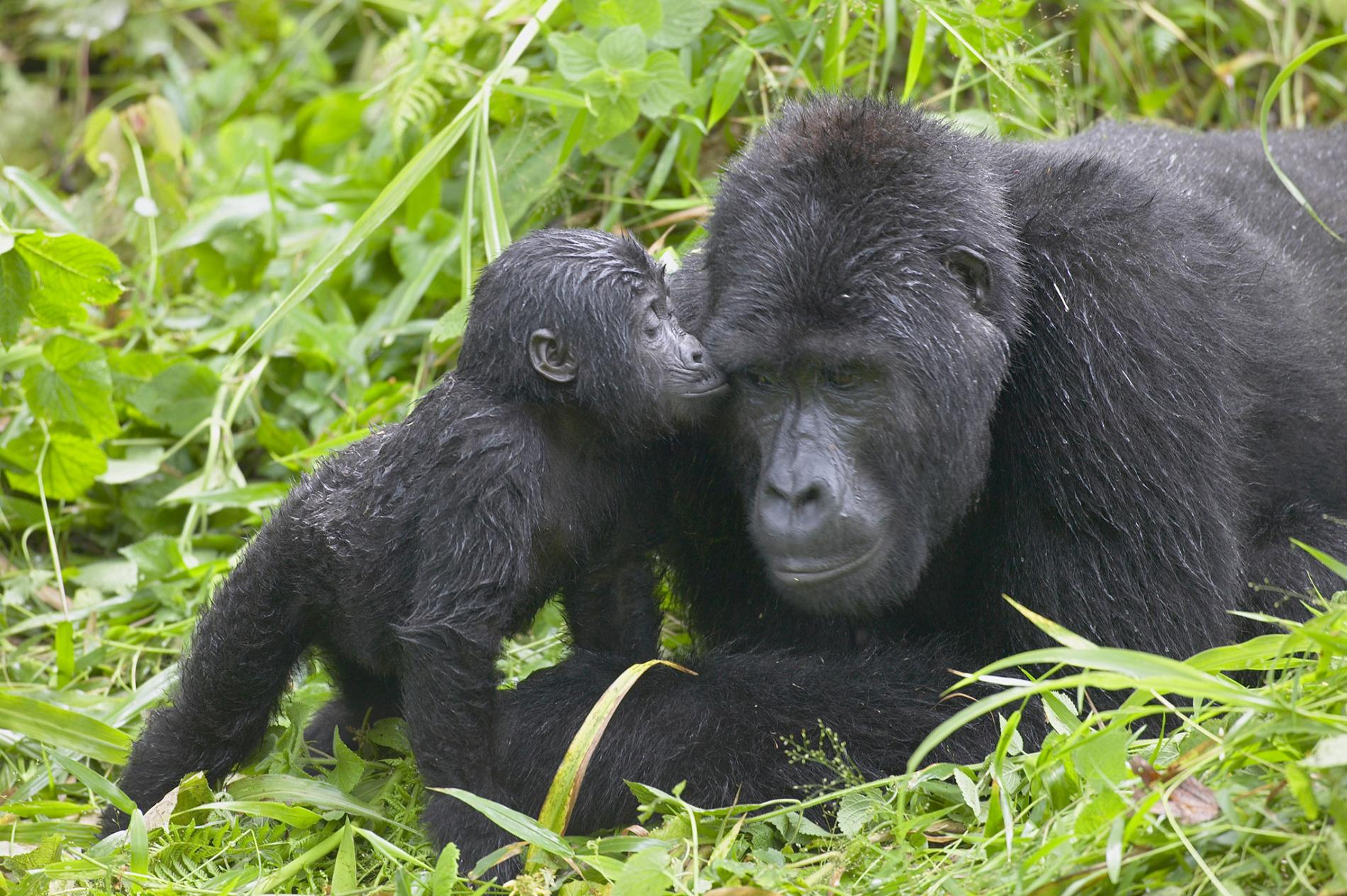
This itinerary is ideal for travelers with limited time.
A typical schedule includes arrival in Kigali, a transfer to Volcanoes National Park, gorilla trekking on the second day, and a return to Kigali before departure.
Because travel distances are relatively short, even a brief safari delivers an unforgettable experience.
Five-Day Wildlife and Gorilla Safari
Visitors with additional time often combine gorilla trekking with Akagera National Park.
This itinerary usually includes:
- Kigali City Tour
- Akagera game drive
- Boat safari
- Volcanoes National Park
- Gorilla trekking
As a result, travelers experience both classic African wildlife and mountain gorillas during one holiday.
Eight-Day Complete Rwanda Safari
Longer itineraries allow visitors to explore Rwanda’s remarkable diversity.
A popular route includes:
- Kigali
- Akagera National Park
- Lake Kivu
- Volcanoes National Park
- Nyungwe National Park
Consequently, travelers experience savannah, rainforest, volcanoes, lakes, and wildlife within one unforgettable journey.
Packing for Your Safari
Pack Smart, Not Heavy
Packing carefully makes travel much easier.
Bring practical clothing suitable for both warm afternoons and cool mountain mornings. Lightweight shirts, hiking trousers, waterproof jackets, comfortable walking boots, and warm layers work well throughout Rwanda.
At the same time, remember essential accessories such as sunscreen, insect repellent, sunglasses, a reusable water bottle, and a day backpack.
Neutral-colored clothing is particularly suitable for wildlife viewing because it blends naturally into the environment.
Essential Equipment
Besides clothing, several items improve your safari experience.
Useful equipment includes:
- Camera
- Binoculars
- Power bank
- Chargers
- Flashlight
- Personal medication
- Rain cover for electronics
Packing only what you truly need keeps luggage organized while making travel between destinations easier.
Planning a Cross-Border Safari
Many visitors extend their holiday beyond Rwanda.
Popular combinations include Rwanda and Uganda for gorilla trekking and chimpanzee tracking, Rwanda and Tanzania for the Serengeti and Ngorongoro Crater, or Rwanda and Kenya for the Maasai Mara and Amboseli National Park.
Before confirming these itineraries, discuss border requirements with your safari operator. In addition, ensure your passport, visas, and travel insurance remain valid for every country you plan to visit.
Common Booking Mistakes
Even experienced travelers occasionally make avoidable mistakes.
One common error is waiting too long to reserve gorilla permits. Another involves choosing accommodation based solely on price instead of location and quality.
Similarly, booking international flights before confirming safari dates can create unnecessary complications. Ignoring travel insurance or forgetting to check passport validity may also lead to unexpected problems.
Fortunately, careful planning prevents most of these situations.
Preparing for Your Rwanda Safari and Making the Most of Your Journey
By the time your booking is confirmed, the most challenging part of the planning process is already complete. Nevertheless, a few final preparations can make the difference between a good safari and an exceptional one. Understanding what to expect after you arrive, knowing how to travel responsibly, and preparing for different activities will help you enjoy every moment with confidence.
This final section of the Rwanda Safari Booking Guide – Step-by-Step Planning brings everything together. In addition to practical travel advice, you will find helpful safety tips, frequently asked questions, and a complete checklist to ensure you are fully prepared before leaving home.
Arriving in Rwanda
Your First Experience in Kigali
Most visitors begin their adventure at Kigali International Airport, which serves as Rwanda’s main international gateway. Immigration procedures are generally efficient, and luggage collection is usually straightforward. Once you leave the arrivals area, you will normally meet your safari guide or driver if airport transfers have been arranged in advance.
After a warm welcome, many travelers spend their first night in Kigali. This allows time to recover from a long flight while exploring one of Africa’s cleanest and safest capitals. Moreover, beginning your safari with a relaxed day helps you adjust before traveling to the national parks.
If your flight arrives early, you can also visit some of Kigali’s most popular attractions before continuing your journey.
Discovering Kigali Before Your Safari
Although many visitors view Kigali as a starting point, the city deserves time in its own right. It combines modern development with rich history, vibrant culture, and outstanding hospitality.
Popular attractions include the Kigali Genocide Memorial, Kimironko Market, local art galleries, coffee shops, and cultural centers. Furthermore, several excellent restaurants introduce visitors to traditional Rwandan cuisine as well as international dishes.
Spending a day in Kigali provides valuable insight into Rwanda’s history and contemporary culture before heading into the country’s national parks.
What to Expect During Your Safari
Comfortable Travel Across Rwanda
One of Rwanda’s greatest advantages is its compact geography. Unlike many safari destinations that require long domestic flights, Rwanda’s major attractions are connected by well-maintained roads.
For example, Volcanoes National Park and Akagera National Park are both about two and a half hours from Kigali, while Lake Kivu can usually be reached in around three hours. Nyungwe National Park takes longer to reach, yet the scenic drive through rolling hills and tea plantations becomes part of the experience itself.
Consequently, travelers spend less time in transit and more time enjoying wildlife, landscapes, and cultural activities.
Professional Guides Make a Difference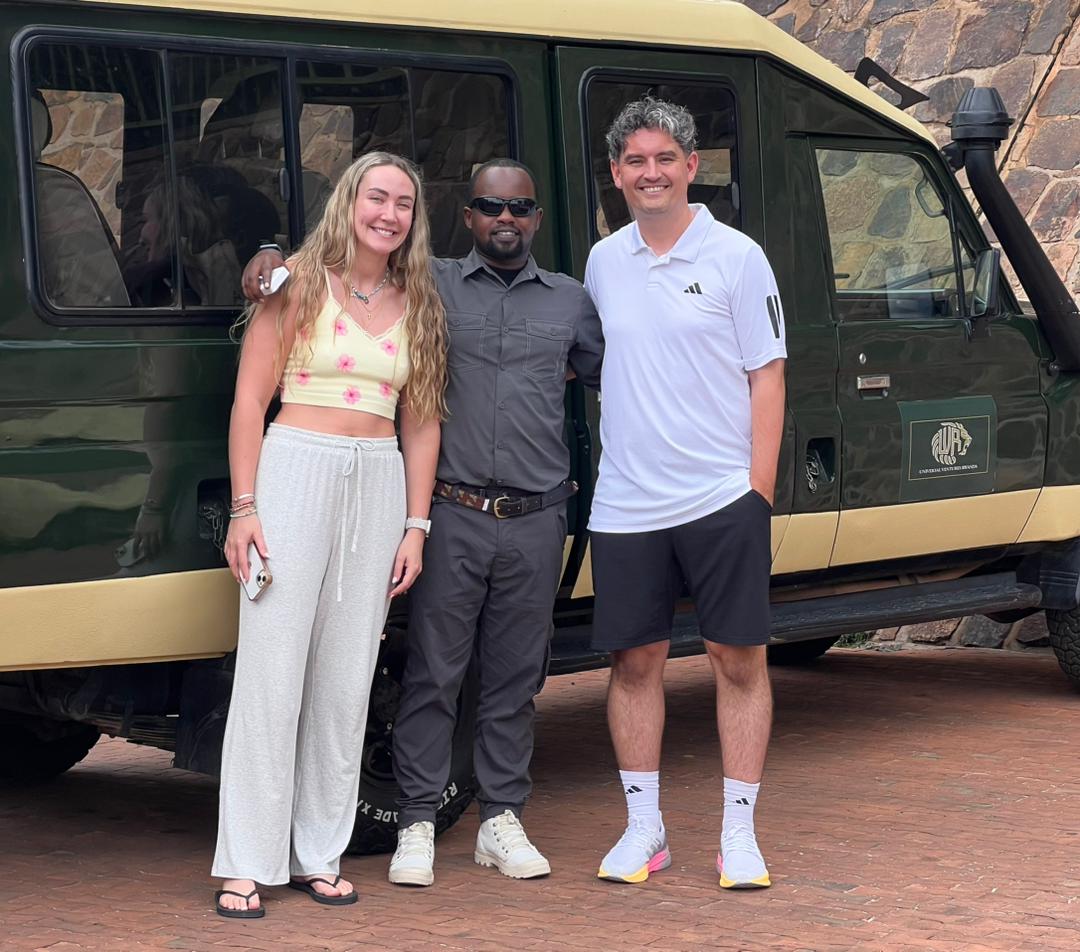
A knowledgeable guide can transform an ordinary safari into an unforgettable adventure. Besides driving safely, professional guides explain wildlife behavior, local traditions, conservation efforts, and Rwanda’s fascinating history.
Moreover, experienced guides know the best places for photography, wildlife viewing, and scenic stops. They also adapt the schedule when necessary, ensuring your safari remains enjoyable even if weather or road conditions change.
Choosing an experienced local guide therefore adds tremendous value to every stage of your journey.
Enjoy Every Activity Responsibly
Respect Wildlife at All Times
Responsible tourism lies at the heart of Rwanda’s conservation success. Every visitor plays a role in protecting wildlife by following park regulations and respecting natural habitats.
Always listen carefully to your guide’s instructions before activities begin. During game drives, remain inside the vehicle unless instructed otherwise. Likewise, while trekking mountain gorillas or chimpanzees, maintain the recommended viewing distance and avoid sudden movements.
These simple actions reduce stress on wildlife while creating a safer experience for everyone involved.
Support Local Communities
Tourism creates employment opportunities across Rwanda. Consequently, choosing local businesses directly benefits families living near national parks.
Whenever possible:
- Buy locally made handicrafts.
- Visit community tourism projects.
- Enjoy traditional Rwandan meals.
- Hire local guides and porters.
- Stay in locally owned lodges where appropriate.
In addition to supporting livelihoods, these experiences provide a deeper understanding of Rwanda’s culture and traditions.
Protect Rwanda’s Natural Environment
Environmental responsibility should remain part of every safari.
Carry a reusable water bottle whenever possible, dispose of waste properly, and avoid leaving litter in protected areas. Furthermore, stay on designated trails during guided walks to help preserve fragile vegetation.
Small actions may seem insignificant individually. However, together they help protect Rwanda’s extraordinary landscapes for future generations.
Staying Safe Throughout Your Journey
Rwanda enjoys a well-deserved reputation as one of Africa’s safest travel destinations. Even so, following sensible travel precautions helps ensure a smooth holiday.
Keep valuable belongings secure and carry photocopies of important documents separately from the originals. Additionally, drink plenty of water, particularly during hiking activities, and wear suitable footwear for trekking.
Listening carefully during safety briefings is equally important. Park guides and rangers understand local conditions and provide instructions designed to protect both visitors and wildlife.
Finally, inform your guide about any medical conditions or mobility concerns before activities begin. Doing so allows them to make appropriate arrangements where necessary.
Looking After Your Health
Preparing for your safari includes taking care of your health before departure and during your trip.
Before traveling, consult your healthcare provider regarding recommended vaccinations and any medications you may need. Travel insurance should also cover medical emergencies and emergency evacuation if required.
During your safari, drink safe bottled or filtered water, use insect repellent regularly, and apply sunscreen before spending extended periods outdoors. Meanwhile, balanced meals and adequate rest help maintain your energy throughout the journey.
If you develop symptoms of illness before gorilla trekking, inform your guide immediately. Protecting mountain gorillas from human diseases remains an essential part of Rwanda’s conservation strategy.
Final Safari Checklist
Before leaving home, review your preparations one final time.
Travel Documents
Ensure you have:
- A valid passport
- Visa confirmation if required
- Flight tickets
- Safari itinerary
- Gorilla permit confirmation
- Hotel reservations
- Travel insurance documents
- Emergency contact information
Keeping printed and digital copies provides additional security throughout your journey.
Clothing
Pack practical clothing suitable for changing weather conditions.
Your luggage should include lightweight shirts, hiking trousers, waterproof outerwear, warm layers for cool mornings, comfortable walking boots, sunglasses, a hat, and extra socks. Neutral-colored clothing is recommended because it blends naturally into wildlife environments.
Travel Essentials
Do not forget important accessories such as:
- Camera
- Binoculars
- Chargers
- Power bank
- Flashlight
- Sunscreen
- Insect repellent
- Personal medication
- Reusable water bottle
- Day backpack
Packing efficiently makes transfers between destinations much easier.
Frequently Asked Questions
How far in advance should I book a Rwanda safari?
Booking six to twelve months before travel is recommended, particularly if your itinerary includes gorilla trekking during the high season. Early reservations provide greater flexibility when choosing travel dates, accommodation, and flights.
Can I combine Rwanda with other countries?
Yes. Many travelers combine Rwanda with Uganda, Kenya, or Tanzania. Such itineraries offer additional wildlife experiences, including chimpanzee trekking, the Serengeti, or the Maasai Mara. Discuss your plans with your tour operator so that visas, permits, and transportation can be arranged correctly.
Is Rwanda suitable for first-time safari travelers?
Absolutely. Rwanda’s excellent infrastructure, compact geography, and professional tourism services make it one of Africa’s most accessible safari destinations. Consequently, first-time visitors often find the country easy and enjoyable to explore.
How challenging is gorilla trekking?
Every gorilla trek is different. Some groups are located relatively close to the park headquarters, while others require longer hikes through mountainous terrain. Nevertheless, experienced guides adapt the pace to suit the group, and porters are available to assist if required.
What is the minimum age for gorilla trekking?
Visitors must be at least 15 years old to participate in gorilla trekking in Rwanda. This regulation helps protect both the gorillas and younger visitors.
Should I book directly with a local tour operator?
Yes. Working with an experienced local operator provides personalized itineraries, local expertise, quicker communication, and direct support before and during your safari. Furthermore, local companies understand seasonal conditions and can recommend the best travel options based on your interests.
Why Choose Universal Ventures Rwanda?
Choosing the right safari company is one of the most important decisions you will make. Universal Ventures Rwanda combines professional service with extensive local knowledge to create personalized safari experiences throughout Rwanda and East Africa.
Tailor-Made Safari Itineraries
Every traveler has unique interests. Therefore, each itinerary is designed around your travel dates, preferred activities, accommodation style, and available budget. Whether you are planning a short gorilla trekking tour or a multi-country safari, your itinerary is carefully customized to meet your expectations.
Experienced Local Guides
Knowledgeable guides bring every destination to life by sharing fascinating insights into Rwanda’s wildlife, conservation efforts, culture, and history. As a result, your safari becomes far more meaningful than simply visiting national parks.
Complete Travel Services
Universal Ventures Rwanda provides a comprehensive range of travel services, including:
- Gorilla trekking safaris
- Golden monkey trekking
- Chimpanzee trekking
- Akagera wildlife safaris
- Kigali city tours
- Lake Kivu holidays
- Cross-border safaris
- Luxury and budget packages
- Airport transfers
- Hotel reservations
- 4×4 vehicle rentals
Because everything can be arranged through one trusted company, planning becomes much simpler.
Dedicated Customer Support
From your first inquiry until the final day of your safari, experienced travel consultants remain available to answer questions and provide assistance. Consequently, you can travel with confidence knowing professional support is always available if needed.
Final Thoughts
Planning a safari may seem like a complex process at first. However, following this Rwanda Safari Booking Guide – Step-by-Step Planning makes every stage easier to understand and organize. By choosing the right travel dates, securing permits early, selecting quality accommodation, and working with an experienced safari operator, you create the foundation for an unforgettable adventure.
Beyond careful planning, responsible travel also plays an essential role. Supporting local communities, respecting wildlife, and following park regulations help preserve Rwanda’s extraordinary natural heritage while ensuring future generations can enjoy the same remarkable experiences.
Whether you dream of standing face to face with mountain gorillas, exploring the savannah of Akagera National Park, walking through the ancient forests of Nyungwe, or relaxing beside Lake Kivu, Rwanda offers experiences unlike anywhere else in Africa.
Now is the perfect time to begin planning your journey. With expert guidance from Universal Ventures Rwanda, your safari can be tailored to your interests, your schedule, and your budget—allowing you to experience the very best of the Land of a Thousand Hills with complete confidence.
Contact Universal Ventures Rwanda
Universal Ventures Rwanda
Address: KN 5 Road, Kigali, Rwanda
Phone / WhatsApp: +250 781441853
Email: info@universalventuresrwanda.com
Website: https://universalventuresrwanda.com

Related Posts


Comments (0)