 Skip to content
A Luxury Rwanda Gorilla and Big Five Safari combines two of Africa’s most sought-after wildlife…
Rwanda Gorilla and Wildlife Safari – Volcanoes to Akagera National Park
A Rwanda Gorilla and Wildlife Safari combines two of Africa’s most distinctive wildlife experiences within one compact and beautiful country. In Volcanoes National Park, travelers walk through a mountain rainforest to encounter endangered mountain gorillas. In Akagera National Park, they cross open savannah and wetland landscapes in search of lions, rhinoceroses, elephants, buffaloes, leopards, giraffes and zebras.
The contrast between the two destinations makes the journey exceptional. Volcanoes National Park rises through the cool, misty highlands of northwestern Rwanda. Bamboo forests, volcanic peaks and dense vegetation create a dramatic environment for gorilla trekking. Akagera National Park lies in the warmer east, where acacia woodland, open plains, lakes and papyrus wetlands support Rwanda’s classic savannah wildlife.
Few African destinations allow travelers to move so conveniently between mountain gorillas and the Big Five. Rwanda’s relatively small size, good road network and central capital make it possible to experience both parks during a four- or five-day itinerary. Visitors with more time can add golden monkey tracking, a Lake Ihema boat safari, cultural encounters, Lake Kivu or chimpanzee trekking in Nyungwe National Park.
This complete guide explains how to plan a Rwanda Gorilla and Wildlife Safari, including the best route, recommended duration, gorilla permits, wildlife activities, accommodation, costs, packing advice and sample itineraries.
Why Combine Volcanoes and Akagera National Parks?
Gorilla trekking alone provides a powerful reason to visit Rwanda. Nevertheless, adding Akagera creates a much broader understanding of the country’s landscapes, conservation achievements and wildlife.
Volcanoes National Park protects part of the Virunga mountain ecosystem. Its forests support mountain gorillas, golden monkeys and many highland birds. The trekking experience takes place on foot and depends on trackers, rangers and the daily movements of the assigned gorilla family.
Akagera offers a completely different style of safari. Travelers explore the park by 4×4 vehicle and boat. Instead of climbing through mountain vegetation, they move across plains, hills, woodland and wetlands. Wildlife encounters may include large herds, predators, antelopes, primates, reptiles and hundreds of bird species.
Together, the destinations provide: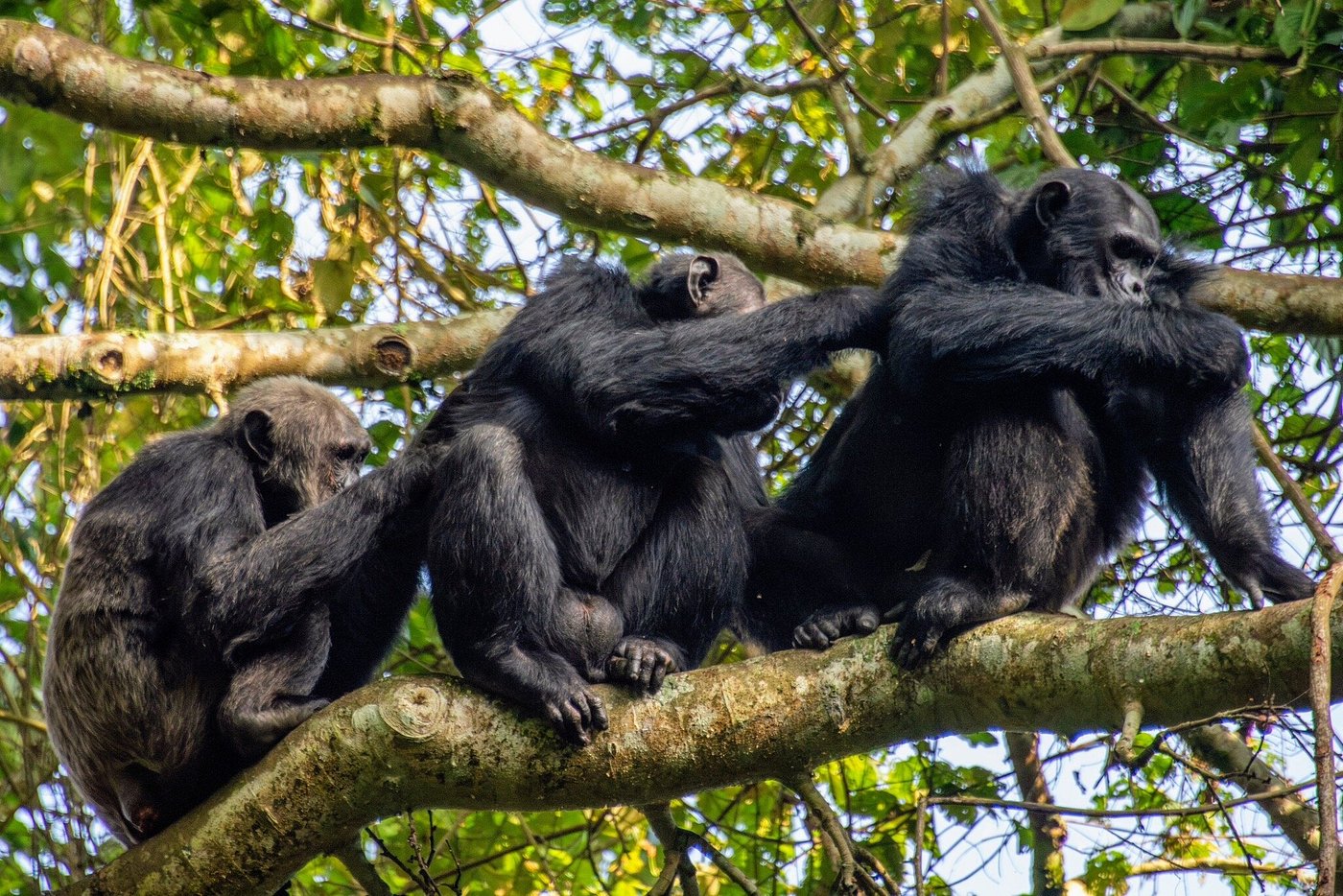
- Mountain gorilla trekking
- Big Five game viewing
- Golden monkey tracking
- Lake Ihema boat safaris
- Savannah wildlife photography
- Birdwatching
- Cultural and conservation experiences
- Scenic drives through Rwanda
The combination also makes efficient use of international travel expenses. Once visitors have flown to Kigali, they can access both parks without purchasing domestic flights.
The Main Highlights of a Rwanda Gorilla and Wildlife Safari
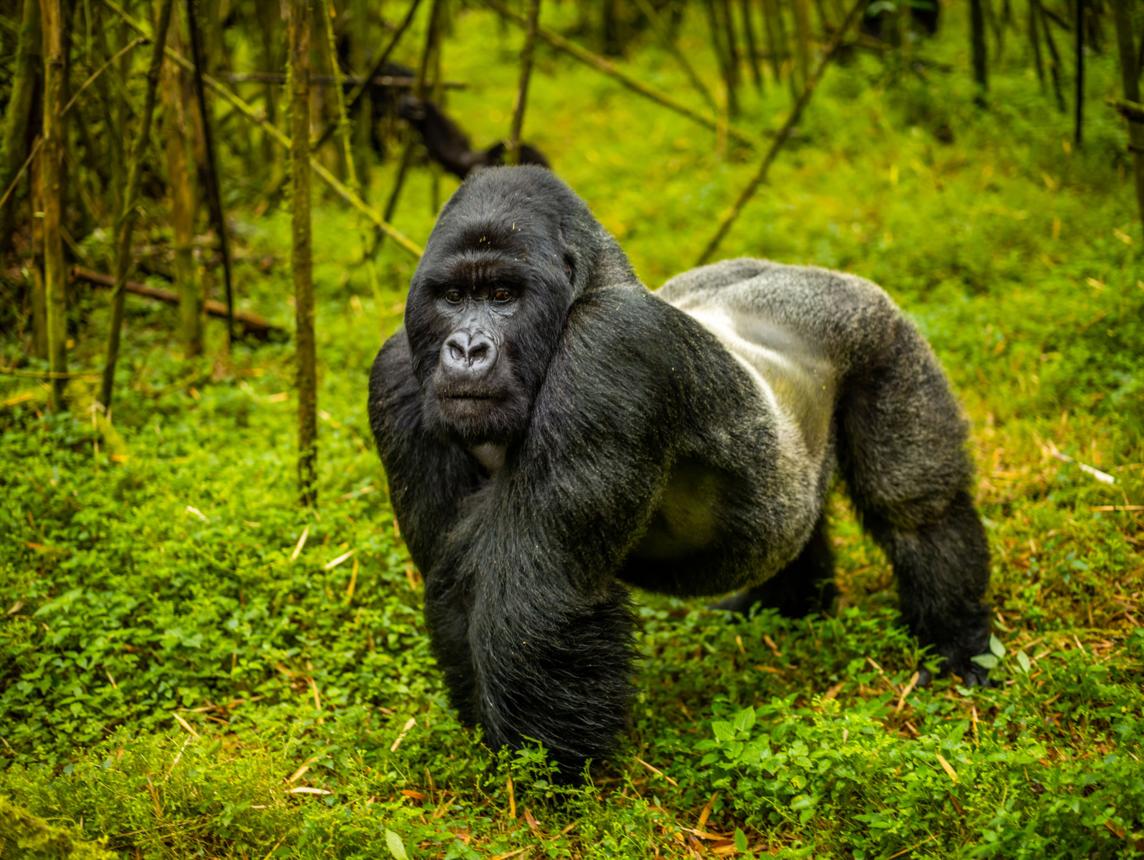
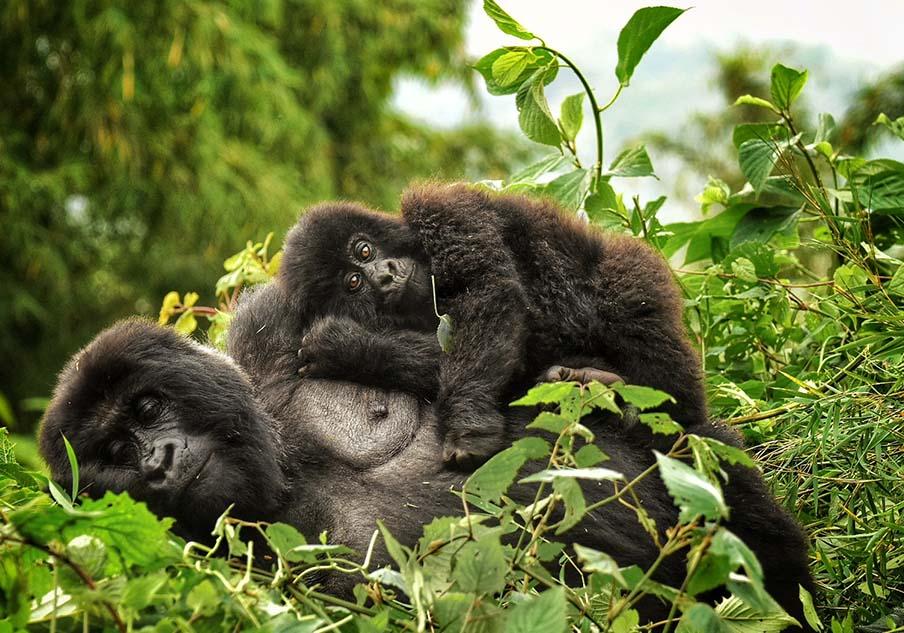
The defining moment of the journey is usually the gorilla encounter. After walking through the forest, visitors spend a regulated period observing a habituated gorilla family. They may watch a silverback resting, mothers caring for young gorillas or juveniles climbing through vegetation.
Akagera creates a different type of excitement. A lion may appear beside the track, elephants may cross between wooded areas, or rhinoceroses may emerge on distant plains. Common animals such as zebras, giraffes, impalas, topis and warthogs add constant interest throughout the game drive.
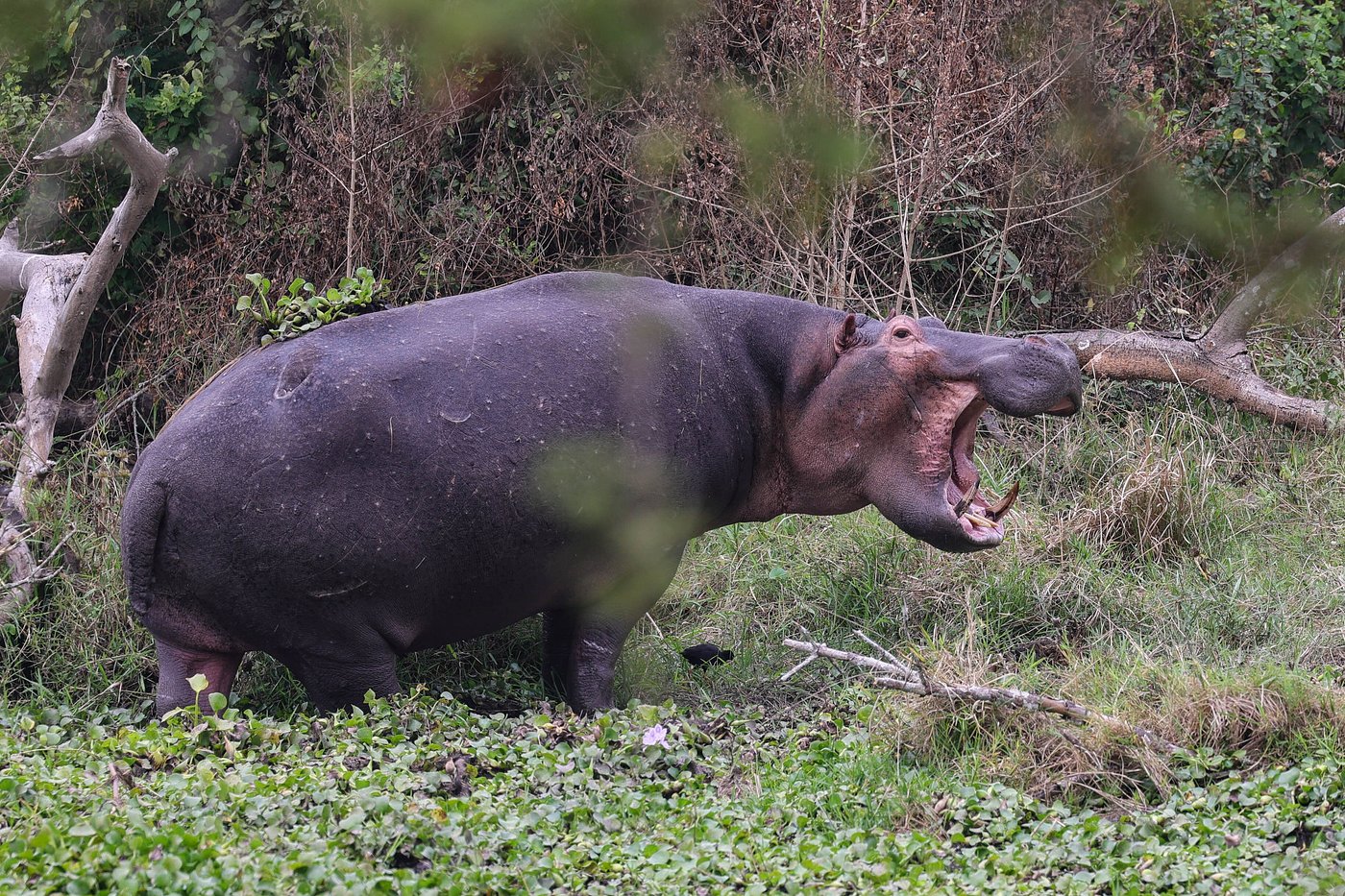
A Lake Ihema boat trip introduces aquatic wildlife. Hippos gather in the water, Nile crocodiles rest on the banks, and African fish eagles call from shoreline trees. The lake also supports kingfishers, herons, cormorants, jacanas and many other birds.
Between the parks, travelers experience Rwanda’s cultivated hills, clean towns, rural communities and changing climates. Kigali can add history, art, cuisine and cultural understanding to the itinerary.
Where Is Volcanoes National Park?
Volcanoes National Park lies in northwestern Rwanda near the town of Musanze. It forms part of the wider Virunga Conservation Area, a transboundary mountain ecosystem extending into Uganda and the Democratic Republic of Congo.
The park sits approximately two to two and a half hours from Kigali under normal road conditions. Musanze and the nearby Kinigi area provide the main accommodation base for gorilla trekking.
Five of the eight major Virunga volcanoes lie within Rwanda’s section of the range: Karisimbi, Bisoke, Muhabura, Gahinga and Sabyinyo. Their forested slopes create a striking backdrop to the region.
Volcanoes National Park is best known for mountain gorillas, although it also supports golden monkeys, forest mammals and numerous birds. Visitors can join gorilla trekking, golden monkey tracking, volcano hikes and conservation-focused activities.
Where Is Akagera National Park?
Akagera National Park lies in eastern Rwanda along the border with Tanzania. The park is approximately 110 kilometres from Kigali, and the southern entrance generally takes two to two and a half hours to reach.
Akagera protects savannah, woodland, lakes, hills and extensive wetlands. Its ecological diversity supports large mammals, predators, reptiles and rich birdlife.
The park regained Big Five status following major conservation and wildlife-restoration efforts. Lions returned in 2015, eastern black rhinoceroses followed in 2017, and southern white rhinoceroses arrived in 2021. Akagera’s official overview describes these reintroductions and the park’s continuing wildlife recovery.
Activities include morning and afternoon game drives, full-day park crossings, Lake Ihema boat excursions, guided night drives, birdwatching and selected community or conservation experiences.
Volcanoes National Park to Akagera National Park
Volcanoes and Akagera lie on opposite sides of Rwanda. The most practical overland route normally passes through or around Kigali.
Depending on the exact lodges and traffic conditions, the journey can cover approximately 210 to 235 kilometres and take around five to six hours. Travelers should allow additional time for lunch, rest stops and photography.
The route usually follows:
Volcanoes National Park or Musanze – Kigali – Rwamagana – Kayonza – Akagera National Park
Leaving Volcanoes in the morning allows travelers to reach Akagera in the afternoon. With a carefully planned schedule, they may join a late-afternoon or sunset boat trip on Lake Ihema. However, delays could make this arrangement tight, so the boat reservation should match a realistic transfer time.
Another option is to spend one night in Kigali between the parks. This arrangement reduces the driving pressure and allows time for a Kigali city tour.
Should You Visit Akagera or Volcanoes First?
Both directions work well. The best sequence depends on flight times, gorilla permit availability, accommodation and the pace of the itinerary.
Akagera First and Volcanoes Second
Beginning in Akagera allows travelers to move gradually from a conventional game drive toward the trip’s most emotionally anticipated experience: gorilla trekking.
Guests can arrive in Kigali, travel east for a Big Five safari, return through the city and continue north to Volcanoes National Park. Gorilla trekking then becomes the grand conclusion.
This direction also works well when a traveler wants a less physically demanding start after an international flight.
Volcanoes First and Akagera Second
Starting with Volcanoes suits travelers whose gorilla permits match the beginning of the trip. After trekking, guests continue toward Akagera for game drives and a relaxed boat excursion.
The savannah safari can feel restful after the physical effort of the gorilla trek because most wildlife viewing occurs from a vehicle or boat.
This sequence also matches the title and route of a Rwanda Gorilla and Wildlife Safari – Volcanoes to Akagera National Park.
Neither direction produces a significantly better experience. Permit availability should normally guide the final decision because gorilla trekking spaces remain limited.
Gorilla Trekking in Volcanoes National Park
Gorilla trekking provides one of the world’s most intimate wildlife encounters. Unlike a zoo or sanctuary visit, the experience takes place in a wild mountain forest where trackers locate gorilla families according to their current position.
The day begins early at the park headquarters in Kinigi. Visitors register, receive a briefing and join an assigned trekking group. The allocation process may consider fitness, age and other relevant needs, although no particular trek duration can be guaranteed.
After the briefing, travelers drive to the appropriate trailhead. Porters are available to carry backpacks and assist on steep or slippery sections. Hiring a porter supports the local community while making the trek more comfortable.
Rangers lead the group through farmland and forest. Depending on the gorillas’ location, the walk may be relatively short or continue for several hours. Terrain can include mud, bamboo, nettles, vines and uneven mountain slopes.
Once trackers locate the gorillas, visitors receive final instructions before approaching. The regulated encounter allows time to observe behavior and take photographs while maintaining the required distance and following the ranger’s directions.
Rwanda Gorilla Trekking Permit
Every visitor needs a valid gorilla trekking permit for the assigned date. Rwanda’s permit currently costs USD 1,500 per person for standard international visitors.
The permit covers park access for the gorilla trek, ranger services, trackers and the regulated encounter. It does not normally include accommodation, transportation, meals, porter services or personal expenses.
Permit prices, promotional conditions and eligibility rules can change. Travelers should verify current terms before paying. Recent Volcanoes National Park information continues to list the standard international permit at USD 1,500. Volcanoes National Park visitor information provides general trekking details.
Gorilla permits are date-specific and subject to availability. They should be reserved before nonrefundable international flights or accommodation whenever possible.
A tour operator normally requires a clear passport copy and the necessary payment to secure the permit. The visitor’s passport details should match the permit documentation.
How Early Should You Book a Gorilla Permit?
Travelers should reserve several months in advance, particularly for June through September, December, Christmas, New Year and Easter periods.
Last-minute permits sometimes remain available, but relying on them creates unnecessary risk. A traveler may find international flights and hotel rooms but no permit for the required date.
Early booking also provides a wider choice of accommodation. Premium lodges near Volcanoes National Park can fill quickly during peak seasons.
Once the permit is confirmed, the operator can build Akagera, Kigali and additional activities around the trekking date.
Gorilla Trekking Age Requirement
The minimum age for gorilla trekking in Rwanda is 15 years. This rule helps protect both visitors and gorillas.
Families with younger children can still travel to Volcanoes National Park, but alternative care and activities must be arranged while eligible family members complete the trek.
Children may enjoy cultural visits, nature experiences or selected attractions in the Musanze area, depending on their age and interests.
Parents should discuss family arrangements before paying for the tour so that appropriate transportation and supervision can be included.
Fitness Required for Gorilla Trekking
Travelers do not need to be athletes, but basic fitness and walking confidence improve the experience. Trekking conditions depend on rain, elevation, vegetation and the gorillas’ location.
Some groups find their assigned family within a relatively manageable walking time. Others may climb for several hours. Even a short trek can involve mud, roots and steep terrain.
Walking, climbing stairs and completing moderate hikes before traveling can improve endurance. Stretching and balance exercises also help.
Visitors with knee, back or mobility concerns should inform their tour operator before the permit date. The operator can communicate the request during group allocation, although an easy trek cannot be guaranteed.
A porter provides valuable physical support. Porters carry backpacks, offer a steady hand and help travelers negotiate difficult ground.
What Happens During the Gorilla Encounter?
Rangers direct the group to leave walking sticks, food and unnecessary bags behind before approaching the gorillas. Cameras remain permitted, but flash must stay off.
Once close to the family, visitors should remain quiet and follow every instruction. Gorillas may feed, rest, groom one another or move through the vegetation.
A silverback can appear enormous at close range, yet habituated gorillas generally continue their natural behavior under ranger supervision. Visitors must never touch them, even if a gorilla approaches.
Young gorillas sometimes display curiosity. Remaining calm allows the ranger to manage the situation safely.
The permitted observation period passes quickly. Travelers should take photographs but also spend time watching without a screen. The memory of the encounter often becomes the most powerful part of the entire safari.
Gorilla Trekking Health Rules
Mountain gorillas share genetic similarities with humans and can become vulnerable to human illnesses. Visitors who feel sick should inform their operator or park officials before the trek.
Travelers must follow current health rules, which may include distancing or mask requirements during the gorilla encounter. Requirements can evolve, so confirm them shortly before travel.
Do not eat, drink, smoke, cough openly or leave rubbish near the gorillas. If instructed to turn away or cover a cough, do so immediately.
These precautions protect a small and valuable mountain gorilla population. Responsible tourism places conservation above an individual photograph or schedule.
Wildlife Safari in Akagera National Park
Akagera gives the Rwanda Gorilla and Wildlife Safari its classic savannah component. Instead of following a fixed attraction route, visitors search for freely moving wildlife across a large and varied ecosystem.
A professional guide looks for tracks, movement, bird alarm calls and signs of recent animal activity. Guides also understand where particular species tend to appear under different weather and seasonal conditions.
Morning game drives often provide the best chance of seeing active predators. Lions may still be moving before the temperature rises, while hyenas return from nighttime activity.
During the warmer part of the day, elephants, buffaloes and antelopes may gather near water. Giraffes and zebras often remain visible on open plains, although vegetation affects every sighting.
A full game drive from the southern region toward the north can take most of the day. Slow travel produces better sightings and protects wildlife.
The Big Five in Akagera National Park
Akagera is home to lions, leopards, elephants, rhinoceroses and buffaloes. However, travelers should understand that seeing all five in one day is never guaranteed.
Buffaloes are among the more regularly observed Big Five species. They may appear in herds, beside wetlands or in woodland.
Elephants move through different habitats and sometimes cross safari tracks. Visitors must give them space, remain quiet and follow the guide’s instructions.
Lions may rest in grass or shade, making them difficult to see even when they are close to the road. Early morning provides useful opportunities, though sightings remain unpredictable.
Rhinoceroses require patient searching and good local knowledge. Their location changes, and responsible guides maintain a safe distance.
Leopards are the most elusive member of the Big Five. Their camouflage, solitary behavior and preference for low-light activity make every sighting special. A night drive may improve the possibility of encountering nocturnal wildlife, but it provides no guarantee.
Other Wildlife in Akagera
The park’s identity extends well beyond the Big Five. Giraffes, zebras, impalas, topis, waterbucks, elands, bushwhacks, oribis and warthogs inhabit its plains and wooded areas.
Olive baboons and vervet monkeys often appear near roads and forest edges. Hippos and Nile crocodiles live in the lakes and channels.
Spotted hyenas also occupy Akagera, while smaller predators and nocturnal mammals add diversity to guided night drives.
Travelers should take time to watch common species. Impala behavior, zebra family groups and giraffe movements can produce some of the day’s most rewarding observations.
Lake Ihema Boat Safari
A boat cruise on Lake Ihema introduces travelers to Akagera’s wetland ecosystem. Scheduled trips generally operate in the morning and afternoon, with a late departure offering sunset scenery.
The official park website commonly lists departures at 7:30 a.m., 9:00 a.m., 3:00 p.m. and 4:30 p.m. Private departures may also be arranged. Confirm times and availability when booking because schedules can change. Official Akagera information provides current general guidance.
Hippos frequently form the main attraction. Visitors may see groups resting together with their eyes, ears and nostrils above the surface.
Nile crocodiles bask along the shoreline or remain partly hidden in shallow water. Guides locate them while keeping the boat at a responsible distance.
African fish eagles, kingfishers, herons, cormorants and other waterbirds add continuous interest. Elephants, buffaloes and antelopes may also approach the shoreline.
A sunset boat cruise works especially well on the arrival day from Kigali or Volcanoes National Park, provided the transfer begins early enough.
Akagera Night Game Drive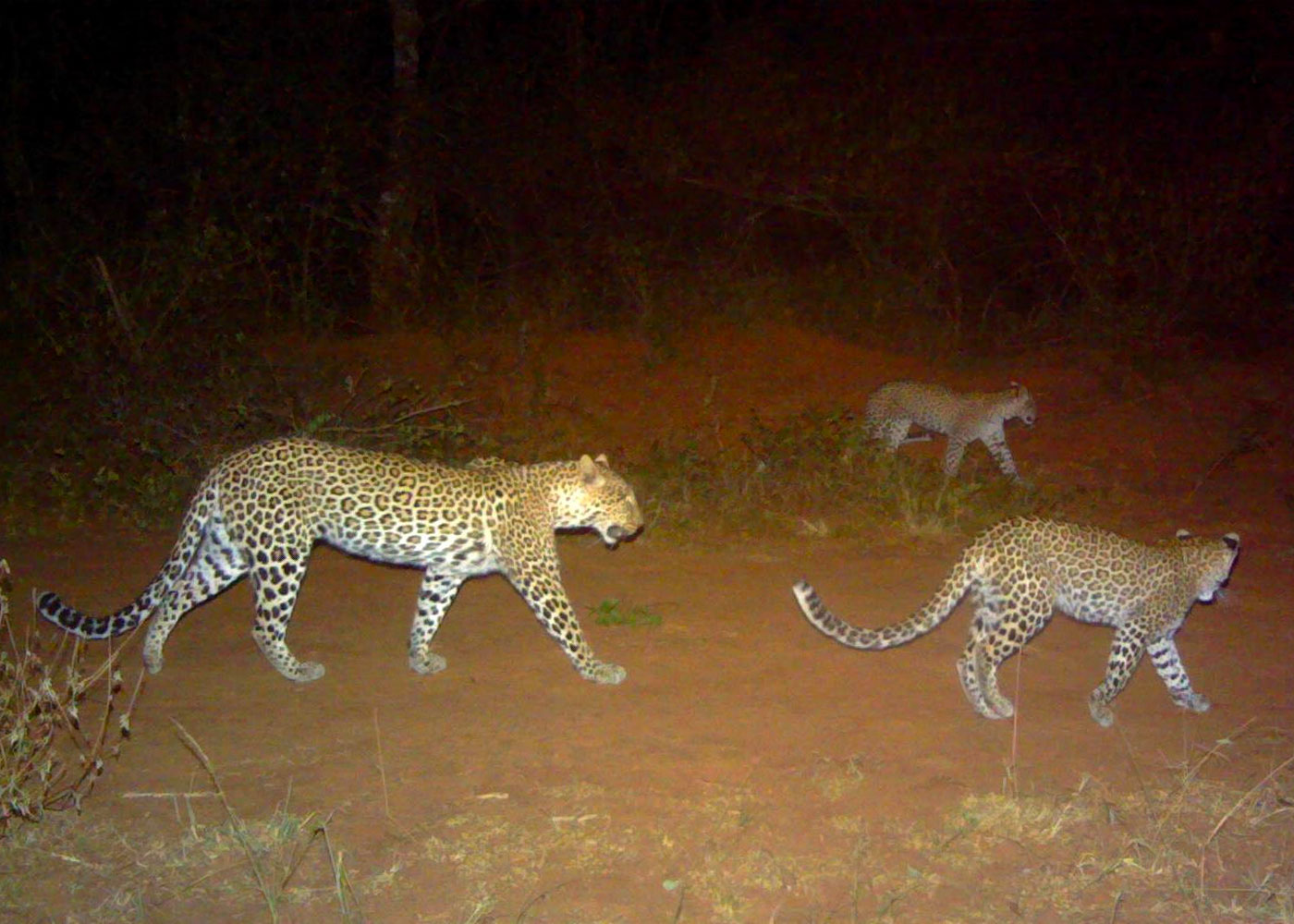
A night drive reveals another side of Akagera. Park-approved vehicles and guides use controlled lighting to search for nocturnal animals.
Possible sightings include hyenas, leopards, bush babies, civets, genets, owls and active hippos on land. Lions may also move after dark.
The drive generally operates in selected areas and must follow park regulations. Self-drive visitors cannot simply continue driving after normal daytime hours.
Travelers interested in a night safari should stay inside or suitably close to the park. Confirm pickup arrangements, departure time and availability before arrival.
Best Rwanda Gorilla and Wildlife Safari Itineraries
The ideal duration depends on budget, travel style and the number of activities. Four days provide a fast introduction, while five or six days create a more comfortable journey.
Four-Day Rwanda Gorilla and Wildlife Safari
A four-day tour represents the shortest practical combination for travelers who want both gorillas and Akagera wildlife.
Day One: Kigali to Volcanoes National Park
Your driver-guide collects you from Kigali International Airport or your city hotel. If time permits, visit the Kigali Genocide Memorial before driving north through Rwanda’s hills toward Musanze.
Arrive near Volcanoes National Park in the afternoon, check into the lodge and prepare for the following morning. Dinner and overnight take place near Kinigi or Musanze.
Day Two: Gorilla Trekking and Transfer Toward Akagera
After an early breakfast, drive to the park headquarters for registration and briefing. Join the assigned trekking group and enter the forest with rangers.
Spend the permitted observation period with the gorillas before returning to the trailhead. Meet your driver, have lunch and begin the journey east.
Because the transfer to Akagera is long after an unpredictable trek, this itinerary may require an overnight stay in Kigali or near the route rather than inside Akagera. Attempting to reach the park after a lengthy gorilla trek can create unnecessary pressure.
Day Three: Akagera Game Drive and Lake Ihema
Continue to Akagera early, register and begin the wildlife safari. Search for elephants, giraffes, zebras, buffaloes, rhinoceroses, lions and antelopes.
Add a scheduled boat excursion on Lake Ihema to see hippos, crocodiles and waterbirds. Stay overnight in or near Akagera.
Day Four: Morning Game Drive and Return to Kigali
Complete an early game drive, enjoy breakfast or lunch according to the program and return to Kigali for an evening flight or hotel drop-off.
This itinerary works, but it remains fast. Travelers should select flight times carefully.
Five-Day Rwanda Gorilla and Wildlife Safari
A five-day itinerary provides a better balance between driving, trekking and wildlife viewing.
Day One: Arrival and Kigali
Arrive at Kigali International Airport and meet your guide. Depending on the flight schedule, visit the Kigali Genocide Memorial, a local market or another city attraction.
Stay overnight in Kigali and recover from the international journey.
Day Two: Kigali to Volcanoes National Park
After breakfast, travel north toward Volcanoes National Park. Visit the Ellen DeGeneres Campus of the Dian Fossey Gorilla Fund, enjoy a cultural experience or explore the Musanze area.
Check into the lodge, have dinner and prepare trekking equipment.
Day Three: Gorilla Trekking and Kigali
Complete the gorilla trek in the morning. After returning from the forest, have lunch and travel to Kigali.
Staying in Kigali divides the long journey between the parks and provides essential flexibility if the gorilla trek ends later than expected.
Day Four: Kigali to Akagera and Lake Ihema
Leave Kigali early and reach Akagera in the morning. Enjoy a game drive through the southern sector, followed by an afternoon or sunset boat cruise on Lake Ihema.
Stay overnight inside or near the park.
Day Five: Akagera Game Drive and Kigali
Start early and complete a full or extended game drive. Explore woodland, wetland areas and open plains before exiting the park and returning to Kigali.
Six-Day Rwanda Gorilla and Wildlife Safari
Six days allow travelers to add golden monkeys and enjoy Akagera more slowly.
Day One: Arrival in Kigali
Airport pickup, hotel transfer and optional Kigali city activity.
Day Two: Kigali to Volcanoes National Park
Drive to Musanze, visit a conservation center or community activity and stay near Volcanoes National Park.
Day Three: Gorilla Trekking
Complete the gorilla trek and return to the lodge for a relaxed afternoon. This recovery time feels valuable after a challenging hike.
Day Four: Golden Monkey Tracking and Transfer to Kigali
Track golden monkeys in the bamboo forest. Afterward, have lunch and travel to Kigali.
Day Five: Kigali to Akagera and Boat Cruise
Drive to Akagera, enjoy a southern game drive and take a Lake Ihema boat excursion. Stay overnight in the park.
Day Six: Full Game Drive and Return to Kigali
Cross wildlife-rich habitats toward the north, enjoy a picnic lunch and return to Kigali after exiting the park.
Seven-Day Luxury Rwanda Gorilla and Wildlife Safari
A luxury itinerary creates time for premium lodges, private activities and slower transfers.
The first night takes place at a leading Kigali hotel. Two or three nights near Volcanoes National Park allow for gorilla trekking, conservation visits and wellness time.
After returning through Kigali, travelers continue to Akagera for two or three nights. Private game drives, a boat safari and comfortable lodge stays complete the journey.
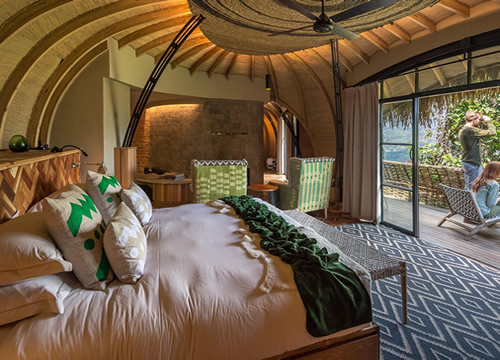
Luxury accommodation does not change the natural unpredictability of wildlife. However, it can provide personalized service, spacious rooms, fine dining, wellness facilities and exclusive guiding.
Best Time for a Rwanda Gorilla and Wildlife Safari
Rwanda welcomes visitors throughout the year. Nevertheless, rainfall affects trekking trails, savannah roads, vegetation and photography.
June to September
The long dry season is the most popular period for combining Volcanoes and Akagera. Gorilla trails may be less muddy, although mountain rain remains possible at any time.
In Akagera, vegetation can become thinner and animals may gather near water. These conditions often support productive game viewing.
Demand for permits, guides and accommodation increases during these months. Reserve early.
December to February
The shorter dry period also offers favorable conditions. Travelers may experience manageable trekking trails and good wildlife viewing.
Christmas and New Year dates become busy, so advance planning remains necessary.
March to May
The long rainy season produces green landscapes and excellent photography. Gorilla trekking can become muddy and physically demanding, while some Akagera tracks may require extra care.
Birding can be rewarding, and visitor numbers may decrease outside holiday periods. A capable 4×4 and waterproof clothing remain essential.
October and November
The shorter rains refresh Rwanda’s landscapes. Showers may be brief or persistent, depending on local conditions.
Travelers who accept changing weather can enjoy green scenery and strong birding opportunities. The forest looks especially atmospheric under mist and soft light.
No season guarantees dry trekking or particular wildlife sightings. Rwanda’s varied elevation creates local weather changes throughout the year.
Accommodation Near Volcanoes National Park
Volcanoes National Park offers accommodation across budget, midrange and luxury categories.
Luxury choices may include One&Only Gorilla’s Nest, Singita Kwitonda Lodge and Wilderness Bisate. These properties focus on premium service, distinctive design and proximity to the gorilla trekking region.
Upper-midrange and comfortable options include Five Volcanoes Boutique Hotel, Ingagi Park View Lodge and selected properties around Kinigi.
Other midrange or more affordable choices include Tiloreza Eco Lodge, Le Bambou Gorilla Lodge, Da Vinci Gorilla Lodge, Mountain Gorilla View Lodge, Fatima Hotel and Kinigi-area guesthouses.
The best lodge is not simply the most expensive. Consider travel time to the park headquarters, room comfort, meal arrangements, luggage storage and service for early trekking departures.
Accommodation in Akagera National Park
Akagera also offers several accommodation styles.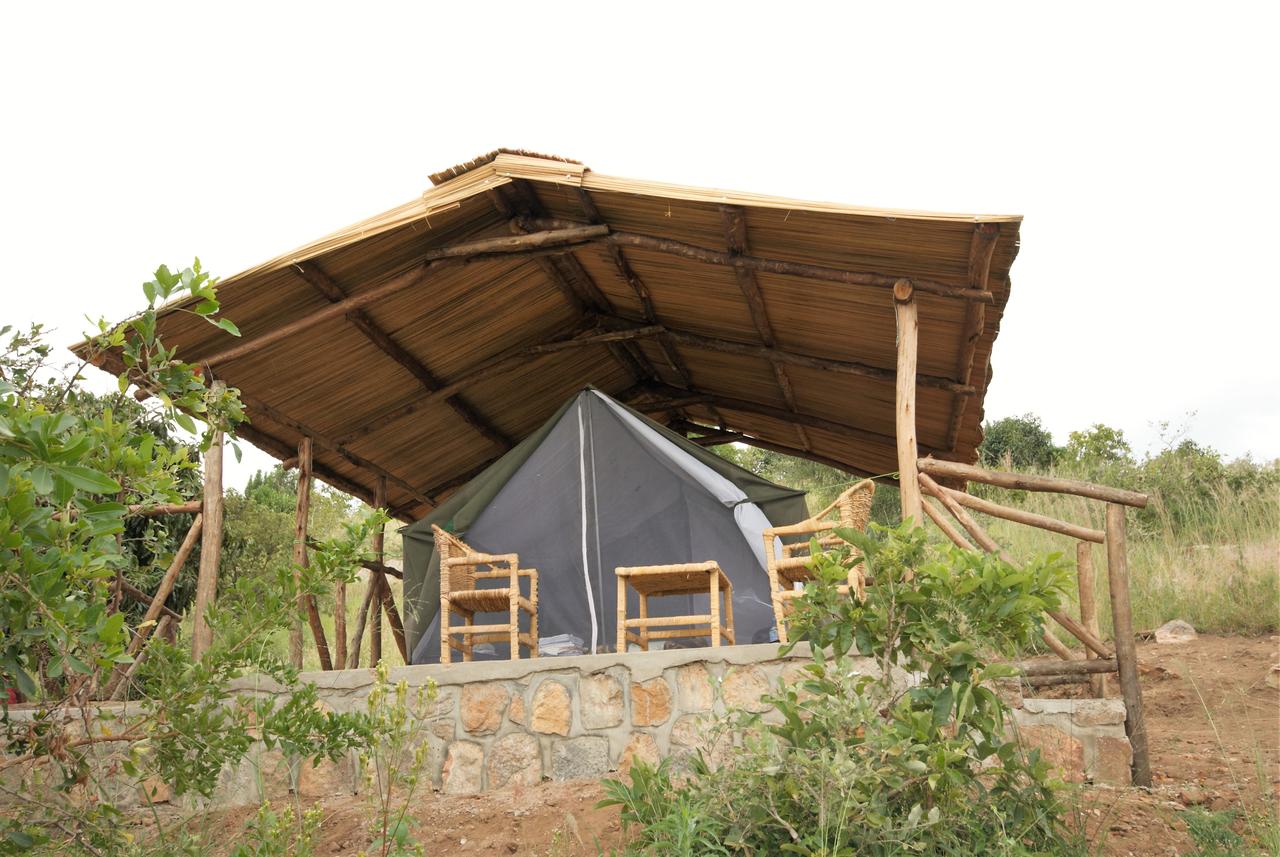
Ruzizi Tented Lodge provides an intimate setting near Lake Ihema. Its location works well for boat trips and southern game drives.
Akagera Game Lodge offers hotel-style facilities and can suit families or groups.
Rhino Lodge provides another option around the southern region. Guests should confirm the travel time to park activities.
Karenge Bush Camp offers a stronger wilderness atmosphere in a more remote setting, subject to operating arrangements.
Magashi and other premium northern experiences suit luxury travelers seeking exclusivity and wildlife-rich surroundings.
Campsites appeal to adventurous visitors, although travelers must follow strict safety and food-storage rules.
Location matters greatly in Akagera. A lodge in the south provides convenient access to Lake Ihema, while northern accommodation may support different game-viewing opportunities.
Rwanda Gorilla and Wildlife Safari Cost
The price depends on group size, accommodation category, itinerary length, activities and travel season.
The gorilla permit creates the largest fixed cost. At USD 1,500 per person, it represents a substantial share of most Rwanda safari packages.
Other costs may include:
- Akagera National Park entrance
- Vehicle entry
- Lake Ihema boat safari
- Golden monkey permit
- Private 4×4 vehicle
- Fuel and driver-guide
- Accommodation
- Meals
- Drinking water
- Airport transfers
- Kigali city activities
- Taxes and operational support
Solo travelers normally pay more per person because they cannot share the vehicle and guiding expenses. Couples and small groups divide these costs.
Luxury lodges can increase the total significantly, while carefully selected midrange accommodation can provide comfort at a more moderate price.
When comparing quotations, check whether the gorilla permit, Akagera fees, boat cruise, meals and accommodation are included. A low headline price may exclude the most expensive activities.
What Is Usually Included?
A complete package normally includes private transportation, fuel, an English-speaking driver-guide, accommodation, meals according to the itinerary, bottled water, park entrance fees and specified activities.
Gorilla permits should appear clearly in the inclusion list. The same applies to the Lake Ihema boat trip and golden monkey permits.
Airport pickup and final drop-off are commonly included when they fall within the itinerary dates.
Taxes and operational support should also be considered when calculating the complete tour price.
What Is Usually Excluded?
International flights, visa expenses, travel insurance, alcoholic drinks, optional activities, porter tips, guide gratuities and personal purchases are commonly excluded.
Premium wines and spirits may remain excluded even at full-board properties unless the lodge rate explicitly includes them.
Laundry, telephone calls, souvenirs and room upgrades also count as personal expenses.
Travelers should request written clarification before paying a deposit.
What to Pack for Gorilla Trekking and Akagera
Packing for forests and savannah requires versatile clothing. Volcanoes National Park can feel cool, wet and muddy, while Akagera often becomes warm and dusty.
For gorilla trekking, bring waterproof hiking boots with good grip, long trousers, a long-sleeved shirt, gardening gloves, rain protection and gaiters if available. Tuck trousers into socks or gaiters to protect against insects and vegetation.
A small backpack should carry water, snacks, sunscreen, medication and camera equipment. A porter can manage the bag and provide support.
For Akagera, wear light, neutral-colored clothing, a hat and sunglasses. Bring sunscreen, insect repellent and a light layer for early game drives.
Binoculars improve both forest birding and savannah wildlife viewing. Photographers should carry spare batteries, memory cards and protection against rain and dust.
Pack soft-sided luggage if the safari vehicle has limited storage space.
Photography Advice
Gorilla photography takes place in a dark forest where vegetation and changing light create technical challenges. A camera that handles higher ISO settings can help maintain a suitable shutter speed.
Flash photography is prohibited. Set the camera before reaching the gorillas and listen to the ranger’s instructions.
A medium telephoto or versatile zoom lens often works better than an extremely long lens because gorillas may appear relatively close. However, visitors must never move closer than permitted.
In Akagera, longer lenses help photograph predators, rhinoceroses and birds at a distance. A wider lens captures plains, lakes and dramatic skies.
Keep equipment accessible during game drives. Wildlife can appear and disappear quickly.
Photography should never override safety, conservation or the experience of other guests.
Is Rwanda Suitable for First-Time Safari Travelers?
Rwanda works particularly well for first-time African safari visitors. The country offers a manageable size, a strong tourism structure and relatively straightforward road connections.
A professional driver-guide handles navigation, park procedures, activity schedules and local communication. This support allows travelers to concentrate on wildlife and culture.
English is widely used within the tourism industry, while Kinyarwanda remains the national language. French is also spoken by many Rwandans.
A combined Volcanoes and Akagera itinerary introduces two major safari styles without requiring complicated internal flights.
Solo Rwanda Gorilla and Wildlife Safari
Solo travelers can complete the entire itinerary privately. This provides freedom over departure times, photography stops and accommodation choices.
The main disadvantage is cost because one person covers the vehicle, fuel and guide. Joining a confirmed departure can reduce expenses, but group availability may remain limited on particular dates.
Solo travelers should book through a recognized local operator, confirm the itinerary in writing and understand the payment conditions.
A private driver-guide also provides companionship and local knowledge throughout long transfers and game drives.
Family Rwanda Safari
Families with children aged 15 or older can combine gorilla trekking with Akagera. Each eligible participant requires a permit.
Younger children cannot join the gorilla trek, but the family can arrange alternative activities and supervision near Volcanoes National Park.
Akagera suits a wider age range because most wildlife viewing takes place from a vehicle. The Lake Ihema boat trip can also engage children, subject to current age and safety rules.
A private safari vehicle allows families to manage breaks, snacks and the general pace more easily.
Rwanda Honeymoon Safari
A gorilla and wildlife journey creates a memorable honeymoon because it combines adventure with intimate lodge experiences.
Couples can choose luxury or boutique accommodation, private transfers, a sunset Lake Ihema cruise and relaxed afternoons after trekking.
Lake Kivu can extend the itinerary with boat trips and lakeside relaxation. An additional night in Kigali also allows for fine dining and spa time.
Although honeymoon arrangements may add special touches, gorilla and wildlife activities still follow conservation rules and fixed schedules.
Responsible Gorilla and Wildlife Tourism
A Rwanda Gorilla and Wildlife Safari directly connects travelers with two important conservation landscapes.
Gorilla permit revenue supports park protection and broader conservation programs. Tourism also creates employment for guides, trackers, porters, lodge teams, drivers and nearby communities.
Akagera’s recovery demonstrates how long-term management, wildlife protection and tourism can restore a damaged ecosystem. Visitors contribute through entrance fees, activities and responsible behavior.
Travelers should maintain the required distance from gorillas, follow health rules and avoid littering. Inside Akagera, remain on designated tracks and never feed wildlife.
Choose local guides and operators, buy local products fairly and ask permission before photographing community members.
Responsible tourism values animal welfare and habitat protection above close photographs or guaranteed sightings.
Common Planning Mistakes
The most serious mistake is confirming flights and hotels before checking gorilla permit availability. The permit should guide the itinerary.
Another mistake involves scheduling the direct Volcanoes-to-Akagera transfer immediately after the gorilla trek. Since trekking duration varies, the journey may begin later than expected. A Kigali overnight often creates a safer schedule.
Travelers may also underestimate seasonal rain. Waterproof equipment remains necessary even during a dry month.
Choosing accommodation based only on price can produce long morning transfers. Always check the lodge’s position relative to park headquarters or planned activities.
Some visitors expect to see every member of the Big Five during a single Akagera game drive. Wildlife sightings cannot be guaranteed.
Finally, comparing package prices without checking inclusions often creates confusion. Confirm permits, park fees, meals, boat trips and vehicle services in writing.
Frequently Asked Questions
How many days do I need for Volcanoes and Akagera?
Four days provide the shortest practical combination. Five or six days offer a more comfortable itinerary with less rushing.
How far is Akagera from Volcanoes National Park?
The road distance varies according to the selected lodges and route but commonly falls between approximately 210 and 235 kilometres. Allow around five to six hours, usually through or near Kigali.
How much is a Rwanda gorilla permit?
The standard international visitor permit currently costs USD 1,500 per person. Confirm current rates and conditions before booking.
Can I see gorillas and the Big Five in Rwanda?
Yes. Mountain gorillas live in Volcanoes National Park, while Akagera National Park is home to lions, leopards, elephants, rhinoceroses and buffaloes.
Are Big Five sightings guaranteed?
No. Akagera protects a natural ecosystem where animals move freely. Guides improve the likelihood of sightings but cannot guarantee every species.
Can I complete the safari from Kigali?
Yes. Kigali provides the main arrival point and a convenient base between Volcanoes and Akagera.
Is the road between the parks paved?
Most of the main transfer route is paved. Roads inside Akagera consist mainly of unpaved safari tracks.
Do I need a 4×4?
A 4×4 is strongly recommended for Akagera, particularly during rainy conditions. It also provides better viewing and comfort.
Is gorilla trekking difficult?
Difficulty varies according to the gorillas’ location, weather and terrain. Some treks are relatively manageable, while others require several hours of steep walking.
Can I request an easier gorilla trek?
You can inform your operator and park officials about your fitness level. They may consider this during allocation, but an easy trek cannot be guaranteed.
Can children join gorilla trekking?
Participants must be at least 15 years old.
What is the best month for the safari?
June to September and December to February are popular because they often provide relatively dry conditions. However, the safari remains possible throughout the year.
Is Lake Ihema worth visiting?
Yes. The boat cruise offers excellent opportunities to see hippos, crocodiles and waterbirds and complements the land-based game drive.
Should I add golden monkey tracking?
Golden monkey tracking is a valuable addition for visitors with an extra morning. It offers another primate experience in the bamboo forest and usually requires less time than gorilla trekking.
Can solo travelers book this safari?
Yes. Private solo tours are available, although the cost per person is higher because vehicle and guiding expenses are not shared.
Is Rwanda safe for tourists?
Rwanda has an established tourism industry, but every traveler should take standard precautions, use professional providers and follow current official travel guidance.
Why Book with a Local Rwanda Tour Operator?
A local operator coordinates gorilla permits, accommodation, transfers, park reservations and changing activity schedules within one itinerary.
This coordination becomes especially important when combining opposite sides of the country. Poor timing can lead to rushed transfers, missed boat departures or inadequate rest before trekking.
Universal Ventures Rwanda designs private journeys according to permit availability, group size, room preference, budget and fitness level.
The company can also add Kigali city tours, golden monkey tracking, the Ellen DeGeneres Campus, cultural experiences, Lake Kivu or Nyungwe National Park.
Final Thoughts
A Rwanda Gorilla and Wildlife Safari – Volcanoes to Akagera National Park presents Rwanda at its most diverse. In the northwest, mist-covered volcanoes and bamboo forests protect mountain gorillas. In the east, warm savannah, woodland and wetlands support the Big Five and countless other species.
The journey combines close primate observation with traditional African game viewing. It also reveals the importance of conservation, local expertise and responsible tourism.
Four days can cover the main highlights, but five or six days provide a stronger itinerary. The extra time reduces long transfers, creates flexibility around the gorilla trek and allows visitors to enjoy Lake Ihema and Akagera without rushing.
Reserve the gorilla permit first, choose accommodation carefully and use a reliable 4×4 safari vehicle. Most importantly, approach each activity with patience. Gorillas and savannah wildlife move naturally, so every journey produces a unique story.
Book Your Rwanda Gorilla and Wildlife Safari
Universal Ventures Rwanda organizes private gorilla trekking and Akagera wildlife safaris for solo travelers, couples, families and groups. Packages can include gorilla permits, private 4×4 transportation, professional guiding, accommodation, meals, park fees, Lake Ihema boat safaris and airport transfers.
Universal Ventures Rwanda
Telephone and WhatsApp: +250 781 441 853
Email: info@universalventuresrwanda.com
Address: KN 15 Road, opposite IPRC Entrance, 1st Floor, SANGWA Plaza, Kigali, Rwanda
Website: www.universalventuresrwanda.com

Related Posts


Comments (0)