 Skip to content
A Luxury Rwanda Gorilla and Big Five Safari combines two of Africa’s most sought-after wildlife…
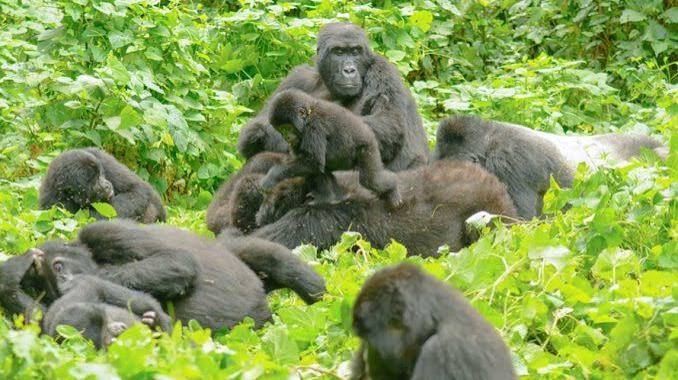
7-Day Rwanda Gorilla and Big Five Safari Itinerary
A 7-Day Rwanda Gorilla and Big Five Safari Itinerary combines two of Africa’s greatest wildlife experiences within one compact destination. Travellers can track endangered mountain gorillas in Volcanoes National Park, search for the Big Five in Akagera National Park, cruise among hippos on Lake Ihema and relax beside Lake Kivu—all within one unforgettable week.
Rwanda offers a rare advantage for travellers with limited time. Its leading safari destinations connect through a reliable road network, so visitors can experience volcanic rainforest, open savanna, wetlands, lakes and modern African culture without taking several domestic flights.
The journey introduces guests to the extraordinary variety of the Land of a Thousand Hills. Akagera National Park delivers classic game drives with the possibility of seeing lions, elephants, buffaloes, leopards and rhinoceroses. Volcanoes National Park offers the life-changing opportunity to observe mountain gorillas in their natural habitat. Meanwhile, Lake Kivu adds scenic beauty, boat adventures and a welcome period of relaxation.
This carefully paced itinerary avoids the mistake of trying to include every Rwandan national park in only seven days. Instead, it concentrates on Akagera, Volcanoes National Park, Lake Kivu and Kigali. Travellers enjoy meaningful time in each destination rather than spending most of the holiday on the road.
Whether you are planning your first African safari, celebrating a honeymoon, travelling with friends or arranging a family adventure, this guide explains what to expect each day. It also covers gorilla permits, wildlife, accommodation, costs, packing, safety and the best time to travel.
Why Choose a 7-Day Rwanda Gorilla and Big Five Safari Itinerary?
Rwanda is one of the few destinations where travellers can combine mountain gorillas and the African Big Five in a single-country safari.
Mountain gorillas live in the forested Virunga Mountains of northwestern Rwanda. By contrast, Akagera National Park protects savanna, woodland, lakes and wetlands in the east. The two destinations feel completely different, although both can be visited during one relatively short holiday.
A seven-day programme provides enough time to enjoy these contrasting environments without creating an exhausting schedule. Two nights in Akagera allow for a boat safari and a proper wildlife drive. Two nights near Volcanoes National Park provide time for gorilla trekking and another conservation or cultural experience. Lake Kivu then offers a peaceful conclusion before the return to Kigali.
Other reasons to choose this Rwanda safari itinerary include:
- One mountain gorilla trek in Volcanoes National Park
- Big Five game viewing in Akagera National Park
- A Lake Ihema boat safari
- A private safari vehicle and professional driver-guide
- Scenic drives through Rwanda’s countryside
- Cultural and conservation experiences
- Time beside Lake Kivu
- Airport transfers from Kigali International Airport
- Budget, midrange and luxury accommodation choices
- A flexible itinerary suitable for couples, families and private groups
The journey can begin on any date, subject to gorilla permit and accommodation availability. Private departures allow guests to travel at their preferred pace.
What the Leading Competitors Include in Their Rwanda Safari Itineraries
An analysis of leading 7-day Rwanda safari pages shows that most competitors combine Akagera National Park, Volcanoes National Park and Nyungwe Forest.
Although this creates an impressive list of attractions, it can also result in very long transfers and limited time in each destination. Driving directly between Akagera and Nyungwe or between Nyungwe and Volcanoes National Park can consume much of a day.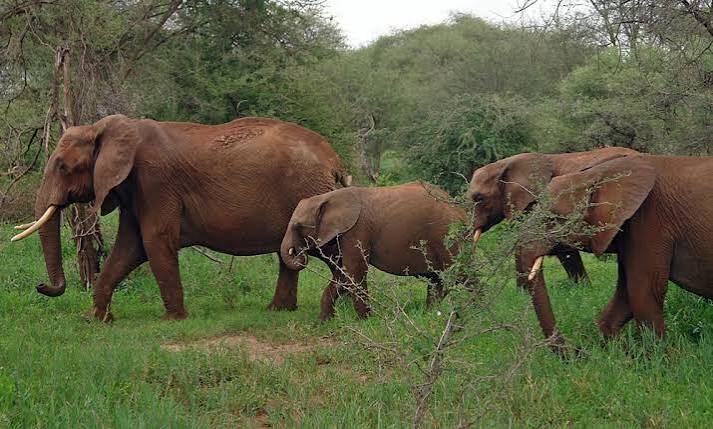
Several competitor itineraries include only one night in Akagera, followed by a short morning game drive. Others attempt to combine chimpanzee trekking and the Nyungwe canopy walk on the same day after an extremely early start.
The strongest competitors provide clear day-by-day programmes and mention gorilla permit costs. However, many offer limited information about driving time, trekking fitness, meal plans, room arrangements and what happens when travellers arrive on late international flights.
This improved 7-Day Rwanda Gorilla and Big Five Safari Itinerary focuses on comfortable pacing and the two main wildlife highlights promised in the title. It gives Akagera enough time for both a boat safari and a full game drive. It also provides two nights near Volcanoes National Park rather than forcing travellers to arrive late before an early gorilla trek.
Lake Kivu replaces the rushed Nyungwe extension. This choice creates a more realistic seven-day route while still adding boating, scenery and relaxation. Travellers who want chimpanzee trekking and Nyungwe National Park should consider extending the safari to nine or ten days.
7-Day Rwanda Gorilla and Big Five Safari Itinerary at a Glance
Day 1: Arrival at Kigali International Airport and transfer to your hotel
Day 2: Kigali city experience and transfer to Akagera National Park
Day 3: Full-day Big Five game drive in Akagera National Park
Day 4: Transfer from Akagera to Volcanoes National Park
Day 5: Mountain gorilla trekking and cultural experience
Day 6: Conservation experience or golden monkeys, followed by Lake Kivu
Day 7: Lake Kivu boat experience, return to Kigali and departure
The programme can be adjusted around flight schedules. Travellers arriving very late should retain the first night in Kigali rather than beginning the drive to Akagera immediately.
Detailed 7-Day Rwanda Gorilla and Big Five Safari Itinerary
Day 1: Arrival in Kigali and Airport Transfer
Welcome to Rwanda, the Land of a Thousand Hills.
A representative from Universal Ventures Rwanda will meet you at Kigali International Airport. After a warm welcome, your private driver-guide will assist with your luggage and transfer you to your confirmed Kigali hotel.
The drive provides your first introduction to Rwanda’s capital. Depending on the arrival time, your guide can explain the following day’s schedule and answer questions about the safari.
Guests arriving during the morning may add a gentle city orientation, local meal or craft-market visit. However, travellers arriving after a long international journey should keep the programme relaxed.
An unstructured first evening helps your body adjust to the local time and prepares you for the adventure ahead. Starting with rest is especially important because the itinerary includes early departures and active wildlife experiences.
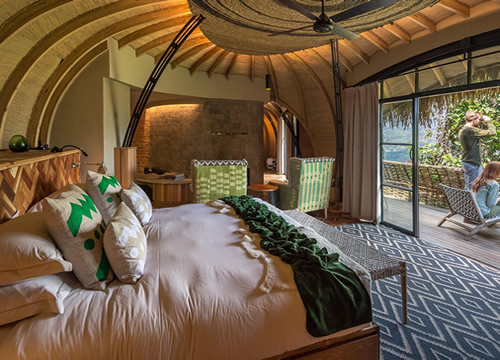
Kigali offers accommodation across several categories. Budget travellers can choose a clean guesthouse or simple hotel. Midrange options usually provide larger rooms, restaurants and comfortable city locations. Luxury guests can select internationally recognised properties, boutique hotels or premium suites.
When travelling as a family or private group, confirm the room arrangement in advance. A double room usually contains one large bed for two people, while a twin room offers two separate beds. A single room accommodates one person. Families may require connecting rooms, family suites or extra beds.
Main activity: Airport pickup and hotel transfer
Destination: Kigali
Accommodation: Budget, midrange or luxury hotel
Meals: Depending on arrival time and selected package
Day 2: Kigali City Experience and Transfer to Akagera National Park
After breakfast, meet your driver-guide for a short introduction to Kigali before continuing east to Akagera National Park.
The city programme should reflect your arrival time and personal interests. A well-planned tour may include the Kigali Genocide Memorial, a local market, an art gallery or selected historical landmarks.
The Kigali Genocide Memorial provides essential context for understanding Rwanda’s history and recovery. Visitors should approach the experience with respect and allow enough time for reflection. It should never become a rushed photography stop.
If you prefer a lighter morning, the tour can focus on modern Kigali, local crafts, coffee and panoramic viewpoints.
After the city experience, continue toward Akagera National Park. The journey passes through cultivated hills, small towns and rural communities before reaching the country’s eastern savanna region.
Depending on traffic and stops, the drive from Kigali to the park area usually takes approximately two and a half to three hours. Your guide will arrange a suitable lunch stop or coordinate lunch at the lodge.
After checking in, enjoy time to relax before an optional evening game drive or sunset boat safari on Lake Ihema.
Sunset Boat Safari on Lake Ihema
A boat safari provides an excellent introduction to Akagera’s wetland ecosystem. Lake Ihema is known for hippos, Nile crocodiles and abundant waterbirds.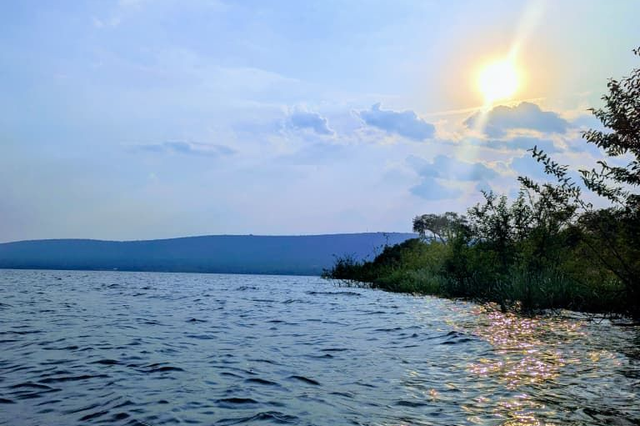
From the boat, guests may observe African fish eagles, kingfishers, cormorants, herons, egrets and other species. Elephants, buffaloes or antelopes may also approach the shoreline, although every outing is different.
The sunset light creates beautiful views across the water and surrounding hills. This gentle activity also balances the drive from Kigali.
Boat trips should be reserved in advance, particularly during busy travel months. Guests must follow the captain’s safety guidance and keep cameras or phones secured.
After the activity, return to your lodge for dinner and overnight.
Main activities: Kigali city tour, transfer to Akagera and Lake Ihema boat safari
Destination: Akagera National Park
Accommodation: Lodge or tented camp
Meals: Breakfast, lunch and dinner according to package
Day 3: Full-Day Big Five Safari in Akagera National Park
Wake early, enjoy breakfast and prepare for a full-day wildlife adventure.
Akagera National Park is Rwanda’s leading savanna destination. Its landscape includes open plains, acacia woodland, hills, lakes, swamps and wetland systems.
This variety supports an impressive range of wildlife. The park protects all members of the African Big Five: lion, leopard, elephant, buffalo and rhinoceros.
Visitors may also encounter giraffes, zebras, impalas, topis, elands, waterbucks, bushbucks, warthogs, baboons and several monkey species. Hippos and crocodiles inhabit the lakes and waterways.
Wildlife sightings remain unpredictable. Akagera is a natural protected area, not a zoo. Animals move according to water, food, weather and breeding behaviour.
A knowledgeable guide increases the quality of the experience by interpreting tracks, calls, alarm signals and habitat. Rather than racing from one large animal to another, take time to appreciate the complete ecosystem.
Morning Wildlife Viewing
Early morning offers cooler temperatures and good wildlife activity. Predators may still be moving after the night, while herbivores gather in open areas.
The soft morning light also provides favourable photography conditions.
Your guide will select the route according to recent sightings, road conditions and seasonal animal movement. Although everyone hopes to see the Big Five, smaller encounters can become equally memorable.
Watching giraffes feeding, zebras interacting or elephants caring for their young can reveal more than a distant leopard sighting.
Picnic Lunch Inside Akagera
A packed lunch allows you to remain inside the park during the middle of the day. The guide will select an authorised and safe location.
Guests should never feed wildlife or leave rubbish behind. Food must remain secured, and all park instructions should be followed.
A picnic provides time to stretch, rest and discuss the morning’s sightings before continuing.
Afternoon Game Drive
The route may continue toward Akagera’s northern plains, where open landscapes provide excellent visibility.
Wildlife may become more active as temperatures begin to decrease. Large herds and impressive scenery often make the northern section a highlight.
The full-day drive may end at a northern exit or return toward the lodge, depending on accommodation, road conditions and the confirmed programme.
Although a full-day safari can be tiring, it provides a much stronger Akagera experience than a rushed two- or three-hour game drive. Carry water, sun protection, binoculars and camera batteries.
Return to the lodge for dinner and a relaxing evening.
Main activity: Full-day Akagera game drive
Destination: Akagera National Park
Accommodation: Lodge or tented camp
Meals: Breakfast, picnic lunch and dinner
Day 4: Transfer from Akagera to Volcanoes National Park
After breakfast, leave Akagera and begin the scenic journey toward Volcanoes National Park in northwestern Rwanda.
The transfer reveals the country’s changing landscape. Eastern savanna gradually gives way to Kigali’s hills and then to the cooler highlands around Musanze.
A direct transfer can take several hours, depending on the location of the lodge, road conditions, Kigali traffic and comfort stops. A private vehicle makes the journey easier because guests can pause for refreshments, photography or lunch.
If time allows, the programme may include a short stop in Kigali. However, avoid adding too many city attractions because arriving early in Musanze allows proper preparation for the gorilla trek.
Arrival in Musanze
Musanze is the main gateway to Volcanoes National Park. The town lies beneath the dramatic peaks of the Virunga Mountains.
After arriving, check in at your selected lodge and enjoy the mountain atmosphere. Your guide will explain the gorilla trekking arrangements, recommended clothing and departure time.
Use the evening to prepare your daypack. Organise your passport, permit confirmation, camera, waterproof jacket, gloves, gaiters, water and snacks.
Dinner should not end too late because gorilla trekking day begins early.
Main activity: Transfer to Volcanoes National Park
Destination: Musanze or Kinigi
Accommodation: Budget, midrange or luxury lodge
Meals: Breakfast, lunch and dinner according to package
Day 5: Mountain Gorilla Trekking and Cultural Experience
Today delivers the signature experience of the 7-Day Rwanda Gorilla and Big Five Safari Itinerary.
Wake early and enjoy breakfast before driving to the Volcanoes National Park headquarters in Kinigi. Registration and briefing generally begin in the morning.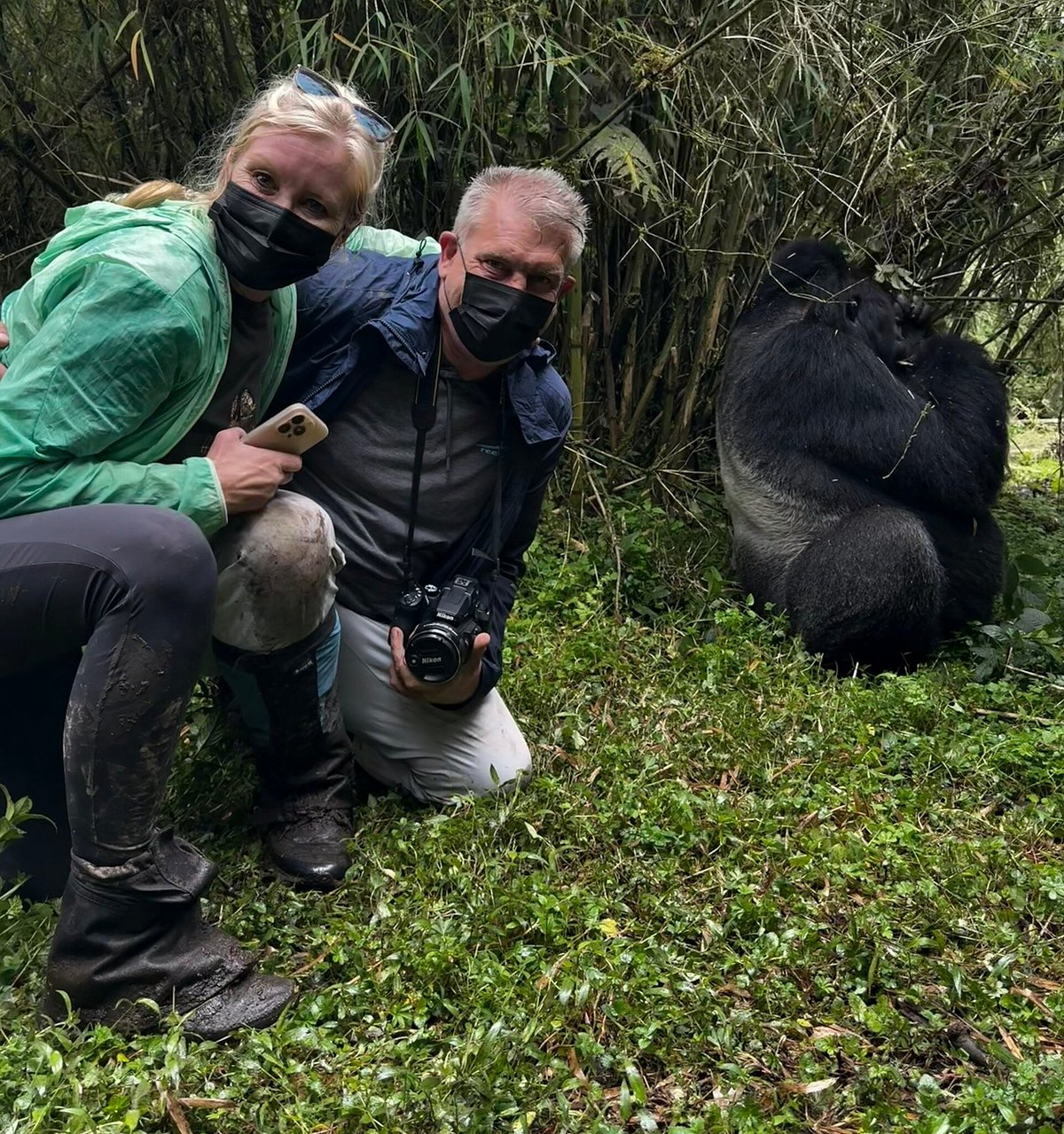
Park staff explain the gorilla trekking rules and organise participants into trekking groups. Visitors receive information about the assigned gorilla family, forest conditions and expected behaviour.
Rwanda’s official tourism information states that gorilla groups are assigned partly according to participants’ fitness. The hike can last from approximately 30 minutes to four or more hours, depending on the location of the gorillas. Visit Rwanda also confirms that visitors must be at least 15 years old and that the standard international permit costs USD 1,500.
Beginning the Gorilla Trek
After the briefing, drive to the relevant trailhead and meet the ranger team. Porters are normally available to carry backpacks and provide physical assistance.
Hiring a porter offers practical support on muddy or steep sections. It also provides direct employment to members of surrounding communities.
The hike may cross farmland before entering bamboo and montane forest. Terrain can include mud, roots, nettles, steep slopes and dense vegetation.
Walk at a steady pace and communicate with your ranger if you need a break. There is no advantage in exhausting yourself early.
Trackers move ahead of the visitor group and communicate with the guides. Signs such as footprints, broken vegetation and fresh feeding remains indicate the gorillas’ movements.
Meeting the Mountain Gorillas
Once the gorilla family has been located, the ranger will provide final instructions. Visitors normally leave walking sticks and unnecessary bags with the porters before approaching.
The permitted observation period is limited to a maximum of one hour. This carefully controlled system protects the gorillas while allowing guests to witness their natural behaviour.
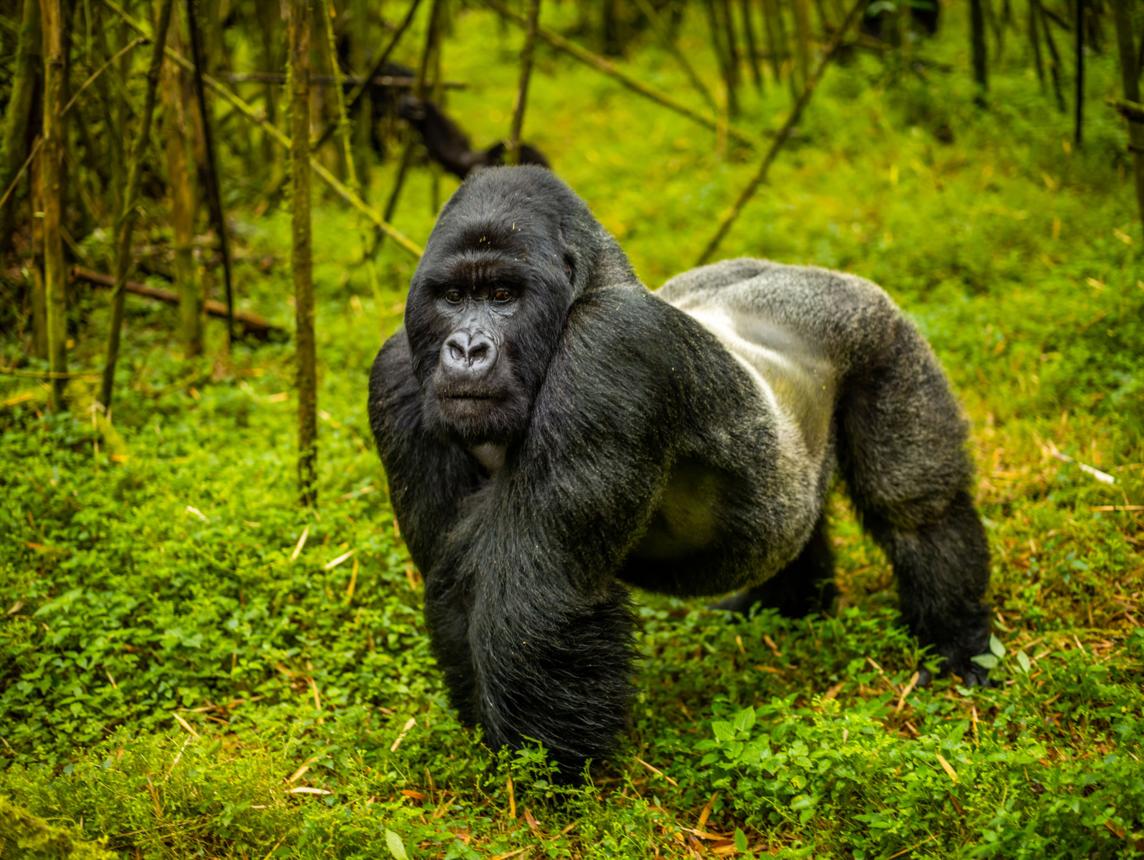
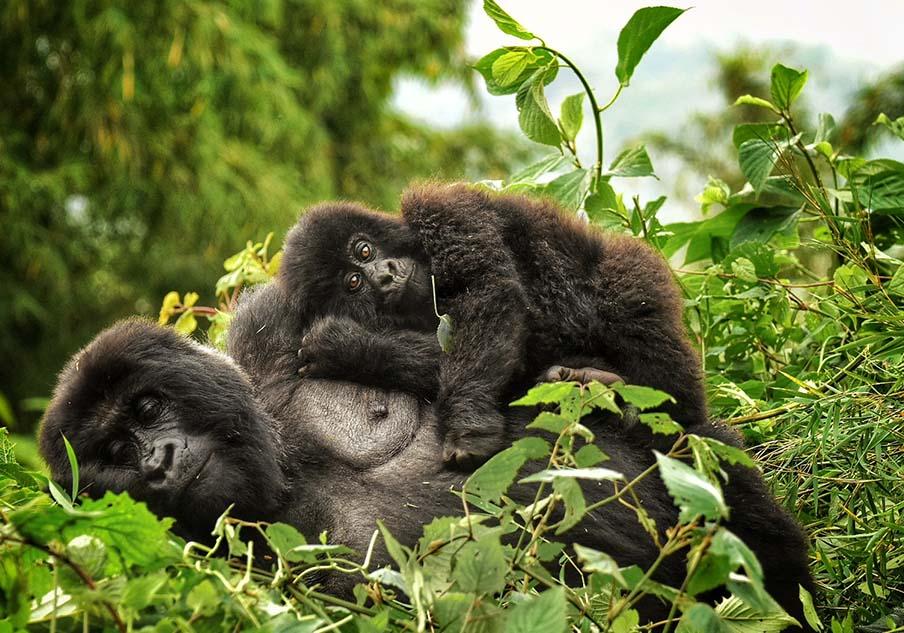
You may see a silverback resting, females caring for infants or younger gorillas playing. Their behaviour varies from day to day.
Remain calm, avoid sudden movement and follow the ranger’s directions. Flash photography is not allowed. Visitors should maintain the required distance, even if a gorilla moves closer.
Gorillas remain wild animals despite their habituation to carefully managed human visits. Respecting every rule protects both guests and the gorilla family.
After the encounter, return through the forest and meet your driver-guide. Depending on the trek’s duration, you may receive a packed lunch or return to the lodge for a late meal.
Afternoon Cultural Experience
If the trek ends early and you still have enough energy, spend the afternoon enjoying a guided cultural experience near Volcanoes National Park.
The programme may include traditional dance, local crafts, storytelling, food preparation or an introduction to historical ways of life.
Choose a responsible experience that treats participants with dignity and provides clear benefits to the community. Always ask permission before photographing people.
If the gorilla trek was long, return to the lodge and rest instead. A private itinerary should remain flexible rather than forcing every optional activity into the day.
Main activities: Gorilla trekking and optional cultural experience
Destination: Volcanoes National Park
Accommodation: Lodge near Musanze or Kinigi
Meals: Breakfast, packed or lodge lunch, and dinner
Day 6: Golden Monkeys or Conservation Experience and Transfer to Lake Kivu
After breakfast, choose between an additional forest adventure and a conservation-focused experience.
Option One: Golden Monkey Tracking
Golden monkeys live in the bamboo forests of Volcanoes National Park. Their bright colouring, expressive faces and energetic movement create an entertaining encounter.
The experience begins with registration and a park briefing. Visitors then walk with guides to locate a habituated group.
Golden monkey tracking may be less demanding than some gorilla treks, although conditions vary. Trails can still be muddy, and the monkeys move quickly through the vegetation.
The standard permit is generally more affordable than a gorilla permit, making this a popular addition to Rwanda safari packages. The latest price and participation conditions should be confirmed before booking.
Photographers should prepare for rapidly moving subjects and changing forest light.
Option Two: Ellen DeGeneres Campus
Travellers who prefer a less physically demanding morning can visit the Ellen DeGeneres Campus of the Dian Fossey Gorilla Fund.
The campus introduces visitors to gorilla research, conservation science and the legacy of Dian Fossey. Interactive exhibits explain the lives of mountain gorillas and the work required to protect them.
This experience adds valuable context after the previous day’s trek. It helps guests understand that gorilla tourism depends on decades of research, ranger protection, veterinary care and community cooperation.
Transfer to Lake Kivu
After the morning activity and lunch, continue to Lake Kivu.
The road descends from the volcanic highlands toward the lake. Depending on the selected accommodation, the journey may lead to Rubavu or another convenient lakeside destination.
Lake Kivu offers a refreshing change after trekking. Check in at your hotel and enjoy the rest of the afternoon at leisure.
Guests can walk beside the lake, relax at the property or watch the sunset over the water. This slower period gives the body time to recover before departure day.
Main activities: Golden monkey tracking or conservation visit, followed by Lake Kivu
Destination: Lake Kivu
Accommodation: Lakeside hotel or lodge
Meals: Breakfast, lunch and dinner according to package
Day 7: Lake Kivu Boat Experience, Return to Kigali and Departure
Enjoy breakfast overlooking Lake Kivu before beginning the final experience of the safari.
Lake Kivu Boat Safari
A guided boat trip introduces the lake’s islands, birds and waterfront scenery. The exact route depends on the departure point, weather and available time.
Guests may explore selected islands, observe birdlife and learn about fishing communities. Some programmes can include a coffee experience when time permits.
All passengers should wear properly fitted life jackets and follow the boat captain’s instructions. Protect cameras and electronic equipment from water.
If your international flight departs early, the boat experience may need to be shortened or removed. Flight timing always takes priority.
Return to Kigali
After the lake activity, begin the journey back to Kigali. Enjoy Rwanda’s scenic hills and make suitable comfort stops along the way.
Depending on the flight schedule, there may be time for lunch, gift shopping or a short city stop.
Your driver-guide will transfer you to Kigali International Airport or a confirmed city hotel, marking the end of the 7-Day Rwanda Gorilla and Big Five Safari Itinerary.
Main activities: Lake Kivu boat tour, Kigali transfer and drop-off
Destination: Kigali
Meals: Breakfast and lunch according to package
Safari Highlights
The journey combines Rwanda’s leading wildlife and scenic attractions:
- Mountain gorilla trekking in Volcanoes National Park
- Big Five safari in Akagera National Park
- Full-day private wildlife game drive
- Sunset boat safari on Lake Ihema
- Golden monkey tracking or gorilla conservation experience
- Lake Kivu boat trip
- Kigali city and historical experience
- Rwandan cultural encounter
- Scenic private transfers
- Professional driver-guide throughout the tour
Why Akagera National Park Is Essential
Akagera gives Rwanda a complete safari identity. Without it, many travellers associate the country only with primates and mountain forests.
The park protects a complex ecosystem that stretches from wooded hills to wetlands and open plains. This variety supports large mammals, predators, primates, reptiles and hundreds of bird species.
The Big Five of Akagera
Lions
Lions have successfully returned to Akagera’s ecosystem. Guests may see them resting in the grass, moving across the road or watching herds from a distance.
Early morning and late afternoon can provide good opportunities, although sightings are never guaranteed.
Leopards
Leopards are naturally elusive. They move mainly during quieter and cooler hours and can disappear easily into vegetation.
Spotting one requires patience, careful observation and good fortune.
Elephants
Elephants may appear alone or in family groups. They move through woodland, savanna and areas near water.
Guests should remain quiet and allow elephants sufficient space. The guide will interpret their behaviour and decide when to move the vehicle.
Buffaloes
African buffaloes occur across Akagera and may gather in substantial herds. Older bulls are sometimes seen separately from the main group.
Although they may appear calm, buffaloes are powerful wild animals and must be treated with respect.
Rhinoceroses
Rhinoceroses complete Akagera’s Big Five. Their presence represents an important chapter in the restoration of the park’s wildlife.
Rangers and conservation teams monitor these animals closely. Visitors should follow all guidance concerning rhino sightings and photography.
Other Akagera Wildlife
The safari is not limited to the Big Five. Giraffes, zebras, topis, impalas, waterbucks, elands, warthogs and baboons frequently provide memorable encounters.
Hippos and crocodiles dominate the wetland environment, while smaller animals reward observant visitors.
Birdwatchers can search for raptors, waterbirds, savanna species and colourful woodland birds. Even guests without previous birding experience often become interested after seeing fish eagles, kingfishers and bee-eaters.
Gorilla Trekking in Volcanoes National Park
Gorilla trekking combines physical challenge, conservation and close wildlife observation.
Volcanoes National Park forms part of the Virunga landscape shared by Rwanda, Uganda and the Democratic Republic of the Congo. Its high-altitude forest protects mountain gorillas, golden monkeys and other wildlife.
Rwanda carefully manages gorilla tourism. Only a limited number of permits are available each day, and each habituated gorilla family receives visitors for a maximum of one hour.
The official tourism authority advises travellers to book in advance because availability is limited. International visitor permits currently cost USD 1,500 per person per trek. Visit Rwanda provides the latest official guidance.
Minimum Age for Gorilla Trekking
Participants must be at least 15 years old on the trekking date.
Families travelling with younger children should arrange a supervised alternative activity. Options may include the Ellen DeGeneres Campus, an age-appropriate cultural tour or time at a suitable lodge.
Parents can also trek on different days, although each trekking adult requires a separate permit.
Gorilla Trekking Fitness
Visitors do not need to be professional athletes. However, they should prepare for uneven terrain, elevation, mud and unpredictable walking time.
Regular walking, stair climbing and moderate cardiovascular exercise can improve comfort. Wear hiking boots before the holiday so they are already broken in.
At the morning briefing, tell park staff and your guide about mobility or fitness concerns. Assignments consider several factors, although no particular gorilla family or trek length can be guaranteed.
What to Wear
Wear long trousers, a long-sleeved shirt, waterproof hiking boots and a lightweight rain jacket. Gardening-style gloves protect the hands from rough plants and nettles.
Gaiters prevent mud and insects from entering the boots. Neutral colours work well, although clothing does not need to follow the same strict colour approach as an open savanna safari.
Bring a warm layer because mornings in the Virunga highlands can feel cold.
Best Time for a 7-Day Rwanda Gorilla and Big Five Safari
Rwanda welcomes visitors throughout the year. However, weather influences trekking conditions, road surfaces, wildlife distribution and photography.
June to September
The longer dry season remains one of the most popular travel periods. Gorilla trails may be less muddy, and Akagera wildlife often gathers near permanent water.
High demand means gorilla permits and preferred lodges can sell out. Reserve well in advance.
December to February
The shorter dry season also suits gorilla trekking and Akagera safaris. Conditions often support outdoor travel, although rain can still occur.
Christmas, New Year and other popular dates may attract supplements and limited availability.
March to May
The longer rainy period brings lush vegetation and dramatic landscapes. Gorilla trekking continues, but trails can become muddy and slippery.
Akagera remains open, although road conditions and wildlife distribution may change. Some lodges offer seasonal value during quieter months.
October and November
The shorter rains provide green scenery and fewer visitors than peak-season months. Travellers should carry waterproof clothing and maintain realistic expectations.
Rain can fall in Volcanoes National Park during any month because it protects a high-altitude forest ecosystem.
Accommodation Options
This safari can be organised at budget, midrange or luxury level.
Budget Safari Accommodation
Budget packages use clean guesthouses, simple hotels and affordable lodges. Rooms normally include private facilities, although amenities may be limited.
Budget accommodation works well for travellers who prioritise activities over premium facilities.
Midrange Safari Accommodation
Midrange packages provide comfortable rooms, reliable meals and convenient locations. They offer an appealing balance between value and comfort.
Possible styles include city hotels in Kigali, safari lodges near Akagera, comfortable lodges around Musanze and waterfront properties at Lake Kivu.
Luxury Safari Accommodation
Luxury itineraries may feature premium suites, high-end tented camps, personalised service, fine dining and exclusive locations.
Some leading luxury properties cost significantly more than the activities themselves. Travellers should decide whether the lodge experience is central to the holiday or whether they prefer to invest in additional activities.
Room Categories
A single room accommodates one person. A double room contains one shared bed for two travellers, while a twin room provides two separate beds.
The price per person may change according to room category and group size. Solo travellers pay more because they do not share vehicle and room costs.
Confirm bedding before paying a deposit, especially during peak season.
7-Day Rwanda Gorilla and Big Five Safari Cost
The final price depends on the number of travellers, travel season, accommodation category, room arrangement and optional activities.
The gorilla permit is the largest fixed expense. International visitors currently pay USD 1,500 per person for one trek.
Other costs include Akagera entrance fees, the safari vehicle, fuel, driver-guide, Lake Ihema boat trip, accommodation, meals and transfers.
A private safari often becomes more affordable per person as the group size increases because vehicle and guiding expenses are shared.
What Is Usually Included?
A complete package may include:
- One Rwanda gorilla trekking permit per eligible participant
- Private 4×4 safari vehicle
- Professional English-speaking driver-guide
- Fuel and transportation
- Airport pickup and drop-off
- Six nights of accommodation
- Meals stated in the proposal
- Akagera National Park entrance
- Full-day Akagera game drive
- Lake Ihema boat safari
- Bottled drinking water in the vehicle
- Cultural or conservation experiences
- Lake Kivu boat trip
- Government taxes and operational support
What Is Usually Excluded?
Common exclusions include international flights, visa fees, travel insurance, alcoholic drinks, personal purchases, optional activities, laundry and tips.
Porter costs are normally quoted separately because guests decide whether to hire one on trekking day.
Always review the exact inclusion list. Two packages with similar prices may contain very different services.
Private Versus Group Safari
A private safari provides exclusive use of the vehicle and driver-guide for most of the journey.
Guests can adjust departure times, stop for photographs and spend longer at interesting wildlife sightings. Private travel also makes airport transfers and hotel changes easier.
Shared safaris may reduce costs but offer less control. Other travellers may have different interests, accommodation preferences or fitness levels.
Even on a private tour, gorilla trekking normally takes place in a park-assigned group. The private arrangement covers the wider itinerary rather than exclusive access to a gorilla family.
Packing List
Bring versatile clothing for warm savanna conditions and cool mountain mornings.
Essential items include sturdy hiking boots, long trousers, long-sleeved shirts, a rain jacket, warm fleece, gloves and gaiters.
For Akagera, carry neutral-coloured clothing, sunglasses, sunscreen, a hat and binoculars. Lake activities require quick-drying clothing and protection for electronic equipment.
Additional items include insect repellent, prescribed medication, a reusable water bottle, camera batteries, power adapters and copies of important travel documents.
Avoid packing too much. Soft-sided bags fit more easily in safari vehicles than large hard-shell suitcases.
Health and Travel Safety
Consult a qualified travel-health professional before departure. Recommendations depend on your medical history, travel route and countries visited before or after Rwanda.
Discuss routine vaccinations, malaria prevention and protection from insect bites. Entry requirements can change, so verify official guidance before travelling.
Purchase comprehensive travel insurance that covers medical care, evacuation, cancellation and gorilla trekking.
Do not trek when suffering from a contagious illness. Mountain gorillas share biological similarities with humans and can become vulnerable to human infections.
During the safari, follow your guide’s instructions. Never approach wildlife, feed animals or leave the vehicle without permission.
Sustainable and Responsible Safari Travel
Responsible tourism supports conservation and communities.
Gorilla permit revenue contributes to protection, monitoring and community initiatives. Rwanda’s official tourism authority states that 10% of permit revenue supports nearby communities through projects such as schools, health centres and roads. Visit Rwanda also highlights the employment created for rangers, trackers, guides and porters.
Guests can contribute further by hiring local porters, purchasing crafts directly from recognised artisans and choosing responsible cultural programmes.
Respect wildlife distances, avoid littering and never pressure a guide to break park rules for a photograph.
Carry refillable water bottles where safe refilling facilities exist and minimise unnecessary disposable plastic.
Can Children Join This Safari?
Families can enjoy Akagera game drives, Lake Ihema, Kigali and Lake Kivu. However, children under 15 cannot participate in Rwanda’s standard gorilla trek.
A customised programme can arrange an alternative activity for younger travellers while adults and eligible teenagers trek.
Parents should confirm child policies at each lodge. Some unfenced safari camps may impose age restrictions because wildlife moves through the property.
Game drives should be adjusted to the child’s attention span. Two shorter drives may work better than one full-day outing for young children.
Should Nyungwe Be Added to a Seven-Day Safari?
Nyungwe National Park offers chimpanzee trekking, a canopy walkway, ziplining, forest hikes and tea experiences. It is an excellent destination, but adding it to Akagera and Volcanoes National Park within seven days creates a demanding route.
Travellers who want Nyungwe should extend the programme to nine or ten days. This allows the journey to include:
- Two nights in Akagera
- One or two nights in Kigali
- Two nights near Volcanoes National Park
- One night at Lake Kivu
- Two or three nights near Nyungwe
An extended itinerary reduces long driving days and gives guests enough time to enjoy each activity.
Frequently Asked Questions
Is seven days enough for Rwanda?
Yes. Seven days provides enough time for Kigali, Akagera National Park, Volcanoes National Park and Lake Kivu when the itinerary is carefully planned.
How much does a Rwanda gorilla permit cost?
The standard international visitor permit currently costs USD 1,500 per person for one trek.
Is the gorilla permit included in the package price?
It can be included in a complete safari package. Always check the written proposal before payment.
Can I see the Big Five in Rwanda?
Yes. Akagera National Park protects lions, leopards, elephants, buffaloes and rhinoceroses.
Are Big Five sightings guaranteed?
No. Wild animals move freely, so individual sightings cannot be guaranteed.
How long is the drive from Kigali to Akagera?
The journey generally takes approximately two and a half to three hours, depending on traffic, stops and the lodge location.
How long is the drive from Kigali to Volcanoes National Park?
The journey normally takes around two and a half to three hours, depending on traffic and the accommodation location.
How difficult is gorilla trekking?
Difficulty varies from a relatively short forest walk to several hours over steep, muddy terrain. Fitness and weather both influence the experience.
How much time will I spend with the gorillas?
Once the gorillas are located, the standard observation period is limited to a maximum of one hour.
Can children trek gorillas?
Participants must be at least 15 years old.
Do I need a porter?
A porter is optional but highly recommended. Porters carry bags, provide balance on steep sections and receive valuable local employment.
What type of vehicle is used?
Private tours normally use a suitable 4×4 safari vehicle. The specific vehicle depends on the group size and package.
Is Lake Kivu safe for boat trips?
Use an established operator, wear a life jacket and follow the captain’s instructions. Trips depend on weather conditions.
Can solo travellers book this itinerary?
Yes. Solo travellers can book a private safari, although the price per person is generally higher because vehicle and accommodation costs are not shared.
Can the itinerary start on any day?
Yes, subject to gorilla permits, lodge availability and park activities.
Is Rwanda suitable for honeymoon safaris?
Yes. Private touring, scenic lodges, gorilla trekking and Lake Kivu create an excellent honeymoon combination.
Can I choose budget accommodation?
Yes. The itinerary can use budget, midrange or luxury properties.
Are meals included?
Meal plans vary by package. Request a clear daily breakdown showing breakfast, lunch and dinner.
Can dietary requirements be accommodated?
Most lodges can handle common dietary requirements with advance notice. Serious allergies should be explained in writing.
Is tipping compulsory?
Tipping is not compulsory, but it is appreciated when guides, porters and lodge staff provide excellent service.
Can I combine Rwanda with Uganda?
Yes. The safari can continue to Bwindi, Lake Bunyonyi, Queen Elizabeth National Park or Kibale Forest.
Can I combine Rwanda with Kenya or Tanzania?
Yes. Travellers often combine Rwanda gorilla trekking with the Maasai Mara, Serengeti or Ngorongoro Crater.
Why Book with a Local Rwanda Tour Operator?
A local operator manages the practical details that determine whether the safari runs smoothly.
These arrangements include gorilla permit reservations, accommodation confirmation, activity schedules, airport transfers and park logistics.
Local driver-guides also understand road conditions, realistic travel times and the best places for meaningful stops.
Working directly with a Rwanda-based company can make itinerary changes easier. The operator remains in the same destination as the hotels, parks and service providers.
Before booking, confirm that the proposal states the price, payment schedule, cancellation conditions, inclusions and exclusions.
Why Choose Universal Ventures Rwanda?
Universal Ventures Rwanda creates personalised private safaris for solo travellers, couples, families and groups.
The company can arrange airport transfers, gorilla permits, Akagera wildlife tours, Lake Ihema boat trips, Lake Kivu experiences, accommodation and professional driver-guides.
Each 7-Day Rwanda Gorilla and Big Five Safari Itinerary can be adjusted according to flight schedules, room preferences, budget and personal interests.
Travellers can select budget, midrange or luxury accommodation. Additional experiences may include golden monkey tracking, the Ellen DeGeneres Campus, cultural tours, coffee experiences or extra nights at Lake Kivu.
Final Thoughts
A seven-day Rwanda safari delivers an extraordinary combination of rainforest and savanna wildlife.
In Akagera National Park, travellers search for lions, elephants, buffaloes, leopards and rhinoceroses. Lake Ihema introduces hippos, crocodiles and waterbirds, while the open northern plains reveal Rwanda’s classic safari landscapes.
Volcanoes National Park then transforms the journey. Walking through the forest to meet a mountain gorilla family creates a powerful connection with one of the world’s rarest great apes.
Lake Kivu provides the ideal conclusion. Its peaceful water and green hills give travellers time to rest and reflect before returning to Kigali.
The greatest strength of this 7-Day Rwanda Gorilla and Big Five Safari Itinerary is its balance. It offers important wildlife encounters without turning every day into a race between destinations.
With private transportation, carefully selected accommodation and professional local planning, seven days can reveal several distinct sides of Rwanda.
Contact Universal Ventures Rwanda
Let Universal Ventures Rwanda customise your private gorilla trekking and Big Five safari according to your travel dates, accommodation preference, group size and budget.
Universal Ventures Rwanda
Email: info@universalventuresrwanda.com
Telephone/WhatsApp: +250 781 441 853
Address: Kigali, Rwanda
Website: www.universalventuresrwanda.com

Related Posts


Comments (0)