 Skip to content
A Luxury Rwanda Gorilla and Big Five Safari combines two of Africa’s most sought-after wildlife…
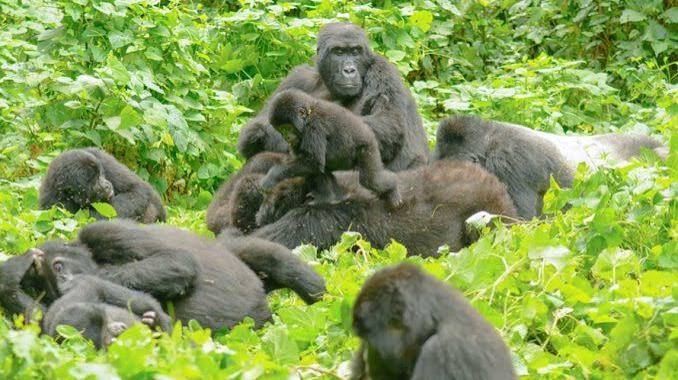
Gorilla Trekking and Big Five Safari in Rwanda – Ultimate Wildlife Experience
A Gorilla Trekking and Big Five Safari in Rwanda connects Volcanoes National Park in the northwest with Akagera National Park in the east. Kigali, Rwanda’s clean and vibrant capital, forms the natural link between the two destinations.
Imagine beginning your morning in the misty foothills of the Virunga Mountains, walking through bamboo forest toward a family of mountain gorillas. A few days later, you cross the open plains of Akagera National Park while searching for lions, elephants, rhinoceroses, buffaloes and leopards.
These two experiences reveal completely different sides of Rwanda.
Mountain gorilla trekking is quiet, intimate and deeply emotional. A Big Five game drive is open, unpredictable and filled with the excitement of scanning grasslands, woodlands and lakeshores for wildlife. Combining them creates one of Africa’s most complete short safari adventures.
Travelers do not need to cross several international borders or spend weeks moving between distant parks. Rwanda’s relatively compact size makes it possible to encounter mountain gorillas and classic African savannah animals during a carefully designed five-, six- or seven-day safari.
However, the best trip involves more than adding two parks to an itinerary. Gorilla permits must be reserved early. Accommodation should match the location and desired comfort. Akagera needs enough time for a boat safari and an extended game drive, while the Volcanoes region deserves at least two nights.
This ultimate guide explains everything you need to know about planning the experience. It covers mountain gorilla trekking, Akagera’s Big Five, recommended itineraries, permits, accommodation, seasonal conditions, costs, photography, packing, conservation and frequently asked questions.
Why Choose Gorilla Trekking and Big Five Safari in Rwanda?
Rwanda offers an unusual concentration of wildlife experiences within a manageable travel area.
Volcanoes National Park protects mountain gorillas and golden monkeys within the forested Virunga landscape. Akagera National Park contains savannah animals, predators, wetlands, lakes and an exceptional variety of birds.
A traveler can therefore experience primate trekking, conventional game drives and a boat safari without leaving Rwanda.
This combination is valuable for visitors who have limited holiday time. Instead of arranging separate flights to a gorilla destination and a major savannah reserve, travelers can move between parks by private four-wheel-drive vehicle.
The road journey also reveals Rwanda’s countryside. You pass cultivated hills, villages, wetlands and rapidly changing landscapes rather than seeing only airports and lodge transfers.
Other reasons to choose this safari include Rwanda’s established tourism infrastructure, professional park management, high-quality lodges and opportunities to add history, culture or relaxation.
Kigali can contribute a city tour and a meaningful visit to the Kigali Genocide Memorial. Lake Kivu adds boating and relaxation, while Nyungwe National Park expands the journey with chimpanzees and forest adventures.
Most importantly, gorillas and the Big Five are not competing attractions. Together, they create a balanced wildlife experience.
Two Parks, Two Completely Different Adventures
The journey’s strength comes from contrast.
Akagera National Park is dominated by open landscapes. Wildlife is usually observed from a safari vehicle or boat. Visitors can cover long distances while exploring plains, lakes, woodland and wetlands.
Volcanoes National Park is a mountain forest. Visitors leave the vehicle and follow rangers on foot. Visibility is limited by vegetation, while every sound and movement creates anticipation.
In Akagera, the guide may spot a distant lion through binoculars. In Volcanoes, visitors may find themselves only a short distance from a silverback resting beneath the leaves.
Akagera encourages travelers to appreciate the wider ecosystem. Volcanoes concentrates attention on one gorilla family and its relationships.
Experiencing both creates a fuller understanding of Rwanda’s biodiversity and conservation achievements.
Volcanoes National Park and the Mountain Gorillas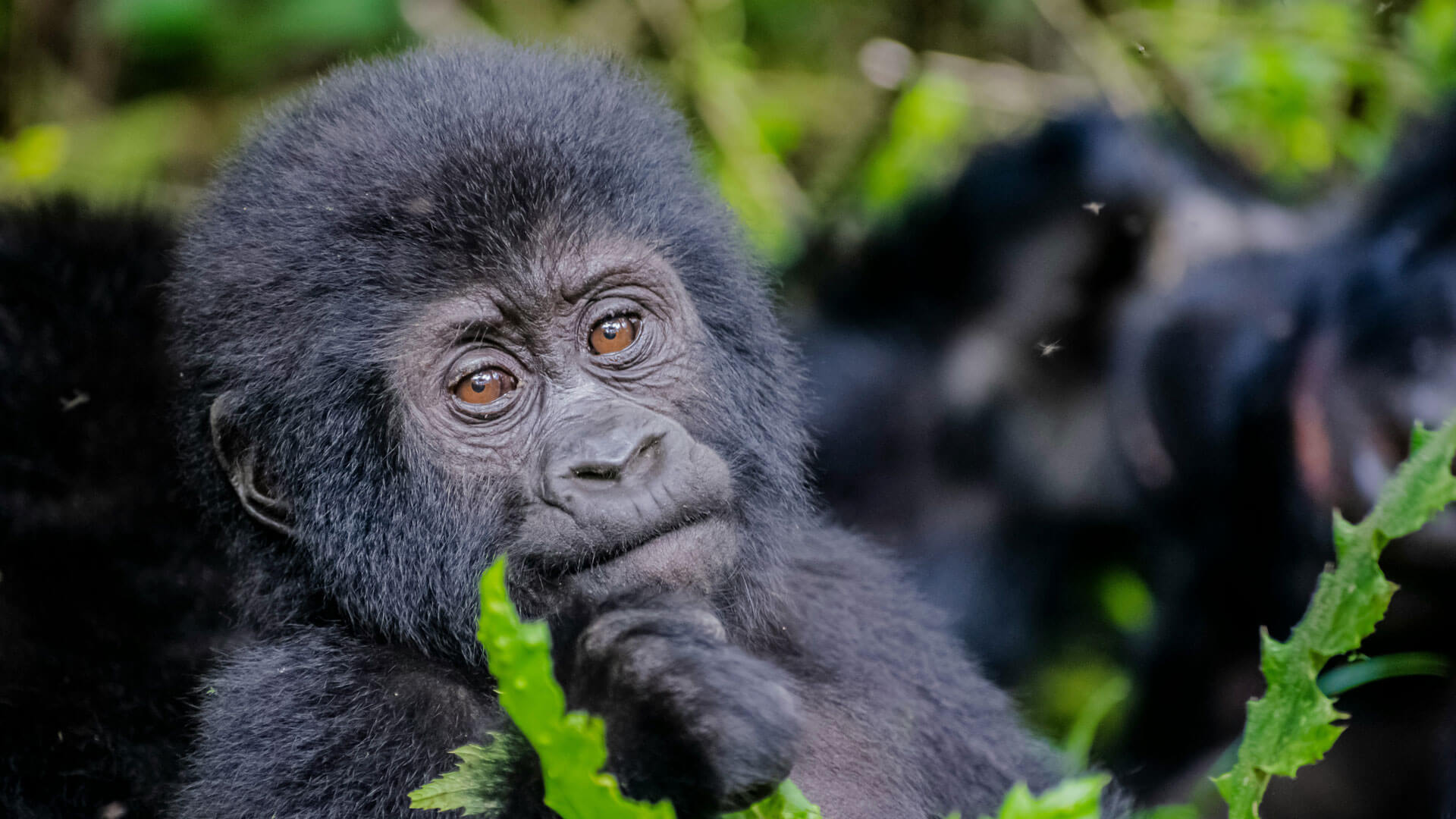
Volcanoes National Park lies in northern Rwanda, close to Musanze and Kinigi. It forms part of the Virunga mountain ecosystem shared with Uganda and the Democratic Republic of Congo.
The park contains bamboo forest, montane vegetation and the slopes of several volcanoes. Its dramatic scenery creates one of Africa’s most atmospheric wildlife destinations.
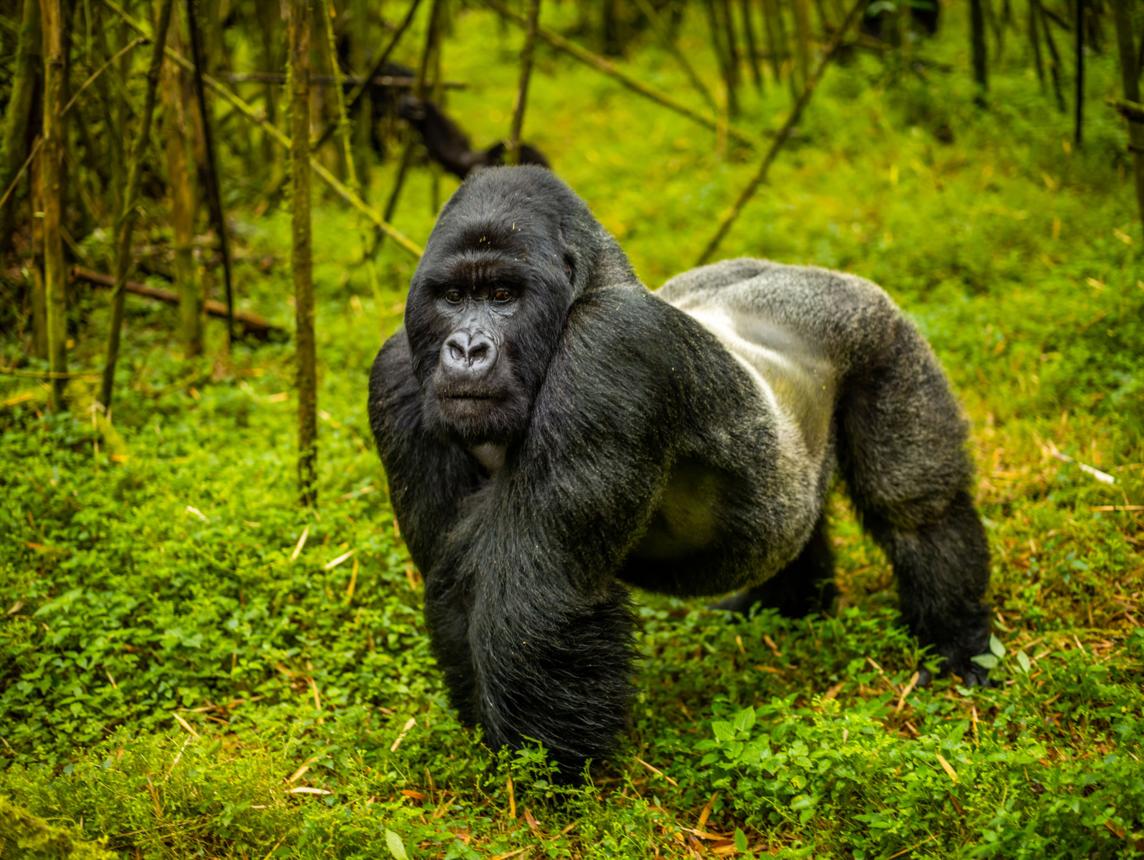
Mountain gorillas are the principal attraction. Visitors trek to habituated families under the supervision of park rangers and trackers.
The region is also associated with the work of Dian Fossey and continuing international gorilla conservation. Visitors can deepen their understanding through conservation exhibits and experiences around Musanze.
Golden monkey tracking, volcano hikes, the Dian Fossey tomb hike and nature activities provide additional reasons to spend several nights in the region.
Akagera National Park and Rwanda’s Big Five
Akagera National Park lies in eastern Rwanda along the Tanzanian border. It is Rwanda’s only Big Five safari destination.
The park combines savannah, acacia woodland, rolling hills, papyrus wetlands and a chain of lakes. This variety supports both terrestrial and aquatic wildlife.
Visitors may encounter lions, elephants, buffaloes, rhinoceroses and leopards—the animals collectively known as the Big Five. Other species include giraffes, zebras, topi, impalas, waterbucks, warthogs, hippos, crocodiles, baboons and vervet monkeys.
Akagera is also an outstanding birding destination. African fish eagles, kingfishers, herons, bee-eaters and many other species can be observed.
Unlike some larger East African parks, Akagera often feels peaceful and uncrowded. Its varied terrain creates an attractive combination of game viewing and landscape photography.
Akagera is Rwanda’s only park supporting all five members of the Big Five. However, sightings remain natural and cannot be guaranteed. Rwanda Big Five safari overview
What Are the Big Five?
The Big Five are the lion, leopard, African elephant, rhinoceros and African buffalo.
The term originally referred to animals that colonial hunters considered especially difficult and dangerous to pursue on foot. Modern safari tourism has transformed the phrase into a wildlife-viewing goal.
Today, travelers photograph these animals while contributing to protected-area conservation.
Seeing all five during one game drive is possible but uncommon. Elephants and buffaloes are often easier to locate. Lions may be found resting in vegetation or moving across open areas.
Leopards are secretive and frequently active during periods of low light. Rhinoceroses can also be difficult to locate within a large natural habitat.
Visitors should avoid turning the safari into a rushed checklist. Akagera contains an entire ecosystem, and many memorable encounters involve animals outside the Big Five.
A tower of giraffes moving across the plains, a pod of hippos in Lake Ihema or a fish eagle calling above the water may become the highlight of the day.
Akagera’s Wildlife Restoration Story
Akagera’s current wildlife diversity reflects years of conservation and ecological restoration.
Following periods of habitat pressure and wildlife loss, improved law enforcement, park management and community cooperation helped rebuild animal populations.
Lions were restored to the park, followed by rhinoceroses. Their return re-established Akagera as a Big Five destination.
Tourism plays an important role in this conservation model. Park fees, guided activities and lodge stays generate revenue and employment.
The success of Akagera also demonstrates why communities surrounding protected areas must benefit from conservation. Long-term wildlife protection becomes more sustainable when tourism supports jobs, businesses and local development.
Visitors participating in a Gorilla Trekking and Big Five Safari in Rwanda contribute to two important conservation landscapes: Akagera’s restored savannah ecosystem and the protected mountain gorilla habitat of Volcanoes National Park.
Mountain Gorilla Conservation in Rwanda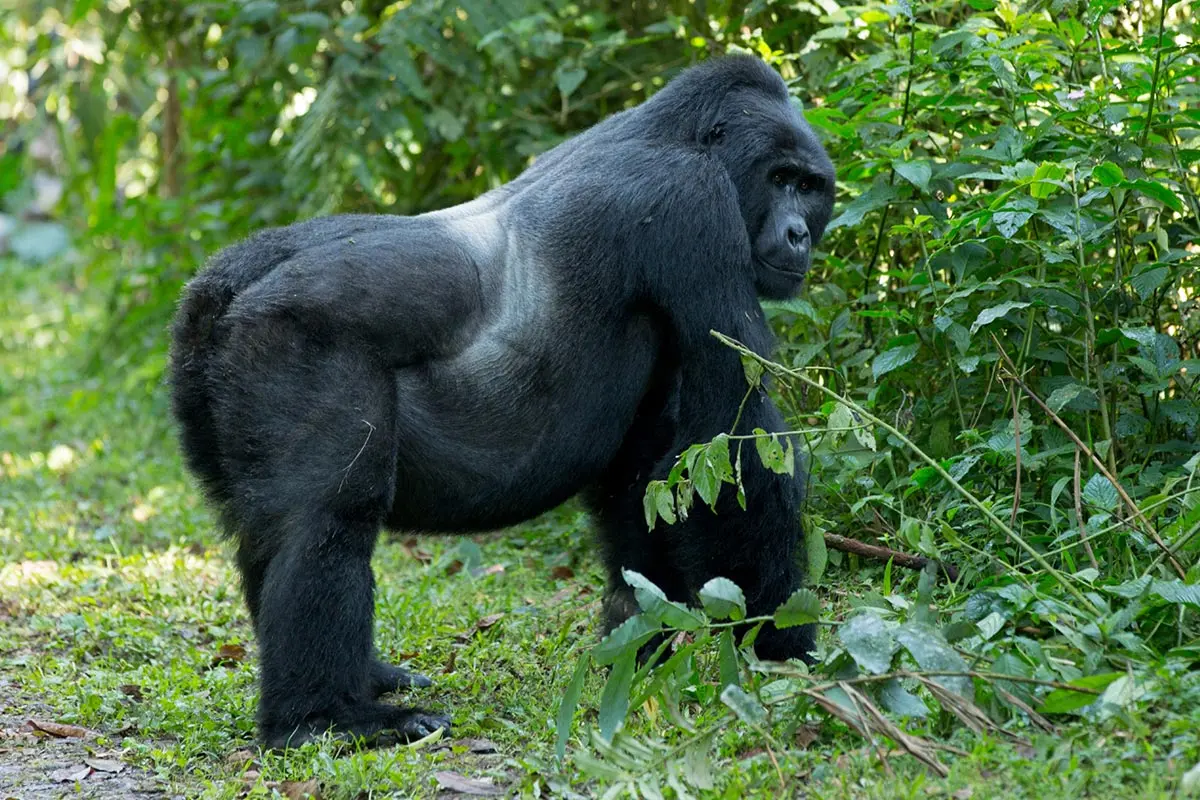
Mountain gorillas once faced severe threats from habitat loss, poaching, conflict and disease.
Long-term monitoring, veterinary care, ranger protection and controlled tourism have contributed to their recovery. Nevertheless, mountain gorillas remain endangered and occupy a restricted habitat.
Human illness represents a particular concern because gorillas are genetically close to people and vulnerable to respiratory diseases.
This is why park rules concerning visitor health, distance and masks must be followed carefully.
Gorilla permit revenue supports conservation management and helps create economic value around the protected area. Community revenue-sharing and tourism employment can provide alternatives to activities that damage the forest.
The conservation story does not mean every challenge has been solved. Population growth, limited habitat and human activity around park boundaries require continuous management.
Responsible tourism remains essential.
How Gorilla Trekking Works in Rwanda
Gorilla trekking begins with an early-morning briefing near Volcanoes National Park headquarters.
Travelers register and listen to an explanation of trekking rules. Park staff then assign visitors to gorilla families and ranger groups.
Your safari guide may communicate information about fitness, age or mobility concerns during the allocation process. Park staff may consider these factors, but an easy trek cannot be guaranteed.
After allocation, visitors travel to the appropriate trailhead. Some treks begin by crossing farmland before reaching the park boundary.
Inside the forest, trackers work ahead of the visitor group. They search for nests, feeding signs, footprints and other evidence of gorilla movement.
When the family is located, the ranger prepares the group for the final approach. Walking sticks and larger bags may be left with porters at an indicated location.
Visitors then enter the gorillas’ immediate area and begin the regulated observation period.
The Gorilla Encounter
The encounter usually begins quietly.
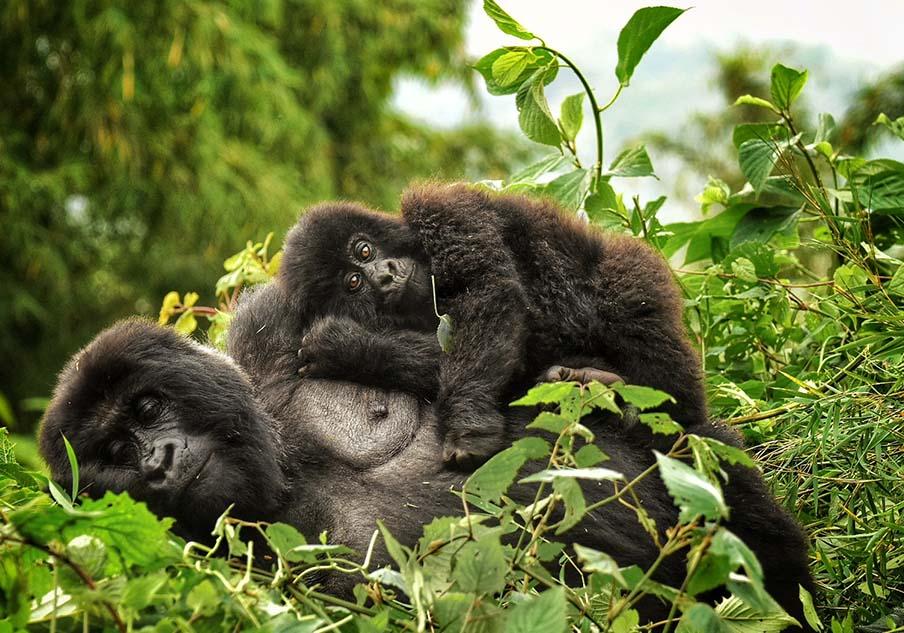
A ranger parts the vegetation, and the shape of a gorilla gradually becomes visible. It may be a female feeding, a juvenile climbing or a silverback sitting beneath the forest canopy.
Mountain gorillas frequently appear calmer than visitors expect. They feed, groom, rest and interact while the ranger interprets their behavior.
The silverback’s size is immediately impressive. Yet the subtler moments often become more memorable: an infant holding its mother, two juveniles wrestling or a gorilla carefully selecting leaves.
Visitors remain under the ranger’s control throughout the encounter.
Photography is allowed without flash. Sudden movements, loud voices and attempts to touch gorillas are prohibited.
After the viewing period, the group withdraws and begins the return trek.
How Difficult Is Gorilla Trekking?
Gorilla trekking difficulty varies from one day to another.
Gorillas move freely through the forest. A family located near the park boundary one morning may travel farther up a slope the following day.
A trek can be relatively short or continue for several hours. Rain, mud, altitude and dense vegetation add to the physical challenge.
Travelers should prepare for a demanding hike even when they request an easier route. This approach prevents disappointment and ensures that equipment is suitable.
Moderate walking fitness is helpful. Before traveling, practice on hills or stairs and wear the hiking boots you intend to use.
A porter should be hired even by fit travelers. The porter carries the daypack and assists on difficult sections, allowing you to concentrate on balance and pace.
Rwanda Gorilla Permit Price
The standard Rwanda gorilla permit costs USD 1,500 per international visitor for one trek.
The permit is issued for a specific date and includes park access for the regulated gorilla trekking experience. It does not normally include accommodation, transportation, porter services or the wider safari itinerary.
Permit prices, resident categories and promotional arrangements can change. Confirm the conditions applying to your travel dates before payment.
Availability is limited. During popular periods, permits may sell out several months in advance.
Your name and passport details must be supplied correctly. Changes, cancellations and rescheduling are governed by official conditions.
A professional tour operator can secure the permit and coordinate it with accommodation and transport.
Gorilla Trekking Rules
The rules protect the gorillas and maintain a safe visitor experience.
Do not trek when suffering from a contagious illness without informing the authorities. Park staff may prevent a sick visitor from approaching gorillas.
Follow the required distance and every ranger instruction. If a gorilla moves closer, remain calm and wait for guidance.
Keep your voice low. Do not make sudden gestures or imitate gorilla sounds.
Food, drinks and smoking are not allowed near the gorillas.
Flash photography is prohibited. Disable automatic flash before entering the forest.
Do not touch gorillas or surrounding objects unnecessarily. Never leave litter behind.
Masks may be required during the encounter. Use them correctly according to current rules.
Gorilla Trekking Age Requirement
The minimum age for gorilla trekking in Rwanda is 15.
The restriction exists because younger children may have difficulty following safety instructions, managing a demanding hike or remaining calm during a close wildlife encounter.
Families traveling with younger children can still enjoy Akagera, Kigali and other Rwanda experiences.
Alternative Volcanoes activities and appropriate supervision can be arranged while eligible family members trek, but these plans must be confirmed in advance.
A teenager aged 15 or older should still prepare physically and use proper hiking equipment.
What to Wear for Gorilla Trekking
Wear long, quick-drying trousers and a breathable long-sleeved shirt.
These garments protect the skin from insects, branches and stinging vegetation. Avoid shorts, thin fashion leggings and heavy denim.
Choose waterproof hiking boots with strong tread and ankle support. Wear them regularly before traveling so that they are comfortable.
Tall moisture-wicking socks reduce friction. Tuck the trouser cuffs into the socks to limit gaps around the ankles.
Gaiters protect the lower legs and help prevent mud or vegetation from entering the boots.
Carry a lightweight waterproof jacket because rain can occur at any time. A fleece is useful during the cool morning.
Gardening or hiking gloves protect the hands when holding vegetation for support.
Complete the outfit with a hat, sunscreen, insect repellent and a small waterproof daypack.
What to Carry in Your Gorilla Trekking Daypack
Keep the backpack light.
Carry water, a packed meal or snacks supplied for the activity, a waterproof jacket, spare socks, necessary medication and camera equipment.
Place electronics and spare clothing in reusable waterproof pouches.
A power bank is useful, but it should not add unnecessary weight. Begin the day with fully charged batteries.
Avoid carrying valuables that are not required.
Your porter can carry the daypack, but you should know where essential items are stored.
Game Drives in Akagera
Game drives are the principal way to explore Akagera’s terrestrial habitats.
A four-wheel-drive safari vehicle with a pop-up roof provides visibility while maintaining safety.
Early morning is an excellent time to begin. Temperatures are cooler, and predators may be active before resting during the warmer part of the day.
The guide looks for tracks, alarm calls, recent sighting information and patterns of animal movement.
Southern Akagera contains lakes, hills and varied vegetation. The north includes broader plains where giraffes, buffaloes, zebras and antelopes may be easier to observe.
A full-day drive allows travelers to experience the park’s changing habitats. Entering through the south and leaving through the north can create a rewarding complete traverse when logistics allow.
Why Two Nights in Akagera Are Better Than a Day Trip
Akagera can be visited from Kigali in one long day, but this arrangement limits the experience.
A day trip requires an early departure and several hours of driving before game viewing begins. Visitors must also leave the park in time to return to Kigali.
Two nights allow a more relaxed arrival, a Lake Ihema boat safari and an extended game drive.
The additional time also provides opportunities for early-morning and late-afternoon wildlife activity.
Travelers can enjoy the lodge setting instead of using it only as a short overnight stop.
A two-night Akagera stay does not guarantee all five animals, but it improves the quality and range of wildlife experiences.
Lake Ihema Boat Safari
Lake Ihema forms part of Akagera’s extensive wetland system.
A guided boat trip offers close views of hippos, crocodiles and waterbirds. Elephants, buffaloes or antelopes may also approach the shoreline.
The boat moves at a different pace from a game-drive vehicle. Travelers can watch hippo behavior, photograph birds and appreciate the wetland landscape.
Late-afternoon trips may offer warm light, while morning departures appeal to birders.
Boat activities operate at scheduled times, and private trips may be available. Reserve the preferred departure in advance.
Carry a hat, sunscreen, water and a secure camera strap. Follow the guide’s safety instructions and keep hands inside the boat.
Night Game Drive
An authorized night drive provides opportunities to search for nocturnal wildlife.
Species may include hyenas, civets, genets, bush babies and other animals that are difficult to observe during daylight.
Predators may also be active, although sightings remain unpredictable.
Night drives use trained guides and controlled spotlights. Visitors should not shine independent high-powered lights at animals.
A warm layer is useful after sunset.
Because the activity returns late, it fits best into an itinerary with two or more Akagera nights.
Behind-the-Scenes Conservation Experiences
Visitors who are deeply interested in conservation may ask about specialized Akagera experiences.
Depending on current park operations, activities may introduce visitors to park management, anti-poaching work or wildlife monitoring.
These experiences must be arranged in advance and are not always available.
They can provide valuable insight into the practical work required to protect a Big Five ecosystem.
Travelers should not expect access to sensitive locations or animals simply because they have booked a conservation activity. Wildlife welfare and park security take priority.
Best Time for Gorilla Trekking and Big Five Safari in Rwanda
Rwanda is a year-round destination, but seasonal conditions influence trekking and game viewing.
June to September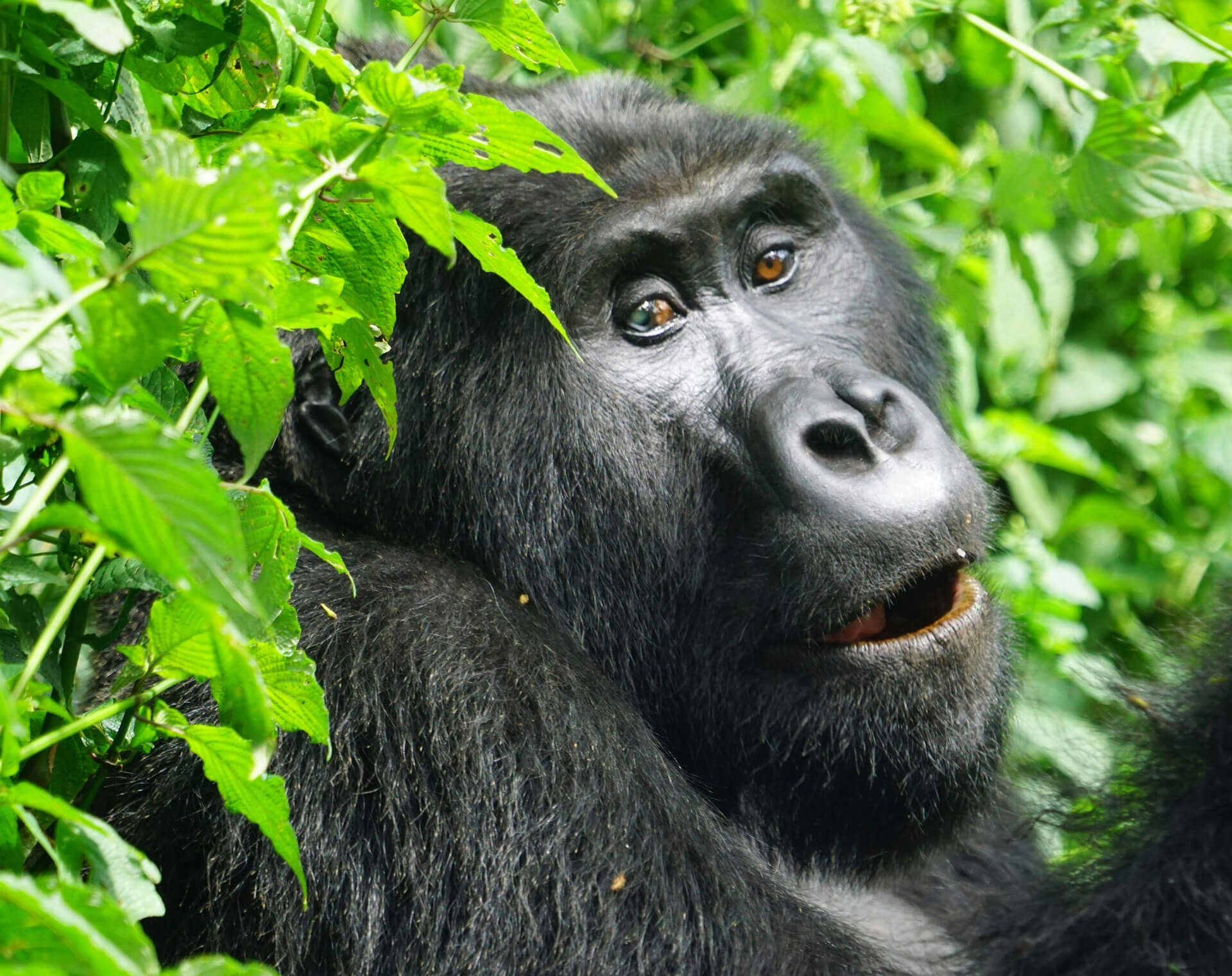
This is one of the most popular travel periods.
Volcanoes trails may be less muddy, although the rainforest can receive showers at any time.
In Akagera, drier conditions may concentrate wildlife near water and reduce vegetation density.
Gorilla permits and popular lodges can sell out, so early booking is important.
December to February
This is another generally drier period.
It works well for travelers seeking a winter holiday, honeymoon or family journey with eligible teenagers.
Demand rises around Christmas and New Year.
March to May
These months generally receive heavier rainfall.
Gorilla trails can be muddy and more physically demanding. Waterproof boots, gaiters and rain protection become especially important.
Akagera turns green, creating attractive landscapes and good birding.
Visitor numbers may be lower, and some lodges may offer seasonal value.
October and November
A shorter rainy period commonly occurs during October and November.
Conditions vary. Rain may fall in intense showers rather than continuously throughout the day.
The parks remain open, and the safari can be highly rewarding with proper preparation.
Which Season Is Best for Photography?
Every season offers photographic advantages.
The drier months may provide clearer trails and more predictable access. Animals in Akagera can gather near permanent water.
The wetter months bring lush vegetation, dramatic skies and clean atmospheric conditions after rain.
Volcanoes National Park remains challenging because forest light is limited throughout the year. A fast lens and a camera capable of handling higher ISO settings are useful.
Akagera offers wider landscapes and stronger natural light. Early morning and late afternoon provide softer colors.
Photography priorities should be discussed when designing the itinerary.
How Many Days Do You Need?
A five-day safari covers the essential activities, but it requires careful timing.
Six days offer a more comfortable structure. Seven days provide the best balance for travelers arriving internationally.
Four Days
Four days are possible only with substantial compression.
A typical arrangement includes one Akagera game drive, one Volcanoes night and one gorilla trek. The trip involves long transfers and offers little flexibility.
This option is best for travelers already in Kigali.
Five Days
Five days allow an Akagera boat safari, a full game drive and a gorilla trek.
It is the minimum recommended complete itinerary.
Six Days
Six days provide two Akagera nights, two Volcanoes nights and a Kigali overnight.
This is suitable for most couples, solo travelers and small groups.
Seven Days
Seven days allow an extra Volcanoes activity, additional Kigali time or a more relaxed transfer schedule.
It is the strongest choice for an ultimate wildlife experience.
Recommended Seven-Day Itinerary
Day 1: Arrival in Kigali
Arrive at Kigali International Airport and meet your representative.
Transfer to the hotel for check-in and rest.
If arrival is during the morning, a gentle city orientation or art-gallery visit may be included. Avoid creating a demanding schedule after a long international flight.
Day 2: Kigali City Experience and Akagera Transfer
After breakfast, begin with a carefully planned Kigali experience.
Visit the Kigali Genocide Memorial for important historical context. Depending on time and interest, add Kimironko Market, an art center or a city viewpoint.
After lunch, drive east toward Akagera National Park.
Check into the lodge and enjoy the evening overlooking the park or surrounding landscape.
Day 3: Akagera Game Drive and Boat Safari
Begin with an early game drive.
Search for lions, elephants, buffaloes, giraffes, zebras, rhinoceroses and other wildlife.
Return for lunch or enjoy a picnic according to the selected route.
In the afternoon, join a boat safari on Lake Ihema. Observe hippos, crocodiles and birds before returning to the lodge.
Day 4: Extended Akagera Safari and Kigali
Complete another morning game drive or a longer south-to-north park traverse.
This provides a second opportunity to locate species missed on the previous day.
Continue to Kigali in the afternoon.
Stay overnight in the capital, creating a natural break between the savannah and mountain sections.
Day 5: Kigali to Volcanoes National Park
After breakfast, travel north through Rwanda’s hilly countryside.
Stop at selected viewpoints or local attractions before arriving near Musanze or Kinigi.
Visit the Ellen DeGeneres Campus of the Dian Fossey Gorilla Fund, subject to opening times and reservations.
Check into the lodge and prepare for gorilla trekking.
Day 6: Mountain Gorilla Trekking
Leave the lodge early for the park briefing.
Meet your ranger, receive the gorilla family assignment and travel to the trailhead.
Trek through the forest and spend the regulated observation period with the gorillas.
Return to the lodge for lunch, rest and reflection.
A light cultural experience may be added if the trek finishes early and you still have sufficient energy.
Day 7: Return to Kigali
After breakfast, return to Kigali.
Depending on the international flight, stop for lunch, craft shopping or another selected city experience.
Transfer to Kigali International Airport.
Five-Day Express Itinerary
Day one begins with arrival or pickup in Kigali and transfer to Akagera.
On day two, complete an extended game drive and Lake Ihema boat safari.
Day three involves travel through Kigali to Volcanoes National Park.
Day four is reserved for gorilla trekking.
On day five, return to Kigali for the international departure.
This itinerary covers the essential experiences but provides limited flexibility. Flight times must work with the road transfers, and a delay can affect the schedule.
Eight-Day Luxury Itinerary
A luxury itinerary should create time to enjoy premium accommodation.
Begin with one or two nights at a high-quality Kigali hotel.
Spend three nights in Akagera, allowing private game drives, a boat safari, lodge relaxation and an optional night drive.
Travel to Volcanoes National Park for three nights. Complete one gorilla trek and use the additional day for golden monkeys, a conservation experience or spa treatment.
Private transfers, premium rooms and customized dining can be included.
The value of luxury comes from space, privacy and time—not from fitting more activities into every day.
Should Akagera or Volcanoes Come First?
Starting in Akagera allows the wildlife experience to build gradually toward gorilla trekking.
Travelers begin with vehicle-based activities and complete the physically demanding trek later.
Starting in Volcanoes places the major fixed-date activity at the beginning. This may suit permit availability or travelers who want to relax in Akagera afterward.
There is no universally correct order.
The final sequence should be based on gorilla permit availability, arrival time, lodge space and onward travel.
Adding Golden Monkey Tracking
Golden monkeys live in the bamboo forests of Volcanoes National Park.
The activity provides a lively contrast with gorilla trekking. Golden monkeys move quickly, feed actively and often leap through vegetation.
The trek is commonly shorter than a gorilla trek, although terrain and weather vary.
A separate permit is required. International visitor pricing has commonly been USD 100, but current rates must be verified.
Golden monkey tracking fits well on the morning after gorilla trekking.
Wear the same long trousers, boots, gloves and rain protection used for the gorilla activity.
Adding the Ellen DeGeneres Campus
The Ellen DeGeneres Campus of the Dian Fossey Gorilla Fund helps visitors understand gorilla science and conservation.
Exhibits explain the history of gorilla research, forest ecology and the daily work involved in protecting mountain gorillas.
The campus makes an excellent introduction before trekking or a reflective visit afterward.
It can be included on the transfer day from Kigali or during an extra Volcanoes afternoon.
Admission, opening times and specialized experiences should be reserved in advance.
Adding a Cultural Experience
A cultural visit can introduce travelers to Rwandan traditions, music, crafts and community conservation.
Gorilla Guardians Village near Volcanoes National Park is one established option.
Responsible cultural tourism should create genuine economic benefit and respectful interaction.
Listen to the community’s history instead of treating every demonstration only as entertainment.
Ask before taking close photographs of individuals. Purchase crafts directly when appropriate and follow local guidance concerning tips.
Adding Lake Kivu
Lake Kivu provides an excellent relaxing extension.
From Volcanoes National Park, travelers can continue to Rubavu for one or two nights.
Activities include boat trips, lakeside relaxation, coffee experiences and selected sections of the Congo Nile Trail.
Karongi provides another attractive Lake Kivu base but requires different transfer planning.
A lake stay is especially suitable after a demanding gorilla trek.
Adding Nyungwe National Park
Nyungwe adds chimpanzee trekking, colobus monkeys, birding and the canopy walkway.
Because it lies in southwestern Rwanda, several additional days are required.
A complete national-park circuit may begin in Akagera, cross through Kigali to Volcanoes, continue toward Lake Kivu and finish in Nyungwe.
Nine to twelve days provide a more realistic pace than a rushed one-week itinerary.
Where to Stay in Akagera
Ruzizi Tented Lodge
Ruzizi Tented Lodge provides an intimate safari atmosphere near Lake Ihema.
Guests stay in permanent safari tents with beds and private facilities. Natural materials and raised walkways help the property blend into its surroundings.
It works well for couples, photographers and travelers who prefer a small lodge.
Mantis Akagera Game Lodge
Mantis Akagera Game Lodge provides a larger and more conventional lodge experience.
Facilities and room categories can suit families, groups and midrange-to-upscale travelers.
Its location provides convenient access to southern park activities.
Magashi
Magashi is a luxury camp in northern Akagera.
It appeals to travelers seeking privacy, high-level guiding and an exclusive wildlife setting.
Because it is located in a different part of the park from the principal southern entrance, transfers and activities must be planned carefully.
Affordable Accommodation
Budget-conscious travelers can use simpler accommodation near the park or selected lower-priced rooms.
Always compare the saving with the extra driving required to enter and exit the park.
Where to Stay Near Volcanoes National Park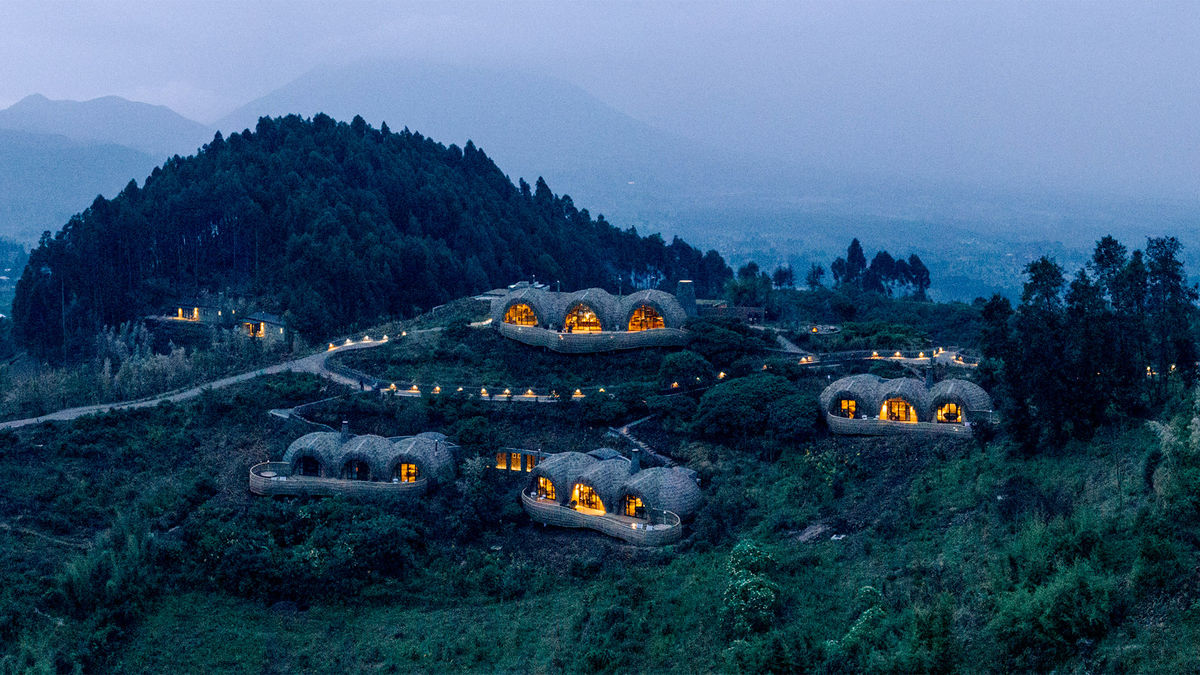
Ultra-Luxury Lodges
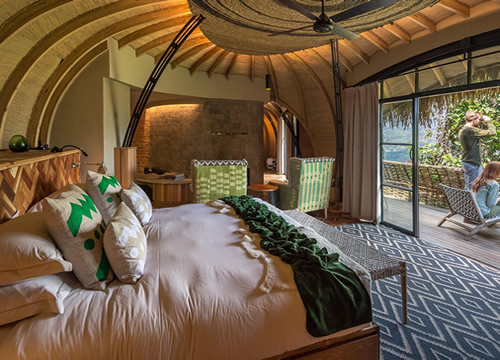
Singita Kwitonda Lodge, Bisate Lodge and One&Only Gorilla’s Nest are among the region’s celebrated high-end options.
They combine distinctive settings, premium rooms, excellent service and convenient access to the broader Volcanoes experience.
Luxury and Upper-Midrange Lodges
Five Volcanoes Boutique Hotel, Ingagi Park View Lodge and Tiloreza Eco Lodge provide comfortable choices for travelers seeking a high standard below the ultra-luxury tier.
These properties are well suited to private gorilla safaris and honeymoon journeys.
Midrange Lodges
Le Bambou Gorilla Lodge, Da Vinci Gorilla Lodge, Kinigi Cottage and similar options offer practical access and comfortable accommodation.
Room standard, heating, meal plan and distance from the briefing area should be confirmed.
Musanze Hotels
Hotels in Musanze can provide better value and access to restaurants or town services.
However, they may require an earlier departure on trekking morning than lodges closer to Kinigi.
Kigali Accommodation
Kigali accommodation ranges from boutique guesthouses to international hotels.
Radisson Blu Hotel and Convention Centre, Kigali Marriott Hotel and Hôtel des Mille Collines are established upscale choices.
Four Points by Sheraton Kigali, Park Inn by Radisson, M Hotel and other city properties provide comfortable alternatives.
Select the hotel according to airport access, city-tour plans and preferred room standard.
For a flight arriving after midnight, confirm that airport pickup and reception remain available.
What Does the Safari Cost?
The final price depends on permits, accommodation, transport, number of travelers, trip duration and included activities.
The gorilla permit represents a fixed USD 1,500 cost for each international visitor undertaking one standard trek.
Akagera costs include park entry, vehicle entry, guide services and separately reserved activities such as boat or night safaris.
Accommodation can range from affordable guesthouses to ultra-luxury lodges costing more than one thousand dollars per person per night.
A private vehicle, fuel and professional driver-guide form another major part of the price.
Two people sharing pay more per person than four or six people because the vehicle cost is divided among fewer travelers.
Request a detailed quotation instead of relying on a vague “from” price.
What Should Be Included?
A complete package may include:
- Airport pickup and drop-off
- Private four-wheel-drive transport
- Professional English-speaking guide
- Gorilla trekking permit
- Akagera park entry and vehicle fees
- Game drives
- Lake Ihema boat safari
- Accommodation and stated meals
- Drinking water in the safari vehicle
- Kigali and inter-park transfers
Optional activities, visas, international flights, premium drinks, tips, travel insurance and personal expenses are frequently excluded.
Always read the written inclusions and exclusions.
Budget Safari
A budget safari uses simple, clean accommodation and focuses spending on permits, transport and essential activities.
Travelers can reduce costs by using guesthouses, avoiding unnecessary room upgrades and sharing the vehicle with more participants.
The gorilla permit price remains the same regardless of lodging category.
Do not reduce costs by compromising vehicle condition, permit security or professional guiding.
Midrange Safari
A midrange trip offers en-suite accommodation, reliable meals and comfortable lodges.
This category provides excellent value for travelers who spend most daylight hours on activities.
Midrange properties around Volcanoes and Akagera can provide attractive settings without ultra-luxury pricing.
Private transport can still be included.
Luxury Safari
Luxury safaris combine premium lodges, private guiding and personalized service.
They may include laundry, selected drinks, spa treatments, special meals and conservation experiences, depending on the lodge.
Private or charter flights may replace selected road transfers.
Luxury travelers should spend enough nights at each property to enjoy the facilities.
Family Safari
Akagera is an excellent family destination. Game drives and boat safaris introduce children to wildlife without requiring difficult hiking.
Gorilla trekking is restricted to travelers aged 15 or older.
Family rooms and interconnecting accommodation should be booked early.
A private vehicle is strongly recommended because it allows breaks and a flexible pace.
Parents should bring snacks, sun protection and appropriate entertainment for transfer days.
Honeymoon Safari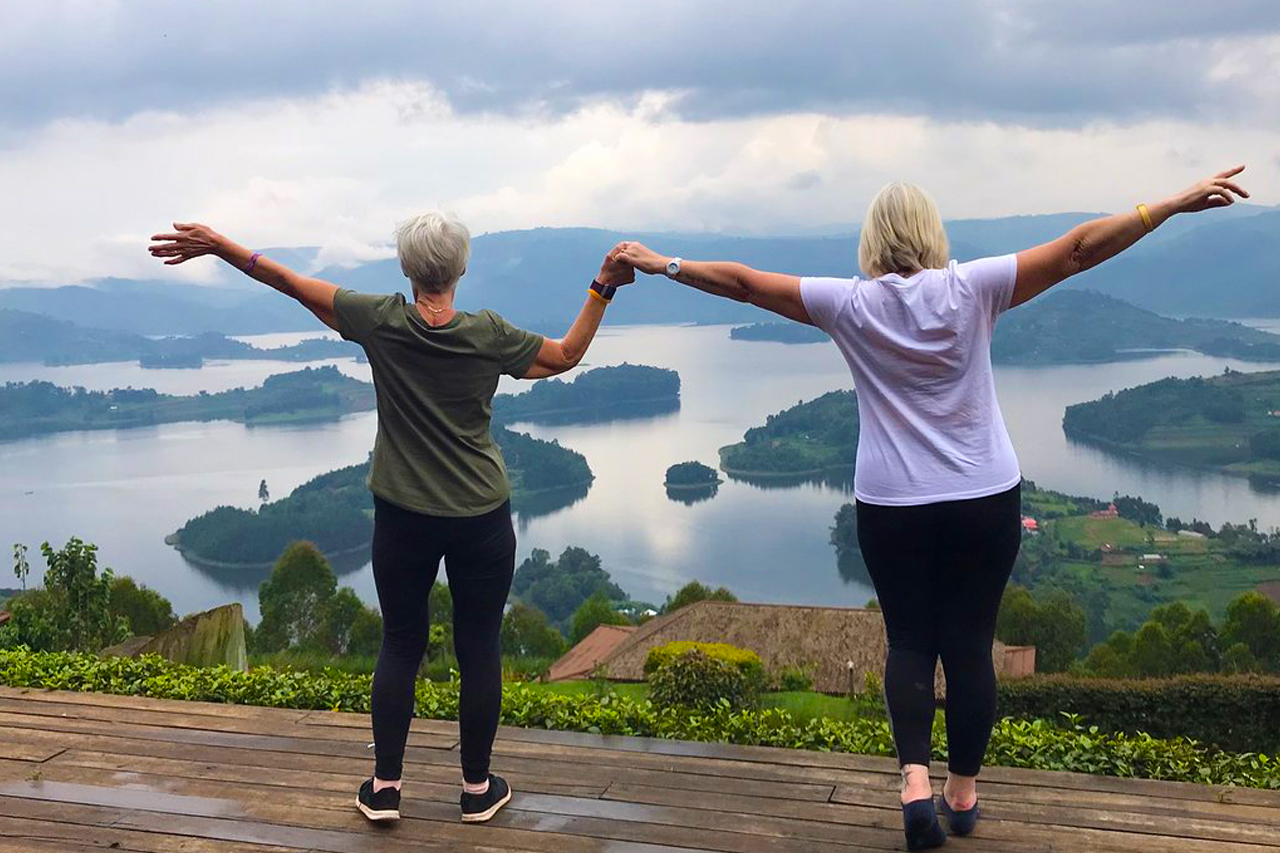
A private Gorilla Trekking and Big Five Safari in Rwanda creates an exceptional honeymoon.
Choose an intimate Akagera tented camp and a romantic Volcanoes lodge.
Add Lake Kivu for relaxation or include a free lodge afternoon after gorilla trekking.
Tell the operator and lodges that the journey celebrates a honeymoon. Special room arrangements or private dining may be available.
Avoid changing accommodation every night.
Solo Safari
Solo travelers receive private attention and can shape the journey around photography, birding or preferred pacing.
The main disadvantage is the higher per-person cost of the vehicle and room.
A small-group departure can reduce expenses, but flexibility becomes limited.
Confirm airport pickup, accommodation security and emergency contacts before arrival.
Photography Advice
Akagera and Volcanoes require different techniques.
In Akagera, use a telephoto lens for distant wildlife and a wider lens for landscapes. A beanbag helps stabilize the camera inside the vehicle.
In Volcanoes, light is limited and gorillas may be close. A fast standard-to-telephoto zoom is often more practical than an extremely long lens.
Flash is prohibited during gorilla encounters.
Carry rain protection, spare batteries, memory cards and lens cloths.
Avoid spending the entire gorilla encounter looking through the camera. Take time to observe directly.
Health Preparation
Consult a travel-health professional before departure.
Discuss routine vaccination, malaria prevention and any personal medical concerns.
Carry prescription medication in the original packaging and keep essential supplies in hand luggage.
Travel insurance should cover medical treatment, evacuation, cancellation and the safari activities included.
Do not conceal illness before gorilla trekking. Human respiratory disease can threaten gorillas.
Drink treated or safely bottled water and use insect repellent.
Entry Requirements
Rwanda’s visa and entry requirements vary by nationality and may change.
Check current information through official immigration sources.
Ensure that the passport has sufficient validity and blank pages.
Travelers arriving from or passing through particular countries may need proof of yellow fever vaccination.
Those combining Rwanda with Uganda or Kenya should investigate whether a single-country visa or eligible regional arrangement is appropriate.
Responsible Wildlife Viewing
Remain inside the Akagera vehicle unless the guide permits exit at an authorized location.
Do not ask the guide to drive off designated routes or approach wildlife too closely.
Keep noise low and never feed animals.
During gorilla trekking, follow the ranger’s instructions without exception.
Use reusable bottles and carry waste out of natural areas.
Support reputable community experiences and local craft businesses.
Responsible behavior protects the experience for future travelers.
Common Mistakes to Avoid
Do not delay the gorilla permit reservation while confirming less important details.
Do not expect to see all five Big Five species in a single short drive.
Avoid scheduling an international flight too soon after gorilla trekking.
Do not wear new boots in the forest.
Avoid one-night stays in every destination. The itinerary becomes tiring and leaves little time for wildlife.
Do not compare quotations without comparing permits, accommodation, meal plans and activities.
Never assume that a Big Five safari guarantees wildlife sightings.
Finally, do not choose an operator solely because it offers the lowest price.
Is Gorilla Trekking and Big Five Safari in Rwanda Worth It?
For travelers seeking diverse wildlife in a compact country, it is unquestionably one of East Africa’s strongest combinations.
The trip offers more than species counting.
In Akagera, visitors witness the recovery of a savannah ecosystem. In Volcanoes National Park, they experience the result of decades of mountain gorilla protection.
The landscape changes from warm eastern plains to cool volcanic highlands. Activities shift from game drives and boats to walking through dense forest.
Rwanda is not trying to reproduce the Serengeti. Its advantage lies in variety, accessibility and conservation quality.
The journey requires a substantial budget because of the gorilla permit, but it delivers an encounter available in very few places on Earth.
Frequently Asked Questions
Where can I go gorilla trekking in Rwanda?
Gorilla trekking takes place in Volcanoes National Park in northern Rwanda.
Where can I see the Big Five?
The Big Five can be found in Akagera National Park.
Can I see both during one trip?
Yes. A five- to seven-day itinerary can combine both parks comfortably.
How much is the gorilla permit?
The standard international visitor permit costs USD 1,500 per person per trek.
Is the permit included in a safari package?
It can be included, but you must confirm this in the written quotation.
Can I buy the permit on arrival?
Permits are limited and should be reserved in advance. Do not depend on last-minute availability.
Is gorilla trekking guaranteed?
Permit holders are taken to search for habituated gorilla families, and sightings are highly reliable. Nevertheless, wildlife experiences cannot be guaranteed absolutely.
How much time do visitors spend with gorillas?
The standard encounter provides a regulated viewing period, generally one hour after the family is located.
How difficult is the trek?
It ranges from moderate to challenging depending on gorilla location, terrain and weather.
Can I request a nearby gorilla family?
You can communicate fitness concerns, but no particular trekking difficulty can be guaranteed.
What is the minimum age?
The minimum gorilla trekking age is 15.
Do I need a porter?
A porter is strongly recommended for carrying the daypack and assisting on steep or muddy sections.
Can I see all the Big Five in Akagera?
All five species live in the park, but seeing every one during a particular visit is not guaranteed.
Which Big Five animal is hardest to see?
Leopards and rhinoceroses can be difficult to locate. Actual sightings vary.
How many nights should I spend in Akagera?
Two nights are recommended. Three nights suit photographers and travelers seeking additional activities.
Can I visit Akagera from Kigali in one day?
Yes, but it creates a long day and reduces wildlife-viewing time.
Is the Lake Ihema boat safari worthwhile?
Yes. It offers hippos, crocodiles, birds and a different view of the park.
Can I take a night game drive?
Authorized night drives may be available by advance arrangement.
How many nights do I need near Volcanoes?
Two nights are the practical minimum for one gorilla trek. Three nights provide a more comfortable experience.
What is the best month?
June to September and December to February are popular. The safari operates throughout the year.
Will it rain during the dry season?
It can. Volcanoes National Park is a mountain rainforest environment, so carry waterproof clothing all year.
What should I wear for gorilla trekking?
Wear hiking boots, long trousers, a long-sleeved shirt, gloves, tall socks, gaiters and a waterproof jacket.
What should I wear in Akagera?
Wear lightweight neutral clothing, sun protection and comfortable closed shoes. Carry a warm layer for early or night drives.
Is Rwanda safe for tourists?
Rwanda has an established tourism sector. Travelers should still follow current official advice, use reputable operators and observe normal precautions.
Is the trip suitable for senior visitors?
Yes, with appropriate itinerary design. Gorilla trekking ability, lodge access and vehicle comfort should be discussed early.
Can families take this safari?
Yes. Akagera is family friendly, while only travelers meeting the gorilla minimum age can trek.
Is it suitable for honeymooners?
Yes. Rwanda offers luxury lodges, private vehicles, dramatic scenery and intimate wildlife experiences.
Can I add golden monkey trekking?
Yes. Golden monkey tracking requires a separate permit and usually fits well after the gorilla trek.
Can I add Lake Kivu?
Yes. Lake Kivu makes an excellent one- or two-night extension from Volcanoes National Park.
Can I add chimpanzee trekking?
Yes. Add Nyungwe National Park and several extra days.
Can the safari start in Kigali?
Yes. Kigali is the standard starting and finishing point for most itineraries.
Can the safari start in Uganda?
Yes. A cross-border itinerary can begin in Entebbe, Kampala or Bwindi and continue into Rwanda, subject to entry requirements.
How early should I book?
Several months in advance is recommended. Peak-season dates and luxury lodges may require even earlier planning.
Final Conclusion
A Gorilla Trekking and Big Five Safari in Rwanda offers a rare opportunity to experience two of Africa’s most compelling wildlife worlds within one journey.
Akagera National Park delivers open plains, lakes, wetlands and the excitement of searching for iconic mammals. Volcanoes National Park provides a close and emotional encounter with mountain gorillas in their natural forest habitat.
Kigali connects the two parks while contributing history, culture and modern Rwandan life.
A five-day itinerary can cover the essentials. Six or seven days create a more comfortable and rewarding experience. Additional time allows golden monkeys, Lake Kivu, Nyungwe Forest or a second gorilla trek.
The most successful journey begins with early permit booking, realistic wildlife expectations and a carefully planned route.
Come prepared for rain, changing terrain and early mornings. Use an experienced guide, hire a porter and allow enough time in Akagera.
Then focus on the experience itself: the silence before a gorilla appears, the sound of hippos on Lake Ihema, a lion resting in the grass and the changing hills between Rwanda’s eastern savannah and northern volcanoes.
These moments transform the itinerary from an ordinary holiday into an ultimate wildlife experience.
Book Gorilla Trekking and Big Five Safari in Rwanda
Universal Ventures Rwanda creates private and customized gorilla trekking and Big Five safaris for solo travelers, couples, honeymooners, families and groups.
We arrange Rwanda gorilla permits, Akagera game drives, Lake Ihema boat safaris, professional driver-guides, private four-wheel-drive vehicles, accommodation and airport transfers.
Your personalized journey can include Kigali, Volcanoes National Park, Akagera National Park, Lake Kivu, Nyungwe Forest, golden monkey tracking, cultural experiences and conservation visits.
We also organize combined Rwanda and Uganda safaris featuring Bwindi, Mgahinga, Queen Elizabeth National Park and Kibale Forest.
Our team matches the itinerary to your dates, budget, rooming requirements and preferred travel style. We provide clear information about permits, accommodation, activities, driving times, inclusions and payment conditions.
Contact us to begin planning your Rwanda gorilla trekking and Big Five adventure.
Universal Ventures Rwanda
Telephone and WhatsApp: +250 781 441 853
Email: info@universalventuresrwanda.com
Address: KN 15 Road, opposite IPRC Entrance, 1st Floor, SANGWA Plaza, Kigali, Rwanda
Website: www.universalventuresrwanda.com

Related Posts


Comments (0)