 Skip to content
Rwanda gorilla trekking tours with cultural experiences offer much more than just wildlife viewing—they create…
The Ultimate Guide to Mountain Gorillas in Volcanoes National Park, Rwanda: Trekking, Conservation, and Adventure
Introduction: Journey into the Realm of the Mountain Gorillas
High in the mist-covered peaks of the Virunga Mountains lies one of the most extraordinary wildlife sanctuaries on Earth—Volcanoes National Park, home of the legendary Mountain Gorillas in Volcanoes National Park. This remote region of northwestern Rwanda is where ancient forests meet volcanic slopes, and where travelers from around the world come in search of a once-in-a-lifetime experience: Gorilla Trekking Rwanda. Unlike any traditional safari, gorilla trekking is a profound encounter with one of humanity’s closest relatives—a conservation success story born from decades of dedication, scientific protection, and ethical tourism. This ultimate guide explores every facet of the journey, from permits and planning to conservation and luxury experiences, making it an indispensable resource for adventurers, conservationists, and primate enthusiasts alike.
To Visit Rwanda for gorilla trekking is to step into a world where mist, silence, and primate history meet. Here, each trek is a deeply emotional pilgrimage into dense bamboo forests, following professional trackers through hidden paths to find habituated gorilla families. When travelers stand face-to-face with a silverback gorilla encounter, time seems to pause. The immense power and gentle nature of these primates transform every moment into a personal testament to the importance of conservation. Supported by the Dian Fossey Gorilla Fund and Rwanda’s visionary conservation efforts, Volcanoes National Park remains one of the greatest wildlife rebirths in Africa—a sanctuary that welcomes responsible tourism with care, respect, and awe.
This guide delivers everything you need to plan the perfect Virunga Mountains Gorilla Trek, including how to secure your Rwanda Gorilla Permit, the best time for gorilla trekking, travel logistics from Kigali to Volcanoes National Park, where to stay among the finest Musanze lodges, and what to pack for optimal comfort. It also explores the broader ecosystem of Rwanda wildlife tourism, highlighting activities beyond gorillas such as Golden Monkey Tracking Volcanoes, cultural tours, and scenic hikes. Whether you are seeking luxury, adventure, or scientific insight, this article is your pathway to a transformative journey into the world of mountain gorillas.
Section 1: Mountain Gorillas in Volcanoes National Park – A Sanctuary of Giants
The Mountain Gorillas in Volcanoes National Park are part of one of the last remaining populations of this critically endangered species. Nestled within the Virunga Massif—an expansive volcanic region shared by Rwanda, Uganda, and the Democratic Republic of Congo—Volcanoes National Park stands at the heart of global gorilla conservation. Unlike lowland gorillas, mountain gorillas do not survive in captivity; they can only be observed in their natural habitat, making Rwanda one of the few places in the world where such intimate observation is possible. With approximately 12 habituated gorilla families available for trekking, visitors have the rare privilege of spending up to one hour in their company, watching complex social structures unfold in dense forest clearings.
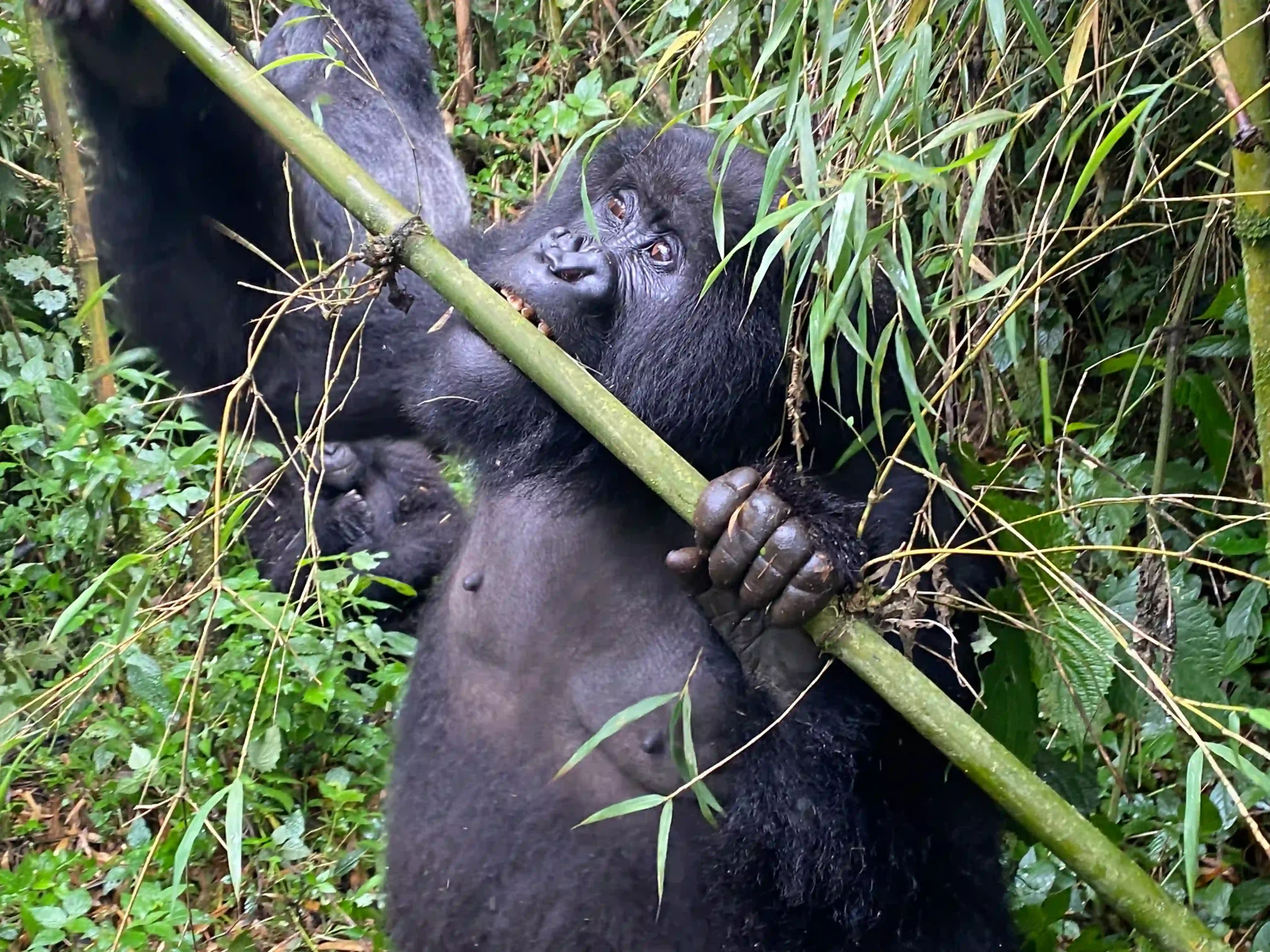
Encounters with habituated gorilla families reveal a powerful society ruled by a dominant silverback, surrounded by mothers, juveniles, and infants. These gorillas are highly intelligent, expressive, and emotionally complex. The sight of a silverback calmly observing his visitors or a playful youngster tumbling through vegetation creates a bridge of connection between humans and the wild. The success of gorilla trekking tourism is deeply rooted in Rwanda’s conservation framework, which restricts visitor numbers and dedicates revenue to park protection and community development. Through these controlled encounters, Volcanoes National Park has become a living symbol of Ape Conservation in Africa, proving that tourism can fuel the survival of even the most endangered species.
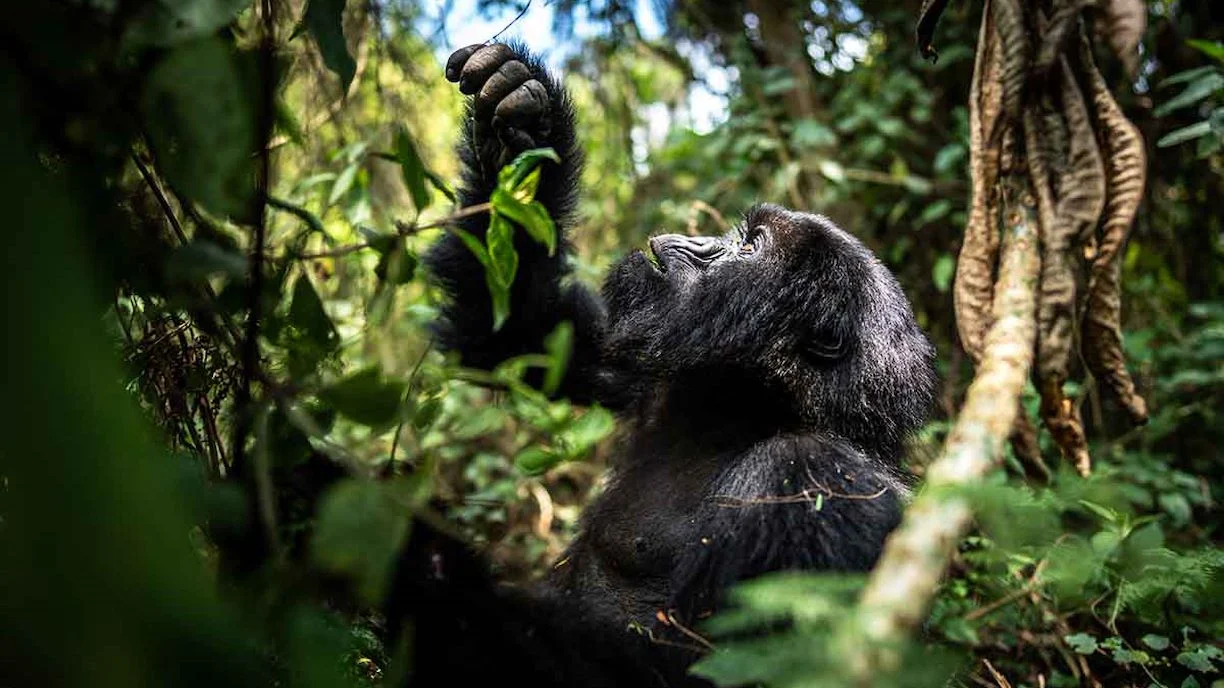
Volcanoes National Park itself is a breathtaking world of misty forests, rugged terrain, and volcanic backdrops. Situated at high elevation, the terrain is a mixture of bamboo forest, Hagenia-hypericum woodland, and Afro-alpine meadows. The park is rich in biodiversity, sheltering golden monkeys, forest elephants, buffalo, and over 200 bird species, yet the Mountain Gorillas in Volcanoes National Park is the true guardian of this forest. Protected by strict regulations and expertly guided treks, each visit contributes to a conservation model that has helped increase the global mountain gorilla population from under 250 in the 1980s to over 1,000 today. In the heart of this sanctuary, every step taken on the trail is part of a global conservation success.
Section 2: Planning Your Unforgettable Gorilla Trekking Rwanda Experience
Planning Gorilla Trekking in Rwanda is an adventure that begins long before you set foot on the forest trails of Volcanoes National Park. This experience requires careful preparation, ethical responsibility, and logistical planning to ensure a seamless journey. Most travelers begin their trip in Kigali, Rwanda’s capital, which serves as the gateway point to the Virunga region. From Kigali to Volcanoes National Park, the journey takes approximately 2.5 hours by road, offering scenic views of terraced hills, lakes, and traditional Rwandan villages. It is advisable to arrive at least a day before your trek to acclimatize to the altitude and prepare for the hike. Many visitors choose to stay in Musanze lodges or near Kinigi, where most trekking expeditions depart.
Choosing a tour operator such as Rwanda Safaris Gorilla Trekking or established providers in Kinigi ensures your permits, transport, accommodations, and guides are properly arranged. Rwanda’s tourism system is highly organized, and professional guides are mandatory for all gorilla treks. These experienced rangers not only navigate the terrain but ensure safety, adherence to gorilla tracking rules, and respect for the Mountain Gorillas in Volcanoes National Park. Group sizes are strictly limited to eight trekkers per gorilla family to minimize environmental impact and stress on the animals—an integral part of Rwanda’s conservation strategy.
Fitness preparation is also essential. Although anyone with moderate fitness can attempt a trek, some gorilla families require steeper hikes of up to six hours round-trip. Trekking conditions can vary with the weather, as rain showers are common, and trails can be muddy or slippery. Special trekking gear, such as hiking boots, gaiters, waterproof jackets, and gloves, helps protect against stinging plants and rugged terrain. Pre-travel medical advice is recommended, particularly for altitude readiness and vaccinations. With proper planning, Gorilla Trekking Rwanda becomes not only a wildlife encounter but a deeply personal journey into one of nature’s last strongholds.
Section 3: Securing Your Rwanda Gorilla Permit – Cost and Booking Essentials
Securing a Rwanda Gorilla Permit is the most critical step in planning your trek. Rwanda strictly enforces permit availability to protect gorilla populations, making early booking essential—preferably 6 to 12 months in advance. Currently, each Rwanda Gorilla Permit costs $1,500 per person, a price that contributes directly to conservation and local community development. A portion of this fee supports ranger salaries, anti-poaching units, healthcare, and infrastructure for surrounding villages, ensuring that tourism benefits both wildlife and people.
Permits are issued by the Rwanda Development Board (RDB) but can also be obtained through licensed tour operators who manage all logistical arrangements. While the cost may seem high, Rwanda intentionally positions itself as a premier gorilla trekking destination, focusing on quality rather than mass tourism. This strategy supports low-impact, sustainable conservation, enhancing the quality of each visitor’s experience. In comparison, Uganda Gorilla Permits cost $700 while Congo permits range between $400–600, but the reliability, safety, and luxury of Rwanda’s trekking infrastructure set it apart.
Booking your permit also determines your trekking assignment. On the morning of your trek, park officials allocate trekking groups based on physical ability, matching participants to families of Mountain Gorillas in Volcanoes National Park with nearby or distant ranges. Tourists seeking shorter, more comfortable hikes can request an easier group in advance. Others looking for a challenging Virunga Mountains Gorilla Trek may opt for distant families in the higher slopes. Regardless of experience level, securing the permit marks your entry into the rarest wildlife encounter in Africa—an hour in the company of wild mountain gorillas.
Section 4: Virunga Mountains Gorilla Trek – Terrain, Trails, and Adventure
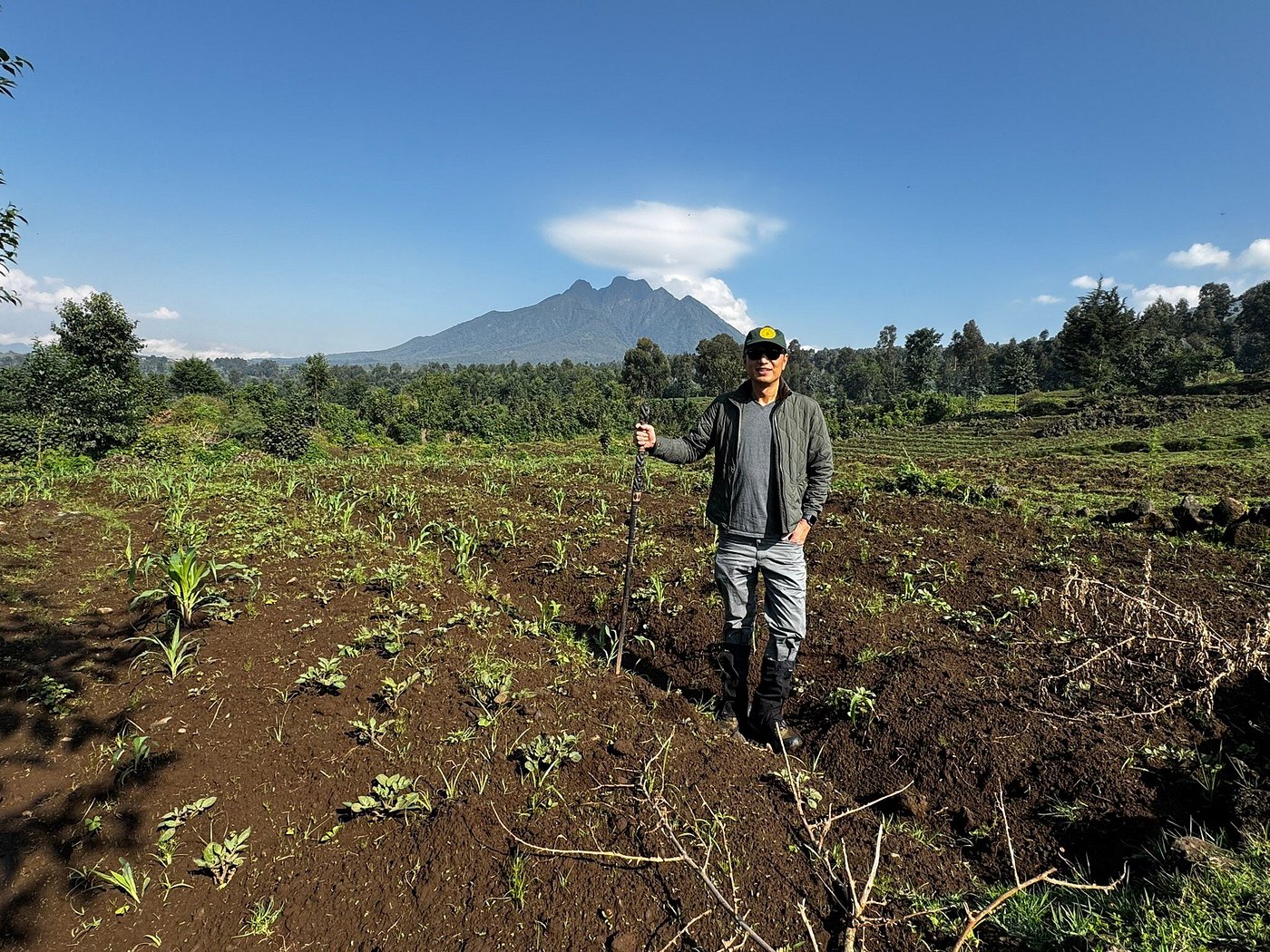
The Virunga Mountains Gorilla Trek is far more than a simple hike—it is a voyage through one of the most mystical landscapes on earth. The Virunga Massif spans Rwanda, Uganda, and Congo, crowned by ancient volcanoes such as Karisimbi, Bisoke, Gahinga, Muhabura, and Sabyinyo. Within this rugged terrain, habituated gorilla families roam dense bamboo forests and Hagenia woodlands, requiring trekkers to navigate diverse elevations ranging from 2,400 to 4,500 meters. The trails are often steep, muddy, and thick with vegetation, a reminder that this environment remains largely untouched by human development.
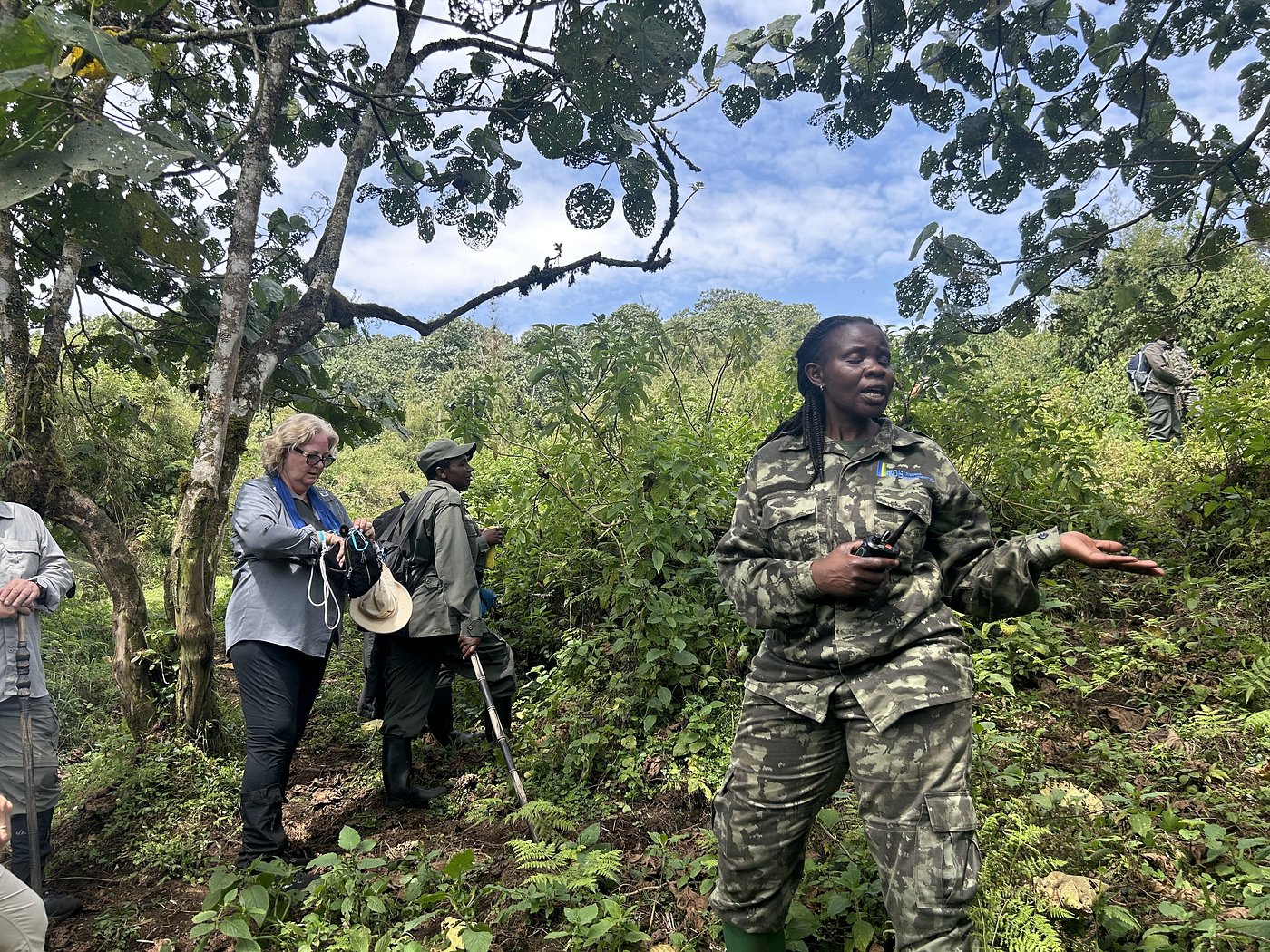
Each trek begins at Kinigi Headquarters with a briefing before visitors split into small groups and head into the park accompanied by rangers and trackers. Trackers begin earlier in the morning to locate the gorilla families based on nest sites and movement patterns from the previous day. Once the Mountain Gorillas in Volcanoes National Park are found, trekkers approach slowly and respectfully, observing them from a minimum distance of 10 meters, in line with international gorilla tracking rules. Every Rwanda gorilla encounter is unique—some families will be resting, feeding, grooming, or nurturing infants under the watchful eye of the dominant silverback.
Despite the challenging conditions, trekkers consistently describe the journey as deeply rewarding. The silence of the forest, broken only by distant primate calls and rustling leaves, intensifies the anticipation. When a gorilla emerges from the mist, the tiredness fades instantly. The sheer presence of a silverback gorilla encounter, exuding both calmness and authority, is a spiritual moment few will ever forget. It is here, in the heart of the Virunga Mountains, that adventure, emotion, and conservation meet in perfect harmony.
Section 5: Conservation Success – The Legacy of the Dian Fossey Gorilla Fund and Rwanda Conservation Efforts
The recovery of Mountain Gorillas in Volcanoes National Park stands as one of the greatest wildlife conservation success stories in the world, largely due to the legacy of the Dian Fossey Gorilla Fund and Rwanda’s relentless commitment to protection. In the 1960s and 1970s, American primatologist Dian Fossey dedicated her life to studying and defending gorillas against poaching and habitat loss. Her famous Karisoke Research Center, situated between Mount Karisimbi and Mount Bisoke, became a sanctuary of scientific discovery and anti-poaching activism. Her work, though often dangerous, sparked a global movement that transformed the fate of Mountain Gorillas in Volcanoes National Park from near extinction to a symbol of international conservation triumph.
Today, the Dian Fossey Gorilla Fund International continues to monitor gorilla groups, track health conditions, and protect forest ecosystems. Combined with the efforts of the Rwanda Development Board (RDB) and local communities, Rwanda has created a global model for sustainable wildlife management. Revenues from gorilla trekking permits are reinvested into anti-poaching patrols, veterinary care, community education, and infrastructure that empowers residents living near the park. Former poachers have become park guards, and villages now benefit from schools, hospitals, and clean water projects—made possible by Rwanda wildlife tourism.
Rwanda’s conservation efforts also extend to community-based initiatives such as Kinigi Safaris and “Revenue Sharing Programs,” ensuring local people are stakeholders in gorilla protection. Visitors to Volcanoes National Park often witness this cooperative effort firsthand, where conservation is not an abstract policy but a living partnership between people and wildlife. This united approach has led to a steady increase in gorilla populations—proving that with dedication and inclusive tourism, endangered species can truly recover. Rwanda is no longer just a trekking destination; it is a beacon of Ape Conservation in Africa and a blueprint for future global conservation strategies.
Section 6: What to Expect – A Silverback Gorilla Encounter and Habituated Families
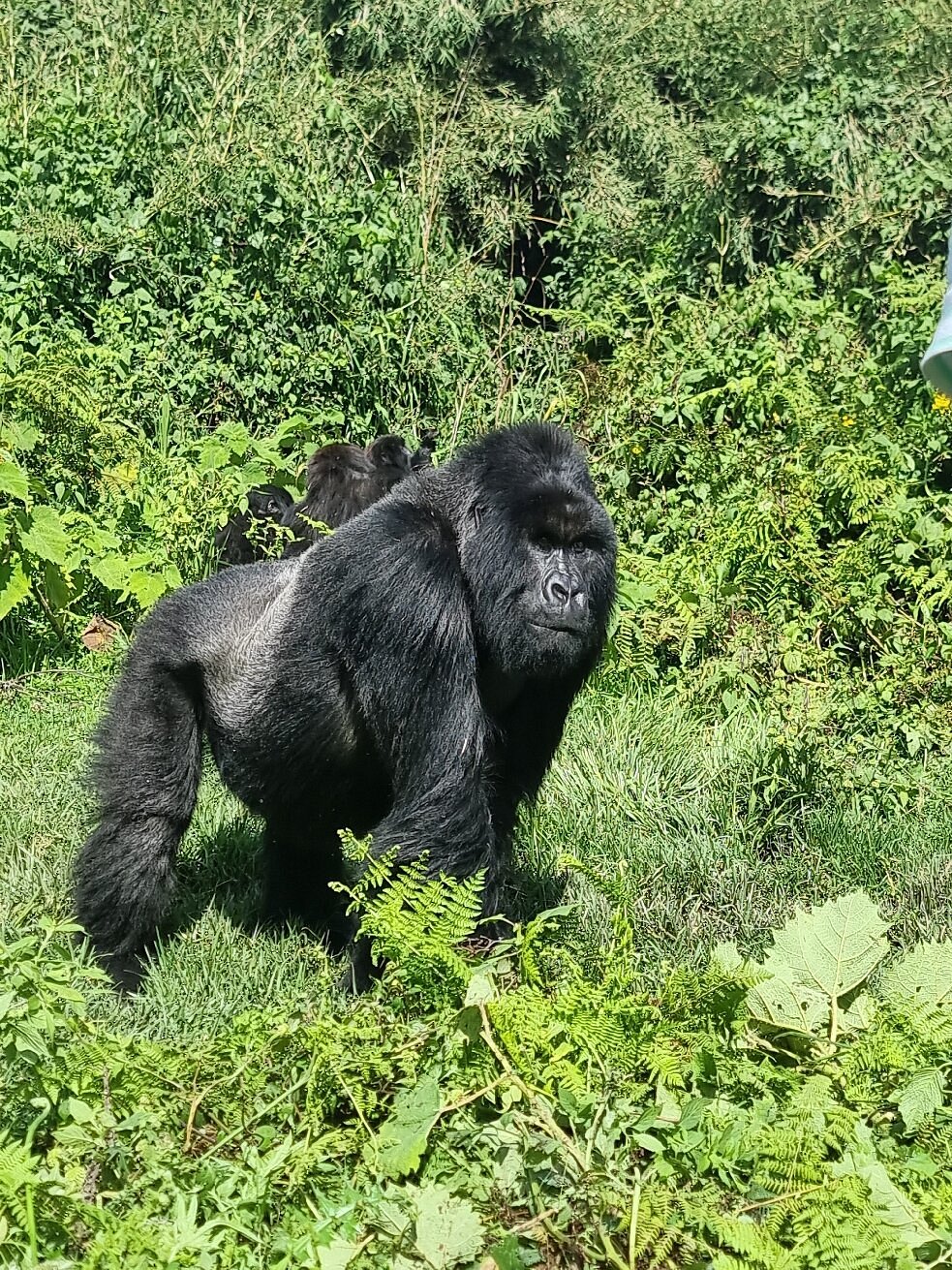 A Silverback Gorilla Encounter is one of the most emotional and humbling moments a traveler can experience in the wild. These powerful primates, often weighing over 180 kilograms, rule the gorilla family with both authority and calm composure. Despite their immense strength, silverbacks display remarkable gentleness, often seen cradling infants or mediating group interactions. When you stand a few meters away from a silverback and he gazes directly into your eyes, it is a silent exchange that transcends language—a reminder of our ancient connection to nature.
Habituated gorilla families, those accustomed to human presence through years of gradual exposure by researchers and rangers, are carefully selected for gorilla trekking visits. Each family has a unique composition and personality. Some are playful and curious, with juveniles swinging between branches, while others are calm and introspective, quietly feeding among dense vegetation. Rangers will often share the family’s story, including dominant silverbacks, mothers, and infants born within the family group. These stories bring the encounter to life, revealing the emotional depth and complex social bonds of gorillas.
Visitors must follow strict gorilla tracking rules in Volcanoes National Park to protect both human and gorilla health. Talking quietly, avoiding sudden movement, and maintaining a respectful distance are essential for a safe and peaceful interaction. Trekking groups spend exactly one hour with the gorillas, allowing observation without causing stress. It is during this hour that travelers truly grasp the urgency of conservation. Seeing gorillas live, breathe, and nurture their young in the forests of Rwanda leaves an imprint on the soul—a reminder of our responsibility to preserve this miraculous species for future generations.
Section 7: Beyond Gorillas – Volcanoes National Park Attractions and Golden Monkey Tracking Volcanoes
Although gorillas are the star attraction, Volcanoes National Park offers a wealth of additional adventures for travelers seeking deeper immersion into Rwanda’s natural and cultural heritage. One of the most popular supplementary experiences is Golden Monkey Tracking Volcanoes, where visitors trek into bamboo forests to observe rare and lively primates. Golden monkeys, known for their striking golden-orange fur and playful behavior, live in large troops and are often seen leaping energetically through the canopy. Their less aggressive nature makes them a delight to watch, especially for families and photographers.
Other Volcanoes National Park attractions include hikes to the Dian Fossey Tomb and Karisoke Research Center, providing insight into historical conservation efforts. For experienced trekkers, climbing Mount Bisoke or Karisimbi offers challenging expeditions with crater lake vistas and sweeping mountain landscapes. Cultural excursions to Iby’Iwacu Cultural Village introduce visitors to Rwandan traditions, including Intore dance, traditional hunting practices, and local craftsmanship. These cultural experiences complement the emotional intensity of gorilla trekking by connecting travelers to Rwanda’s people and history.
Additionally, the region around Musanze, near Volcanoes National Park, offers scenic drives, caves exploration, birdwatching, and peaceful community walks. Combined with leisurely stays by Lake Ruhondo and Lake Burera, the area provides the perfect post-trek relaxation. By exploring these diverse attractions, visitors move beyond a single wildlife encounter to experience a holistic journey through Rwanda Safaris and Gorilla Trekking culture. In every corner of Volcanoes National Park, adventure and enlightenment coexist, creating memories far beyond the gorilla encounter itself.
Section 8: Essential Preparation – Best Time for Mountain Gorillas in Volcanoes National Park and Gorilla Tracking Rules
Understanding the best time for gorilla trekking is essential for planning a successful safari in Volcanoes National Park. Rwanda’s climate is relatively mild year-round due to its high altitude, but trekking conditions vary based on rainfall and trail conditions. The dry seasons, from June to September and December to February, are considered the best time for Mountain Gorillas in Volcanoes National Park, as trails are less muddy and visibility is higher. During these months, gorilla families are often found more easily, and trekkers can experience crisp mountain air with reduced rainfall. However, Rwanda’s wet seasons—from March to May and October to November—offer lush scenery and fewer tourists, ideal for photographers seeking vibrant landscapes.
Regardless of the season, adhering to gorilla tracking rules is essential to ensure the safety of both visitors and gorillas. These rules include maintaining a minimum distance of 10 meters from Mountain Gorillas in Volcanoes National Park, avoiding eye contact for extended periods, and refraining from eating, drinking, or using flash photography during the encounter. Trekking groups are limited to eight people per gorilla family, minimizing disturbance. Visitors with flu, cough, or infectious illnesses may be barred from trekking to protect gorillas from human-transmitted diseases. These guidelines, strictly enforced by Rwandan authorities, protect the delicate balance between tourism and conservation.
Preparation also involves mental and physical readiness. Trekkers should expect altitude, humidity, and uneven terrain. A walking stick is provided at the start of the trek, and porters are available to assist with luggage and balance on slippery paths. Consistent hydration, a steady pace, and respect for ranger instructions are the keys to a successful trek. By understanding the seasonal conditions and following established guidelines, visitors ensure a responsible and respectful journey into the heart of Mountain Gorillas in Volcanoes National Park.
Section 9: Logistics and Comfort – Musanze Lodges, Kigali to Volcanoes National Park, and Luxury Gorilla Safaris Rwanda
Reaching Volcanoes National Park is a seamless journey thanks to Rwanda’s modern infrastructure. Most treks begin with a drive from Kigali, which takes approximately 2.5 hours through scenic highland roads. The route from Kigali to Volcanoes National Park passes through towns like Ruhengeri (now Musanze), offering stunning views of terraced hillsides and rural villages. Many travelers opt to stay near Kinigi, the headquarters of the park, the night before their trek to ensure early-morning readiness.
Accommodation options around the park vary from budget guesthouses to elite safari lodges. For premium experiences, visitors can choose from prestigious Musanze lodges such as Bisate Lodge, Singita Kwitonda, One&Only Gorilla’s Nest, and Sabyinyo Silverback Lodge. These properties offer luxury suites, private decks, gourmet dining, and dramatic volcanic views—ideal for those seeking Luxury Gorilla Safaris Rwanda. For mid-range travelers, lodges like Five Volcanoes Boutique Hotel, Da Vinci Lodge, and Mountain Gorilla View Lodge provide comfort and convenience.
Service quality in Rwanda’s gorilla regions is exceptionally high, with professional staff, private chefs, spa facilities, and cultural entertainment. Luxury safari packages often include helicopter transfers, private trekking guides, and exclusive encounters. However, even budget travelers can access comfortable accommodation and well-organized tours, thanks to Rwanda’s dedication to responsible tourism. Whether staying in a luxury eco-lodge or a local community lodge, visitors enjoy Rwanda’s famed hospitality alongside world-class wildlife experiences.
Section 10: What to Pack for Mountain Gorillas in Volcanoes National Park – Gear, Essentials, and Final Checklists
Packing correctly for Gorilla Trekking in Rwanda is critical to comfort and safety during the trek. The dense jungles of the Virunga Mountains require specialized clothing and gear to protect against rain, mud, insects, and vegetation. Essential clothing includes long-sleeved shirts, waterproof hiking pants, durable trekking boots, and a rain jacket, even during dry seasons. Gloves—particularly gardening gloves—are highly recommended to protect hands from nettles and to grip vegetation during steep climbs.
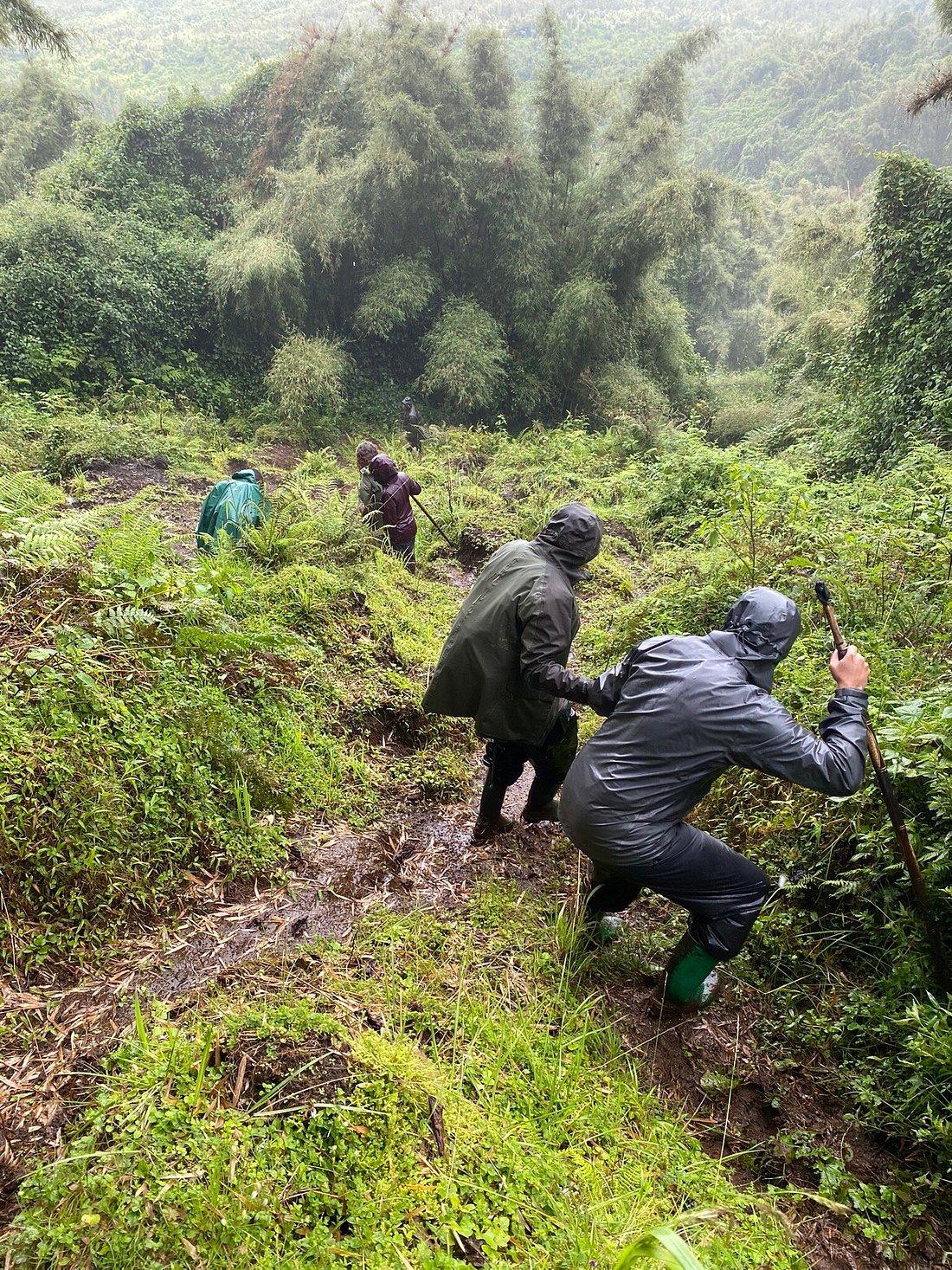
Other important gear includes a wide-brim hat, gaiters, insect repellent, reusable water bottle, energy snacks, and a small backpack. Hiking poles are available at Kinigi but bringing personal trekking sticks is common for seasoned hikers. A lightweight poncho or waterproof cover is useful for sudden rain. Camera equipment should include high-ISO lenses due to low forest light, and waterproof bags are essential for gear protection.
Travelers should also bring personal medications, sunscreen, antibacterial wipes, and binoculars for birdwatching. For those with altitude concerns, consulting a doctor beforehand is advisable. Porters are available for hire at the trekking base, and hiring one is strongly encouraged—not only for support, but because it creates local employment and community benefits. Being thoroughly prepared transforms the trek from a challenge into a comfortable, enjoyable experience. Ultimately, the right packing ensures that the focus remains on the profound encounter with the gorillas.Section 11: Ape Conservation in Africa and the Future of Rwanda Wildlife Tourism
The story of gorilla trekking is deeply intertwined with the story of Ape Conservation in Africa. Mountain gorillas were once critically endangered, facing extinction from poaching, disease, and habitat loss. Thanks to Rwanda’s innovative conservation model—rooted in tourism revenue sharing, ranger protection, and community partnerships—the population of mountain gorillas has steadily risen. Today, Rwanda stands as a global leader in primate conservation, inspiring similar efforts across East and Central Africa.
Rwanda wildlife tourism has demonstrated how responsible travel can directly support conservation efforts. A portion of every gorilla trekking permit in Rwanda is invested back into reforestation, anti-poaching patrols, and veterinary care (via organizations like Gorilla Doctors). Moreover, local communities benefit through infrastructure, education, and employment opportunities in safari lodges, guiding, and crafts. By empowering communities who once lived in conflict with wildlife, Rwanda has transformed conservation into shared prosperity.
As global awareness grows, Volcanoes National Park continues to innovate with advanced habitat protection, digital tracking tools, and transboundary cooperation with Uganda and Congo. Rwanda’s vision is clear—to ensure that future generations will also stand face-to-face with Mountain Gorillas in Volcanoes National Park. Through conscious tourism, education, and continued protection, the legacy of gorilla conservation stands strong. Every visitor becomes part of this legacy, contributing to a movement far greater than a single trek.
Your Journey Awaits – Plan Your Mountain Gorillas in Volcanoes National Park
A journey to see the Mountain Gorillas in Volcanoes National Park is far more than a typical safari—it’s a once-in-a-lifetime pilgrimage into the heart of nature’s most majestic primates. Whether you seek a Silverback Gorilla Encounter in Rwanda, a luxury lodge escape, or a deeply moving conservation pilgrimage, Rwanda delivers an experience that changes the way you see wildlife, travel, and humanity.
Book Your Rwanda Gorilla Trekking Safari Today
Ready to step into the legendary Virunga Mountains? Our expert team at Rwanda Safaris Gorilla Trekking arranges gorilla permits, private guides, luxury lodges, and cultural extensions with unmatched professionalism.
📞 Call/WhatsApp: +250 781 441 853
📧 Email: info@rwandasafarisgorillatrekking.com
🌍 Website: Rwanda Safaris Gorilla Trekking
Your Mountain Gorillas in Volcanoes National Park adventure begins. Rwanda is waiting.

Related Posts


[…] sought-after wildlife experiences in Africa, attracting travelers from all over the world seeking exceptional encounters with gorillas, lions, elephants, chimpanzees, and rare primate species. Rwanda is one of the safest, cleanest, […]