
Planning a family safari in Africa is an exciting adventure, and one of the most…
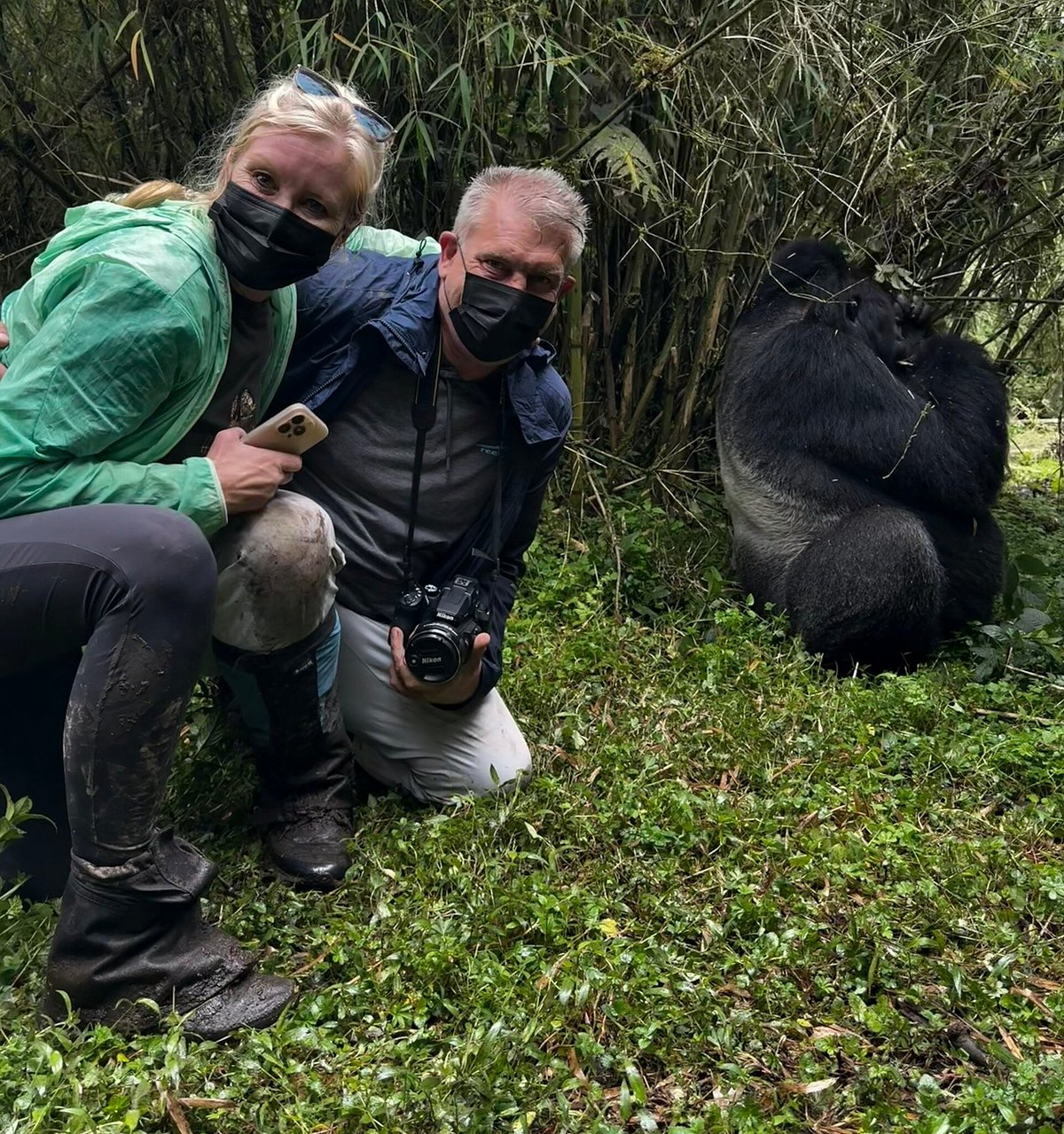
Photography Tips for Gorilla Trekking in Rwanda
Gorilla trekking in Rwanda is one of the most powerful wildlife experiences on Earth, and for many travelers, capturing this moment through photography becomes just as important as the trek itself. The opportunity to stand just meters away from endangered mountain gorillas in their natural habitat is rare, emotional, and visually stunning, making it essential to understand the best photography tips for gorilla trekking in Rwanda before you begin your journey. From dense rainforest lighting conditions to fast-moving subjects and unpredictable weather, photographing gorillas requires preparation, patience, and the right techniques. Whether you are a professional photographer or a passionate traveler with a camera, mastering gorilla trekking photography in Rwanda will ensure you return home with breathtaking images that tell a story.
Why Gorilla Trekking Photography in Rwanda Is Unique
Rwanda’s gorilla trekking experience, especially in Volcanoes National Park, offers photographers a unique environment that combines dramatic landscapes, misty forests, and intimate wildlife encounters. Unlike open savannah safaris, where lighting is often bright and predictable, gorilla trekking takes place deep inside dense rainforest, where light is limited and constantly changing. This creates both a challenge and an opportunity for photographers who want to capture authentic and atmospheric wildlife shots.
Additionally, mountain gorillas are highly expressive animals, displaying emotions, social interactions, and behaviors that are rarely seen elsewhere. Capturing these moments requires not only technical skills but also an understanding of animal behavior and patience. Therefore, following the right photography tips for gorilla trekking in Rwanda will significantly improve your chances of capturing meaningful and high-quality images.
Best Camera Gear for Gorilla Trekking in Rwanda
Choosing the Right Camera Body
When preparing for gorilla trekking photography in Rwanda, selecting the right camera body is crucial. A DSLR or mirrorless camera with excellent low-light performance is highly recommended because the forest environment can be quite dark. Cameras with strong ISO capabilities allow you to shoot in low light without excessive noise, which is essential when photographing gorillas under the forest canopy.
In addition, fast autofocus systems are important since gorillas can move unexpectedly. A camera that quickly locks focus will help you capture sharp images even when conditions are challenging.
Best Lenses for Gorilla Photography
The ideal lens for gorilla trekking in Rwanda is typically a zoom lens in the range of 70–200mm. This focal length allows you to capture close-up portraits while maintaining a safe distance from the gorillas. In some situations, gorillas may come very close, so having a versatile zoom lens helps you adjust quickly without changing lenses.
For photographers who want more flexibility, a 24–70mm lens can also be useful for environmental shots that include the forest surroundings. However, prime lenses with wide apertures (such as f/2.8 or wider) are excellent for low-light conditions and can produce beautiful background blur.
Essential Accessories for Gorilla Trekking Photography
When considering photography tips for gorilla trekking in Rwanda, it is important not to overlook accessories. Extra batteries are essential because cold and humid conditions can drain power quickly. Memory cards with high storage capacity are also necessary since you will likely take many photos during your one-hour gorilla encounter.
A waterproof camera bag or rain cover is highly recommended due to unpredictable weather in the rainforest. Additionally, a lens cleaning cloth will help you manage moisture and dirt during the trek.
Camera Settings for Gorilla Trekking in Rwanda
Using the Right ISO Settings
One of the most important photography tips for gorilla trekking in Rwanda is mastering your ISO settings. Since the forest environment is often dim, you will need to increase your ISO to allow more light into your camera. Modern cameras can handle ISO levels of 800, 1600, or even higher while maintaining good image quality.
However, it is important to balance ISO with noise levels. Shooting in RAW format allows you to adjust exposure and reduce noise during post-processing.
Shutter Speed for Moving Subjects
Gorillas may appear calm, but they can move suddenly, especially younger individuals. Therefore, using a fast shutter speed (at least 1/250 or higher) is essential to freeze motion and avoid blurry images.
If lighting conditions are too dark, you may need to adjust your ISO or aperture to maintain a fast shutter speed while keeping your images sharp.
Aperture for Depth and Light
A wide aperture (such as f/2.8 or f/4) is ideal for gorilla trekking photography in Rwanda because it allows more light into the camera and creates a shallow depth of field. This helps isolate the gorilla from the background, producing a professional and visually appealing image.
However, when photographing groups of gorillas, you may want to use a slightly narrower aperture (such as f/5.6 or f/8) to ensure multiple subjects are in focus.
Understanding Lighting in the Rainforest
Lighting is one of the biggest challenges when applying photography tips for gorilla trekking in Rwanda. The dense canopy often blocks direct sunlight, creating soft but limited lighting conditions. This means you must rely on natural light and avoid using flash, as flash photography is not allowed during gorilla trekking.
To make the most of available light, position yourself so that light falls on the gorilla’s face. Shooting during moments when the gorilla moves into a slightly brighter area can dramatically improve your photos.
Composition Techniques for Stunning Gorilla Photos
Focus on the Eyes
The eyes of a mountain gorilla are incredibly expressive, and capturing them sharply can transform your photo into a powerful storytelling image. Always aim to focus on the eyes, as this creates a strong emotional connection between the subject and the viewer.
Use Natural Framing
The forest environment offers natural framing elements such as branches, leaves, and vines. Incorporating these into your composition adds depth and context to your images, making them more dynamic and visually interesting.
Capture Behavior and Interaction
Rather than taking only static portraits, try to capture interactions between gorillas, such as grooming, playing, or caring for young. These moments tell a story and make your photography more engaging.
Best Time of Day for Gorilla Photography in Rwanda
Gorilla trekking in Rwanda usually begins early in the morning, which is actually beneficial for photography. The soft morning light creates a natural and pleasing tone, even within the forest. Additionally, gorillas are often more active during the early hours, increasing your chances of capturing dynamic behavior.
However, weather conditions can vary, and mist or light rain can add a dramatic and atmospheric effect to your photos. Embracing these natural elements can enhance the uniqueness of your images.
Respecting Gorilla Trekking Rules While Photographing
While focusing on photography tips for gorilla trekking in Rwanda, it is equally important to follow conservation guidelines. Maintaining a safe distance (usually 7 meters) is essential for both your safety and the well-being of the gorillas.
Avoid making sudden movements or loud noises, and always follow the instructions of your guide. Ethical photography ensures that future generations can continue to experience gorilla trekking in Rwanda.
Smartphone Photography Tips for Gorilla Trekking
Not everyone travels with professional camera equipment, and modern smartphones can still capture impressive images. When using a smartphone for gorilla trekking photography in Rwanda, make sure to clean your lens, stabilize your hands, and use HDR mode if available.
Avoid zooming digitally, as this reduces image quality. Instead, move slightly closer (within allowed distance) and frame your shot carefully.
Common Mistakes to Avoid During Gorilla Trekking Photography
One common mistake is overpacking gear. Carrying too much equipment can slow you down during the trek and make the experience less enjoyable. It is better to carry a simple, efficient setup.
Another mistake is focusing too much on photography and forgetting to enjoy the moment. While capturing images is important, taking time to observe and appreciate the gorillas without a camera can make the experience more meaningful.
Editing Your Gorilla Trekking Photos
Post-processing plays an important role in enhancing your images. Adjusting exposure, contrast, and color balance can bring out the details that may not be visible straight out of the camera.
However, it is important to keep edits natural and avoid over-processing. The goal is to reflect the authentic beauty of gorilla trekking in Rwanda.
Combining Gorilla Trekking with a Photography Safari
Many travelers choose to combine gorilla trekking with a broader Rwanda safari, including wildlife photography in Akagera National Park or chimpanzee tracking in Nyungwe Forest. This allows photographers to capture a wide range of subjects, from primates to Big Five animals, creating a diverse portfolio of African wildlife images.
Final Thoughts on Photography Tips for Gorilla Trekking in Rwanda
Mastering photography tips for gorilla trekking in Rwanda requires preparation, adaptability, and respect for nature. By choosing the right gear, understanding camera settings, and practicing good composition techniques, you can capture incredible images that reflect the beauty and emotion of this once-in-a-lifetime experience.
At the same time, remember that gorilla trekking is not just about photography—it is about connection, conservation, and experiencing one of the most remarkable wildlife encounters in the world. By balancing your focus between capturing photos and enjoying the moment, you will create memories that go far beyond the images themselves.

Related Posts


Comments (0)