 Skip to content
Rwanda Gorilla trekking Experience : For many travelers, the phrase gorilla trekking sounds adventurous, mysterious,…
Gorilla Trekking in Rwanda – Complete Guide for First-Time Visitors
Gorilla Trekking in Rwanda : For many first-time visitors to Africa, the idea of gorilla trekking feels almost unreal. The thought of walking through a misty forest to meet one of the world’s most powerful yet gentle animals can be both exciting and intimidating. Questions naturally arise: Is it safe? Is it difficult? What should I expect? Why Rwanda?
This is why Gorilla Trekking in Rwanda – Complete Guide for First-Time Visitors exists.
This guide is written not as a sales pitch, but as a learning journey—a way to understand gorilla trekking step by step, calmly and clearly, just as a teacher would explain a new subject to pupils encountering it for the first time.
Understanding Gorilla Trekking Before You Go
Gorilla trekking is not a zoo visit. It is not a show. It is not entertainment in the usual sense. Instead, it is a carefully controlled conservation activity that allows humans to enter the natural habitat of mountain gorillas for a short, respectful visit.
Mountain gorillas live in high-altitude forests where mist, rain, and dense vegetation are part of daily life. Visiting them means adapting to their world, not the other way around.
For first-time visitors, understanding this mindset is the most important preparation.
Why Rwanda Is Ideal for First-Time Gorilla Trekking
Many travelers choose Rwanda for their first gorilla trekking experience because the country emphasizes accessibility, safety, and education.
Rwanda’s gorilla trekking takes place in Volcanoes National Park, located in the north of the country. This park is part of the Virunga Mountains, a volcanic range shared with neighboring countries.
What makes Rwanda especially suitable for beginners is:
-
Short travel distance from the capital
-
Well-maintained trails
-
Highly trained guides and rangers
-
Clear rules explained before trekking
-
Strong conservation ethics
For first-time visitors, Rwanda offers structure without removing the sense of wilderness.
Arriving in Rwanda: Setting the Context
Most visitors begin their journey in Kigali. Kigali is often the first surprise. It is clean, organized, and calm—very different from what many expect when thinking about African cities.
This first impression matters. Kigali helps visitors feel safe and oriented before traveling into remote forest areas. It also introduces Rwanda’s history, resilience, and commitment to progress, which helps visitors understand why conservation is taken so seriously here.
The Journey to the Gorillas: Geography as a Lesson
Traveling from Kigali to Volcanoes National Park takes only a few hours, yet the landscape changes dramatically. Hills rise, temperatures drop, and vegetation becomes thicker.
This drive teaches an important lesson: altitude shapes life. The cooler climate and fertile volcanic soil create ideal conditions for bamboo forests, which are a key food source for mountain gorillas.
For first-time visitors, this journey helps connect geography with wildlife behavior.
The Gorilla Trekking Briefing: Learning the Rules
Before any trek begins, visitors attend a ranger briefing. This moment is essential, especially for first-time trekkers.
During the briefing, visitors learn:
-
How gorilla families are structured
-
Why only one hour is allowed with gorillas
-
How to behave around wildlife
-
Why distance matters for health and safety
-
How conservation funding supports protection
This is where gorilla trekking shifts from adventure to education.
Walking Into the Forest: What the Trek Feels Like
The trek itself varies from day to day. Some gorilla families are closer, others deeper in the forest. Terrain can include:
-
Muddy slopes
-
Bamboo thickets
-
Uneven volcanic ground
For first-time visitors, this can feel challenging, but it is rarely overwhelming. Rangers move at a steady pace and adapt to the group’s ability.
What surprises many visitors is the silence. The forest is alive, yet calm. Sounds are subtle. Movement is careful.
This atmosphere prepares visitors emotionally for the encounter ahead.
Meeting the Gorillas: A Lesson in Presence
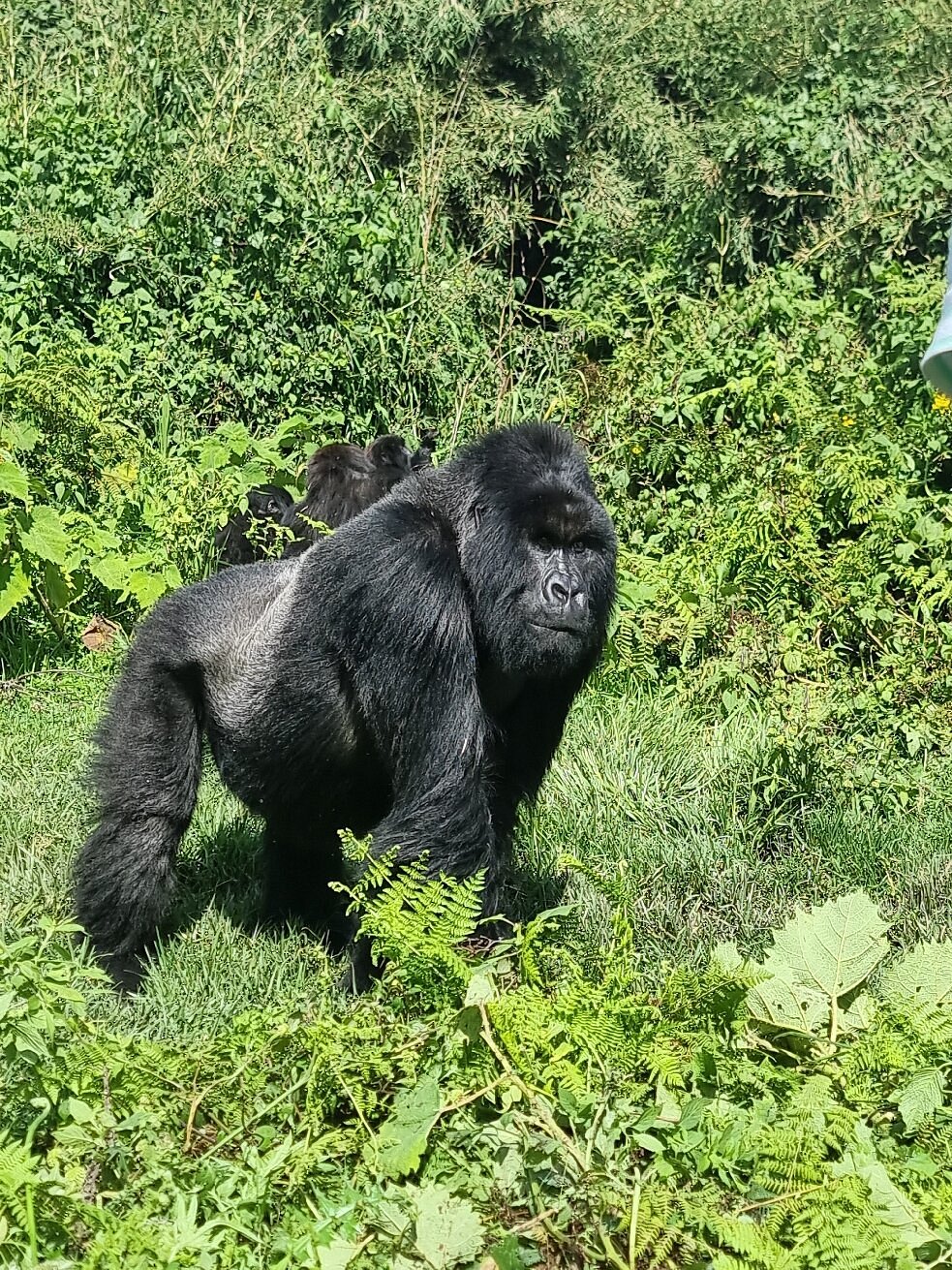
When gorillas appear, there is often a moment of disbelief. These animals are large, powerful, and remarkably human-like in their behavior.
Visitors observe:
-
Mothers caring for infants
-
Young gorillas playing
-
Dominant silverbacks watching calmly
-
Social interactions without aggression
For first-time visitors, this hour teaches something profound: strength does not require violence.
The experience often changes how people think about wildlife, humanity, and responsibility.
Conservation Behind the Experience
Gorilla trekking in Rwanda exists because of strict conservation systems. Permit fees fund:
-
Ranger salaries
-
Veterinary care
-
Community development
-
Anti-poaching patrols
-
Habitat protection
This transparency helps first-time visitors understand that their participation supports survival rather than exploitation.
In Rwanda, gorilla trekking is not tourism despite conservation—it exists because of it.
Physical Preparation for First-Time Visitors
One common fear among beginners is fitness level. While gorilla trekking involves walking and climbing, it does not require athletic training.
Basic preparation includes:
-
Comfortable hiking shoes
-
Moderate fitness
-
Willingness to walk on uneven ground
-
Positive attitude
Porters are available to assist, and using them also supports local livelihoods—another lesson in community-based tourism.
Emotional Preparation: What First-Time Visitors Feel
Many first-time visitors report unexpected emotions:
-
Awe
-
Calm
-
Humility
-
Reflection
-
Gratitude
These reactions are normal. Gorilla trekking is a quiet, personal experience, not a loud or rushed one. It invites reflection rather than excitement.
This emotional depth is why Gorilla Trekking in Rwanda – Complete Guide for First-Time Visitors is often remembered as a life-changing journey.
Best Time for First-Time Gorilla Trekking
Gorilla trekking is possible year-round in Rwanda. Each season teaches something different:
-
Dry seasons offer easier walking
-
Wet seasons reveal forest regeneration
-
Cooler months highlight misty landscapes
For first-time visitors, the best time is often when conditions feel comfortable rather than crowded.
Common Questions First-Time Visitors Ask
First-time trekkers often wonder:
-
Will gorillas charge?
-
Is it safe?
-
Can children trek?
-
What if it rains?
These questions are addressed through strict guidelines, trained rangers, and decades of experience. Safety is not accidental—it is designed.
Why Gorilla Trekking Changes How People Travel
After gorilla trekking, many visitors report traveling differently. They become:
-
More conscious of conservation
-
More respectful of wildlife
-
More interested in learning rather than consuming
-
More supportive of sustainable tourism
This shift in mindset is one of Rwanda’s greatest achievements.
Final Thoughts: Learning from the Forest
Gorilla trekking in Rwanda is not about ticking a box on a travel list. It is about entering a living classroom where the forest, the gorillas, and the people all teach lessons.
For first-time visitors, Gorilla Trekking in Rwanda – Complete Guide for First-Time Visitors is more than guidance—it is preparation for understanding nature with respect.
You do not leave the forest unchanged.
You leave quieter.
More aware.
More connected.

Related Posts


Comments (0)