 Skip to content
A Rwanda Gorilla Safari is widely regarded as the ultimate wildlife adventure in Africa, offering…
Best Time for Gorilla Trekking in Rwanda – Weather, Seasons & Tips
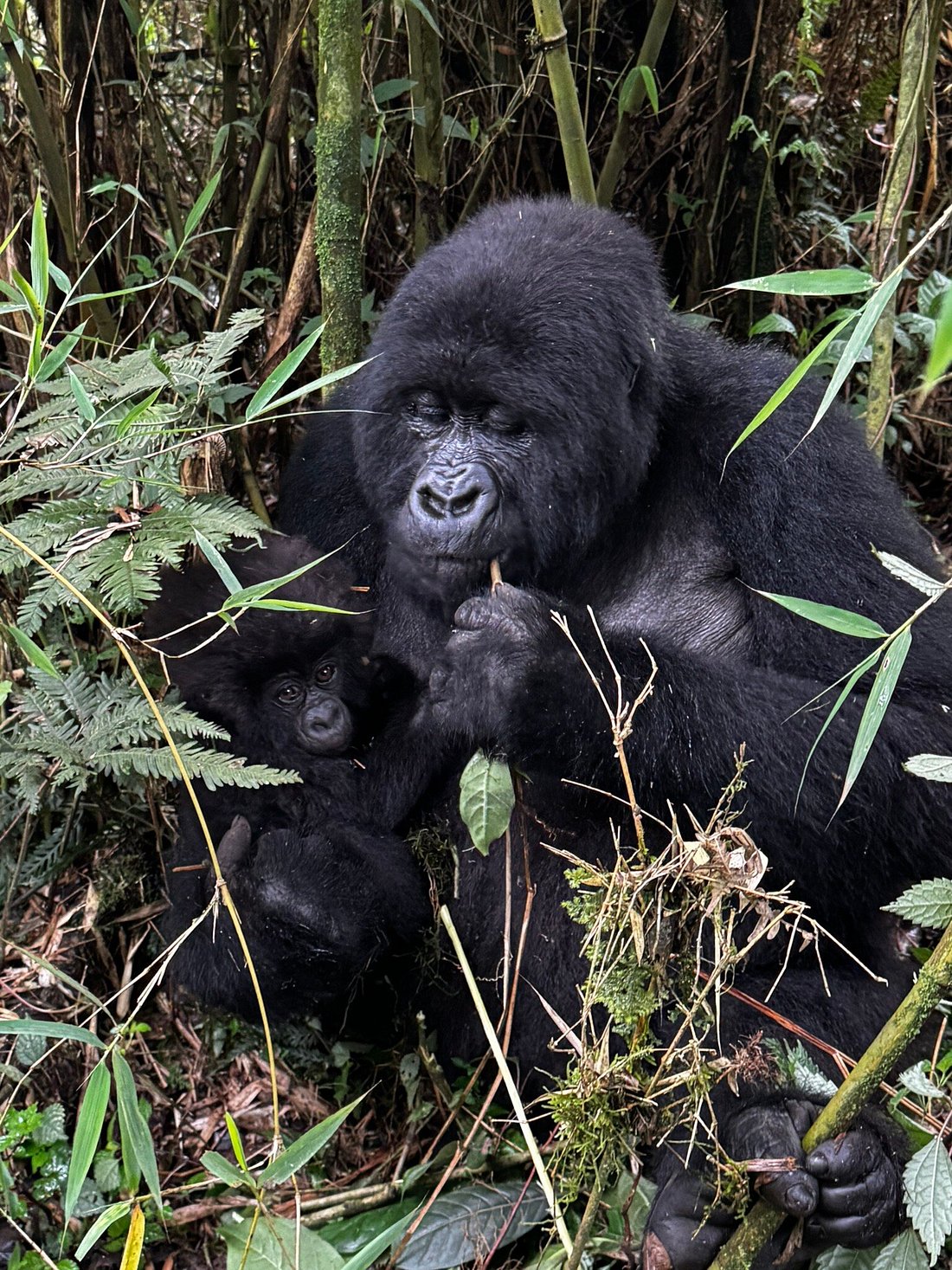
Choosing the best time for gorilla trekking in Rwanda is one of the most important decisions you will make when planning your safari to see endangered mountain gorillas. Rwanda is a year-round destination, but weather patterns, rainfall levels, trekking conditions, permit demand, and lodge pricing can vary significantly depending on the season. Knowing when to travel can enhance your comfort, photography opportunities, and overall safari experience in Volcanoes National Park.
Unlike many wildlife destinations that have extreme climate differences, Rwanda’s equatorial location combined with high altitude creates a relatively moderate climate throughout the year. However, there are distinct dry and rainy seasons that influence trekking conditions. Understanding these seasonal changes will help you determine the best time for gorilla trekking in Rwanda based on your travel style, fitness level, and expectations.
Rwanda’s Climate Overview: What Affects Gorilla Trekking?
Rwanda sits just south of the Equator, but Volcanoes National Park lies at high elevation between 2,400 and 4,500 meters above sea level. This altitude keeps temperatures cooler than many travelers expect.
Average Conditions in Volcanoes National Park:
-
Daytime temperatures: 15°C – 22°C (59°F – 72°F)
-
Cooler mornings and evenings
-
Frequent mist in mountain areas
-
Rain possible at any time of year
Because gorilla trekking takes place in dense rainforest terrain, rain is always a possibility. Therefore, when evaluating the best time for gorilla trekking in Rwanda, it is important to focus not only on rainfall but also on trail conditions and permit demand.
Dry Season: The Most Popular Time for Gorilla Trekking
(June to September & December to February)
For many travelers, the dry season is considered the best time for gorilla trekking in Rwanda. These months experience lower rainfall, firmer hiking trails, and clearer mountain views.
Advantages of the Dry Season
First, trekking trails are less muddy and easier to navigate. Although gorilla trekking always involves hiking through forest terrain, drier conditions make the experience more comfortable, especially for travelers concerned about physical difficulty.
Second, photography conditions tend to be brighter. Clearer skies mean more natural light filtering through the bamboo forest, which helps with wildlife photography.
Third, accessibility is easier. Transfers from Kigali to Volcanoes National Park are smooth year-round, but dry months reduce the risk of weather-related disruptions.
However, because this period is considered the best time for gorilla trekking in Rwanda, it is also the busiest. Gorilla permits often sell out weeks or even months in advance, especially in July and August.
Rainy Season: A Hidden Gem for Gorilla Trekking
(March to May & October to November)
While the dry season receives the most attention, the rainy season also offers compelling advantages. Many experienced safari travelers argue that the rainy season can be the real best time for gorilla trekking in Rwanda, depending on your preferences.
Benefits of Trekking During the Rainy Season
The landscape becomes lush and intensely green, creating dramatic scenery in the Virunga Mountains. Mist rolling through the forest adds atmosphere and depth to photographs.
Additionally, there are fewer visitors during rainy months. This means:
-
Greater permit availability
-
Easier last-minute bookings
-
More personalized lodge service
-
A quieter overall experience
Gorillas often stay at lower elevations when vegetation is abundant, which can sometimes shorten trekking distances. Although rain may create muddy trails, proper hiking boots and rain gear make conditions manageable.
For budget-conscious travelers, the rainy season can sometimes offer better lodge rates. Therefore, when considering affordability, the best time for gorilla trekking in Rwanda may actually be during low season.
Month-by-Month Breakdown: Best Time for Gorilla Trekking in Rwanda
January – February
Short dry season. Good trekking conditions and moderate crowds.
March – May
Long rainy season. Lush scenery, fewer tourists, potential lodge discounts.
June – September
Peak dry season. Most popular period and widely considered the best time for gorilla trekking in Rwanda due to drier trails.
October – November
Short rainy season. Fewer visitors and dramatic mountain views.
December
Holiday peak season with high demand for permits.
Permit Availability & Booking Strategy
Regardless of when you travel, Rwanda limits each gorilla family to only eight visitors per day. The gorilla trekking permit costs $1,500 per person year-round.
If you plan to travel during peak dry months, booking at least 3–6 months in advance is highly recommended. During rainy seasons, permits are easier to secure, making it an attractive alternative when evaluating the best time for gorilla trekking in Rwanda.
Photography & Weather Considerations
Lighting conditions vary by season.
Dry season:
-
Brighter natural light
-
Clearer skies
-
Less atmospheric mist
Rainy season:
-
Soft, diffused lighting
-
Dramatic misty backgrounds
-
Rich green vegetation
Professional photographers often appreciate rainy season light because it reduces harsh shadows.
Trail Difficulty & Fitness Level
The best time for gorilla trekking in Rwanda may also depend on your fitness level. While trekking duration can range from 1 to 6 hours regardless of season, muddy trails during rainy months require stronger footing and balance.
Travelers concerned about physical effort often prefer dry months for easier walking conditions.
Combining Gorilla Trekking with Other Safaris
If you plan to combine gorilla trekking with a Big Five safari in Akagera National Park or chimpanzee trekking in Nyungwe Forest National Park, timing may influence your itinerary.
-
Akagera wildlife viewing is excellent during dry months when animals gather around water sources.
-
Nyungwe forest is beautiful year-round but wetter during peak rainy season.
Therefore, if you are combining multiple parks, June–September often becomes the overall best time for gorilla trekking in Rwanda and a multi-park safari.
So, When Is the Best Time for Gorilla Trekking in Rwanda?
The answer depends on your priorities:
Choose dry season if you prefer:
-
Firmer trails
-
Clearer skies
-
Peak safari atmosphere
Choose rainy season if you prefer:
-
Fewer tourists
-
Lush landscapes
-
Flexible bookings
-
Potential lodge savings
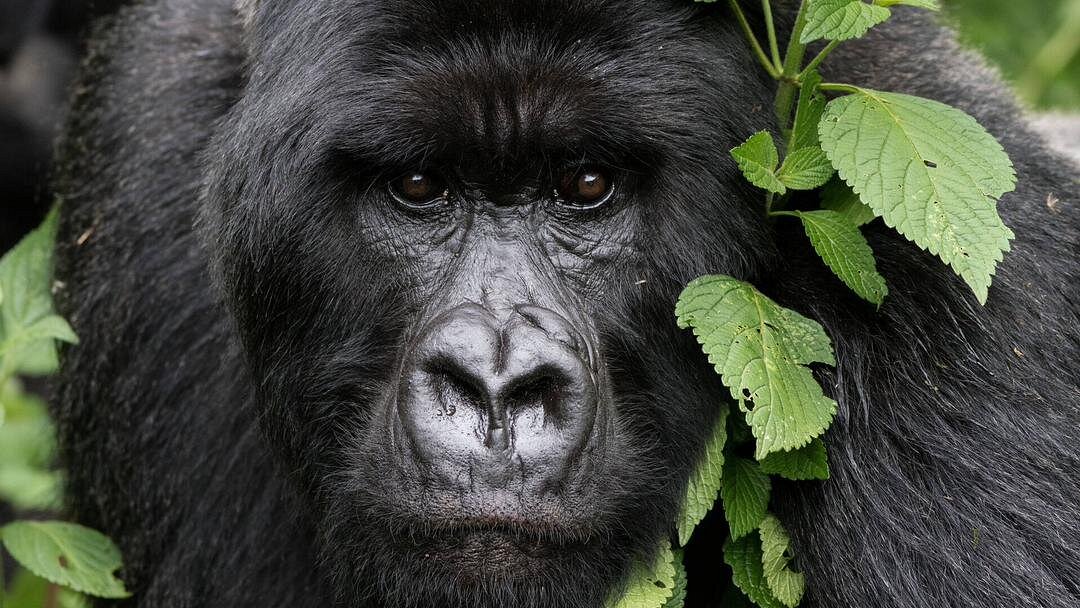
Ultimately, there is no bad time to see mountain gorillas in Rwanda. The experience of standing face-to-face with a silverback in the wild remains extraordinary regardless of the season.
Final Thoughts
The best time for gorilla trekking in Rwanda is not simply about weather—it is about your travel goals. Whether you seek comfort and sunshine or dramatic mist and tranquility, Rwanda offers unforgettable gorilla encounters throughout the year.
With proper planning, packing, and permit booking, every season can deliver a life-changing wildlife experience in Volcanoes National Park.
Plan Your Gorilla Trekking Adventure
Let us help you choose the best time for gorilla trekking in Rwanda based on your schedule and preferences.
Universal Ventures Rwanda
📧 Email: info@universalventuresrwanda.com
📞 WhatsApp: +250 781441853

Related Posts


Comments (0)