 Skip to content
A Luxury Rwanda Gorilla and Big Five Safari combines two of Africa’s most sought-after wildlife…
8-Day Rwanda Gorilla, Big Five and Chimpanzee Safari
This 8-Day Rwanda Gorilla, Big Five and Chimpanzee Safari connects Rwanda’s three best-known national parks: Akagera National Park in the east, Nyungwe National Park in the southwest and Volcanoes National Park in the north.
Rwanda may be one of Africa’s smallest countries, but few destinations offer such a diverse wildlife experience within a relatively compact area. In just eight days, travelers can search for lions and rhinos across open savannah, follow chimpanzees through an ancient rainforest and stand quietly beside a family of mountain gorillas on the forested slopes of the Virunga volcanoes.
Each park presents a completely different environment.
Akagera is a landscape of rolling hills, lakes, wetlands, woodland and open grassland. It is Rwanda’s principal savannah destination and the country’s best location for seeing the Big Five: lion, leopard, elephant, buffalo and rhino.
Nyungwe protects an extensive mountain rainforest filled with primates, birds, butterflies, orchids and ancient trees. Its most celebrated adventure is chimpanzee trekking, although the canopy walkway and guided forest hikes are also outstanding experiences.
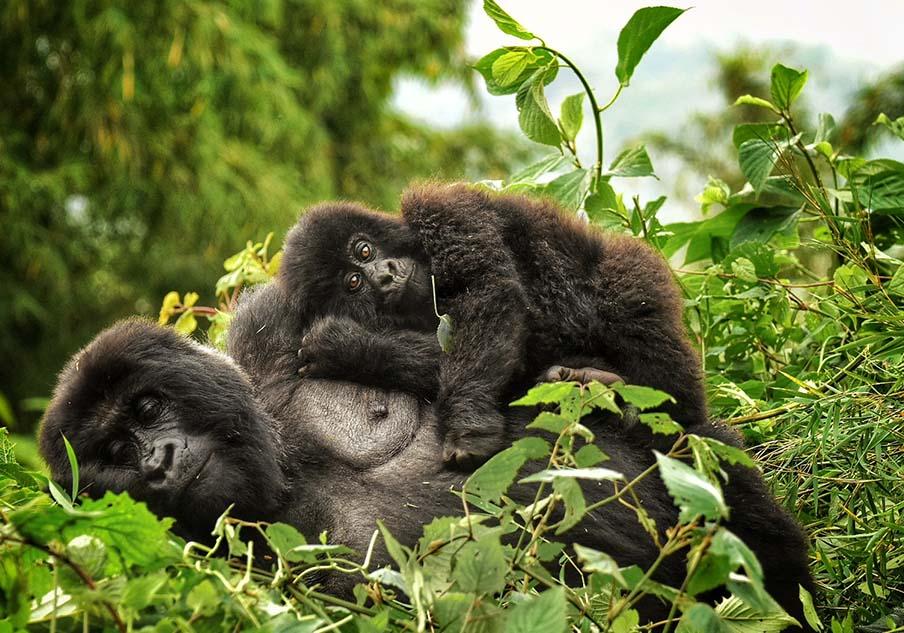
Volcanoes National Park protects the bamboo forests and mist-covered slopes where habituated mountain gorilla families can be visited. Gorilla trekking here is widely regarded as one of Africa’s most powerful wildlife encounters.
Together, these destinations create a balanced Rwanda safari combining traditional game viewing with active primate trekking and some of the country’s finest scenery.
Why Choose an 8-Day Rwanda Gorilla, Big Five and Chimpanzee Safari?
Eight days is an excellent length for travelers who want to experience Rwanda’s major wildlife attractions without extending their holiday to two weeks. It is long enough to visit all three national parks, but compact enough to fit into a standard international vacation.
This itinerary is particularly suitable for couples, honeymooners, photographers, families with teenagers, solo travelers and small private groups. Gorilla trekking participants must meet the minimum age requirement of 15 years.
The journey provides three very different types of wildlife experience.
In Akagera, you explore by safari vehicle and boat. The scenery is broad and open, and wildlife sightings often happen across long distances. The excitement comes from searching the plains, woodlands and lakeshores for mammals and birds.
In Nyungwe, the experience becomes more active and immersive. You enter the rainforest on foot, listening for chimpanzee calls and following experienced trackers through dense vegetation.
In Volcanoes National Park, the journey reaches its emotional high point. After hiking through farmland, bamboo and mountain forest, you may spend a closely controlled hour observing a habituated gorilla family.
The itinerary also introduces travelers to Rwanda’s changing landscapes, rural communities, tea plantations, volcanoes and remarkably clean, organized capital city.
Safari at a Glance
Day 1: Arrival in Kigali and transfer to Akagera National Park
Day 2: Full-day Big Five game drive and Lake Ihema boat safari
Day 3: Transfer from Akagera to Nyungwe National Park
Day 4: Chimpanzee trekking and Nyungwe canopy walkway
Day 5: Scenic transfer from Nyungwe to Volcanoes National Park
Day 6: Mountain gorilla trekking in Volcanoes National Park
Day 7: Golden monkey trekking or cultural and conservation activities
Day 8: Transfer to Kigali and departure
The exact sequence can be adjusted according to flight schedules, permit availability, preferred hotels and the pace of travel. In some cases, an overnight stay in Kigali is added between Akagera and Nyungwe to divide the journey into more comfortable sections.
Detailed 8-Day Rwanda Gorilla, Big Five and Chimpanzee Safari Itinerary
Day 1: Arrival in Kigali and Transfer to Akagera National Park
Your Rwanda adventure begins at Kigali International Airport, where a professional driver-guide welcomes you and provides an introduction to the journey ahead.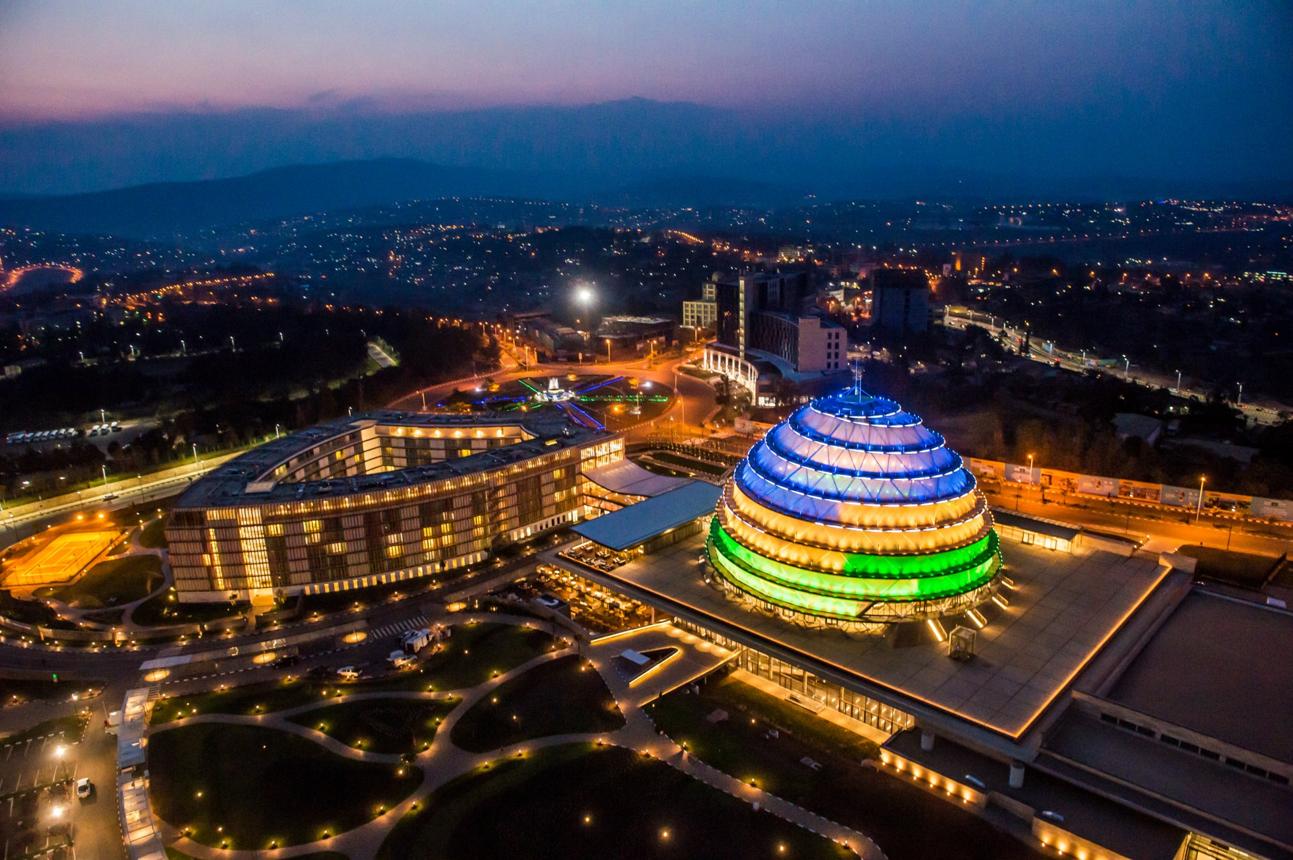
Depending on your arrival time, you can travel directly to Akagera National Park. The drive from Kigali to the park’s southern entrance normally takes approximately two and a half to three hours, although the exact duration depends on traffic, road conditions and stops.
Leaving Kigali, the road passes through increasingly rural scenery. Small farms, banana plantations, trading centers and villages provide your first impression of everyday life in Rwanda. The landscape gradually becomes warmer and drier as you approach the eastern province.
After entering Akagera National Park, you may enjoy a short introductory game drive on the way to your lodge. This first drive can reveal impalas, zebras, topis, warthogs, baboons, vervet monkeys and several species of antelope.
If your schedule allows, an afternoon or sunset boat safari on Lake Ihema may be arranged. The lake is known for hippos, crocodiles, waterbirds and animals that approach the shoreline to drink.
You will then settle into your lodge for dinner and your first night inside or near the park.
Guests arriving late in the evening can instead spend the night in Kigali and begin the transfer the following morning. This modification may require adjusting another part of the itinerary.
What to Expect on Your First Day
The first day is intentionally flexible. International flights may arrive in the morning, afternoon or late evening, so the program should be built around the confirmed landing time.
Travelers arriving after a long overnight flight may prefer a relaxed afternoon at the lodge. Those arriving early can add a game drive or boat excursion.
Accommodation options range from practical budget lodges outside the park to comfortable tented camps and luxury properties overlooking the wilderness. Ruzizi Tented Lodge is a popular choice for travelers who want an authentic bush-camp atmosphere, while Akagera Game Lodge provides a larger hotel-style setting.
Meal plan: Dinner, subject to arrival time
Accommodation: Akagera National Park or the surrounding area
Main experience: Arrival, scenic transfer and optional introductory wildlife viewing
Day 2: Big Five Game Drive and Lake Ihema Boat Safari
Today is devoted to the wildlife of Akagera National Park.
After an early breakfast, you depart with your driver-guide for a long game drive through the park. The route may travel from the southern region toward the northern plains, passing through woodland, savannah, valleys, hills, wetlands and lake systems.
Akagera is Rwanda’s leading Big Five destination. Lions and rhinos were restored to the ecosystem following extensive conservation and park-management efforts, allowing the national park to reclaim its position as a complete Big Five reserve.
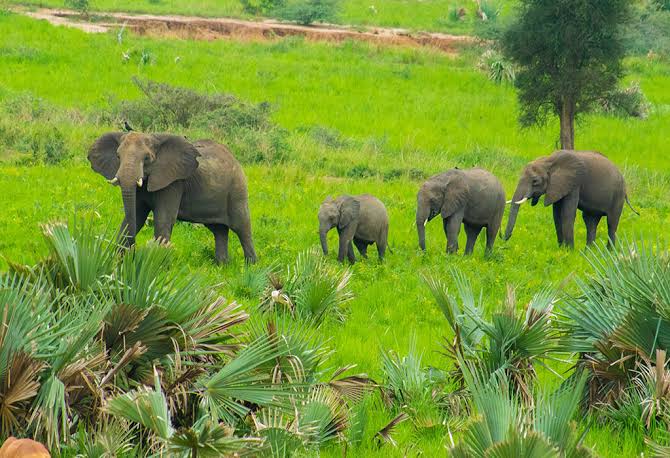
Elephants and buffaloes are among the larger animals commonly encountered. Giraffes can often be seen moving gracefully between acacia trees, while zebras, impalas, topis, waterbucks, bushbucks and warthogs occupy the grasslands and woodland edges.
Lion sightings are possible, particularly in open areas where prey is abundant. Leopards are naturally more elusive and are often difficult to locate because of their secretive behavior. Rhinos may also require patience and a knowledgeable guide.
A Big Five safari never guarantees that every species will be seen during one drive. These are wild animals moving freely through a large protected area. The search itself, however, is a central part of the safari experience.
Lake Ihema Boat Safari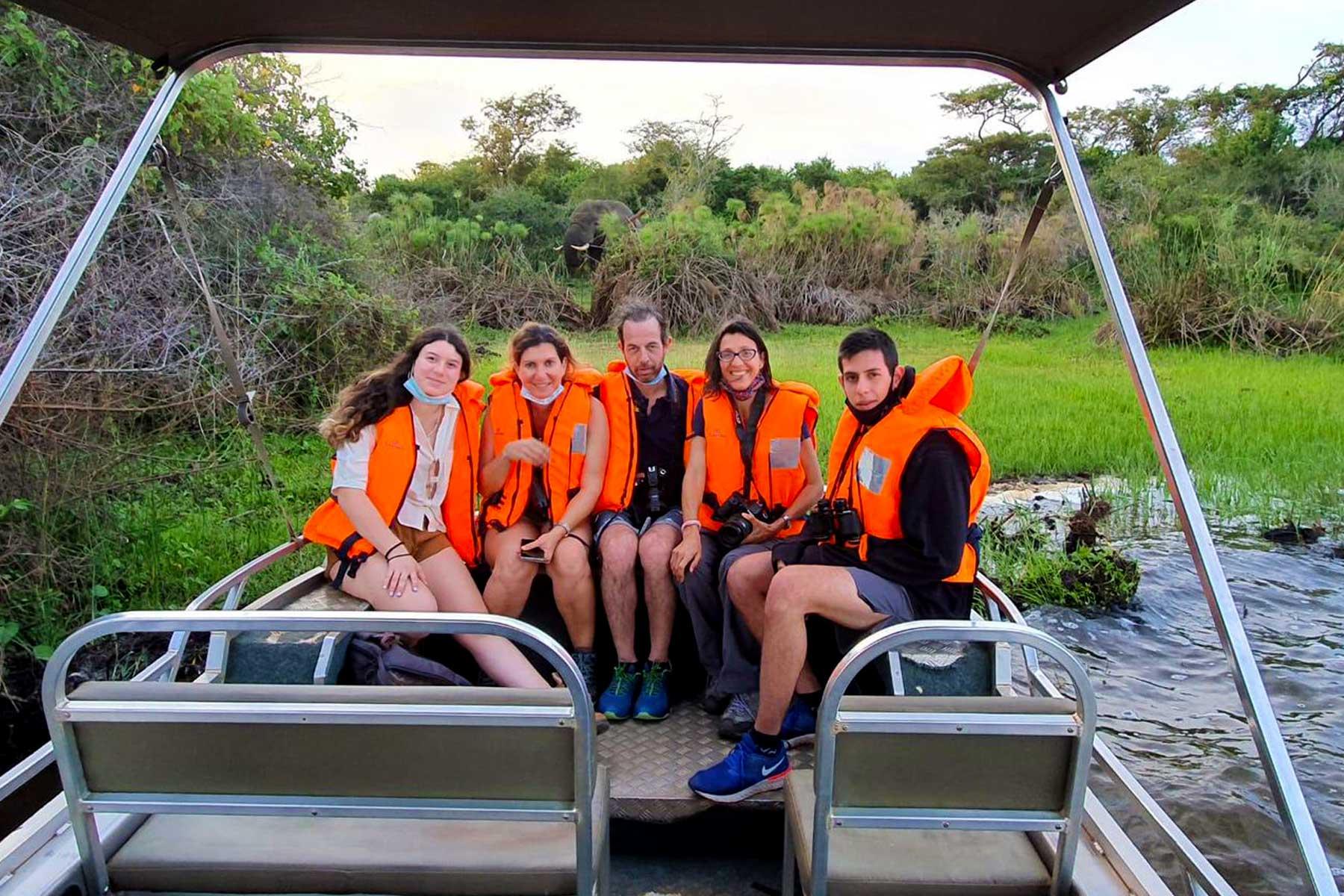
A boat safari provides a valuable contrast to the land-based game drive. Lake Ihema and Akagera’s interconnected wetlands support impressive populations of aquatic wildlife.
From the boat, you may see pods of hippos resting in the water, Nile crocodiles along the banks and buffaloes or antelopes approaching the shore. Birdlife can include African fish eagles, kingfishers, cormorants, herons, egrets and African jacanas.
The boat travels at a gentle pace, creating good opportunities for photography. Morning and late-afternoon departures often provide softer light and pleasant temperatures.
Depending on the final route, the boat safari can take place on Day 1 or Day 2. Travelers who have already completed the cruise on arrival can use this afternoon for a longer game drive.
After the day’s activities, return to your lodge for dinner and relaxation. The sounds of insects, frogs and distant wildlife create a memorable atmosphere after dark.
Meal plan: Breakfast, lunch and dinner
Accommodation: Akagera National Park
Main experiences: Big Five game drive and Lake Ihema boat safari
Day 3: Transfer from Akagera to Nyungwe National Park
After breakfast, you leave Akagera and begin the journey toward Nyungwe National Park.
This is one of the longest road-transfer days in the itinerary because Akagera lies in eastern Rwanda while Nyungwe is located in the southwest. A carefully planned departure, comfortable private vehicle and appropriate refreshment stops make the journey more enjoyable.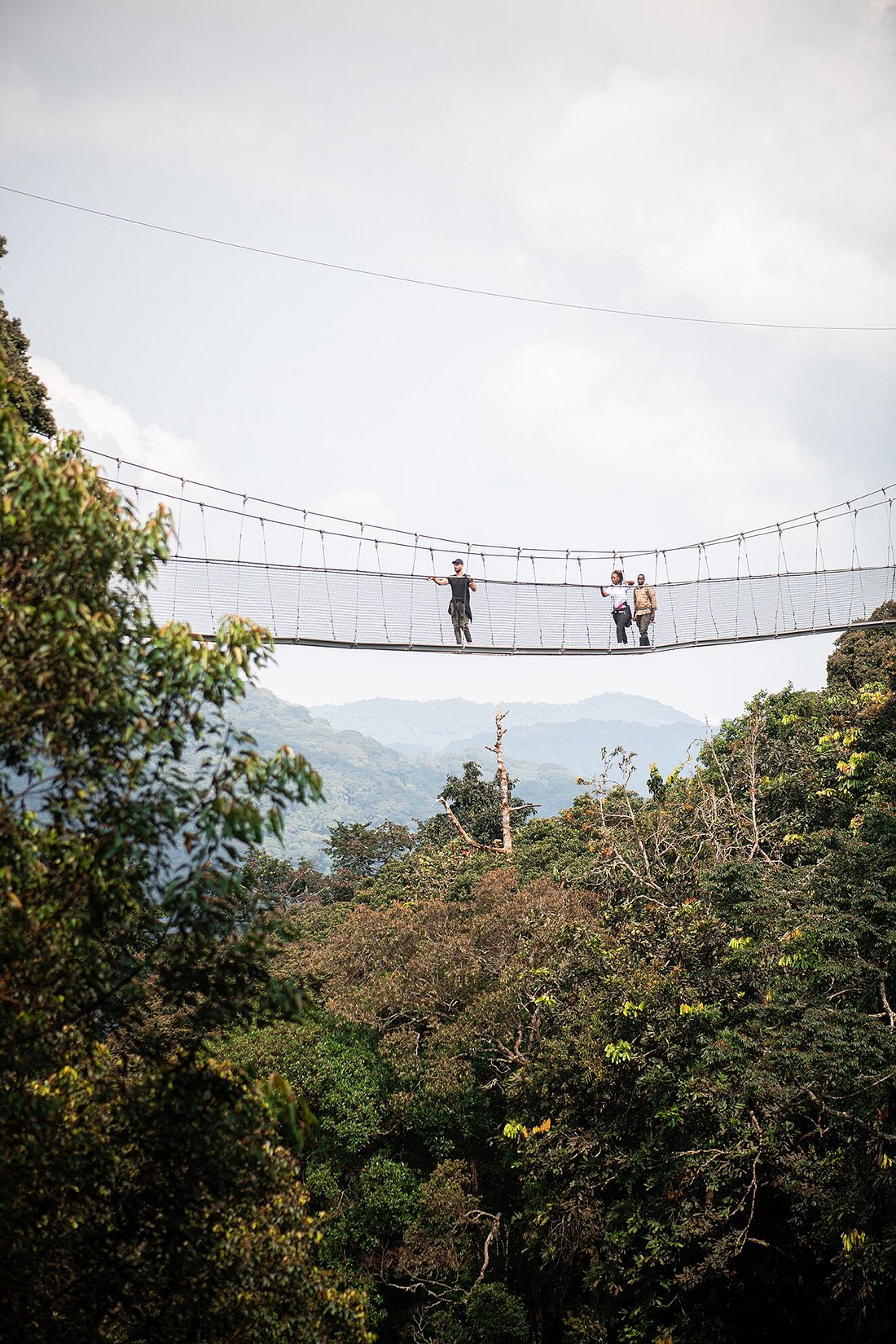
The direct drive can occupy much of the day. Some itineraries travel through Kigali before continuing south toward Huye and Nyungwe. Travelers who prefer shorter driving periods can modify the tour by staying overnight in Kigali or Huye, although this may require adding a ninth day or removing an optional activity.
The road south passes through Rwanda’s cultivated hills, communities and farmland. Depending on time and interest, optional stops may include the King’s Palace Museum in Nyanza, the Ethnographic Museum in Huye or a local restaurant for lunch.
A cultural stop should be selected carefully rather than trying to include too many attractions. The priority is reaching Nyungwe with enough time to rest before the early chimpanzee trek.
As you approach the national park, the scenery becomes increasingly dramatic. Tea plantations cover the hills near the forest boundary, while dense rainforest stretches across ridges and valleys.
Check in at your lodge, have dinner and attend a briefing with your guide about the following morning. Chimpanzee trekking commonly begins very early, so your clothes, boots, rain jacket, water and camera should be prepared before going to bed.
Meal plan: Breakfast, lunch and dinner
Accommodation: Nyungwe National Park area
Main experience: Scenic cross-country transfer to southwestern Rwanda
Day 4: Chimpanzee Trekking and Nyungwe Canopy Walk
Wake before sunrise for one of the defining adventures of the 8-Day Rwanda Gorilla, Big Five and Chimpanzee Safari.
After an early breakfast or packed morning meal, drive to the designated meeting point. The exact starting location depends on where the habituated chimpanzee community is being tracked and how the park has organized activities that day.
Following registration, you meet the ranger-guides for a safety and conduct briefing. The guides explain how to behave in the forest, how to approach the chimpanzees and what to expect from the terrain.
Chimpanzee tracking can begin at approximately 5:30 a.m. and may last from one hour to several hours, depending on the location and movement of the chimpanzees. Visitors generally spend a maximum of one hour with them once located, according to Rwanda’s official tourism guidance. The terrain may be steep, wet, muddy and covered by thick vegetation. Visit Rwanda’s primate-tracking guide recommends appropriate footwear and a reasonable level of fitness.
The Chimpanzee Trekking Experience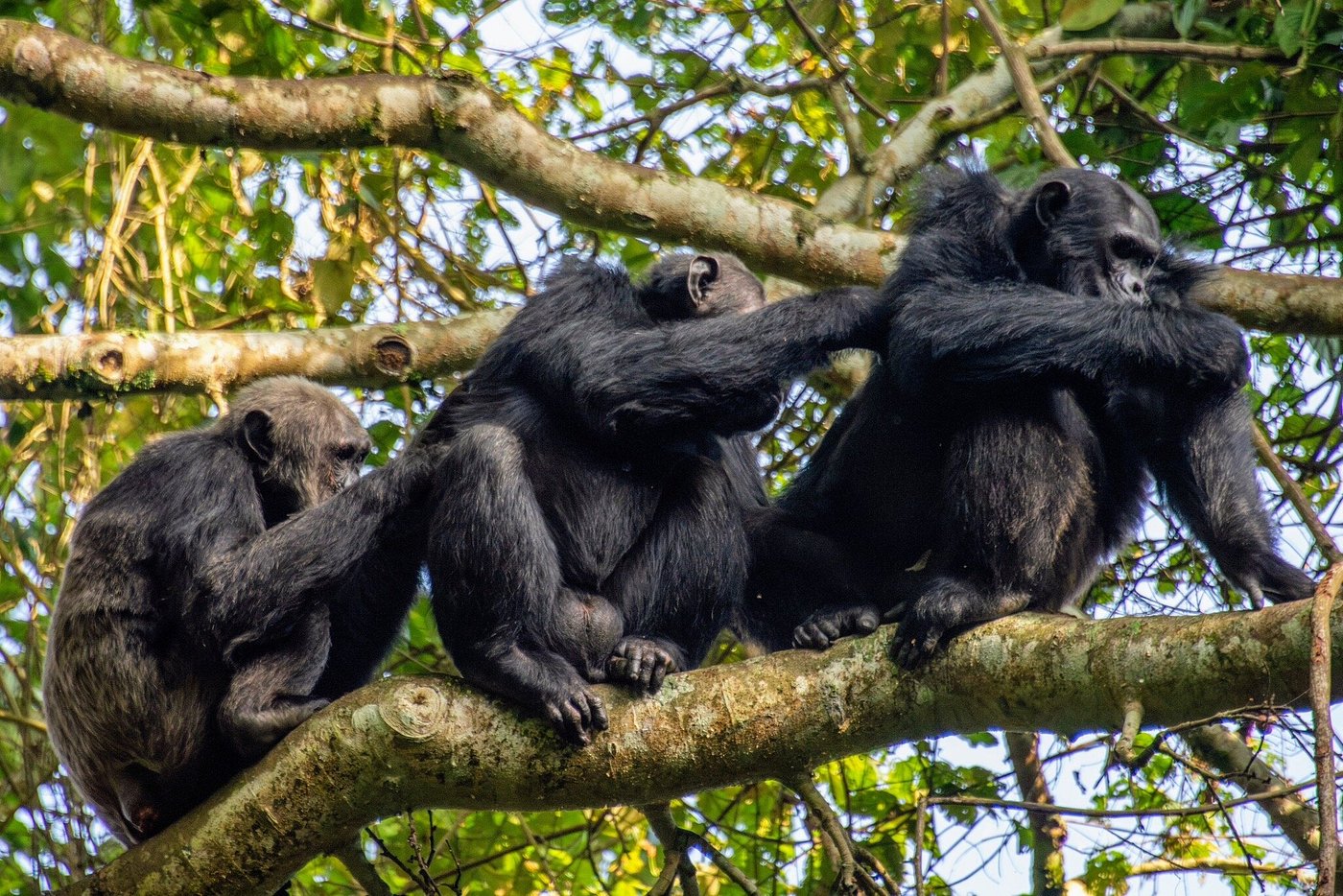
Chimpanzees are highly mobile. Unlike gorillas, which often remain within a relatively concentrated feeding area, chimpanzees may travel quickly through the forest canopy or descend to the ground before climbing again.
You may hear them before you see them. Their calls echo across the valleys, giving trackers useful clues about the community’s location. The forest can suddenly become alive with hoots, screams, rustling branches and rapid movement above your head.
Once the chimpanzees are found, the experience may involve following them through changing positions. Photography can be challenging because of low forest light, dense foliage and fast movement, but the encounter is energetic and rewarding.
Chimpanzees are the headline attraction, but Nyungwe shelters many other primates. Possible sightings include black-and-white colobus monkeys, L’Hoest’s monkeys, blue monkeys, vervet monkeys and red-tailed monkeys.
Afternoon Canopy Walkway
After completing the trek, return to your lodge or a designated area for lunch and time to rest.
In the afternoon, continue to the Uwinka Visitor Centre for the canopy walkway experience. The suspension bridge is reached through a guided forest trail and provides an elevated view across the rainforest.
The official Visit Rwanda page describes the walkway as approximately 160 meters long and suspended up to 70 meters above the ravine. It can be accessed through the Igishigishigi Trail and connects visitors with the forest from a completely different perspective. Visit Rwanda canopy walkway information.
From the bridge, look across layers of rainforest covering the surrounding mountains. Birds, butterflies and monkeys may appear among the treetops, although wildlife sightings cannot be guaranteed.
Travelers uncomfortable with heights may replace the canopy walk with a tea experience, nature trail, birdwatching excursion or quiet afternoon at the lodge.
Return for dinner and a second night near Nyungwe.
Meal plan: Breakfast, lunch and dinner
Accommodation: Nyungwe National Park area
Main experiences: Chimpanzee trekking and canopy walkway
Day 5: Nyungwe to Volcanoes National Park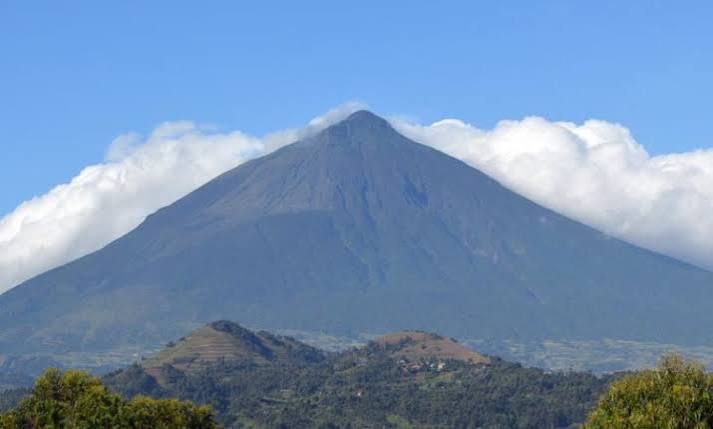
After breakfast, begin a spectacular transfer north toward Volcanoes National Park.
The drive can be long, but it passes through some of Rwanda’s most attractive countryside. Depending on the chosen road and current conditions, the journey may follow sections of Lake Kivu before continuing toward Rubavu and Musanze.
Lake Kivu is one of Africa’s great lakes and forms part of Rwanda’s western border. Its steep green shores, islands and fishing communities provide a scenic change from the rainforest.
A lunch stop can be arranged in Karongi or Rubavu. Travelers with more time may add a boat trip, coffee experience or overnight stay beside Lake Kivu, but those additions are better suited to a nine- or ten-day itinerary.
Continue toward Musanze, the gateway to Volcanoes National Park. As the journey progresses, the Virunga volcanoes begin to dominate the horizon. On a clear day, their peaks create one of the most recognizable landscapes in Rwanda.
Check in at your lodge near Kinigi or Musanze. Your guide will explain the gorilla-trekking procedure and confirm the departure time for the following morning.
Prepare your trekking equipment carefully. You will need waterproof hiking boots, long trousers, a long-sleeved shirt, gardening gloves, gaiters if available, a lightweight waterproof jacket, drinking water and a small daypack.
Have dinner and rest early. Gorilla trekking registration begins in the morning, and travelers should arrive at the park headquarters on time.
Meal plan: Breakfast, lunch and dinner
Accommodation: Volcanoes National Park area
Main experience: Scenic transfer through western and northern Rwanda
Day 6: Gorilla Trekking in Volcanoes National Park
Today is the most anticipated day of the 8-Day Rwanda Gorilla, Big Five and Chimpanzee Safari.
After an early breakfast, drive to the Volcanoes National Park headquarters in Kinigi. Registration and the morning briefing normally begin around 7:00 a.m.
Park officials allocate visitors to habituated gorilla families. Several factors can influence the allocation, including the gorillas’ known location, the group’s fitness, age considerations and operational decisions made by park authorities.
Visitors trek in controlled groups accompanied by ranger-guides. Porters can be hired at the starting point to carry bags and assist on steep or slippery sections. Hiring a porter can make the trek more comfortable while providing direct economic support to the local community.
Entering the Mountain Gorilla Habitat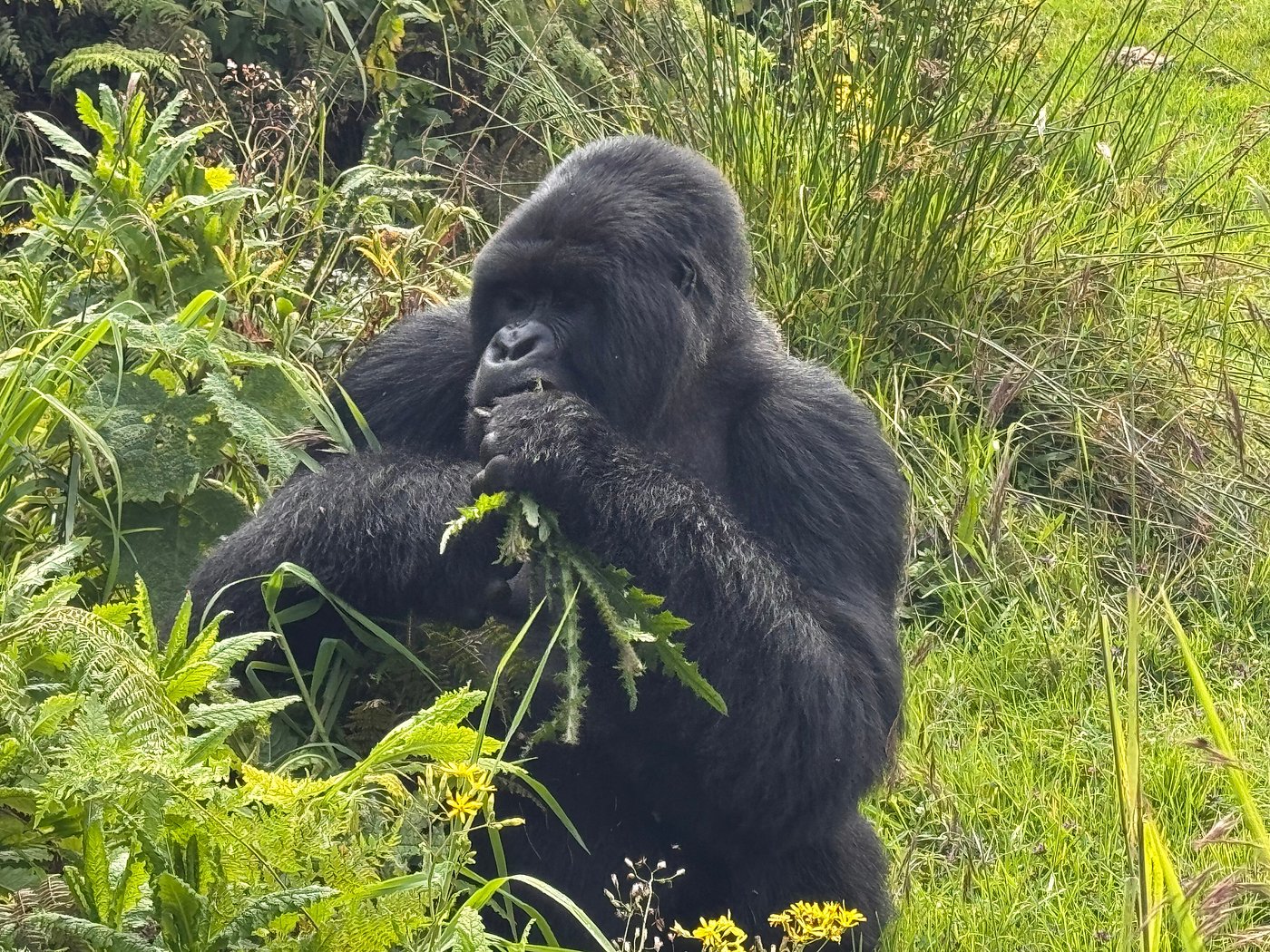
The adventure usually begins by walking through cultivated farmland near the park boundary. Once inside the protected area, the trail continues through bamboo, thick vegetation and mountain forest.
The duration varies considerably. Some gorilla families may be reached relatively quickly, while others require several hours of hiking. Weather, terrain and the gorillas’ movement all influence the experience.
When trackers locate the assigned family, visitors leave unnecessary equipment behind and approach quietly with the ranger-guides.
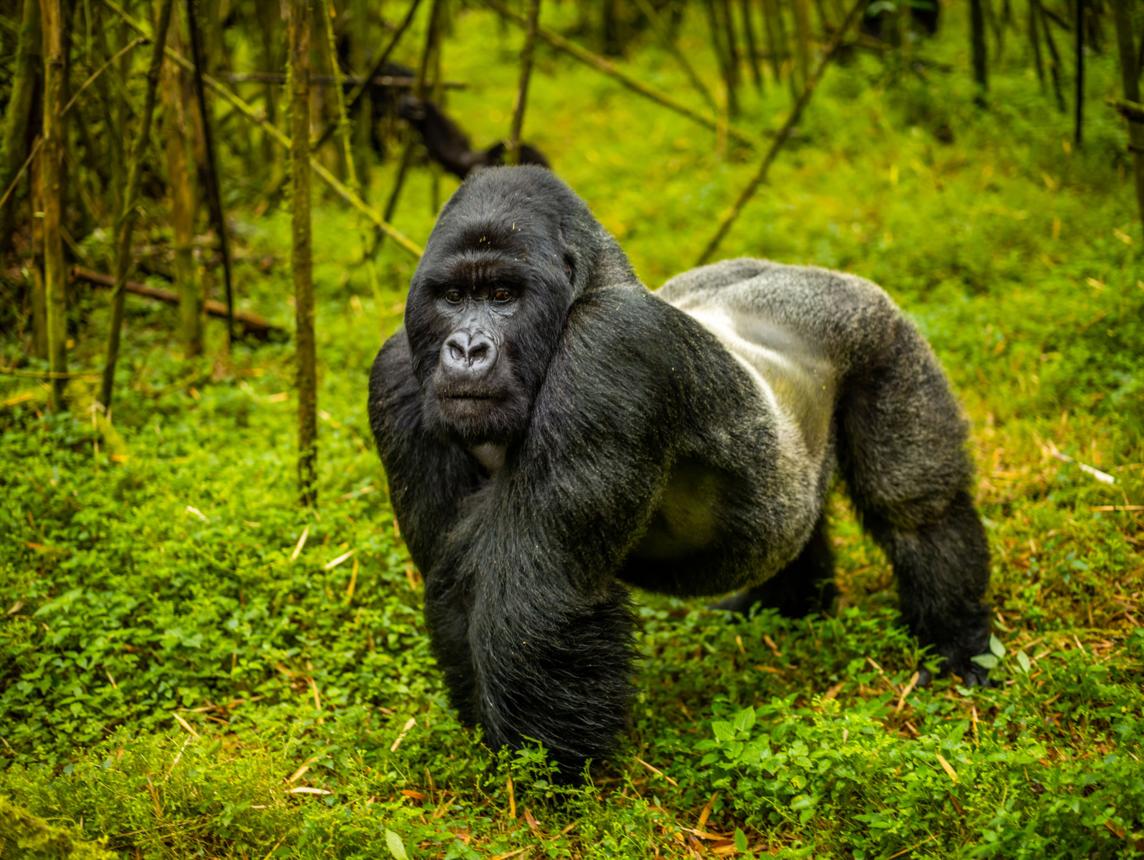
The first sight of a mountain gorilla can be difficult to describe. A silverback may sit powerfully among the vegetation while younger gorillas climb, play or remain close to their mothers. The animals may feed, groom one another, rest or move slowly through the forest.
Visitors normally receive one hour with the gorillas. The time is carefully controlled to protect their health and reduce disturbance.
Rwanda’s standard gorilla permit for an international visitor is currently listed at USD 1,500 per person, and the minimum trekking age is 15. Travelers should confirm the applicable rate and conditions when booking because promotional categories and eligibility rules may vary. Official Visit Rwanda gorilla-tracking information.
After the Gorilla Trek
Once the permitted viewing time has ended, walk back through the forest and return to the trailhead. Your driver-guide will be waiting to transfer you to the lodge.
The afternoon should generally remain flexible. Some guests feel energetic after the trek, while others prefer to relax, enjoy a massage or review photographs.
Optional afternoon experiences include the Ellen DeGeneres Campus of the Dian Fossey Gorilla Fund, a cultural tour, a village visit or quiet time at the lodge. Activities should be chosen according to the trek’s finishing time.
Meal plan: Breakfast, lunch and dinner
Accommodation: Volcanoes National Park area
Main experience: Mountain gorilla trekking
Day 7: Golden Monkeys, Conservation or Rwandan Culture
The main version of this itinerary includes golden monkey trekking on Day 7, although travelers can select an alternative experience.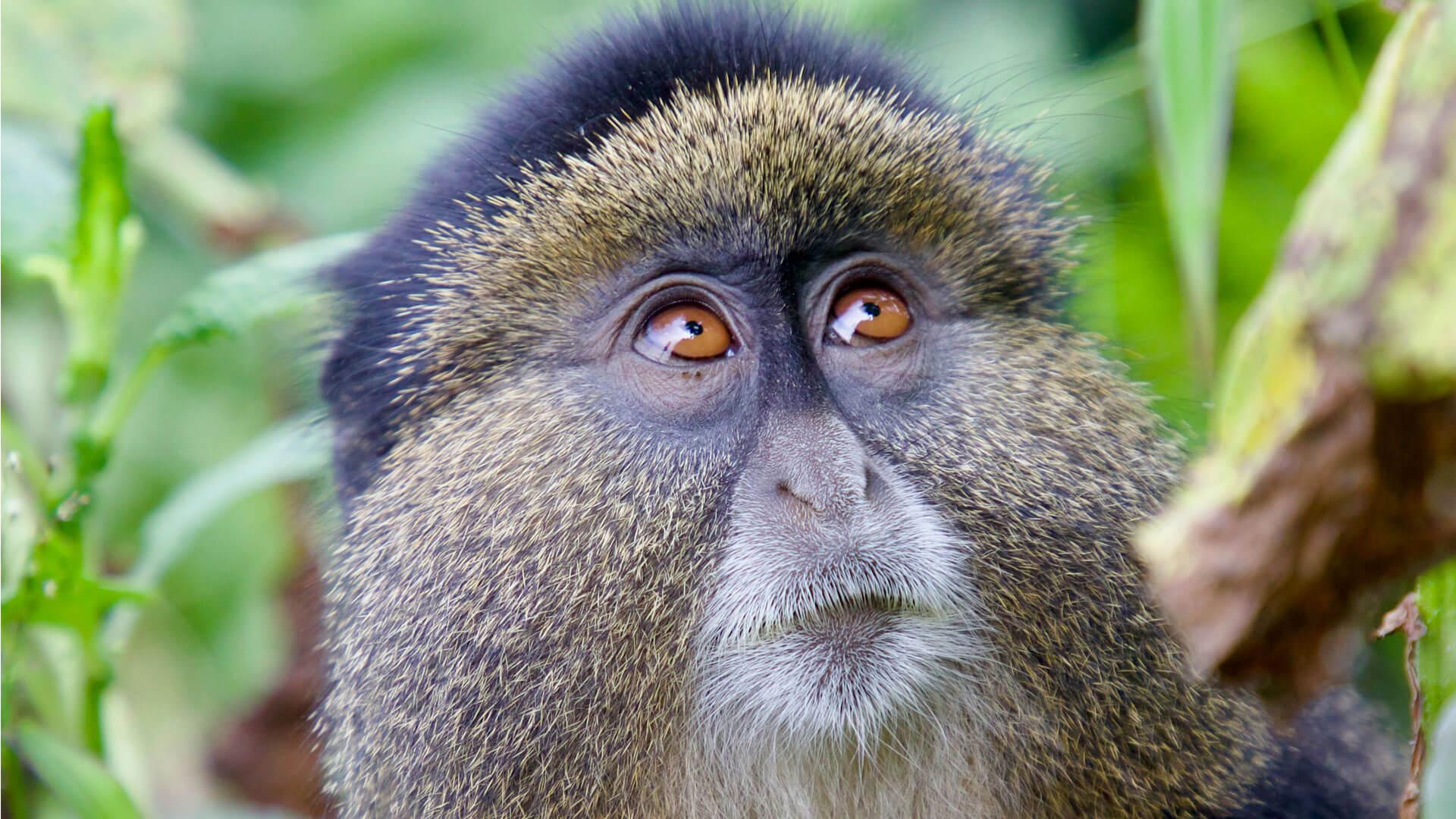
Golden monkeys inhabit the bamboo zone of Volcanoes National Park. They are active, colorful and generally encountered at a lower altitude than many gorilla families. Their orange-gold coloring contrasts beautifully with the green bamboo forest.
After registration and briefing, follow the ranger-guides into the park. The experience is often shorter and less physically demanding than gorilla trekking, but the trails may still be muddy or uneven.
Golden monkeys move quickly and frequently jump between bamboo stems. Photographing them requires patience and a reasonably fast camera setting. Foreign visitor permits are currently listed at USD 100 on Rwanda’s official booking portal, although rates should always be reconfirmed before travel. Official Rwanda golden monkey booking information.
Alternative Day 7 Experiences
Travelers who prefer not to complete another trek can choose a conservation, scenic or cultural activity.
The Ellen DeGeneres Campus of the Dian Fossey Gorilla Fund introduces visitors to mountain gorilla research and conservation. Its exhibitions help place the previous day’s encounter within the larger story of protecting gorillas and their habitat.
A guided visit to the Gorilla Guardians Village offers an introduction to traditional music, dance, crafts, food preparation and community life. A carefully organized cultural experience should be respectful, interactive and beneficial to participating residents.
Active travelers may prefer a visit to the Twin Lakes of Burera and Ruhondo, a canoeing experience, a nature walk or a hike. More demanding options such as Mount Bisoke require a full day and should not be added casually after gorilla trekking.
Return to the lodge for your final evening near the volcanoes.
Meal plan: Breakfast, lunch and dinner
Accommodation: Volcanoes National Park area
Main experience: Golden monkey trekking or a selected cultural, conservation or scenic excursion
Day 8: Return to Kigali and Departure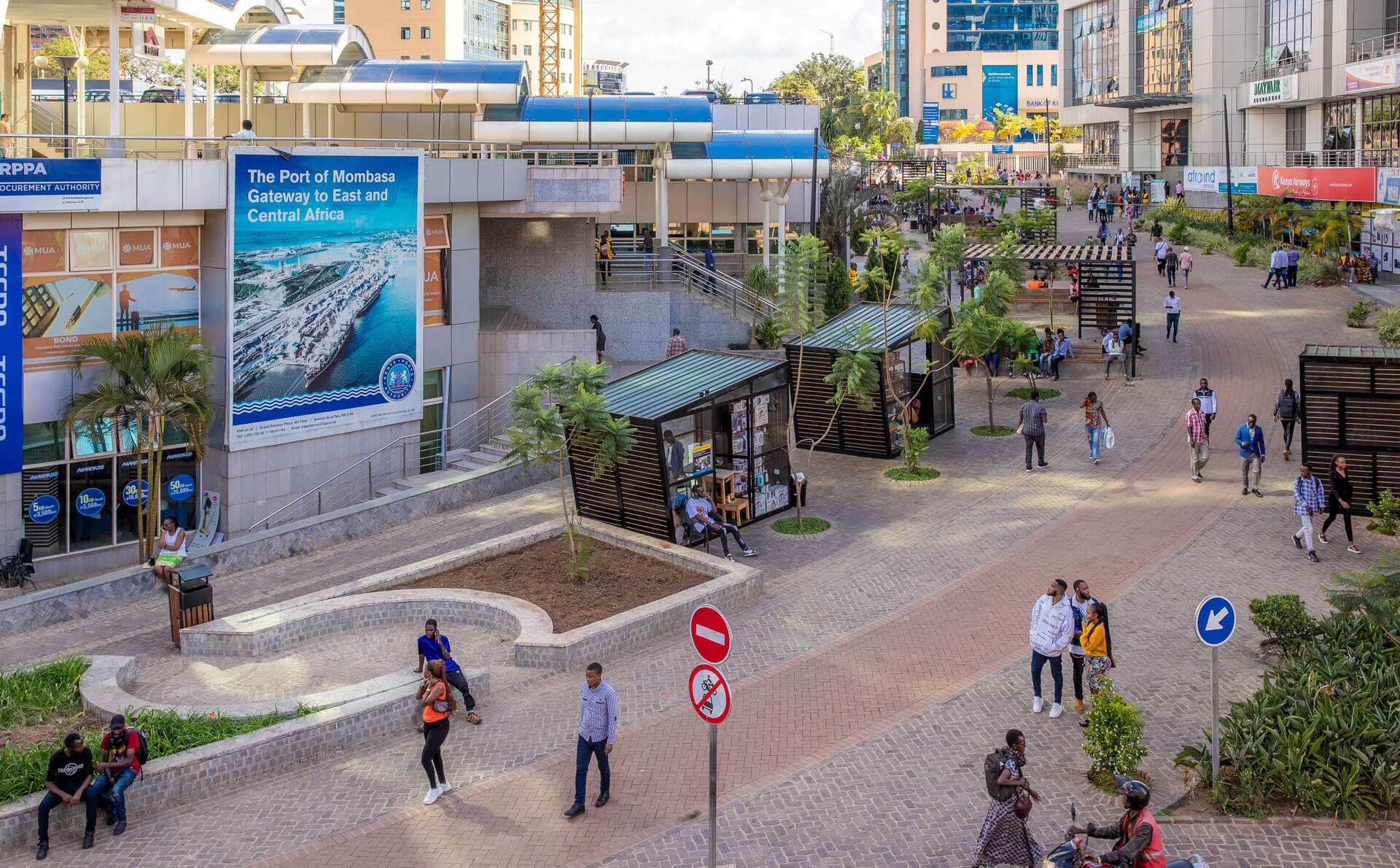
Enjoy breakfast before checking out and beginning the drive to Kigali. The journey from the Volcanoes National Park region generally takes around two and a half to three hours, depending on traffic, road conditions and stops.
If your flight departs later in the day, you can include a short Kigali experience. Possibilities include a craft market, art gallery, local restaurant, coffee shop or the Kigali Genocide Memorial.
Visits to the Genocide Memorial should be planned with sufficient time and approached respectfully. Travelers who prefer a lighter final day can spend time shopping for locally made gifts or enjoying lunch before the airport transfer.
Your guide will deliver you to Kigali International Airport at the appropriate time for check-in, bringing the 8-Day Rwanda Gorilla, Big Five and Chimpanzee Safari to an end.
Travelers extending their East African holiday can connect from Kigali to Uganda, Kenya, Tanzania, Zanzibar or another regional destination.
Meal plan: Breakfast and possibly lunch, depending on departure time
Main experience: Transfer to Kigali and international departure
The Three National Parks Included in This Rwanda Safari
Akagera National Park: Rwanda’s Big Five Destination
Akagera is an essential part of any Rwanda itinerary designed to include a traditional African wildlife safari. The park’s eastern location, lower altitude and warmer climate create an environment very different from the country’s mountain forests.
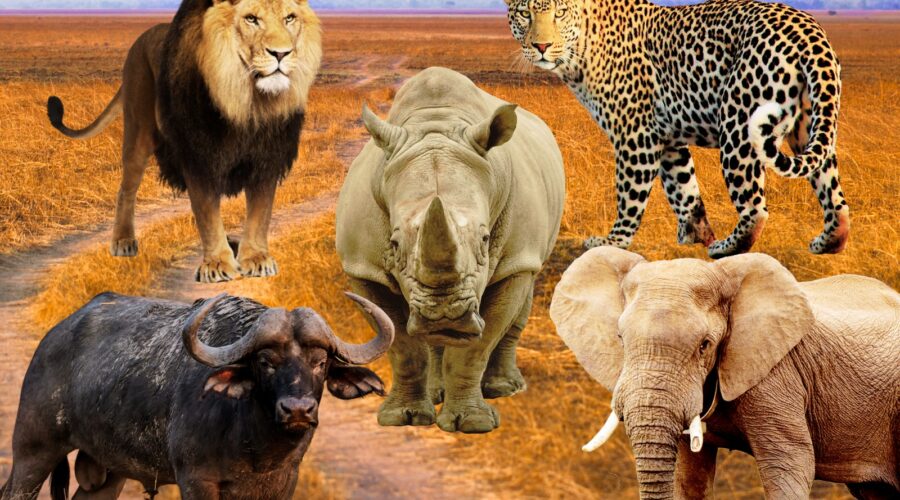
Its landscapes include open plains, acacia woodland, valleys, lakes and extensive wetlands. This diversity supports mammals, reptiles and a remarkable range of birdlife.
The Big Five are lion, leopard, elephant, buffalo and rhino. Seeing all five during one safari is possible but never guaranteed. Elephants and buffaloes may be relatively visible, while leopards can remain hidden even when present nearby.
Other notable animals include giraffes, zebras, hippos, crocodiles, topis, impalas, waterbucks, bushbucks, baboons, vervet monkeys, warthogs and several smaller antelope species.
Akagera is also an excellent birding destination. Even travelers without a specialized bird list will appreciate African fish eagles, kingfishers, herons, storks and other wetland species.
A successful Akagera itinerary should combine a game drive with a boat safari. These experiences reveal different habitats and provide a broader understanding of the park.
Nyungwe National Park: Chimpanzees and Ancient Rainforest
Nyungwe is one of Rwanda’s most important biodiversity areas. Its mountain rainforest stretches across ridges and valleys, creating habitat for primates, birds, butterflies, plants and smaller forest mammals.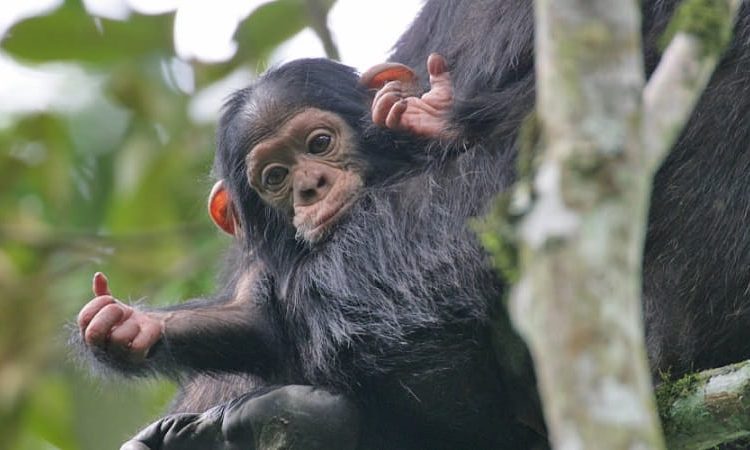
Chimpanzee trekking is the signature activity, but Nyungwe should not be treated only as a place to check another primate off a wildlife list. The forest itself is a major part of the experience.
Walking beneath its canopy reveals giant ferns, vines, mosses, flowers and layers of vegetation. Mist may settle across the hills, while bird calls and primate vocalizations travel between the valleys.
Chimpanzee trekking is typically faster and less predictable than gorilla trekking. Chimps may move rapidly, remain high in the trees or travel through dense vegetation. This makes the encounter exciting, but it also means visitors should arrive with realistic expectations.
The canopy walkway adds a scenic adventure, while additional nature trails, waterfalls and birdwatching excursions can justify a longer stay.
Volcanoes National Park: Home of Rwanda’s Mountain Gorillas
Volcanoes National Park occupies Rwanda’s section of the Virunga Mountains. Its dramatic scenery includes bamboo forest, montane vegetation and the slopes of ancient volcanoes.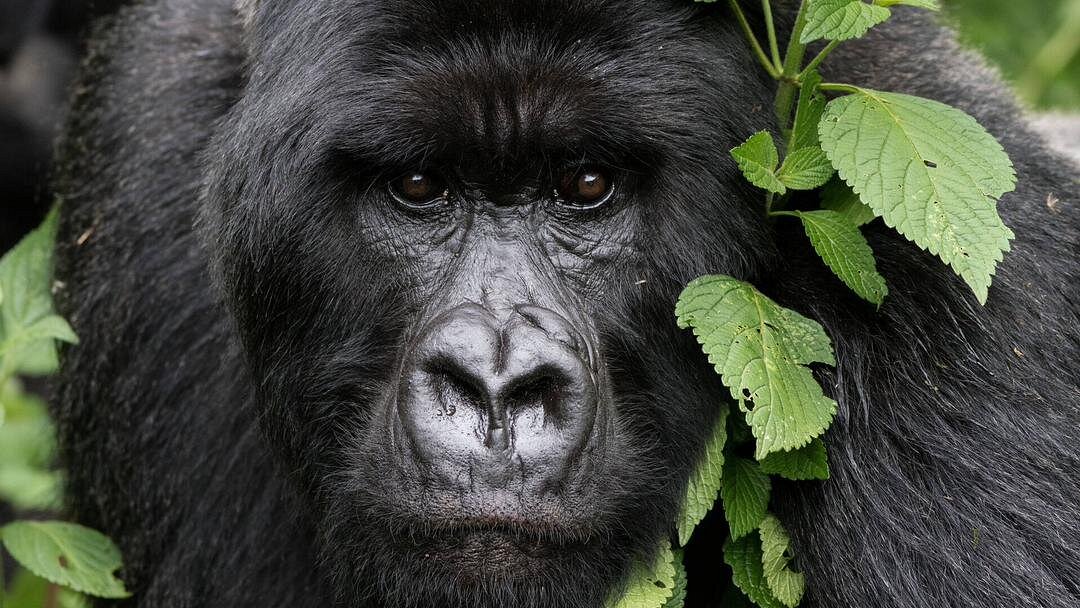
The park is internationally known for mountain gorilla trekking. Habituated gorilla families are monitored by trackers and researchers, allowing controlled visitor encounters.
A gorilla trek is not a zoo visit. The gorillas are wild, their movements are not staged and the trail can change daily. This unpredictability is fundamental to the experience.
Beyond gorillas, the park offers golden monkey trekking, volcano hiking and cultural and conservation attractions. The surrounding Musanze region also provides a range of accommodation, from budget guesthouses to internationally recognized luxury lodges.
Best Time for an 8-Day Rwanda Gorilla, Big Five and Chimpanzee Safari
Rwanda can be visited throughout the year. The best month depends on your priorities, budget and comfort with changing weather.
June to September
This is one of the most popular travel periods. Conditions are generally drier, which may make gorilla and chimpanzee trails less muddy. Wildlife can also become easier to locate around reliable water sources in Akagera.
Because demand is high, gorilla permits and preferred lodges should be reserved well in advance.
December to February
This period often provides another relatively dry window. It can be an attractive time for trekking and wildlife viewing, although weather patterns are never completely predictable in tropical and mountain environments.
March to May
These months are commonly associated with heavier rainfall. Forest trails may become muddy and slippery, and waterproof clothing becomes particularly important.
The advantages can include greener landscapes, fewer visitors and possible seasonal accommodation offers. Photographers may appreciate the lush vegetation and dramatic clouds.
October and November
Shorter rains may occur during this period. Conditions vary from year to year, and showers are possible even during traditionally drier months.
Rain should always be expected in Nyungwe and Volcanoes because both are highland forest environments. A lightweight waterproof jacket belongs in your daypack regardless of travel month.
Gorilla and Chimpanzee Permit Planning
Permits are among the most important components of this itinerary. They should be secured before finalizing nonrefundable flights and accommodation.
Rwanda Gorilla Permit
The standard international visitor price is currently USD 1,500 per person for one gorilla trek. The permit allows participation in the guided trek and a controlled hour with the gorillas once the family has been located.
It does not normally cover accommodation, transport, porter services, gratuities or personal expenses.
Visitors must be at least 15 years old. The original passport used for the reservation should be available for verification.
Demand can be strong during popular travel months. Booking several months in advance is advisable, while travelers planning around holiday periods should consider reserving even earlier.
Chimpanzee Permit
A separate permit is required for chimpanzee trekking in Nyungwe. The permit must be reserved for the correct date and visitor details.
The experience normally begins early, and travelers should stay close enough to the designated starting point to avoid an excessively long predawn transfer.
Permit fees and park-entry structures can change. Ask your tour operator to provide a clear written quotation showing whether the chimpanzee permit and Nyungwe park fees are included.
Why Book Permits Through a Tour Operator?
Independent booking may be possible through Rwanda’s official channels, but a local operator can coordinate permits with accommodation, transfer times and the overall route.
This is particularly helpful on a multi-park itinerary. A permit booked for the wrong date or a lodge located too far from an early meeting point can disrupt the program.
A responsible operator should confirm availability before requesting payment, purchase the permit under the correct passport name and provide booking confirmation.
Accommodation Options
The 8-Day Rwanda Gorilla, Big Five and Chimpanzee Safari can be arranged at budget, midrange, upper-midrange or luxury level.
Budget Accommodation
Budget properties usually provide private rooms, essential facilities and convenient access to the destinations. They are suitable for travelers prioritizing wildlife activities over elaborate lodge amenities.
Budget should not mean unsafe or unhygienic. Before confirming a property, consider its location, recent guest feedback, hot-water reliability, meal arrangements and driving distance from the activity starting point.
Midrange Accommodation
Midrange lodges are the most popular choice for many private Rwanda safaris. They often provide comfortable rooms, attractive surroundings, good meals and personalized service without the cost of high-end luxury properties.
Possible styles include small eco-lodges, cottages, tented camps and locally owned boutique hotels.
Luxury Accommodation
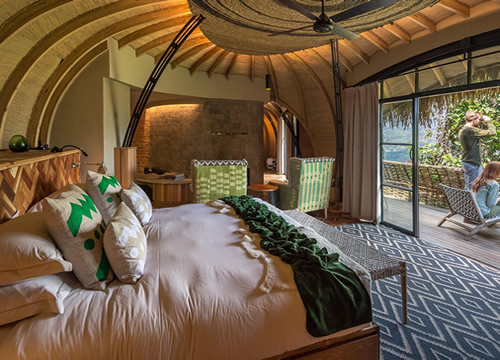
Luxury Rwanda safari lodges may offer exceptional locations, premium cuisine, private villas, spa services and highly personalized hospitality.
Akagera offers elegant tented safari options, while the Volcanoes region contains several of Africa’s most celebrated gorilla lodges. Nyungwe also has a select luxury offering near the rainforest and tea plantations.
The wildlife activities remain fundamentally the same regardless of accommodation category. Luxury primarily changes the comfort, service, location and atmosphere between excursions.
What Is Usually Included?
A well-designed private safari package commonly includes:
- Airport pickup and departure transfer.
- Private safari vehicle.
- Professional English-speaking driver-guide.
- Fuel and vehicle expenses.
- Accommodation specified in the itinerary.
- Meals according to the confirmed meal plan.
- Rwanda gorilla permit.
- Nyungwe chimpanzee permit.
- Akagera park fees and game drives.
- Lake Ihema boat safari.
- Bottled drinking water in the vehicle.
- Activities specifically listed in the final itinerary.
- Applicable local taxes and administrative arrangements.
Travelers should request a detailed inclusion list before payment. A vague statement such as “all-inclusive” can create confusion when park permits, beverages, optional activities or porter costs are treated separately.
What Is Usually Excluded?
Common exclusions include:
- International and regional flights.
- Rwanda visa fees where applicable.
- Travel and medical insurance.
- Alcoholic and premium beverages.
- Laundry and personal purchases.
- Tips for guides, rangers, porters and lodge staff.
- Optional activities not named in the itinerary.
- Additional nights caused by flight changes.
- Medical tests, vaccinations or medication.
- Personal camera equipment.
- Costs resulting from circumstances beyond the operator’s control.
The final proposal should explain exclusions clearly so that travelers can prepare an accurate total budget.
What to Pack for the Safari
Packing for this itinerary requires preparation for savannah heat, cool mountain mornings, rain and forest trekking.
Bring lightweight clothing for Akagera and warmer layers for Nyungwe and Volcanoes. Neutral colors are practical for safari activities, while bright camouflage-style clothing should be avoided where local rules restrict it.
For gorilla and chimpanzee trekking, pack sturdy waterproof hiking boots with good grip. Long trousers and long sleeves protect against scratches, insects and stinging vegetation. Gardening gloves are particularly useful when holding branches or steadying yourself on steep ground.
A lightweight rain jacket is essential. Rain can occur at any time in the forest, including during drier seasons.
Other useful items include gaiters, insect repellent, sunscreen, a hat, sunglasses, reusable water bottle, binoculars, compact daypack, camera, spare memory cards and additional batteries.
Keep important medication, travel documents and basic trekking clothes in your cabin baggage. Checked luggage can occasionally arrive later than its owner, and permits cannot easily be moved simply because hiking equipment is delayed.
Fitness and Trekking Difficulty
Travelers do not need to be professional athletes, but reasonable preparation improves both primate experiences.
Gorilla treks vary from relatively manageable walks to longer, steeper hikes. The route depends on where the gorilla family is located that morning. Mud, vines, uneven ground and altitude can increase the effort required.
Chimpanzee trekking may involve faster movement because chimpanzees travel through a larger area. Nyungwe’s hills can also be steep and slippery.
In the weeks before travel, regular walking, stair climbing and moderate hill training can build confidence. Break in your hiking boots before the journey rather than wearing them for the first time in the forest.
Porters are strongly recommended for gorilla trekking. They can carry your daypack and offer support on difficult sections. Their assistance benefits the traveler and creates local employment.
Travelers with mobility concerns should discuss them honestly with the tour operator before permits are purchased. Park authorities may consider fitness during group allocation, but an easy trek can never be guaranteed because gorillas move freely.
Health and Safety Considerations
Comprehensive travel insurance is essential. The policy should cover medical treatment, evacuation, trip interruption, trekking activities and the value of nonrefundable permits.
Consult a qualified travel-health professional before departure regarding vaccinations, malaria prevention and personal health conditions. Advice depends on your medical history, countries visited and the regulations in effect at the time of travel.
Do not trek if you have symptoms of an infectious illness. Gorillas and chimpanzees are genetically close to humans and may be vulnerable to human diseases. Park rules exist to protect both visitors and primates.
Follow ranger instructions throughout every activity. Never leave the safari vehicle unless your guide confirms that it is safe and permitted. During boat trips, wear the supplied safety equipment.
Rwanda is widely regarded as an organized and welcoming destination, but normal travel precautions remain sensible. Protect valuables, use reputable transport and keep copies of passports and insurance documents.
Photography Tips
Each park requires a different photographic approach.
In Akagera, a telephoto lens is useful for distant mammals and birds. A wider lens can capture landscapes, lakes and dramatic skies. Beanbags may be more practical than tripods inside a safari vehicle.
Nyungwe is darker than it first appears. Fast-moving chimpanzees, thick vegetation and low light can challenge both cameras and phones. A camera capable of handling a higher ISO can be helpful.
Flash photography is not permitted during gorilla trekking. Prepare your settings before approaching the family. Keep your shutter speed high enough to reduce movement blur, but remember to lower the camera occasionally and experience the encounter directly.
Protect equipment against rain and dust. Carry spare batteries because charging facilities may occasionally be affected by power interruptions at remote lodges.
Do not block another visitor’s view or move closer than the ranger allows merely to obtain a photograph. Wildlife welfare and group safety always take priority.
Responsible and Sustainable Travel
A Rwanda safari is most valuable when it supports conservation and communities while minimizing harm.
Respect park rules, remain on approved trails and never feed wildlife. Avoid buying products made from endangered animals or illegally harvested forest materials.
Use refillable water bottles where practical and reduce unnecessary plastic. Stay in properties with credible environmental and community practices.
Choose cultural activities that involve meaningful local participation and transparent community benefit. Respectfully ask before photographing people, particularly children.
Hiring porters, buying locally made crafts and using professional Rwandan guides help keep tourism revenue within the destination.
Gorilla tourism is carefully controlled because the animals and their habitat require protection. The permit system limits visitor numbers and helps support conservation, park management and neighboring communities.
Can This Rwanda Safari Be Customized?
Yes. A private 8-Day Rwanda Gorilla, Big Five and Chimpanzee Safari should be adapted to the traveler rather than treated as an inflexible group schedule.
Possible changes include:
- Adding a second gorilla trek.
- Spending a third night in Akagera.
- Replacing golden monkeys with a cultural experience.
- Adding one or two nights at Lake Kivu.
- Including a tea plantation visit.
- Upgrading to luxury tented camps.
- Using comfortable midrange accommodation throughout.
- Adding a Kigali city tour.
- Extending the trip to Uganda, Kenya or Tanzania.
- Removing the canopy walk for travelers uncomfortable with heights.
- Adding birdwatching or photography-focused guiding.
A second gorilla trek is particularly valuable for wildlife photographers and travelers who want to observe a different family. No two encounters are identical.
Adding Lake Kivu creates a more relaxed pace between intensive wildlife activities, but it is usually better to extend the itinerary rather than force too many experiences into eight days.
Who Is This Safari Best For?
This journey is ideal for travelers who want Rwanda’s greatest wildlife highlights in one trip.
Couples and honeymooners appreciate the combination of adventure, scenery and intimate lodges. Families with children aged 15 or older can share both gorilla and chimpanzee trekking. Solo travelers benefit from the security and flexibility of a private guide.
Photographers gain access to three distinct ecosystems. Wildlife enthusiasts can observe primates, savannah mammals and abundant birdlife. First-time visitors to Africa receive a broad safari experience without crossing several international borders.
The itinerary may be less suitable for very young children, travelers unable to manage forest terrain or visitors who want a slow holiday with minimal driving. In those cases, a customized Rwanda safari concentrating on one or two regions may be preferable.
Frequently Asked Questions
Is eight days enough for Rwanda?
Eight days is enough to experience Akagera, Nyungwe and Volcanoes national parks, provided the itinerary is carefully organized. Travelers seeking a slower pace should consider nine to twelve days.
Can I see the Big Five in Rwanda?
Akagera National Park is home to lion, leopard, elephant, buffalo and rhino. However, seeing all five on one game drive or even one visit cannot be guaranteed.
How much does a Rwanda gorilla permit cost?
The standard rate currently published for an international visitor is USD 1,500 per person per trek. Always reconfirm the rate and applicable visitor category before booking.
What is the minimum age for gorilla trekking?
The minimum age is 15 years. A traveler who has not reached the required age cannot participate simply because a permit has been requested.
Is gorilla trekking dangerous?
Habituated gorilla trekking is conducted under the supervision of trained rangers and trackers. Visitors must follow all instructions, maintain the required distance and avoid sudden or disruptive behavior.
How close will I get to the gorillas?
Rangers explain the applicable viewing-distance rules during the briefing. Gorillas may sometimes move closer on their own, but visitors should never deliberately approach or touch them.
Are gorillas guaranteed?
Habituated families are monitored, and tracking teams are highly experienced, so successful encounters are common. Nevertheless, wildlife sightings should never be described as an absolute guarantee.
How difficult is chimpanzee trekking?
The difficulty depends on the chimpanzees’ location, weather and trail conditions. The walk can be fast, steep and muddy because chimpanzees move actively through the forest.
Should I hire a porter?
Yes, hiring a porter is recommended. Even travelers who are physically fit benefit from having someone carry water and camera equipment or provide support on slippery slopes.
Is the canopy walk compulsory?
No. It can be replaced with a tea experience, nature walk, birding excursion or lodge relaxation.
Can this safari be arranged as a private tour?
Yes. A private vehicle and driver-guide provide flexibility, personal attention and more control over stops and departure times.
Are there long driving days?
Yes. The transfer between eastern Rwanda and Nyungwe, as well as the journey from Nyungwe to Volcanoes, can be long. Adding an extra night can divide these transfers for travelers who prefer a slower pace.
What type of vehicle is used?
A customized 4×4 safari vehicle is generally the best option. The exact vehicle depends on group size, budget and operator availability.
When should I book?
Booking six to twelve months ahead is advisable for peak-season travel, preferred lodges or larger groups. Last-minute trips may still be possible when permits and accommodation remain available.
Can I add Uganda to the itinerary?
Yes. Rwanda combines well with Uganda for additional gorilla trekking, Kibale chimpanzees, Queen Elizabeth National Park, Lake Bunyonyi or other wildlife experiences. More days will be necessary.
Why Book with a Local Rwanda Tour Operator?
A local tour operator coordinates much more than transportation.
The company checks permit availability, reserves accommodation, plans realistic travel times, assigns an experienced driver-guide and responds when unexpected changes occur. Local knowledge is especially important when connecting three national parks with early-morning activities.
Universal Ventures Rwanda can arrange this journey as a private budget, midrange, upper-midrange or luxury safari. The itinerary can be adjusted around flight schedules, preferred lodge style, physical ability, dietary requirements and special interests.
Travelers should receive a written proposal stating:
- Correct travel dates.
- Number of travelers and room type.
- Named accommodations.
- Meal plan.
- Included permits.
- Included park activities.
- Vehicle and guiding arrangements.
- Payment schedule.
- Cancellation conditions.
- Exclusions and optional costs.
Clear documentation protects both the traveler and the operator while reducing misunderstandings.
Final Thoughts on the 8-Day Rwanda Gorilla, Big Five and Chimpanzee Safari
The 8-Day Rwanda Gorilla, Big Five and Chimpanzee Safari is one of the most complete wildlife journeys available in Rwanda.
It begins among the lakes and savannah of Akagera, where elephants, lions, rhinos, giraffes and hippos inhabit a restored ecosystem. It then enters Nyungwe’s ancient rainforest, where chimpanzee calls echo between steep green valleys. Finally, it reaches the Virunga Mountains for the unforgettable experience of observing mountain gorillas in their natural habitat.
Few African itineraries can deliver such a remarkable transition in only eight days.
The journey is active and includes several substantial road transfers, but the rewards are exceptional. Careful planning, well-positioned accommodation, advance permit reservations and an experienced private guide make the difference between a rushed itinerary and a seamless safari.
Whether you are planning a first journey to Africa, a photography holiday, a honeymoon or a private wildlife adventure, this itinerary offers an intimate introduction to Rwanda’s landscapes, wildlife and conservation story.
Contact Universal Ventures Rwanda
For a customized 8-Day Rwanda Gorilla, Big Five and Chimpanzee Safari, permit assistance or a detailed quotation, contact:
Universal Ventures Rwanda
Address: KN 15 Road, opposite IPRC entrance, 1st Floor, Sangwa Plaza, Kigali, Rwanda
Phone/WhatsApp: +250 781 441 853
Email: info@universalventuresrwanda.com
Website: www.universalventuresrwanda.com

Related Posts


Comments (0)