 Skip to content
A Luxury Rwanda Gorilla and Big Five Safari combines two of Africa’s most sought-after wildlife…
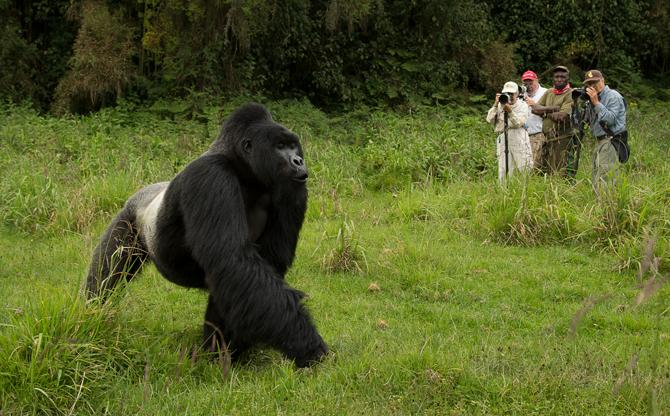
Rwanda Gorilla Trekking and Akagera Safari – Complete Planning Guide
- eshingiro
- Blog post, Gorilla trekking, Rwanda Safaris, Safaris in Rwanda, Visit Rwanda, Wildlife Safaris in Rwanda
- 0 Comments
A Rwanda gorilla trekking and Akagera safari combines two of Africa’s most rewarding wildlife experiences within one compact and welcoming destination. In the misty mountains of Volcanoes National Park, travelers can follow experienced trackers through bamboo and montane forest to meet endangered mountain gorillas. Meanwhile, in eastern Rwanda, Akagera National Park offers Big Five game drives, lakeside scenery, boat safaris and exceptional birdwatching.
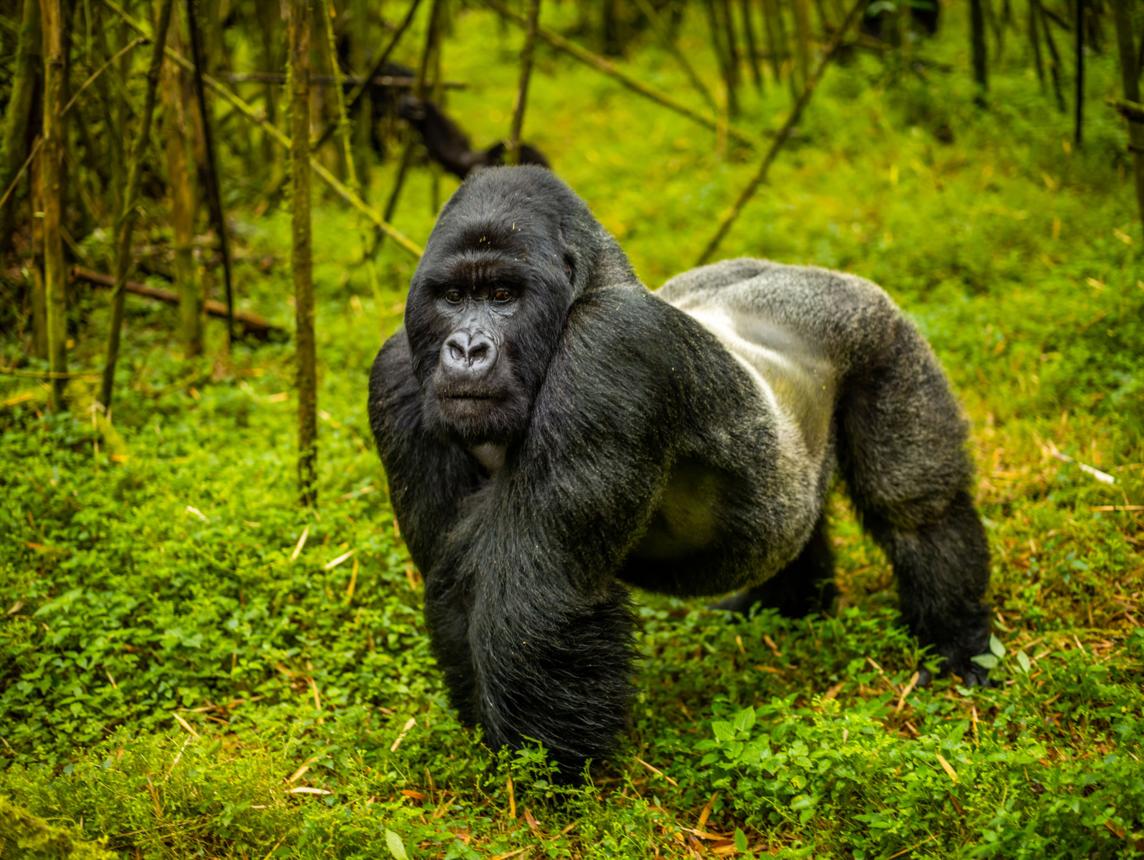
Few African journeys create such a dramatic contrast within a short distance. One morning may begin among elephants, giraffes and zebras on Akagera’s open plains. A few days later, the adventure continues beneath the Virunga volcanoes, where a silverback gorilla rests quietly within dense green vegetation.
Rwanda’s relatively efficient road network makes this combination practical for travelers with limited time. A four-day itinerary can include both destinations, although five or six days provide a more comfortable pace. Furthermore, visitors can extend the route with Kigali, Lake Kivu, golden monkey tracking, the Ellen DeGeneres Campus, cultural activities or Nyungwe National Park.
Planning still requires careful attention. Gorilla permits have limited availability, accommodation around Volcanoes National Park fills quickly and Akagera activities need suitable timing. Therefore, travelers should coordinate permits, hotels, transportation and park experiences before booking non-refundable flights.
This complete guide explains how to plan a Rwanda gorilla trekking and Akagera safari, including the best itinerary, permit requirements, wildlife experiences, accommodation options, transport, costs, health preparation and packing advice.
Why Combine Gorilla Trekking with an Akagera Safari?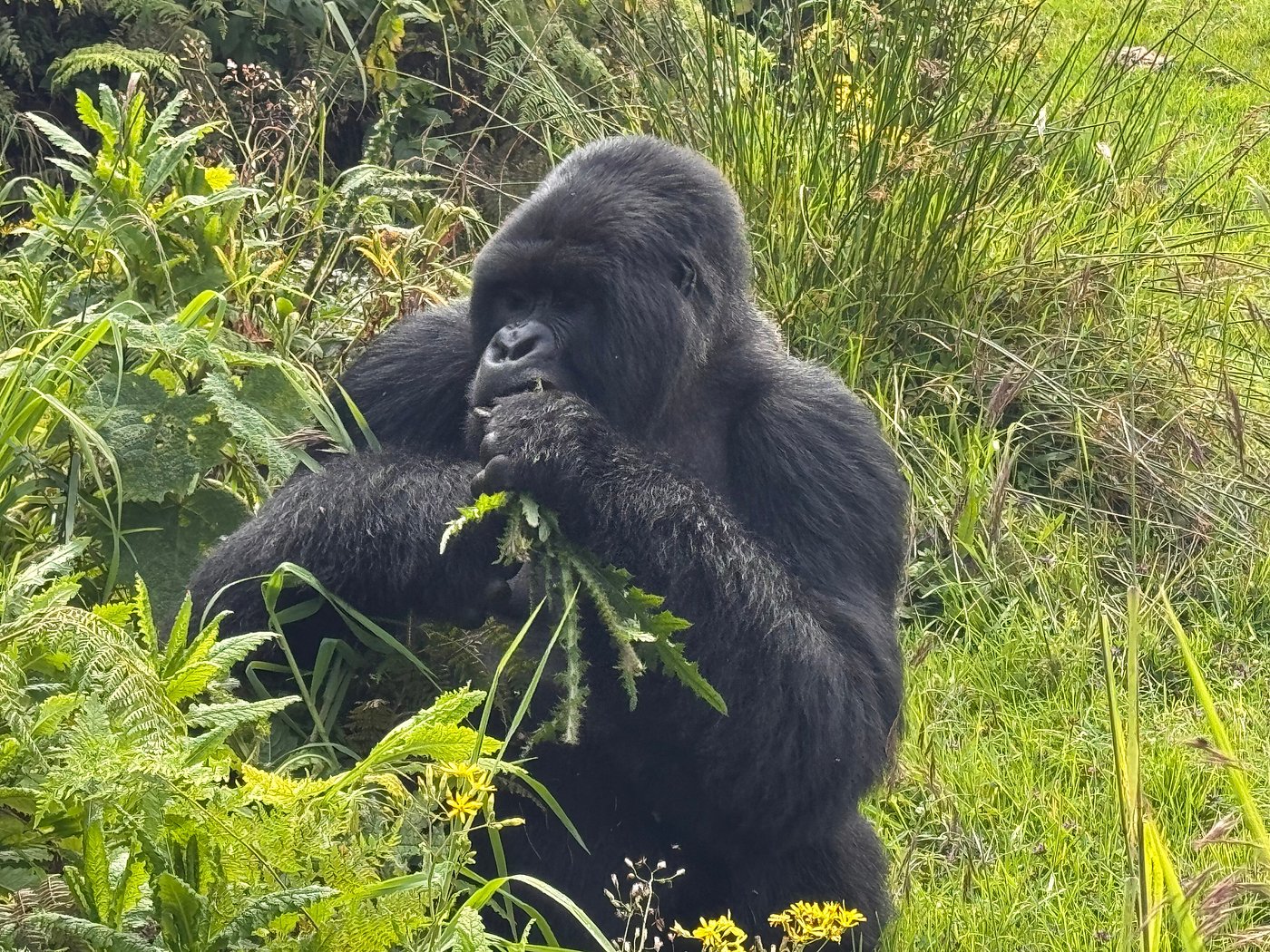
Rwanda offers four national parks, yet Volcanoes and Akagera create the country’s strongest combination for first-time wildlife travelers. Each park delivers a completely different ecosystem and safari style.
Volcanoes National Park protects Rwanda’s section of the Virunga mountain range. Its bamboo forests, montane vegetation and volcanic slopes provide habitat for mountain gorillas, golden monkeys and numerous forest birds.
By contrast, Akagera National Park contains warm, low-lying savannah, woodland, lakes and extensive wetlands along Rwanda’s eastern border. Visitors can search for lions, leopards, elephants, buffaloes and rhinos while also observing giraffes, zebras, hippos, crocodiles and antelopes.
A combined safari removes the need to choose between primates and traditional game viewing. Instead, travelers experience both within a single journey.
Another advantage involves accessibility. Kigali sits between the two regions and provides a convenient arrival point. Akagera lies east of the capital, whereas Volcanoes National Park lies northwest near Musanze.
The road transfers also reveal Rwanda’s changing landscapes. Terraced hills, farms, villages, lakes and mountains make the journey itself an important part of the experience.
Competitor Analysis for Rwanda Gorilla and Akagera Safaris
An analysis of leading competitor pages shows that most successful articles and tour pages focus on four-, five- or six-day itineraries. The standard route includes Kigali, Akagera National Park, Volcanoes National Park and a return to Kigali.
Top competitors emphasize mountain gorillas, Big Five wildlife, Lake Ihema boat safaris and private four-wheel-drive transportation. Several pages also include Kigali Genocide Memorial, golden monkey tracking or the Ellen DeGeneres Campus.
However, many competitors provide only a short itinerary and booking form. They often omit practical information about permit timing, fitness, hotel location, health rules, insurance and realistic transfer schedules.
Some competitors also use claims such as guaranteed gorilla encounters or guaranteed Big Five sightings. Although habituated gorilla tracking has a very high success rate, wildlife always moves freely. Therefore, responsible operators avoid absolute guarantees.
This guide strengthens the subject by addressing every stage of planning. It covers the booking timeline, permit conditions, destination order, accommodation, safari vehicles, seasonal differences, packing and ethical wildlife viewing.
Understanding the Two Main Destinations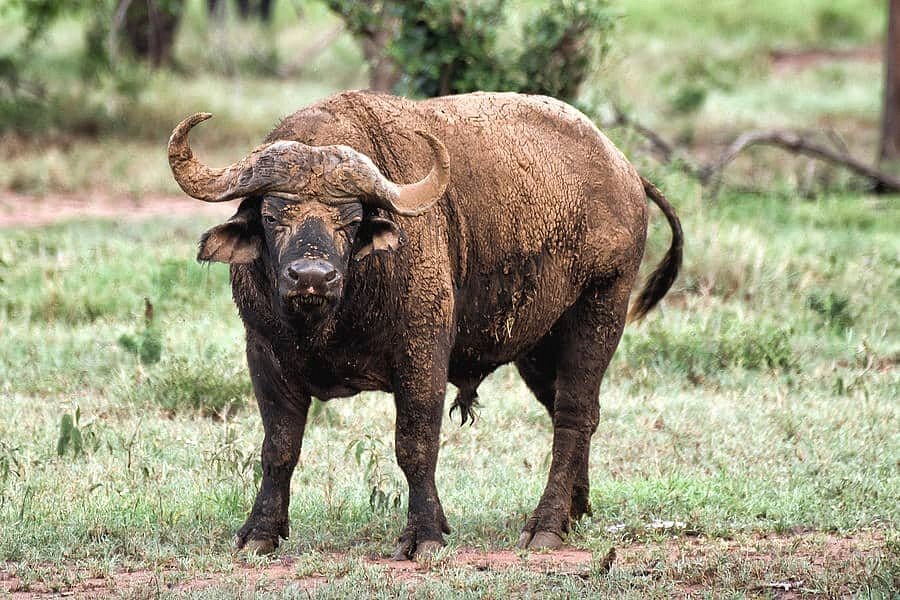
A successful itinerary begins with understanding how Volcanoes and Akagera differ.
Volcanoes National Park offers guided activities on foot. Gorilla trekking requires a permit, early registration and physical effort. Moreover, the forest environment can become cool, wet and muddy.
Akagera primarily offers wildlife viewing from a safari vehicle or boat. Conditions are warmer, walking remains limited during standard activities and visitors can cover substantial distances during a game drive.
These differences affect packing and scheduling. Travelers need hiking boots and rain protection for Volcanoes, while Akagera requires sun protection, lightweight clothing and binoculars.
Accommodation also differs. Volcanoes offers everything from modest Musanze hotels to exclusive luxury lodges. Akagera provides park lodges, tented accommodation and properties outside the main entrance.
Combining both parks creates a varied safari. Nevertheless, travelers should avoid rushing directly from a full-day Akagera game drive to an early gorilla trek without sufficient rest.
Rwanda Gorilla Trekking and Akagera Safari in Volcanoes National Park
Volcanoes National Park stands at the heart of Rwanda’s gorilla tourism. The park forms part of the larger Virunga conservation landscape shared with Uganda and the Democratic Republic of Congo.
Five of the eight Virunga volcanoes lie within or along Rwanda’s protected landscape: Karisimbi, Bisoke, Muhabura, Gahinga and Sabyinyo. Their slopes support bamboo, montane forest and high-altitude vegetation.
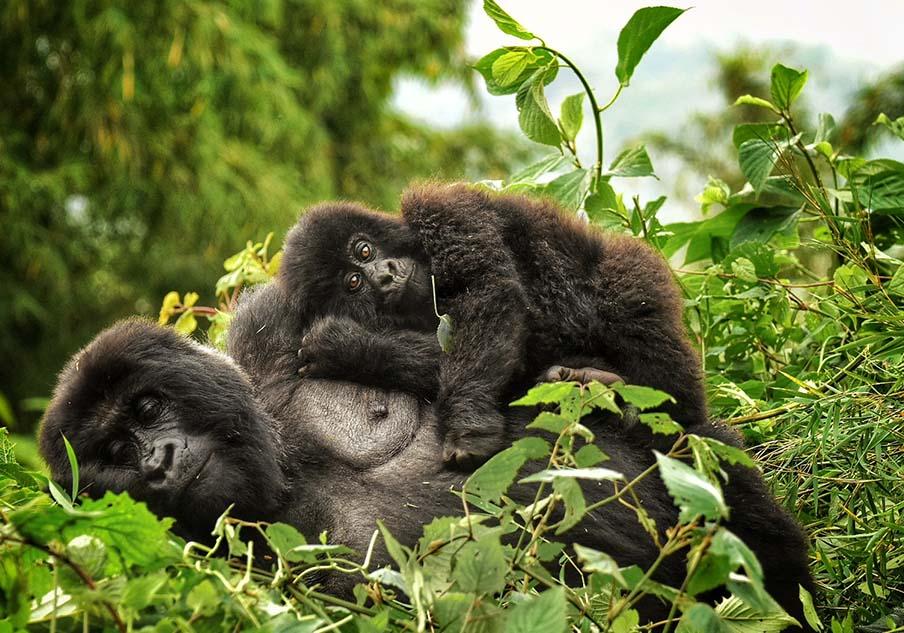
Mountain gorillas live in stable family groups led by dominant silverbacks. Each habituated family has a distinct structure and history.
During a trek, trained guides and trackers lead visitors through the forest toward one allocated gorilla group. Once the group has been located, visitors receive a controlled viewing period under ranger supervision.
The experience allows travelers to watch natural behavior such as feeding, grooming, resting, play and family interaction. Although the gorillas have become accustomed to carefully managed visits, they remain wild animals.
Rwanda Gorilla Trekking Permits
Every visitor needs a valid permit to track mountain gorillas in Volcanoes National Park. Visit Rwanda currently lists the standard permit at USD 1,500 per person per day and sets the minimum tracking age at 15. Official Visit Rwanda gorilla-tracking information
The permit includes park entry for the gorilla activity, ranger services, trackers and the regulated visit with one habituated family. However, it does not usually include transportation, accommodation, meals, porters or personal expenses.
Permit policies, prices and promotional conditions can change. Therefore, confirm the applicable rate and terms before making payment.
A reputable tour operator can check availability and coordinate the purchase. To complete the reservation, travelers normally provide passport details and full permit payment.
Because permits have limited daily availability, early booking remains important. June through September, December, January and major holiday periods attract strong demand.
Last-minute permits may occasionally remain available. Nevertheless, travelers should not build an international journey around that possibility.
What Happens on Gorilla Trekking Day?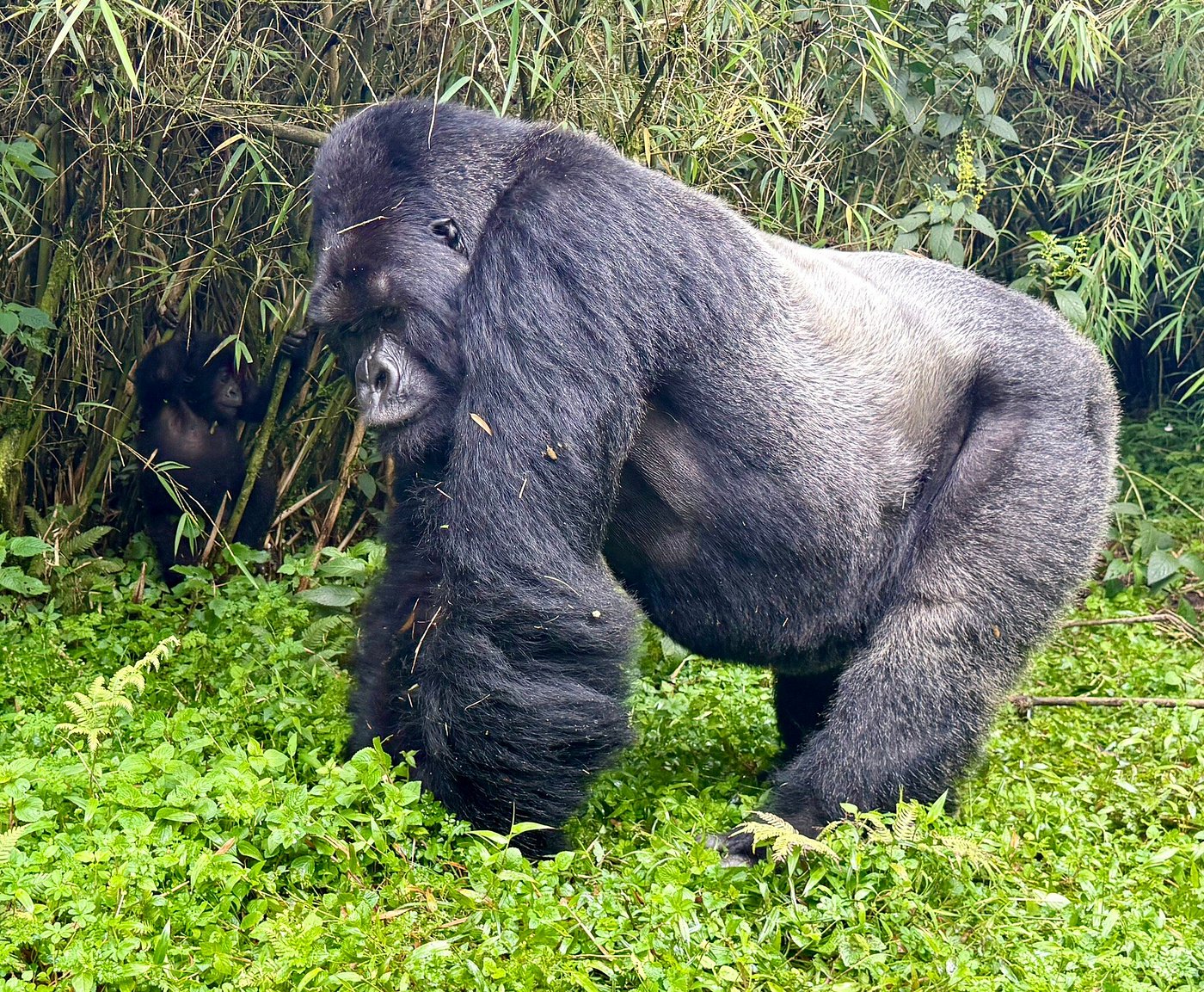
Gorilla trekking day begins early. Guests leave their lodge and travel to the park headquarters or assigned briefing location.
Registration and briefing take place before groups enter the forest. Rangers explain gorilla behavior, health precautions, hiking conditions and photography rules.
Park staff then allocate visitors to gorilla families. Fitness, age and personal preferences may influence the allocation, although officials make the final decision.
After the briefing, travelers may drive to a separate trailhead. Depending on the assigned group, this transfer can take additional time.
The trek begins across farmland, forest edge or bamboo vegetation. Trackers monitor fresh nests, footprints, droppings, broken plants and other signs.
Walking time varies. Some visitors locate the gorillas relatively quickly, while others hike for several hours over steep or muddy ground.
Once the gorillas appear, the ranger controls the viewing period and positioning of the group. Visitors should remain calm, keep voices low and follow every instruction.
Afterward, the group returns to the trailhead and meets the driver-guide. The total activity can occupy most of the day, so travelers should avoid scheduling an inflexible afternoon program.
How Difficult Is Gorilla Trekking in Rwanda?
The difficulty changes daily because gorilla families move freely. Weather, altitude, vegetation and the allocated group all affect the experience.
Some treks follow moderate terrain and finish before midday. Others involve steep slopes, thick vegetation and several hours of walking.
Travelers should prepare through regular walking, hill training and appropriate footwear. Nevertheless, extreme athletic ability is not required for every trek.
During registration, inform park staff about mobility concerns, age or health limitations. They may consider this information during group allocation, although no one can guarantee an easy route.
Hiring a porter makes the trek more comfortable. Porters carry water, lunch, cameras and rain gear. Moreover, they can offer steady support on slippery ground.
Porter employment also distributes tourism income to communities near the park. Therefore, even fit travelers can make a positive contribution by hiring one.
Gorilla Trekking Rules and Etiquette
Gorilla trekking rules protect both visitors and primates.
Guests must follow the distance directed by rangers. Even when a gorilla moves closer, visitors should remain calm and avoid initiating contact.
Flash photography is prohibited. Therefore, prepare camera settings before entering the forest.
Eating, drinking and smoking are not allowed near the gorillas. Travelers should also avoid loud voices and sudden movements.
Anyone suffering from flu, fever or another infectious illness must report the condition. Gorillas share biological similarities with humans and can contract certain diseases.
If a gorilla approaches, follow the ranger’s instructions. Never touch, chase or block the animal.
Respecting these rules creates a safer encounter and supports the long-term conservation of mountain gorillas.
Best Clothes for Gorilla Trekking
Wear waterproof hiking boots with strong grip and ankle support. New boots may cause blisters, so use them before the safari.
Long trousers protect the legs from vegetation, insects and mud. Many trekkers tuck their trousers into long socks or wear gaiters.
A lightweight long-sleeved shirt protects the arms. Additionally, gardening gloves help when holding branches or supporting yourself on vegetation.
Rain can fall during any month. Therefore, carry a breathable waterproof jacket and backpack cover.
Pack a fleece or warm layer for the cool morning. Once the trek becomes active, it can be stored in the backpack.
Neutral colors work well. Avoid heavy denim because it dries slowly after rain.
Gorilla Trekking Photography Tips
Forest photography presents low light, dense vegetation and rapidly changing positions. Consequently, understanding the camera before trekking provides a major advantage.
A medium telephoto zoom works well for portraits and environmental compositions. Very large lenses may become difficult to carry through steep forest.
Use a sufficiently fast shutter speed to reduce blur from animal or camera movement. Higher ISO settings may become necessary beneath the canopy.
Focus on the gorilla’s eyes whenever possible. However, do not spend the entire viewing period looking through a screen.
Environmental photographs can show the relationship between gorillas and their forest habitat. Therefore, capture wider scenes as well as close portraits.
Carry spare batteries, memory cards and rain protection. Flash must remain disabled throughout the encounter.
Other Activities Near Volcanoes National Park
A combined safari does not need to end after gorilla trekking. The Musanze region offers several additional experiences.
Golden monkey tracking introduces travelers to active primates in bamboo forest. These monkeys move quickly and produce an energetic contrast to gorillas.
The Ellen DeGeneres Campus of the Dian Fossey Gorilla Fund provides insights into gorilla conservation, research and the legacy of Dian Fossey.
Cultural experiences can include traditional dance, crafts, food preparation and community-guided activities. Choose respectful programs that deliver clear local benefits.
The Twin Lakes of Burera and Ruhondo provide scenic views, boat activities and relaxation.
Adventurous travelers can also explore volcanic hikes. However, demanding hikes should not be scheduled immediately before gorilla trekking because tired legs may reduce enjoyment.
Rwanda Gorilla Trekking and Akagera Safari in Akagera National Park
Akagera National Park lies in eastern Rwanda along the border with Tanzania. It protects savannah, woodland, lakes, papyrus wetlands and rolling hills.
The park provides Rwanda’s principal traditional wildlife safari. Visitors may encounter lions, leopards, elephants, buffaloes and rhinos, completing the Big Five.
Other mammals include giraffes, zebras, hippos, crocodiles, topi, waterbucks, impalas, bushbucks, warthogs, baboons and monkeys.
Akagera also ranks among Rwanda’s most important birding destinations. Its varied habitats support raptors, kingfishers, herons, storks, waterfowl, barbets and papyrus-associated species.
A game drive can cross changing landscapes from the lake-rich south toward the more open northern plains. Therefore, a full-day drive provides a broader experience than a short loop near one gate.
Big Five Game Drives in Akagera
Game drives generally begin early in the morning or later in the afternoon. Cooler hours bring greater animal activity and softer photographic light.
Lions may rest in grassland, near tracks or beneath trees. Leopards remain far more elusive because they move quietly and often use woodland.
Elephants can appear in family groups or as solitary bulls. Meanwhile, buffaloes may gather in large herds near water and open plains.
Rhinos require patience and experienced tracking. Sightings depend on location, vegetation and the animals’ movement.
No responsible company should guarantee all five species in one day. Nevertheless, multiple game drives improve the opportunities.
A professional Akagera guide adds local knowledge. Although a private driver-guide understands general wildlife viewing, an official park guide may know recent animal locations and behavioral patterns.
Lake Ihema Boat Safari
A boat safari on Lake Ihema complements the land-based game drive. It offers close views of hippos, crocodiles and numerous waterbirds.
African fish eagles call from shoreline trees, while kingfishers watch for prey. Herons, egrets, cormorants and darters also appear around the lake.
Elephants and buffaloes may approach the water, especially during warmer periods. However, sightings vary naturally.
Morning cruises provide fresh light and active birds. Sunset trips offer warm colors and a peaceful conclusion to the day.
Reserve the boat activity in advance, particularly during busy travel periods. Private charters may provide greater flexibility for photographers and birdwatchers.
Night Game Drives in Akagera
A night drive reveals a different side of the park. Nocturnal wildlife may include civets, genets, bushbabies, hyenas and other animals that remain difficult to see during daylight.
The experience uses an authorized vehicle, guide and spotlight. Visitors should not attempt independent night driving.
Night activities usually begin after dinner or around sunset, depending on the park schedule.
Ethical spotlight use remains important. Guides avoid shining bright light directly into an animal’s eyes for extended periods.
A night drive works best during a two-night Akagera stay. Scheduling it after a long arrival journey may leave travelers overly tired.
Birdwatching in Akagera
Akagera’s habitat diversity makes it one of Rwanda’s richest birding areas. Visit Rwanda reports an exceptional variety of species across the park’s wetlands and savannah. Official Akagera destination information
Possible highlights include African fish eagles, grey crowned cranes, kingfishers, storks, rollers and red-faced barbets.
Papyrus wetlands support specialized birds. Meanwhile, open plains attract larks, pipits and raptors.
The shoebill may occur in suitable wetland habitat, although sightings remain rare and unpredictable.
Serious birders should request a specialist guide and allow more than one day.
Best Length of Stay in Akagera
A day trip from Kigali suits travelers with very limited time. However, it requires an early departure and long hours inside the vehicle.
One night allows an afternoon boat cruise followed by a morning game drive. This option creates a more relaxed experience than a day trip.
Two nights provide the strongest balance for most visitors. Travelers can enjoy boat and night activities, a full-day game drive and a quieter lodge experience.
Three nights suit photographers, birdwatchers and travelers who want to explore slowly.
For a combined gorilla itinerary, two Akagera nights work especially well because they create enough time for both land and water activities.
Accommodation in Akagera
Accommodation choices include lodges inside the park, tented camps and properties outside the entrance.
Staying inside the park reduces transfer time and creates an immersive atmosphere. Guests can begin game drives early and return to the lodge without leaving the protected area.
Southern accommodation offers convenient access to Lake Ihema and the main entrance. Northern properties provide proximity to open plains and quieter wilderness.
Outside-park accommodation may reduce costs. However, gate procedures and additional driving affect the schedule.
When selecting a hotel, consider location as carefully as room quality. A cheaper property far from the intended game-drive area can create long transfers.
Choosing the Best Safari Vehicle
A private four-wheel-drive safari vehicle provides comfort, visibility and flexibility.
A pop-up roof allows passengers to stand safely during sightings. Large windows also support photography.
The vehicle should carry drinking water, a first-aid kit, communication equipment and suitable recovery tools.
Air conditioning helps during highway transfers. However, most visitors open windows or raise the roof during game drives.
For couples, a standard Land Cruiser offers generous space. Families and small groups should confirm seating and luggage capacity.
Never overload the vehicle. Every traveler should have an unobstructed window or viewing position where possible.
Best Rwanda Gorilla Trekking and Akagera Safari Itinerary
The ideal itinerary lasts five or six days. This schedule provides enough time for Kigali, two nights in Akagera and two nights near Volcanoes National Park.
A four-day version remains possible, although it involves longer transfers and less flexibility.
Four-Day Rwanda Gorilla Trekking and Akagera Safari
Day 1: Kigali to Akagera National Park
Your driver-guide collects you from Kigali in the morning. After a briefing, the journey continues east toward Akagera National Park.
Depending on arrival time, enjoy an afternoon game drive or Lake Ihema boat safari.
Later, check into the lodge for dinner and overnight.
Day 2: Akagera Game Drive and Transfer
Begin with an early game drive through the park. Search for elephants, buffaloes, giraffes, zebras, lions, antelopes and birds.
A full south-to-north drive provides varied scenery. After exiting the park, continue toward Kigali or the Musanze region.
This becomes a long travel day. Therefore, guests should prepare for several hours in the vehicle.
Day 3: Volcanoes Region and Optional Activities
If the previous night was spent in Kigali, transfer to Volcanoes National Park after breakfast.
Depending on arrival time, visit the Ellen DeGeneres Campus, join a cultural experience or relax at the lodge.
Prepare trekking equipment before dinner and rest early.
Day 4: Gorilla Trekking and Return to Kigali
Leave the lodge early for the briefing. After registration, join the ranger-led gorilla trek.
Following the activity, meet the driver-guide and return to Kigali.
A late-night international departure may work, but an additional Kigali night provides greater security in case the trek finishes late.
Five-Day Rwanda Gorilla Trekking and Akagera Safari
Day 1: Arrival in Kigali
Meet the guide at Kigali International Airport and transfer to the hotel.
If time permits, explore selected city attractions or rest after the flight.
Day 2: Kigali to Akagera and Boat Safari
After breakfast, drive to Akagera National Park.
Check into the lodge or continue directly to a scheduled Lake Ihema boat safari.
The boat trip introduces hippos, crocodiles and waterbirds.
Day 3: Full-Day Akagera Game Drive
Start early and explore the park from south to north or follow a route designed around recent sightings.
Stop for a picnic lunch at an authorized area.
Continue the game drive before returning to the lodge or exiting through the northern gate.
Day 4: Transfer to Volcanoes National Park
Travel toward Musanze through Kigali or an appropriate cross-country route, depending on the itinerary and road conditions.
Upon arrival, check into the lodge and prepare for trekking.
An optional cultural activity or conservation visit can fill the afternoon when time allows.
Day 5: Gorilla Trekking and Kigali
Complete the gorilla trekking briefing and forest experience.
Afterward, return to Kigali for hotel check-in or airport drop-off.
This five-day plan offers a realistic combination for active travelers.
Six-Day Rwanda Gorilla Trekking and Akagera Safari
A six-day itinerary adds flexibility and recovery time.
Day one includes airport pickup and Kigali accommodation.
On day two, visit Kigali Genocide Memorial before transferring to Akagera.
Day three provides a full game drive and Lake Ihema boat safari.
The fourth day includes another morning activity before transferring toward Volcanoes National Park.
Day five focuses entirely on gorilla trekking.
Finally, day six allows the Ellen DeGeneres Campus, cultural activities, the Twin Lakes or golden monkey tracking before returning to Kigali.
This schedule suits first-time visitors because it avoids excessive rushing.
Seven-Day Rwanda Gorilla and Wildlife Safari
A seven-day tour allows guests to explore both destinations in depth.
The first night is spent in Kigali.
Two or three nights follow in Akagera, including full-day, boat and optional night activities.
Afterward, transfer to Volcanoes National Park for three nights.
The Volcanoes section can include gorilla trekking, golden monkeys, conservation experiences and a cultural visit.
The final day returns to Kigali with gift shopping or a short city tour.
Families, photographers and honeymooners often benefit from this slower pace.
Should You Visit Akagera or Volcanoes First?
Both directions can work. However, many itineraries begin with Akagera and finish with gorilla trekking.
Starting in Akagera allows the safari to build toward the gorilla experience. Guests also have time to recover from international travel before completing the forest trek.
Finishing in Volcanoes creates a shorter final transfer to Kigali than returning from some parts of Akagera.
On the other hand, visiting Volcanoes first may suit permit availability or flight schedules.
Travelers who worry about physical fatigue may prefer the gorilla trek early in the journey. Afterward, Akagera game drives provide a more relaxed conclusion.
The best sequence ultimately depends on permit dates, hotel availability and international flights.
Best Time for Rwanda Gorilla Trekking and Akagera Safari
Rwanda welcomes visitors throughout the year. Nevertheless, seasonal conditions affect forest trails, game-drive roads and accommodation demand.
The longer dry season generally runs from June through September. A shorter dry period often occurs from December through February.
Wetter conditions commonly affect March through May and parts of October and November. However, climate patterns vary, and rain can fall during any month.
Dry periods often provide easier gorilla trekking because trails may contain less mud. Akagera roads also become easier to navigate.
Wet seasons create lush scenery, dramatic skies and active birdlife. Moreover, lower visitor numbers may provide a quieter experience.
No season guarantees perfect weather. Therefore, pack rain protection regardless of travel dates.
June to September
June, July, August and September attract strong international demand.
Forest trails often become more manageable, although rain remains possible. Akagera wildlife may also gather near permanent water.
Hotels and gorilla permits can sell out. Consequently, early reservations remain essential.
Prices may increase during peak travel dates, especially at luxury lodges.
December to February
December, January and February can provide favorable conditions for both parks.
Christmas and New Year create high demand. However, parts of January and February may feel quieter.
Warm conditions affect Akagera, while Volcanoes mornings remain cool.
This period suits travelers escaping the northern hemisphere’s winter.
March to May
The longer rains can make gorilla trekking more demanding. Trails become muddy, and vegetation remains dense.
Nevertheless, gorilla trekking continues. Rain may fall in showers rather than throughout the day.
Akagera becomes green and highly photogenic. Birding can also prove rewarding.
Some promotional rates may become available, subject to current official conditions and eligibility. Confirm every offer before booking.
October and November
Rain commonly returns during this period. However, exact timing changes from year to year.
Travelers should carry waterproof equipment and allow flexibility.
Lower demand may create a quieter safari, while green landscapes support excellent photography.
Rwanda Gorilla Trekking and Akagera Safari Costs
The total price depends on group size, accommodation category, vehicle, permits, included meals and optional activities.
The gorilla permit represents the largest fixed activity cost. At the current standard rate, one permit costs USD 1,500 per person.
Akagera costs include park entrance, vehicle fees, guiding, boat trips and optional night drives.
Private transportation covers the safari vehicle, fuel and driver-guide. Because these expenses are shared, the per-person cost generally decreases as the group grows.
Accommodation ranges from budget guesthouses to high-end lodges costing several thousand dollars per night.
A four- or five-day midrange package costs more than the permit alone because it also includes hotels, transport, meals, guiding and park activities.
Ask the operator for a clear list of inclusions rather than comparing final prices without context.
What Should the Safari Price Include?
A comprehensive package may include airport pickup, private transportation, fuel, professional driver-guide services, accommodation, specified meals, drinking water, park entrance fees and scheduled activities.
The gorilla permit should appear clearly in the quotation.
Akagera activities must also be listed individually. Check whether the proposal includes a game drive, boat safari, night drive or official park guide.
Taxes and operational support should form part of the confirmed total unless stated otherwise.
Common exclusions include international flights, visas, travel insurance, personal purchases, gratuities, laundry and premium alcoholic drinks.
Read the proposal carefully before payment. If an item does not appear, ask whether it is included.
Budget, Midrange and Luxury Safaris
Budget safaris use simple hotels or guesthouses while preserving the essential wildlife activities. Travelers still receive the same standard gorilla permit and ranger-controlled encounter.
Midrange packages offer comfortable en-suite rooms, reliable meals and well-located lodges. For many travelers, this category provides the best balance between price and comfort.
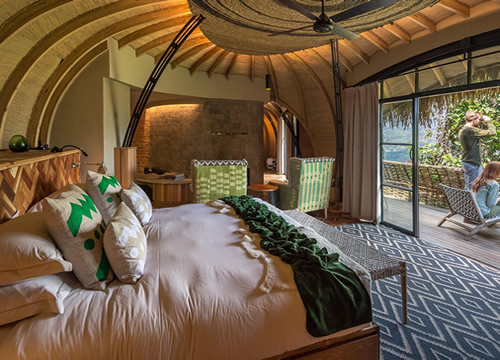
Luxury safaris include premium lodges, refined dining, personalized service and enhanced privacy. Some properties provide spa facilities, fireplaces, private terraces and conservation experiences.
Ultra-luxury journeys may add helicopter transfers, private villas and exclusive services.
Wildlife does not respond to room price. Therefore, accommodation choice should reflect comfort preferences rather than expectations of a better gorilla group or guaranteed Big Five sightings.
Accommodation Near Volcanoes National Park
Musanze and Kinigi provide a broad range of options.
Budget travelers can stay in Musanze and drive to the briefing area early in the morning.
Midrange lodges near Kinigi reduce transfer time and often provide trekking support such as gaiters, walking sticks or boot cleaning.
Luxury properties offer spacious rooms, fireplaces, scenic views and highly personalized service.
When choosing accommodation, confirm the travel time to the official briefing point. A distant property may require an extremely early departure.
Also, ask whether breakfast can be served before the trek and whether the lodge provides a packed lunch.
Accommodation in Akagera National Park
Akagera Game Lodge provides a convenient base in the southern park area. It offers access to Lake Ihema and nearby game-drive routes.
Ruzizi Tented Lodge creates a more intimate lakeside experience. Its tented accommodation suits travelers seeking nature and comfort.
Northern wilderness options can reduce the distance to productive plains and create a remote atmosphere. However, availability may depend on season.
Properties outside the park can support budget itineraries. Nevertheless, extra gate travel should be included in the schedule.
Kigali Accommodation
Kigali provides international hotels, boutique properties, apartments and budget guesthouses.
An arrival night allows travelers to rest before beginning the safari. Likewise, a final Kigali night protects against delays after gorilla trekking.
Airport-area hotels suit late arrivals and early departures. City-center properties provide easier access to restaurants, memorials, markets and museums.
Select the location according to the next day’s route. A hotel on the eastern side of Kigali can support an Akagera departure, while northern locations may shorten the journey toward Musanze.
Transportation Between Kigali, Akagera and Volcanoes
Most combined safaris use a private four-wheel-drive vehicle.
Kigali to Akagera commonly requires several hours, depending on traffic, road conditions, park gate and stops.
Kigali to Volcanoes National Park generally takes about two and a half to three hours under normal conditions.
Traveling directly from Akagera to Volcanoes creates a much longer day. Therefore, plan lunch, comfort stops and realistic arrival time.
A private vehicle provides flexibility and secure luggage storage. Furthermore, the same driver-guide supports the travelers throughout the journey.
Domestic helicopters can reduce transfer times for luxury itineraries. However, road travel reveals more of Rwanda’s countryside and costs considerably less.
Arriving Through Kigali International Airport
Kigali International Airport serves as the primary gateway.
Provide the tour operator with the airline, flight number, arrival date and scheduled time.
Flights arriving after midnight require careful date confirmation. The hotel reservation should begin on the correct calendar night.
Keep passport, permits, insurance documents and essential medication in hand luggage.
If baggage is delayed, one change of clothes and trekking essentials can protect the itinerary.
Arrange airport pickup before departure. The guide should hold a sign or provide a clear meeting location.
Entry Requirements and Travel Documents
Visa rules depend on nationality and can change. Therefore, verify current entry conditions through official Rwandan immigration channels before travel.
Passports should have sufficient validity and blank pages for the planned journey.
Carry printed and digital copies of your passport, visa confirmation, flight tickets, insurance policy and safari itinerary.
A yellow fever certificate may be required depending on the traveler’s origin or recent route. Confirm health entry rules with official authorities and the airline.
Guests combining Rwanda with Uganda, Kenya or Tanzania must meet the requirements of every country.
Travel Insurance
Comprehensive travel insurance is essential because gorilla permits and luxury accommodation can involve substantial non-refundable payments.
The policy should cover emergency medical treatment, evacuation, cancellation, interruption and baggage delay.
Confirm that gorilla trekking and other hiking activities fall within the policy.
Declare existing medical conditions accurately.
If the safari includes cross-border travel, verify coverage in every destination.
Keep the insurer’s emergency telephone number and policy reference available offline.
Health Preparation
Consult a qualified travel-health professional several weeks before departure.
Discuss routine vaccinations, malaria prevention and individual medical needs.
Carry prescription medicine in original packaging and keep essential medication in hand luggage.
Use insect repellent in Akagera and wear long sleeves during evenings.
Drink safe water and follow the guide’s food-hygiene advice.
Most importantly, protect gorillas by reporting respiratory or infectious illness before the trek.
Packing List for Both Parks
The combined itinerary requires clothing for warm savannah and cool rainforest.
Pack waterproof hiking boots, long trekking trousers, long socks, gardening gloves and a rain jacket for Volcanoes National Park.
For Akagera, bring lightweight neutral clothing, a sun hat, sunglasses and sunscreen.
A fleece or sweater works well during cool mornings in Volcanoes and early game drives.
Binoculars improve wildlife and bird viewing. Camera equipment should include spare batteries, memory cards and rain protection.
Additional essentials include insect repellent, personal medicine, reusable water bottle, small backpack and travel documents.
Avoid overpacking. Many lodges offer laundry, although service conditions vary.
Family Safaris
Families can enjoy Akagera through game drives and boat safaris. Children often appreciate giraffes, elephants, zebras and hippos.
However, Rwanda sets the minimum gorilla tracking age at 15. Families with younger children need supervised alternative activities during the trek.
Golden monkey tracking and other park activities may use different age conditions. Confirm current rules before booking.
A family itinerary should include shorter transfers, rest breaks and suitable room arrangements.
Private vehicles provide the greatest flexibility for meals and daily timing.
Solo Traveler Safaris
Solo travelers can book a private combined safari. The experience offers flexibility and direct interaction with the driver-guide.
However, the price per person becomes higher because one guest covers the vehicle and guide expenses.
Scheduled departures may reduce costs when available, but permit dates and room preferences must align.
Solo travelers should verify the operator, share the itinerary with a trusted contact and maintain appropriate travel insurance.
Honeymoon and Luxury Safaris
The combination suits honeymooners because it mixes adventure, privacy and high-quality accommodation.
A luxury route may include two nights in Akagera, three nights near Volcanoes and a final Lake Kivu or Kigali stay.
Private boat cruises, bush breakfasts, spa treatments and conservation experiences can add depth.
Inform lodges about the honeymoon in advance. They may arrange special room preparation or dining, subject to availability.
Avoid filling every day with activities. Rest time allows couples to enjoy the lodge and landscape.
Senior Travelers and Mobility Considerations
Akagera suits many senior travelers because standard activities take place in a vehicle or boat.
Gorilla trekking requires more physical preparation. Nevertheless, older visitors often complete the experience successfully with suitable planning.
Discuss mobility concerns before booking. Hire a porter and request consideration during group allocation.
Use trekking poles or the locally provided walking stick.
Travelers with serious mobility restrictions should obtain detailed advice about current trekking support options. Conditions, costs and availability require advance confirmation.
Responsible Tourism and Conservation
Gorilla permits and park fees contribute to conservation and community programs. Visit Rwanda states that a portion of tourism revenue supports local communities around protected areas. Visit Rwanda
Responsible travelers follow park rules and maintain appropriate wildlife distance.
Never pressure a guide to drive off-road illegally or surround an animal.
Avoid excessive noise, littering and food waste.
Choose community experiences that respect local dignity and provide transparent benefits.
Purchase crafts from recognized local businesses and request permission before photographing people.
Tourism works best when wildlife protection and community wellbeing develop together.
Common Planning Mistakes
Waiting too long to reserve the gorilla permit creates the greatest risk. Hotels can often be adjusted, but permit availability controls the trekking date.
Another mistake involves choosing a Volcanoes hotel without checking its distance from the briefing point.
Travelers also underestimate the transfer between Akagera and Musanze. Avoid scheduling an evening arrival followed by an exhausting early trek whenever possible.
Poor footwear can make the forest uncomfortable. Break in waterproof hiking boots before travel.
Some guests schedule international departure immediately after trekking. A delayed forest return or road journey can create unnecessary stress.
Others compare package prices without checking whether permits and park fees are included.
Finally, expecting guaranteed Big Five sightings can lead to disappointment. Wildlife observation always requires patience.
Frequently Asked Questions
How many days do I need for gorillas and Akagera?
Five or six days provide the best balance. Four days remain possible for active travelers, while seven days offer a more relaxed experience.
How much is a Rwanda gorilla permit?
Visit Rwanda currently lists the standard permit at USD 1,500 per person per day. Confirm the rate and applicable conditions before booking.
What is the minimum gorilla trekking age?
The official minimum age is 15 years.
Are the Big Five present in Akagera?
Yes. Lions, leopards, elephants, buffaloes and rhinos occur in the park. However, visitors may not see every species during one game drive.
Can I see gorillas and Akagera in four days?
Yes, although the itinerary involves long transfers. Five or six days provide more comfort.
Is gorilla trekking difficult?
Difficulty varies according to the gorilla family’s location, weather and terrain. Some treks are moderate, while others become physically demanding.
Do I need hiking boots?
Waterproof hiking boots with strong grip are highly recommended.
Can I photograph the gorillas?
Yes, but flash photography is prohibited. Follow ranger instructions at all times.
Is Akagera suitable for children?
Yes. Game drives and boat safaris can work very well for families, subject to individual activity rules.
Should I hire a porter?
Yes. Porters carry equipment, help on difficult terrain and receive direct income from tourism.
What is the best month for the combined safari?
June through September and December through February often provide favorable conditions. Nevertheless, both parks remain open throughout the year.
Can I visit Akagera on a day trip?
Yes. However, one or two nights provide a more complete safari.
Is a Lake Ihema boat safari worthwhile?
Yes. It adds hippos, crocodiles, waterbirds and a different perspective from a vehicle-based game drive.
Can I add golden monkey tracking?
Yes. Add an extra night near Volcanoes National Park to avoid rushing.
Can I finish the safari at Kigali Airport?
Yes. However, schedule enough time after gorilla trekking and road transfers. A final Kigali night provides the safest arrangement.
Final Thoughts on Rwanda Gorilla Trekking and Akagera Safari
A Rwanda gorilla trekking and Akagera safari connects rainforest primates with classic African wildlife in one remarkable journey.
Volcanoes National Park offers an intimate encounter with mountain gorillas beneath the Virunga volcanoes. Meanwhile, Akagera provides Big Five game drives, Lake Ihema boat safaris and expansive savannah scenery.
Rwanda’s compact geography makes this combination possible within four to seven days. Nevertheless, five or six days create the strongest balance between activities and rest.
Early permit booking remains essential. Travelers should also choose well-located accommodation, allow realistic transfer times and prepare suitable trekking clothing.
A professional local operator can coordinate permits, hotels, transportation and national park activities. This support allows visitors to focus on the wildlife rather than logistical details.
With careful planning, a Rwanda gorilla trekking and Akagera safari becomes far more than two separate activities. It becomes a complete journey through Rwanda’s mountains, forests, wetlands, communities and wildlife landscapes.
Plan Your Safari with Universal Ventures Rwanda
Universal Ventures Rwanda organizes private gorilla trekking tours, Akagera Big Five safaris, customized Rwanda holidays and cross-border East African journeys. Our services can include gorilla permit coordination, private transportation, professional driver-guides, accommodation, park activities, airport transfers and personalized travel support.
Universal Ventures Rwanda
Address: Kigali, Rwanda
Telephone/WhatsApp: +250 781 441 853
Email: info@universalventuresrwanda.com
Website: www.universalventuresrwanda.com

Related Posts
A 10-Day Rwanda Gorilla and Big Five Safari is one of the most complete ways…
This 8-Day Rwanda Gorilla, Big Five and Chimpanzee Safari connects Rwanda’s three best-known national parks:…


Comments (0)