 Skip to content
A Luxury Rwanda Gorilla and Big Five Safari combines two of Africa’s most sought-after wildlife…
Rwanda Gorilla Safari and Big Five Safari – Complete Adventure Guide
Combining these destinations creates a remarkable Rwanda Gorilla Safari and Big Five Safari. Instead of choosing between a primate adventure and a classic African wildlife tour, visitors can experience both.
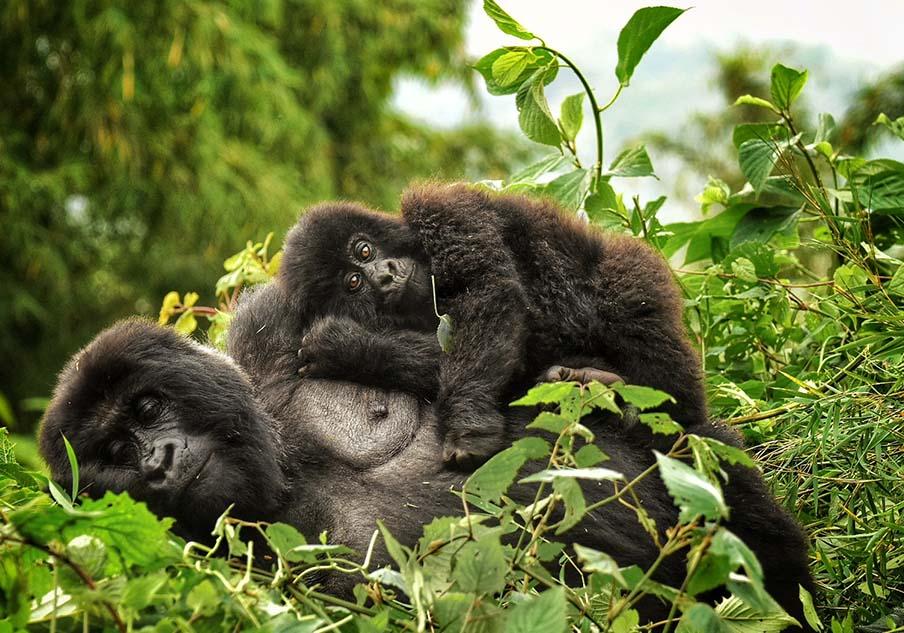
A Rwanda safari can deliver two of Africa’s greatest wildlife experiences within one compact and beautifully organized journey. In the mist-covered mountains of Volcanoes National Park, travelers can walk through bamboo and montane forest to meet a family of mountain gorillas. In eastern Rwanda, the open plains, woodlands, lakes and wetlands of Akagera National Park provide opportunities to search for lions, leopards, elephants, buffaloes and rhinoceroses.
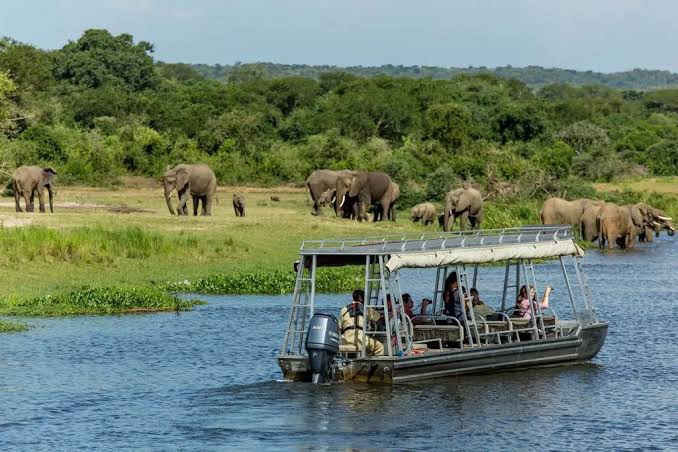
The contrast is part of the magic. Gorilla trekking is intimate, active and emotional. You move on foot through cool highland forest before spending a carefully regulated period observing gorillas at close range. An Akagera safari is broader and more open. You travel by four-wheel-drive vehicle across savannah and woodland while looking for large mammals, predators and birds. A boat safari on Lake Ihema adds hippos, crocodiles and waterbirds to the experience.
Rwanda makes this combination unusually practical. Kigali lies between the country’s principal safari regions, while improved roads and relatively manageable distances allow travelers to connect Akagera, Kigali and Volcanoes National Park without crossing an international border.
A short trip can cover the essential highlights in five days. However, six or seven days create a more rewarding pace, particularly when travelers want two nights in Akagera, a full day in Volcanoes National Park and time to explore Kigali. Longer journeys can add golden monkey tracking, Lake Kivu, Nyungwe Forest, chimpanzees and cultural experiences.
This complete guide explains where to go, how many days you need, what the Big Five means, how gorilla trekking works, what the journey costs and how to build the best itinerary for your travel style.
Why Combine Gorillas and the Big Five in Rwanda?
Many African safari itineraries require travelers to choose a primary wildlife theme. They may focus on gorilla trekking in a forest destination or spend the entire holiday visiting savannah parks.
Rwanda offers both experiences within one country.
Volcanoes National Park protects part of the Virunga mountain ecosystem and is one of the world’s principal mountain gorilla destinations. Akagera National Park is Rwanda’s only Big Five safari park and supports a rich combination of savannah, wetland, woodland and lake habitats.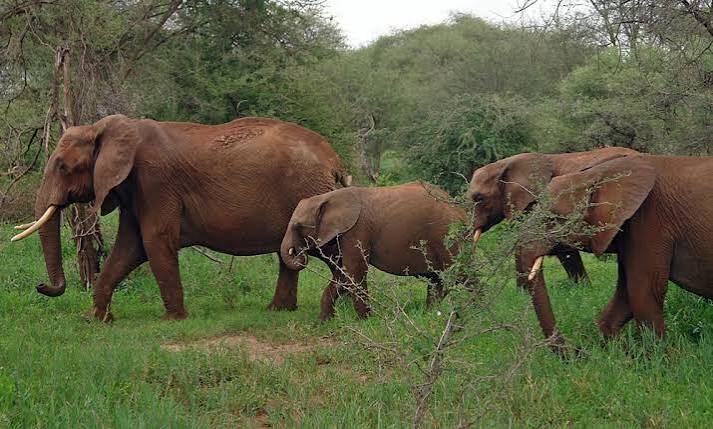
This makes a Rwanda Gorilla Safari and Big Five Safari attractive to first-time African visitors, honeymooners, families with eligible teenagers, photographers and travelers who have limited time.
The itinerary also offers strong variety. You are not repeating similar game drives every day. Each destination introduces a different landscape, climate, activity and wildlife-viewing style.
In Akagera, you may watch giraffes moving across an open plain, photograph elephants near a lake and listen for lions before sunrise. In Volcanoes, you follow trackers into dense vegetation and observe the behavior of a single gorilla family.
Kigali adds history, art, markets and contemporary Rwandan life. As a result, the complete trip becomes more than a wildlife checklist.
Rwanda Gorilla Safari and Big Five Safari at a Glance
The two core destinations are Volcanoes National Park and Akagera National Park.
Volcanoes National Park lies in northwestern Rwanda near Musanze. It is the destination for mountain gorilla trekking, golden monkey tracking, volcano hikes and conservation-focused visits.
Akagera National Park lies in eastern Rwanda along the border with Tanzania. It is the country’s only destination where visitors can search for all members of the Big Five in a natural protected landscape. Overview of Rwanda’s Big Five safari experience
Kigali International Airport is the main arrival point. Most travelers spend at least one night in Kigali, either after arriving or between the two parks.
A representative itinerary includes two nights in Akagera, one Kigali night and two or three nights near Volcanoes National Park. The exact sequence can be reversed according to permit availability, flight times and personal preference.
The essential experiences are:
- A full or extended game drive in Akagera National Park
- A Lake Ihema boat safari
- Mountain gorilla trekking in Volcanoes National Park
- A Kigali city experience
- Optional golden monkey tracking or a conservation visit
Although it is possible to compress the parks into a very short trip, additional time improves the chances of relaxed wildlife observation.
Understanding the Big Five in Rwanda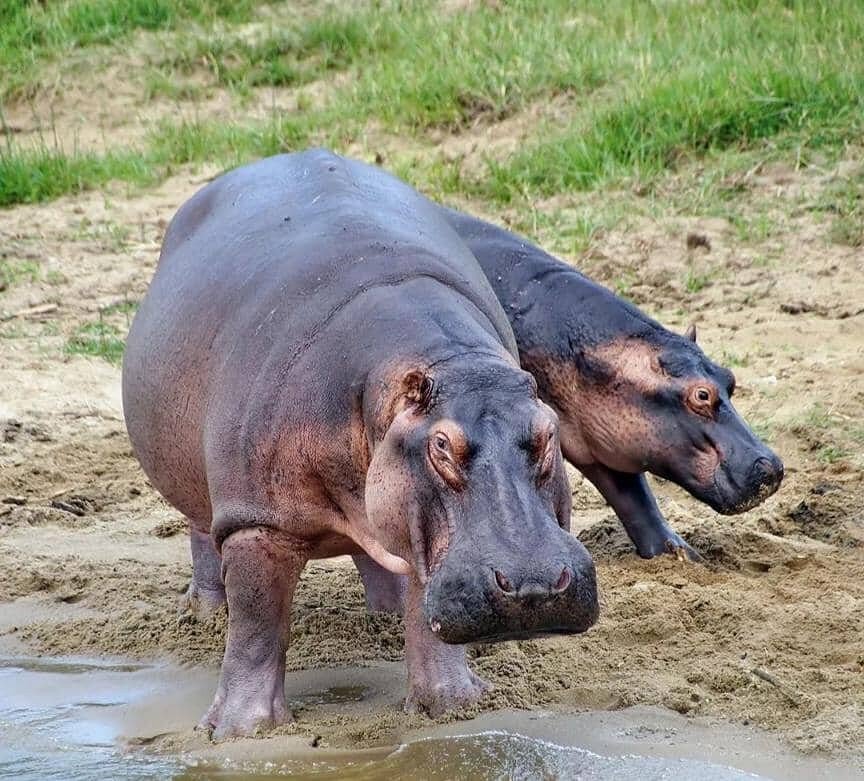
The term “Big Five” refers to the lion, leopard, elephant, rhinoceros and African buffalo. The phrase originated during the colonial hunting era, when these animals were considered particularly difficult and dangerous to pursue on foot.
Today, responsible travelers encounter them through photography and conservation-based tourism.
Akagera National Park is the only place in Rwanda where all five species occur. The restoration of lions and rhinoceroses helped establish the park as a complete Big Five destination.
However, “Big Five park” does not mean that every visitor will see every species. Wildlife is free to move across a large protected landscape. Elephants and buffaloes may be relatively easy to locate, while leopards and rhinoceroses can be more difficult.
The quality of an Akagera safari should not be judged only by whether all five animals appear. Giraffes, zebras, hippos, crocodiles, antelopes, monkeys and hundreds of bird species contribute to the experience.
A knowledgeable guide interprets the complete ecosystem instead of racing from one Big Five sighting to another.
Mountain Gorillas: Rwanda’s Most Famous Wildlife Experience
Mountain gorillas live only in a restricted area of East-Central Africa. Their habitat includes the Virunga mountain landscape shared by Rwanda, Uganda and the Democratic Republic of Congo, as well as Uganda’s Bwindi Impenetrable National Park.
In Rwanda, gorilla trekking takes place in Volcanoes National Park.
Habituated gorilla families have gradually become accustomed to the controlled presence of researchers, rangers and small visitor groups. Habituation does not make gorillas domesticated. They remain wild animals, and strict rules protect both visitors and the gorillas.
Mountain gorilla conservation is widely regarded as a significant wildlife success, although limited habitat and the risk of human disease remain serious concerns. Tourism revenue contributes to park management, monitoring and community programs.
The gorilla permit therefore pays for more than a single hour in the forest. It supports a regulated conservation system and limits the number of daily visitors.
Volcanoes National Park: Home of Rwanda’s Mountain Gorillas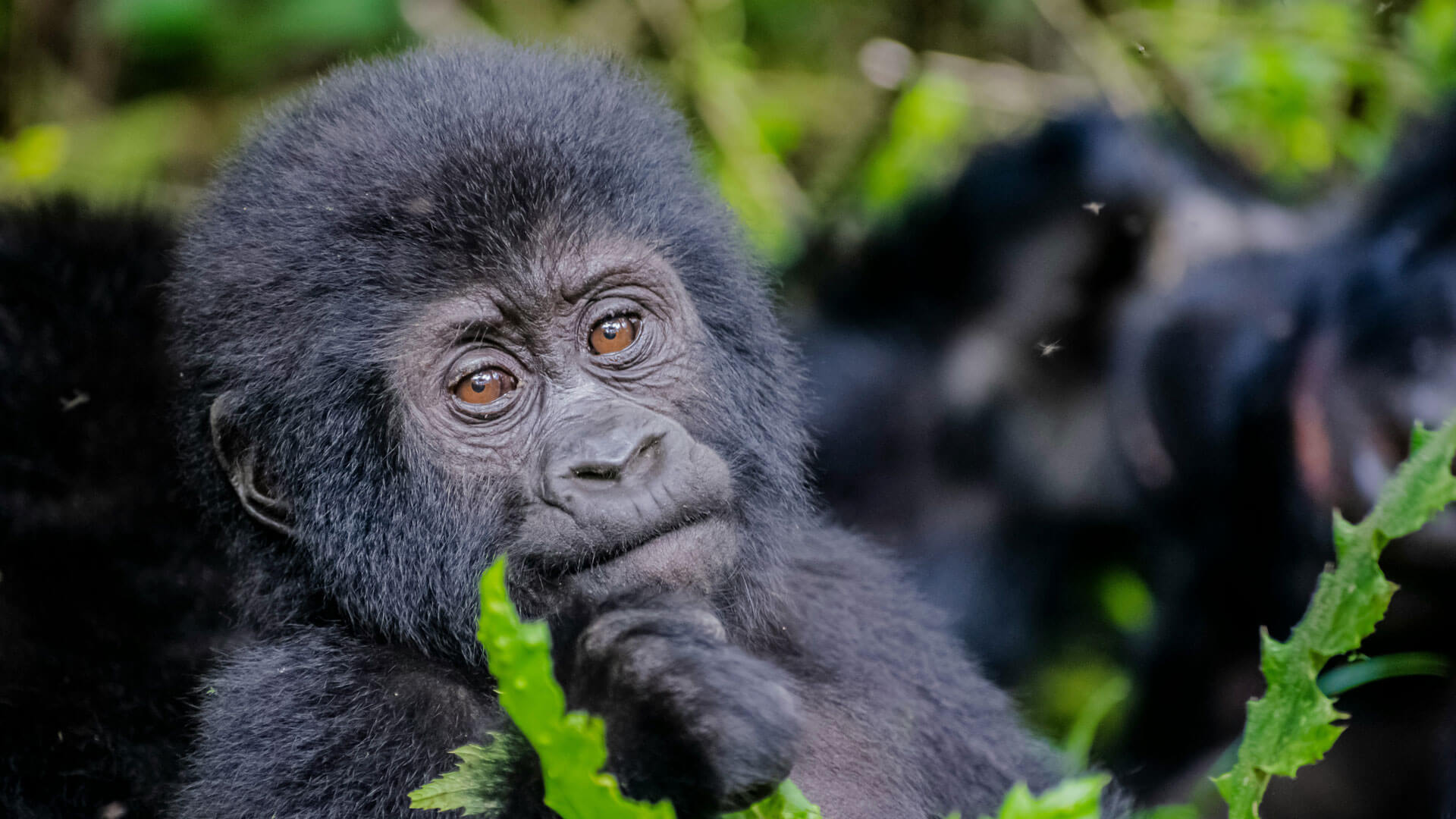
Volcanoes National Park lies within a landscape of volcanic peaks, bamboo forest and high-altitude vegetation.
Musanze is the main gateway city, while lodges are spread across Kinigi, Musanze and the broader foothills.
The park is associated with Dian Fossey’s gorilla research and continuing conservation work. Visitors can learn more about gorillas and the surrounding ecosystem through ranger interpretation and institutions such as the Ellen DeGeneres Campus of the Dian Fossey Gorilla Fund.
Volcanoes National Park offers more than gorilla trekking. Other activities include golden monkey tracking, hikes toward the Dian Fossey tomb area, volcano climbing and guided nature experiences.
The region also provides cultural programs, community visits, cycling, cave exploration and scenic trips to the Twin Lakes.
A stay of at least two nights is recommended for one gorilla trek. Three nights create room for an additional activity and a less rushed schedule.
Akagera National Park: Rwanda’s Big Five Destination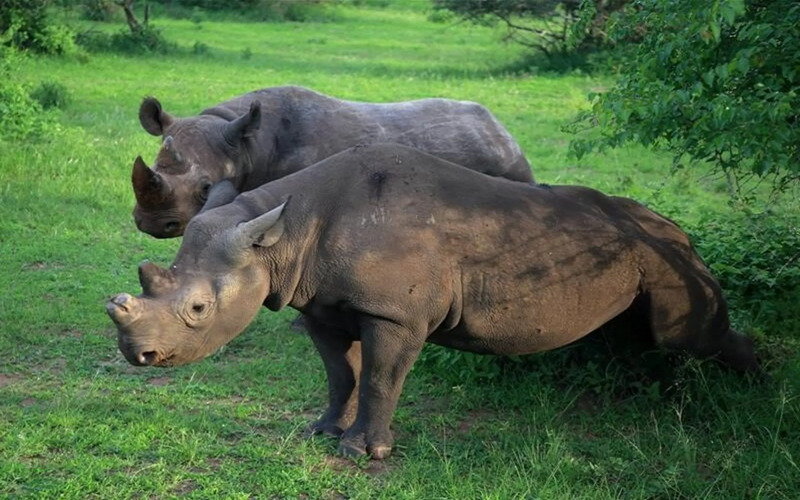
Akagera National Park protects an exceptional landscape of savannah, rolling hills, acacia woodland, wetlands and lakes.
Its eastern boundary follows the Akagera River system near Tanzania. The park’s wetlands support hippos, crocodiles and rich birdlife, while the northern plains provide productive game-viewing areas.
Akagera is sometimes compared unfairly with much larger safari ecosystems such as the Serengeti or Masai Mara. It offers a different experience: a compact, scenic and often uncrowded park that combines classic game drives with extensive wetland habitats.
Visitors may encounter elephants, buffaloes, giraffes, zebras, topi, impalas, waterbucks, warthogs, baboons and vervet monkeys. Predators include lions, leopards, spotted hyenas and smaller carnivores.
Rhinoceros sightings are possible but can require patience and guide knowledge.
Two nights are ideal for most travelers. This allows an afternoon boat trip, a morning or full-day game drive and time to appreciate the lodge setting.
The Conservation Story Behind Akagera
Akagera has undergone a major ecological recovery. Following periods of intense pressure on wildlife and habitat, stronger park management, law enforcement, community engagement and species restoration helped rebuild the ecosystem.
Lions were reintroduced after being absent from the park. Rhinoceroses were also restored, returning Akagera to Big Five status.
The park’s recovery demonstrates how conservation, tourism and local community cooperation can transform a protected area.
Visitors contribute through park fees, guided activities and accommodation. Choosing responsible operators and following wildlife-viewing rules supports this work.
The conservation story also creates an important connection with Volcanoes National Park. Both destinations demonstrate that tourism can generate funding and incentives for protecting threatened species.
A Rwanda Gorilla Safari and Big Five Safari is therefore not simply a journey between two parks. It is an opportunity to observe two different conservation models within one country.
How Gorilla Trekking in Rwanda Works
Gorilla trekking day begins early. Guests leave their lodge and travel to the park briefing area near Kinigi.
Park staff confirm registration and explain the trekking rules. Visitors are assigned to small groups and introduced to the ranger guide.
Allocation considers several operational factors. Travelers should inform their guide in advance about age, fitness, medical concerns or a preference for a less demanding hike. Nevertheless, no one can guarantee an easy route because gorillas move freely.
After the briefing, each group travels to its trailhead. The trek may begin through farmland before entering the forest.
Trackers move ahead and communicate with the ranger team. Once the gorillas are located, visitors leave walking sticks and unnecessary belongings with porters or at a safe point.
The ranger then guides the group toward the gorilla family. Visitors spend the regulated observation period watching feeding, resting, grooming and social behavior.
Afterward, the group returns to the trailhead and receives recognition for completing the experience.
How Long Does a Rwanda Gorilla Trek Take?
The complete activity may last from a few hours to most of the day.
Actual hiking time depends on the location of the assigned gorilla family, terrain, weather and group pace. Some families may be relatively close to the trailhead, while others require longer climbing.
Travelers should not plan a fixed early-afternoon flight or another tightly timed activity immediately after trekking.
Keeping the afternoon flexible allows time to return to the lodge, shower, eat and rest.
Visitors who finish early may add a relaxed cultural or conservation experience, but it is better to decide after the trek rather than creating pressure.
Rwanda Gorilla Permit Cost and Booking
The standard Rwanda gorilla trekking permit costs USD 1,500 per person per trek for an international visitor.
Permit conditions and any promotional categories can change. Travelers should confirm the rules applying to their nationality, residency status and travel dates before paying.
Permits are limited and can sell out during popular periods. Booking several months ahead is advisable, especially for June to September, December, January and February.
A permit is issued for a specific date. Names and passport details must match the booking requirements.
Universal Ventures Rwanda can arrange permits as part of a complete safari. Payment is normally required before the permit can be secured because operators must purchase it through the official system.
Travelers should request confirmation and keep a copy of the relevant booking information.
Gorilla Trekking Rules
Gorilla rules protect wildlife and visitors.
Trekkers must follow the ranger’s instructions, maintain the required distance, avoid sudden movement and keep voices low.
Flash photography is prohibited. Visitors should disable the flash before approaching the gorillas.
Eating, drinking and smoking are not permitted near the gorilla family. Travelers must not leave litter in the forest.
People with contagious illness may be prevented from trekking because gorillas are vulnerable to human respiratory infections.
Masks may be required as part of current health protocols. Follow the rules provided during the official briefing rather than relying on an old travel article.
If a gorilla approaches, remain calm and follow the ranger’s direction. Do not attempt to touch the animal.
What Gorilla Trekking Feels Like
The forest can be cool, wet and quiet. Rangers move steadily through bamboo, vines and mountain vegetation.
The first sign of the gorillas may be bent plants, nests or distant movement. Then the vegetation opens, and a dark shape becomes visible.
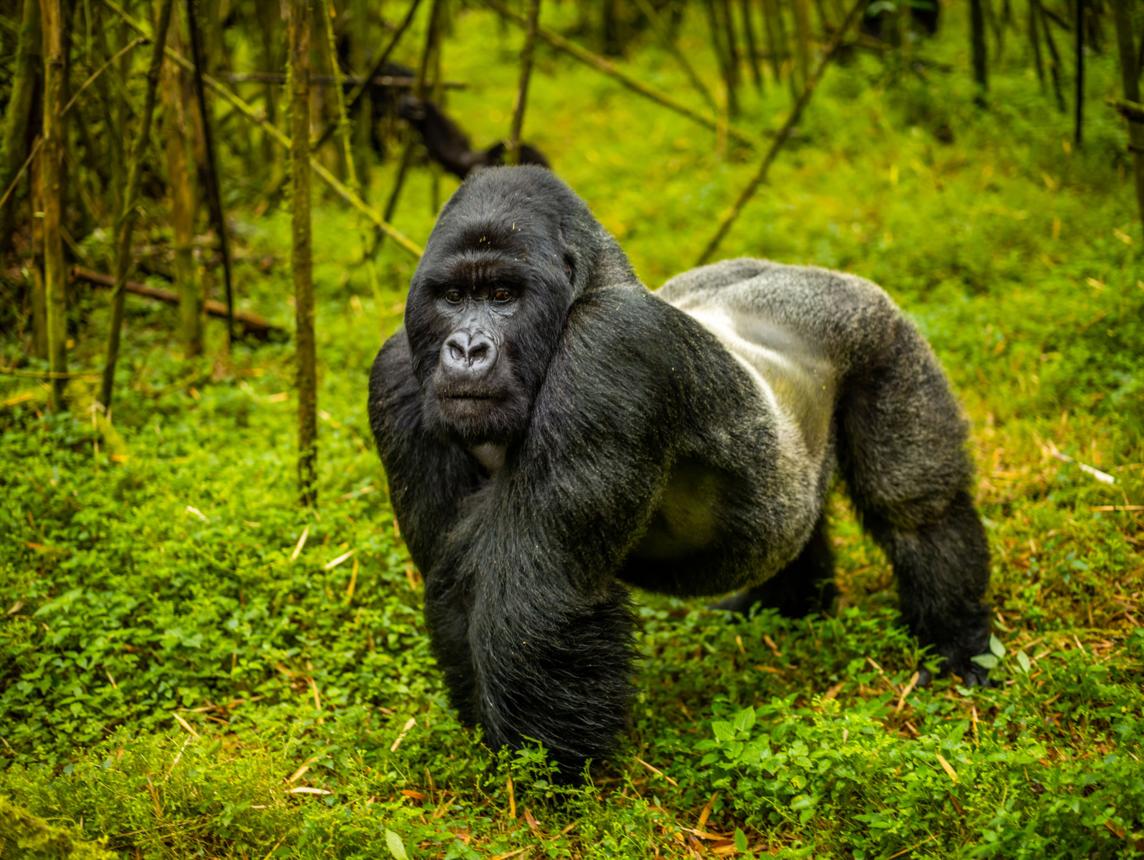
Seeing a silverback in the forest feels entirely different from viewing an animal in captivity. Its size is striking, yet the family’s behavior may be gentle and calm.
Juveniles climb, wrestle and investigate their surroundings. Females feed or rest with infants. The silverback monitors the group.
The observation period passes quickly. Travelers often describe it as emotional, humbling and difficult to capture fully in photographs.
Correct preparation allows you to experience the moment without being distracted by wet clothing, poor footwear or camera confusion.
What to Wear for Gorilla Trekking
Wear long quick-drying trousers and a breathable long-sleeved shirt. These protect the skin from vegetation, insects and stinging nettles.
Use waterproof hiking boots with good tread and ankle support. Break them in before traveling.
Tall hiking socks allow the trouser cuffs to be tucked in, reducing gaps where ants may enter. Gaiters add protection against mud, water and vegetation.
Gardening or hiking gloves protect the hands when moving through thick plants or using branches for support.
Carry a lightweight waterproof jacket even during drier months. The mountain forest receives moisture throughout the year.
A light fleece is useful during the cool morning, while a hat and sunscreen protect against strong sunlight in open areas.
Neutral colors such as olive, grey, brown and khaki are practical.
Hiring a Porter for Gorilla Trekking
Hiring a porter is recommended for almost every traveler, regardless of fitness.
The porter carries the daypack, helps on slippery sections and allows the visitor to conserve energy. This becomes particularly valuable if the trek is longer than expected.
Porter work also provides direct income for people living near the park. Some porters may be connected to communities that once depended heavily on forest resources.
Use the porter service even if your pack feels light at the trailhead. Rain gear, water and camera equipment feel heavier after several hours of climbing.
Discuss current porter rates and tipping guidance with your safari operator.
What Happens If You Are Not Very Fit?
Moderate fitness improves the experience, but visitors do not need to be elite athletes.
Walk regularly before the trip, including hills or stairs. Practice wearing your hiking boots and carrying a small daypack.
Inform the operator about fitness or mobility concerns before the permit date. The guide can communicate with park staff during allocation.
Use a porter and take a walking stick when offered. Maintain a steady pace and communicate openly with the ranger.
Specialized carrying assistance may be arranged for travelers with significant mobility limitations, subject to availability and local conditions. Such support must be discussed well in advance.
Because gorillas move, no operator can guarantee a short trek.
Game Drives in Akagera National Park
Akagera game drives take place in open or closed four-wheel-drive safari vehicles. A pop-up roof allows guests to stand safely for improved viewing.
Early morning drives are productive because temperatures are cooler and predators may still be active.
The park’s southern areas contain lakes, woodland and varied habitats. Northern Akagera has more open plains and can provide excellent sightings of giraffes, buffaloes, antelopes and other savannah wildlife.
A full-day south-to-north drive offers the most comprehensive experience. It allows the guide to move through different habitats and increases the time available for sightings.
Short half-day drives are possible, but they cover less ground.
Private vehicles provide greater flexibility for photographers, families and travelers with specific interests.
Can You See All the Big Five in One Day?
It is possible, but it should never be promised.
Buffaloes and elephants may be found relatively easily. Lions can be located with the help of an experienced guide, although they may rest in vegetation.
Leopards are naturally secretive and often active during lower-light periods. Rhinoceroses can also be difficult to locate in a large landscape.
Wildlife movements, vegetation, weather and visitor luck all affect sightings.
Two game-drive opportunities are better than a rushed single drive. Staying two nights allows a morning and afternoon activity or one complete day in the park.
A responsible guide focuses on quality observation rather than chasing a checklist.
Lake Ihema Boat Safari
A boat safari on Lake Ihema complements the land-based game drive.
The lake and surrounding wetlands support hippos, crocodiles, waterbirds and animals that approach the shoreline.
Commonly observed birds may include African fish eagles, kingfishers, herons, cormorants and other wetland species.
Scheduled boat trips operate at set times, while private departures may be available by advance arrangement.
A sunset or late-afternoon cruise can offer attractive light and cooler temperatures. Morning trips may suit birding-focused travelers.
Wear a hat, sunscreen and weather-appropriate clothing. Keep cameras secure and follow the boat guide’s safety instructions.
The boat safari deserves to be treated as a central Akagera experience rather than an optional filler.
Night Game Drives in Akagera
A night game drive reveals a different side of the park.
With an authorized guide and spotlight, visitors may search for nocturnal species such as hyenas, civets, genets, bush babies and other animals less visible during the day.
Lions and leopards may also be active, although sightings remain unpredictable.
Night drives operate under park regulations and must be arranged through authorized channels.
Wear a warm layer because temperatures may fall after sunset. Avoid using uncontrolled bright lights or flash photography unless the guide permits it.
A night drive works well for travelers staying at least two nights in Akagera.
Birdwatching in Akagera
Akagera is one of Rwanda’s most important birding destinations.
Its wetlands, lakes, savannah and woodland support an impressive variety of species. Birders may search for raptors, kingfishers, bee-eaters, waterbirds and papyrus-associated species.
The shoebill is one of the park’s most sought-after birds, though sightings are uncommon and never guaranteed.
A private boat or specialist birding guide can improve the experience for serious birdwatchers.
General safari travelers should also give birds attention. An African fish eagle calling above Lake Ihema or colorful bee-eaters near the road can be as memorable as a large mammal sighting.
Tell the operator in advance if birding is a major interest so the correct guide and pace can be arranged.
Best Time for a Rwanda Gorilla Safari and Big Five Safari
Rwanda can be visited throughout the year. The best period depends on trekking comfort, wildlife interests, budget and tolerance for rain.
June to September
This is a popular drier period.
Gorilla trails may be less muddy, although rain remains possible in Volcanoes National Park. Akagera wildlife can become easier to observe as animals gather near water and vegetation becomes less dense.
Demand for permits and accommodation is high, so early booking is important.
December to February
This shorter drier period is also popular.
Conditions can be favorable for game drives and trekking. International holiday travel may increase demand around Christmas and New Year.
Book permits and preferred lodges early.
March to May
These months generally receive more rain.
Volcanoes trails can become muddy and physically demanding. Akagera becomes green and scenic, with strong birding opportunities.
Lower visitor numbers can create a quieter experience, and some accommodations may offer seasonal value.
Waterproof clothing and a flexible schedule are essential.
October and November
A second wetter period commonly occurs during these months.
Rain can affect trails and park roads, but it also creates lush landscapes and dramatic photography.
The safari remains fully possible with correct preparation.
Is There a Bad Time to Visit?
There is no universally bad month.
Travelers seeking easier forest conditions may prefer the drier seasons. Birders and photographers may enjoy the green season.
Weather patterns vary, so every itinerary should include rain preparation.
How Many Days Do You Need?
Five days is the practical minimum for a meaningful combination when flight times cooperate.
A six-day itinerary provides a better pace. Seven days allows deeper exploration, an additional Volcanoes activity and more time in Kigali.
Eight to ten days can add Lake Kivu, Nyungwe Forest or a second gorilla trek.
Five-Day Safari
A five-day itinerary can include Kigali, one gorilla trek, an Akagera boat safari and a full game drive.
The schedule is active and requires efficient transfers.
Six-Day Safari
Six days allow two Akagera nights, two Volcanoes nights and one Kigali night.
This is an excellent balance for most travelers.
Seven-Day Safari
Seven days can add golden monkey tracking, the Ellen DeGeneres Campus, a cultural experience or additional rest time.
It is the strongest option for visitors traveling internationally specifically for Rwanda.
Longer Safari
A longer trip can include chimpanzee trekking in Nyungwe, the canopy walk, Lake Kivu, a second gorilla trek or cross-border Uganda experiences.
Recommended Six-Day Rwanda Gorilla Safari and Big Five Safari
Day 1: Arrival in Kigali
A representative welcomes you at Kigali International Airport and transfers you to your hotel.
Depending on arrival time, you may rest or complete a short city orientation.
An overnight stay in Kigali creates flexibility in case of flight delays and allows the safari to begin comfortably the following morning.
Day 2: Kigali to Akagera and Lake Ihema
After breakfast, travel east toward Akagera National Park.
The drive passes through rural communities and changing landscapes before reaching the park.
After check-in and lunch, enjoy a boat safari on Lake Ihema. Look for hippos, crocodiles and waterbirds along the shoreline.
Return to the lodge for dinner and overnight.
Day 3: Full-Day Akagera Game Drive
Begin early with a full-day game drive through Akagera.
Search for elephants, buffaloes, lions, rhinos, giraffes, zebras, antelopes and other animals. The guide selects routes according to recent wildlife movements and road conditions.
A picnic lunch may be enjoyed at an authorized location.
Continue toward the northern plains before returning to the lodge or exiting through the northern gate, depending on accommodation and route design.
Day 4: Akagera to Volcanoes National Park
Travel from eastern Rwanda through Kigali and onward to the northwestern highlands.
A Kigali lunch stop or selected city visit can break the journey.
Continue through Rwanda’s rolling countryside to Musanze or Kinigi.
Check into the lodge, prepare trekking equipment and enjoy an early dinner.
Day 5: Gorilla Trekking
Leave the lodge early for the gorilla trekking briefing.
After allocation, travel to the trailhead and begin the guided forest trek.
Spend the regulated viewing period with a habituated gorilla family, then return to the trailhead.
The afternoon remains flexible. Rest at the lodge or add a light cultural experience if time and energy allow.
Day 6: Kigali and Departure
After breakfast, return to Kigali.
Depending on flight time, visit the Kigali Genocide Memorial, a craft market or an art center.
Enjoy lunch before transfer to Kigali International Airport.
Travelers with a late flight may use a day room or add a longer city tour.
Seven-Day Rwanda Gorilla and Big Five Itinerary
A seven-day journey creates more breathing room.
Begin with a Kigali arrival night, followed by two nights in Akagera. After the boat safari and full game drive, return through Kigali or continue according to the selected route.
Spend three nights near Volcanoes National Park. Use one day for gorilla trekking and another for golden monkeys, a conservation visit or a Twin Lakes experience.
Return to Kigali on the final day.
This arrangement allows travelers to enjoy lodge facilities and reduces the sense of moving immediately after every major activity.
Should You Visit Akagera or Volcanoes First?
Both directions work.
Visiting Akagera first creates a gradual build toward the emotional highlight of gorilla trekking. It also allows travelers to recover from the international flight before completing the forest trek.
Visiting Volcanoes first may be necessary when gorilla permits are available only at the beginning of the trip. It can also be practical when the traveler wants to finish with a relaxing luxury stay in Akagera.
Flight schedules influence the decision. A late arrival usually requires a Kigali night before either park.
The best route is the one that matches permit availability, lodge space and efficient transfers.
Kigali’s Role in the Safari
Kigali is more than a transit point.
The city offers history, contemporary art, markets, restaurants and an introduction to modern Rwanda.
The Kigali Genocide Memorial provides essential historical context. Visitors should allow adequate time and approach the experience respectfully.
Kimironko Market offers an energetic view of local commerce, while art centers and galleries present Rwanda’s creative culture.
A city tour can include important viewpoints, neighborhoods and selected museums. It should not be overloaded with rushed stops.
Kigali also provides a logistical break between Akagera and Volcanoes. Lunch, luggage organization or a hotel night can make the safari more comfortable.
Golden Monkey Tracking
Golden monkey tracking is a popular second activity in Volcanoes National Park.
Golden monkeys move energetically through the bamboo forest, creating a lively contrast with the calmer gorilla encounter.
The trek is often less demanding than gorilla trekking, although terrain and weather still vary.
A separate permit is required. The standard international visitor permit has commonly been USD 100, but current rates should be confirmed before booking.
Wear the same protective forest clothing used for gorilla trekking.
Golden monkey tracking works well on the morning after the gorilla trek when travelers have three nights in the region.
Ellen DeGeneres Campus of the Dian Fossey Gorilla Fund
The Ellen DeGeneres Campus provides an engaging introduction to gorilla science and conservation.
Exhibits and interpretation help visitors understand gorilla behavior, habitat, research and the history of protection efforts.
The visit complements trekking because it places the encounter within a broader conservation story.
It can be scheduled on the arrival afternoon, after golden monkey tracking or during a free day.
Opening times, admission arrangements and available experiences should be confirmed in advance.
Gorilla Guardians and Cultural Experiences
Community and cultural visits can add human context to the safari.
Gorilla Guardians Village, formerly widely known as Iby’Iwacu Cultural Village, presents aspects of Rwandan traditions, crafts, music and community history.
A thoughtfully guided visit explains how former reliance on forest resources has shifted toward tourism and conservation-linked livelihoods.
Travelers should engage respectfully and avoid viewing culture merely as entertainment.
Ask before photographing individuals and follow local guidance concerning tips or purchases.
Other community activities may include cooking, basket weaving, agricultural visits and village walks.
Twin Lakes and Musanze Experiences
Lake Burera and Lake Ruhondo lie in the scenic northern highlands.
A Twin Lakes excursion can include viewpoints, walking, boating or community activities, depending on time and weather.
Musanze also offers caves, cycling and local market visits.
These experiences are useful for travelers who want more than trekking. They provide a slower view of the landscape and communities around Volcanoes National Park.
A full afternoon or separate day is preferable to rushing directly from a physically demanding gorilla trek.
Adding Lake Kivu
Lake Kivu adds relaxation to a Rwanda wildlife itinerary.
Popular bases include Gisenyi or Rubavu, Karongi and other lakeside areas. Activities may include boat trips, coffee experiences, kayaking and sections of the Congo Nile Trail.
From Volcanoes National Park, Rubavu is a practical extension. Travelers can spend one or two nights at the lake before returning to Kigali.
A Rwanda Gorilla Safari, Big Five Safari and Lake Kivu combination works particularly well for honeymooners and travelers who want recovery time after active wildlife experiences.
Swimming and boating should be undertaken only according to current local safety advice.
Adding Nyungwe Forest
Nyungwe Forest National Park expands the safari into a three-ecosystem journey.
The park is known for chimpanzee trekking, colobus monkeys, birding, forest hikes and the canopy walkway.
Because Nyungwe lies in southwestern Rwanda, adding it requires several extra days. A complete circuit may include Akagera, Kigali, Volcanoes, Lake Kivu and Nyungwe.
A nine- to twelve-day itinerary is more realistic than attempting to include all three national parks in one week.
Nyungwe’s forests are different from Volcanoes. Including both gives visitors a deeper understanding of Rwanda’s biodiversity.
Accommodation in Akagera National Park
Akagera offers accommodation across different comfort levels.
Ruzizi Tented Lodge
Ruzizi Tented Lodge provides an intimate tented experience near Lake Ihema.
The natural setting, elevated walkways and small scale appeal to travelers seeking atmosphere and closeness to the park environment.
Canvas tents have proper beds and private facilities, so this is not basic camping.
Mantis Akagera Game Lodge
Mantis Akagera Game Lodge is a larger property with extensive facilities and convenient park access.
It suits families, groups and travelers who prefer a conventional lodge format.
Room categories and exact inclusions should be confirmed when booking.
Magashi Camp
Magashi provides an exclusive luxury experience in northern Akagera.
Its location is suitable for high-end travelers interested in privacy, specialist guiding and an immersive wildlife setting.
Rates are considerably higher than standard lodge options, but the experience includes a different level of exclusivity.
Budget and Park-Edge Accommodation
More affordable options may be available near park entrances or in surrounding communities.
These can reduce costs, although visitors should consider daily driving time and park-entry arrangements.
Accommodation Near Volcanoes National Park
Volcanoes accommodation ranges from guesthouses to some of Africa’s most exclusive gorilla lodges.
Luxury Gorilla Lodges
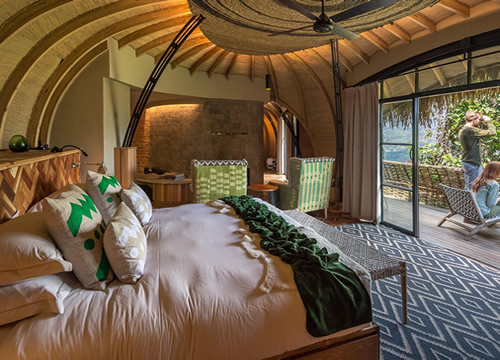
One&Only Gorilla’s Nest, Bisate Lodge, Singita Kwitonda Lodge and other high-end properties provide exceptional design, service and location.
Luxury inclusions may involve meals, selected drinks, laundry, spa elements or personalized activities. Confirm the specific package.
Upper-Midrange and Comfortable Lodges
Five Volcanoes Boutique Hotel, Tiloreza Eco Lodge, Ingagi Park View Lodge and similar properties offer comfortable rooms, good meals and practical trekking access.
These are strong choices for travelers who want a high standard without ultra-luxury pricing.
Midrange and Budget Options
Le Bambou Gorilla Lodge, Da Vinci Gorilla Lodge, Kinigi Cottage, Fatima Hotel and guesthouses in Musanze serve different price levels.
Location should be compared with the trekking briefing point and trailhead arrangements.
The lowest room rate is not always the best value if it creates additional transport or an unnecessarily early departure.
Accommodation in Kigali
Kigali has international hotels, boutique properties and comfortable midrange accommodation.
Luxury and upscale choices include Kigali Marriott Hotel, Radisson Blu Hotel and Convention Centre, Hôtel des Mille Collines and other established properties.
Four Points by Sheraton Kigali, Park Inn by Radisson and M Hotel can suit travelers seeking comfortable city accommodation at different price levels.
Boutique guesthouses and local hotels provide additional options.
Select a hotel according to arrival time, city activities and onward route. Airport transfers should be confirmed, especially for flights arriving after midnight.
How Much Does a Rwanda Gorilla and Big Five Safari Cost?
The cost depends on the number of travelers, trip length, accommodation, vehicle type, season and activities.
The gorilla permit is the largest fixed component at USD 1,500 per international visitor per trek.
Other costs include Akagera park entry, vehicle entry, guiding, boat activities, accommodation, meals, fuel, the professional driver-guide and airport transfers.
A private safari becomes more cost-effective per person as vehicle expenses are shared among more travelers.
Luxury lodging can increase the price substantially. Ultra-luxury gorilla properties may cost more per night than the gorilla permit.
Midrange accommodation provides excellent value and leaves more budget for additional activities.
Request a quotation showing exactly what is included and excluded. Avoid comparing only the final headline figure when itineraries use different lodges, meal plans or activity schedules.
Budget, Midrange and Luxury Safari Differences
A budget safari uses simple accommodation while maintaining essential permits, transport and guiding.
Rooms may have fewer amenities, but they should remain clean and safe. Some meals may be simpler.
A midrange safari provides private en-suite rooms, dependable meals and established lodges. This category offers the strongest overall value for many travelers.
A luxury safari adds premium accommodation, more personalized service, exclusive settings and possible lodge-based inclusions.
The gorilla encounter and park regulations remain the same regardless of accommodation category. Luxury changes the comfort around the trek, not the fundamental wildlife experience.
Private Versus Group Safari
A private safari provides a dedicated vehicle and guide.
Travelers control the pace within park and permit rules. Photographers can spend longer at sightings, families can include breaks and couples enjoy privacy.
The cost is higher for solo travelers because vehicle expenses are not shared.
A group safari reduces cost and can be sociable. However, departure times, game-drive decisions and transfer stops must suit everyone.
Confirm the maximum group size and vehicle seating arrangement. Every traveler should have suitable window and roof access during Akagera game drives.
Rwanda Gorilla Safari and Big Five Safari for Families
This safari can work well for families with teenagers.
Gorilla trekking has a minimum age of 15. Travelers below the required age cannot join the standard trek, even when physically fit.
Akagera game drives and boat safaris are suitable for a wider range of ages, subject to lodge and activity rules.
Families should choose a vehicle with adequate space and book family rooms early.
A private itinerary allows rest breaks and a manageable schedule. Avoid consecutive very long days.
Parents traveling with children below the gorilla age can arrange alternative activities and supervision, but these must be confirmed before booking.
Honeymoon Safari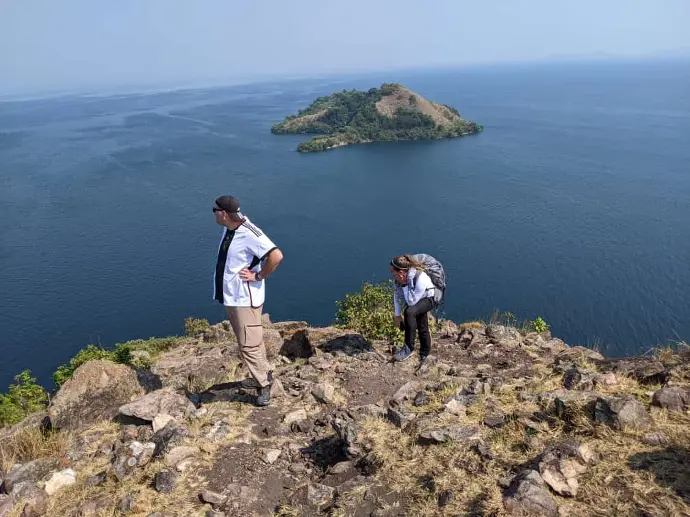
Rwanda is an outstanding honeymoon destination.
A private gorilla trek day, luxury forest lodge and Akagera tented camp combine adventure with romance.
Add Lake Kivu for relaxation or choose a lodge offering a spa, private dining and exceptional views.
Inform the operator that the trip is a honeymoon. Special arrangements may be possible, although complimentary upgrades are not guaranteed.
Spend at least two nights in each principal park. Constant packing reduces the value of premium accommodation.
Solo Travelers
Solo visitors can complete the full journey safely and comfortably with a private guide.
The principal disadvantage is cost because the vehicle and room are not shared.
Joining a small group may reduce the price, but confirm room arrangements and itinerary flexibility.
A private safari can be particularly rewarding for solo photographers, birders and travelers who enjoy detailed guide interaction.
Choose established accommodation and ensure that airport pickup details are clear before arrival.
Senior Travelers and Accessibility
Rwanda’s short distances make it attractive to older travelers, but gorilla trekking still requires preparation.
Discuss fitness, joint problems and mobility limitations before booking. Lodge access can involve steps or uneven paths.
Use a porter during the trek and accept a walking stick. Specialized carrying assistance may be available when arranged early.
Akagera game drives require entering and exiting a safari vehicle. Ask about step height and seating comfort.
A private itinerary allows slower transfers, rest afternoons and personalized support.
Photography Guide
Rwanda offers two distinct photographic environments.
Akagera provides open light, long wildlife views and opportunities for telephoto photography. A lens in the moderate-to-long telephoto range is useful, while a wider lens captures landscapes.
Volcanoes National Park is darker and more confined. Gorillas may be close, so an extremely long lens is not always necessary. A fast zoom provides flexibility.
Flash is prohibited around gorillas. Learn how to disable it before trekking.
Carry spare batteries, memory cards, a rain cover and microfiber cloths.
Use a secure strap and limit lens changes in wet or dusty conditions.
A private Akagera vehicle gives photographers greater control over positioning and sighting duration.
What to Pack for the Complete Safari
Packing must account for cool rainforest and warmer savannah.
For Volcanoes, bring hiking boots, long trousers, a long-sleeved shirt, gloves, tall socks, gaiters, a fleece and a waterproof jacket.
For Akagera, wear lightweight neutral clothing, a sun hat, sunglasses and comfortable closed shoes. A warm layer is useful during early or night drives.
Carry sunscreen and insect repellent for both parks.
Use soft-sided luggage if your itinerary includes small-aircraft flights. Check current baggage restrictions.
Bring a universal Type G adapter, power bank, reusable water bottle and any prescribed medication.
Keep the gorilla trekking essentials in hand luggage when flying internationally in case checked baggage is delayed.
Health and Safety
Consult a qualified travel-health professional before visiting Rwanda.
Discuss routine vaccinations, malaria prevention and any personal medical needs.
Carry adequate travel insurance covering medical treatment, evacuation, cancellation and activities included in the itinerary.
Follow food and water guidance. Drink treated or safely bottled water.
Around gorillas, comply with all health protocols. Do not trek when suffering from a contagious illness without informing the park team.
In Akagera, remain inside the vehicle unless the guide confirms that leaving it is permitted at an authorized location.
Never approach or feed wildlife.
Rwanda Entry Requirements
Entry and visa requirements depend on nationality and can change.
Travelers should confirm current information through official Rwandan immigration channels before departure.
A passport normally needs sufficient validity and blank pages. Those combining Rwanda with another East African country should investigate the appropriate visa category.
Yellow fever certificate requirements depend on travel history and origin.
Do not rely solely on an old blog for immigration or health rules.
Your safari operator can provide practical guidance, but border authorities make the final decision.
Responsible Safari Behavior
Responsible tourism protects wildlife and improves the visitor experience.
Maintain the distance required by rangers and avoid blocking animals with the safari vehicle.
Do not pressure the guide to drive off authorized tracks or disturb wildlife for a photograph.
Keep voices low at sightings. Never play recorded animal calls without proper authorization.
Carry all waste out of the forest and use refillable bottles where practical.
Purchase crafts through reputable community businesses and ask permission before photographing people.
Follow lodge guidance on water and electricity conservation.
Common Planning Mistakes
The first mistake is waiting too long to reserve gorilla permits.
Another is spending only a few hours in Akagera and expecting to see every member of the Big Five.
Travelers also underestimate the importance of correct trekking boots. New or unsuitable footwear can cause discomfort on muddy terrain.
A rushed itinerary may place Akagera, Volcanoes and an international flight on consecutive tightly scheduled days.
Some visitors compare quotations without checking accommodation or inclusions. A lower price may exclude the gorilla permit, boat safari, park fees or meals.
Another mistake is treating Kigali only as an airport. The city adds important historical and cultural understanding.
Finally, do not expect wildlife guarantees. Ethical safari planning provides strong opportunities, not staged encounters.
Is a Rwanda Gorilla Safari and Big Five Safari Worth It?
Yes, for travelers who want variety within a relatively compact journey.
Rwanda provides a rare combination of mountain gorillas and Big Five wildlife without requiring flights between multiple countries.
The experience is especially valuable for visitors with limited time, travelers who prefer private safaris and people who want strong conservation stories alongside wildlife.
The trip is not inexpensive because the gorilla permit represents a major cost. However, the encounter is highly regulated, limited and directly connected to conservation.
Akagera expands the trip beyond primates and shows a different side of Rwanda.
Together, the two parks create a complete African wildlife adventure.
Frequently Asked Questions
Can you see gorillas and the Big Five in Rwanda?
Yes. Mountain gorillas are trekked in Volcanoes National Park, while the Big Five live in Akagera National Park.
Where can I see the Big Five in Rwanda?
Akagera National Park is Rwanda’s only Big Five destination.
What animals make up the Big Five?
The lion, leopard, elephant, rhinoceros and African buffalo make up the Big Five.
Are Big Five sightings guaranteed?
No. Wildlife moves freely, and leopards or rhinoceroses can be difficult to locate. More time in Akagera improves opportunities.
How many days do I need?
Five days is a practical minimum. Six or seven days provide a better pace.
How much is a Rwanda gorilla permit?
The standard international visitor permit costs USD 1,500 per person per trek. Confirm current eligibility and conditions before booking.
How long can I stay with the gorillas?
Standard trekking generally includes one regulated hour with the gorilla family after it is located, subject to park rules.
Is gorilla trekking difficult?
It can range from moderate to challenging. Difficulty depends on gorilla location, terrain, weather and fitness.
Can I request an easy gorilla trek?
You can communicate your needs, and they may be considered during allocation. However, an easy trek cannot be guaranteed because gorillas move.
Should I hire a porter?
Yes. A porter carries your bag, assists on difficult terrain and receives valuable local employment.
What is the minimum gorilla trekking age?
The standard minimum age is 15.
What should I wear?
Wear hiking boots, long trousers, a long-sleeved shirt, tall socks, gloves, gaiters and a waterproof jacket.
When is the best time to visit?
June to September and December to February are popular drier periods. Rwanda remains visitable throughout the year.
Is Akagera worth visiting for only one day?
A day trip is possible, but an overnight stay provides better wildlife opportunities and allows time for a boat safari.
How many nights should I spend in Akagera?
Two nights are ideal for most travelers.
How many nights do I need near Volcanoes National Park?
Two nights are the minimum for one gorilla trek. Three nights allow another activity and more relaxation.
Can I take a boat safari?
Yes. Lake Ihema boat safaris offer hippos, crocodiles and birdlife.
Are night drives available?
Authorized night drives may be arranged in Akagera, subject to current park operations and advance booking.
Can I add golden monkey trekking?
Yes. Golden monkey tracking is an excellent second Volcanoes activity and requires a separate permit.
Can I combine Rwanda with Uganda?
Yes. Kigali can serve as a starting or finishing point for Bwindi, Mgahinga, Queen Elizabeth or other Uganda destinations.
Is Rwanda suitable for first-time safari travelers?
Yes. The country’s road connections, professional tourism services and compact route make it accessible to first-time visitors.
Is the safari good for children?
Akagera suits many family age groups. Gorilla trekking is limited to eligible visitors aged at least 15.
Is Rwanda good for a honeymoon?
Yes. Luxury gorilla lodges, private vehicles, Akagera camps and Lake Kivu create an excellent honeymoon combination.
Do I need a four-wheel-drive vehicle?
A suitable four-wheel-drive safari vehicle is recommended for Akagera and provides comfortable transfers throughout the itinerary.
Can I do the safari from Kigali?
Yes. Both parks are reached by road from Kigali. Akagera can be visited as a day trip, while Volcanoes also supports short itineraries.
Should I visit gorillas or Akagera first?
Either direction works. The final route should follow permit availability, flight schedule and lodge space.
Can I see chimpanzees on the same trip?
Yes, but you must add Nyungwe Forest and several extra days.
Is Rwanda expensive?
Rwanda can be experienced at midrange or luxury levels, but the USD 1,500 gorilla permit creates a high fixed cost.
What is usually included in a safari package?
Packages may include accommodation, meals, transport, guiding, permits, park fees, boat trips and airport transfers. Always verify the written inclusions.
Are tips included?
Tips are normally discretionary and excluded unless the quotation states otherwise.
How far in advance should I book?
Book several months ahead. For peak dates, exclusive lodges or groups, earlier planning is recommended.
Final Thoughts
A Rwanda Gorilla Safari and Big Five Safari brings together two dramatically different wildlife worlds.
Akagera offers open horizons, large mammals, wetland birds and the excitement of searching for predators from a safari vehicle. Volcanoes National Park provides an intimate journey on foot into the habitat of mountain gorillas.
Neither experience diminishes the other. The savannah makes the forest feel more mysterious, while the gorilla encounter adds emotional depth to the traditional Big Five safari.
Rwanda’s manageable distances allow these experiences to fit into one carefully planned itinerary. Kigali adds history and culture, while golden monkeys, Lake Kivu or Nyungwe can expand the journey.
Success depends on reserving permits early, allowing enough time in each park and choosing a knowledgeable local operator.
Prepare for changing weather, long but scenic transfers and unpredictable wildlife. Then allow the journey to unfold.
You may return home with photographs of lions, elephants or a powerful silverback. More importantly, you will carry a deeper appreciation for Rwanda’s landscapes, people and conservation achievements.
Plan Your Rwanda Gorilla Safari and Big Five Safari
Universal Ventures Rwanda organizes private and customized gorilla trekking and wildlife safaris throughout Rwanda.
Our team can arrange Rwanda gorilla permits, Akagera game drives, Lake Ihema boat safaris, private four-wheel-drive transport, professional guides, accommodation and airport transfers.
We create budget-conscious, midrange, luxury, family, honeymoon, solo and group itineraries. Your journey can include Volcanoes National Park, Akagera National Park, Kigali, Lake Kivu, Nyungwe Forest, golden monkey tracking and cultural experiences.
We also arrange combined Rwanda and Uganda safaris for travelers who want to add Bwindi, Mgahinga, Kibale or Queen Elizabeth National Park.
Every itinerary is tailored to your dates, preferred accommodation, interests and budget. We clearly explain permits, inclusions, driving times and payment conditions before confirmation.
Contact Universal Ventures Rwanda to begin planning your complete gorilla and Big Five adventure.
Universal Ventures Rwanda
Telephone and WhatsApp: +250 781 441 853
Email: info@universalventuresrwanda.com
Address: KN 15 Road, opposite IPRC Entrance, 1st Floor, SANGWA Plaza, Kigali, Rwanda
Website: www.universalventuresrwanda.com

Related Posts


Comments (0)