 Skip to content
Rwanda Safari with Nyungwe Canopy Walk: Complete Travel Guide A Rwanda Safari with Nyungwe Canopy…
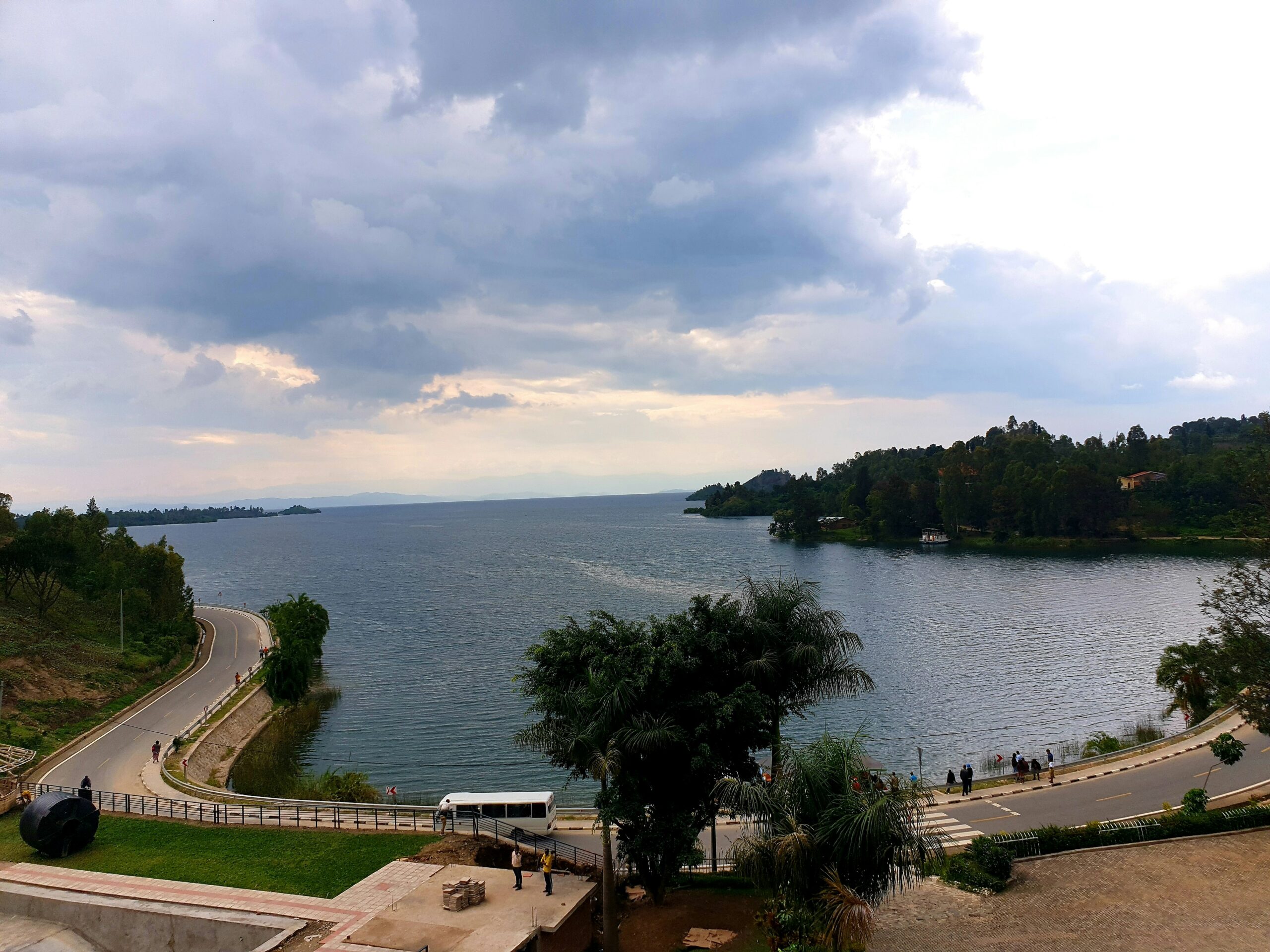
Rwanda Safari and Congo Nile Trail Adventure
A Rwanda Safari and Congo Nile Trail Adventure offers far more than a normal wildlife holiday. It combines close encounters with mountain gorillas, game drives across open savannah, Lake Kivu boat trips, coffee tours, cycling, hiking, and genuine cultural experiences. Therefore, it is ideal for travellers who want both wildlife and active exploration.
Rwanda is often called the Land of a Thousand Hills. The name feels especially accurate along the Congo Nile Trail. Green ridges rise above Lake Kivu, while coffee farms, banana plantations, fishing communities, and small villages fill the valleys. Every turn reveals another beautiful view. Moreover, the route allows visitors to meet local people and discover everyday life beyond Rwanda’s national parks.
The adventure can begin in Kigali and continue to Akagera National Park for a traditional Big Five safari. Afterwards, travellers can visit Volcanoes National Park for gorilla trekking and golden monkey tracking. From there, the journey reaches Rubavu and follows selected sections of the Congo Nile Trail beside Lake Kivu. Longer holidays can continue south to Nyungwe National Park for chimpanzee trekking and a canopy walk.
The official Congo Nile Trail extends for approximately 227 kilometres between Rubavu and Rusizi. It follows Rwanda’s Lake Kivu region and can be explored on foot, by mountain bike, or through shorter guided excursions. The entire route usually takes about five days by bicycle or around ten days on foot. However, most safari visitors choose one to four stages and combine them with other Rwanda attractions. Visit Rwanda
This guide explains how to plan the journey. It covers wildlife destinations, trail options, accommodation, weather, transport, packing, safety, costs, itineraries, and responsible travel. As a result, you can use it to design a short active safari or a complete Rwanda circuit.
What Is a Rwanda Safari and Congo Nile Trail Adventure?
A Rwanda Safari and Congo Nile Trail Adventure is a multi-experience holiday that connects Rwanda’s wildlife parks with its western hiking and cycling route. Unlike a safari that focuses only on game drives, this journey places travellers directly inside the landscape.
A typical itinerary includes Kigali, Akagera National Park, Volcanoes National Park, Lake Kivu, and the Congo Nile Trail. Longer versions may add Nyungwe National Park, Huye, Gishwati-Mukura National Park, or several nights in Karongi. Each destination adds a different experience.
Akagera provides classic African wildlife viewing. Volcanoes National Park offers mountain gorilla trekking, golden monkeys, volcanic scenery, and cultural activities. Lake Kivu provides relaxation, boat tours, coffee experiences, and water-based adventures. Meanwhile, the Congo Nile Trail introduces visitors to Rwanda’s rural landscapes through hiking and cycling.
Nyungwe adds chimpanzees and ancient rainforest. Consequently, a well-planned itinerary can move from savannah to mountains, lake shores, cultivated hills, and tropical forest within one country.
This variety is one of Rwanda’s greatest advantages. Driving distances are shorter than those in many larger safari destinations. Roads between the main tourism centres are also generally good. Therefore, travellers spend less time crossing huge empty distances and more time enjoying activities.
Why This Rwanda Adventure Is Different
Many African safari holidays follow a simple pattern. Travellers drive between parks, complete several game drives, and stay at lodges. That experience can be excellent. However, it does not always provide direct contact with local landscapes and communities.
The Congo Nile Trail changes the pace. Instead of watching the countryside through a vehicle window, travellers walk or cycle through it. They hear children greeting them from village paths. They see coffee farmers caring for their crops. In addition, they pass fishermen, local markets, churches, schools, and hillside homes.
This slower form of travel creates stronger memories. A challenging climb becomes part of the story. A cup of locally grown coffee gains meaning after visiting the plantation. Even a simple roadside rest can become a cultural encounter.
The combination also suits different travel styles. Wildlife lovers can focus on Akagera and gorilla trekking. Active visitors can complete several trail stages. Couples may choose private lodges and romantic Lake Kivu sunsets. Families can select short walks and boat trips. Meanwhile, photographers gain access to wildlife, people, forests, volcanoes, and lakeside landscapes.
Most importantly, the itinerary can be customised. You do not have to complete all 227 kilometres. A one-day Congo Nile Trail hike can fit into a seven-day Rwanda safari. Alternatively, a full cycling expedition can become the centre of a two-week adventure.
Where Is the Congo Nile Trail in Rwanda?
The Congo Nile Trail follows the eastern side of Lake Kivu in western Rwanda. It begins around Rubavu in the north and continues south toward Rusizi. Along the way, the route passes through hills, villages, plantations, lake viewpoints, and towns such as Karongi.
Despite its name, the tourism trail does not enter the Democratic Republic of Congo. It stays within Rwanda. The name refers to the watershed that separates two major African drainage systems. Water on one side eventually joins the Congo Basin, while water on the other side flows toward the Nile Basin.
Lake Kivu remains the main geographical feature throughout the journey. It forms part of Rwanda’s western border and lies between Rwanda and the Democratic Republic of Congo. Its mountainous shoreline gives the trail its dramatic character.
The complete route covers about 227 kilometres. Nevertheless, the word “trail” can be slightly misleading. It is not one narrow footpath from beginning to end. Instead, the journey uses a mixture of rural roads, village tracks, dirt paths, paved sections, and lakeside routes.
Terrain conditions vary. Some stretches are smooth and comfortable. Others include loose stones, mud, sharp climbs, or long descents. For that reason, travellers should select sections according to fitness, weather, and experience.
How Long Is the Congo Nile Trail?
The complete Congo Nile Trail is approximately 227 kilometres long. Official tourism information suggests around five days for cycling and ten days for hiking. Yet these figures should be treated as general guidance rather than fixed rules.
Strong mountain bikers may cover longer distances each day. Recreational cyclists may need more time, especially if they want to stop for photography and village visits. Likewise, experienced hikers can move faster than casual walkers. Weather also affects progress.
Heavy rain may soften dirt roads and create slippery sections. Hot sun can make exposed climbs harder. Furthermore, a traveller interested in cultural activities will cover less distance than someone focused only on physical performance.
Shorter trips are easy to arrange. Visitors can complete a half-day walk, one full-day hike, or two days of cycling. These options work well within a normal Rwanda safari itinerary.
Main Highlights of a Rwanda Safari and Congo Nile Trail Adventure
Mountain Gorilla Trekking in Volcanoes National Park
Mountain gorilla trekking is the most famous wildlife experience in Rwanda. Volcanoes National Park protects forested slopes within the Virunga Massif. It is home to endangered mountain gorillas, golden monkeys, forest birds, and several other animals.
The trekking day starts early. Visitors meet at the park headquarters for registration, a briefing, and group allocation. Rangers explain how to behave near the gorillas. They also discuss hiking conditions and assign groups according to several practical factors.
After the briefing, visitors travel to the starting point. The trek then continues through farmland, bamboo zones, or dense mountain forest. Its length varies because gorillas move freely. One group may locate them relatively quickly, while another may walk for several hours.
Once the gorillas are found, visitors observe them for the time allowed under park regulations. The encounter is calm, emotional, and highly memorable. Young gorillas may play near their mothers. Adults feed, rest, or move through the vegetation. Meanwhile, the silverback keeps watch over the family.
Gorilla trekking combines naturally with the Congo Nile Trail. Volcanoes National Park is located near Rwanda’s northwestern tourism corridor. Therefore, travellers can trek the gorillas and continue to Rubavu without returning to Kigali.
A Rwanda gorilla permit costs USD 1,500 per person under the standard international visitor rate. Since permits are limited, early booking is important. Peak travel months can sell out well in advance.
Golden Monkey Tracking in Rwanda
Golden monkey tracking is another exciting activity in Volcanoes National Park. The monkeys live mainly in the park’s bamboo forest. They are colourful, active, and fast-moving. As a result, the experience feels very different from gorilla trekking.
The hike is usually less demanding than many gorilla treks. However, conditions depend on the monkey troop’s location. Visitors follow rangers into the bamboo zone and watch the monkeys feed, jump, and interact.
Golden monkey tracking works well on the day before or after gorilla trekking. Afterwards, travellers can visit the Ellen DeGeneres Campus of the Dian Fossey Gorilla Fund, enjoy a cultural tour, or transfer to Lake Kivu.
Akagera National Park Big Five Safari
Akagera National Park lies in eastern Rwanda near the Tanzanian border. Its environment contrasts strongly with the mountainous west. Open plains, woodlands, wetlands, lakes, and low hills create a classic savannah landscape.
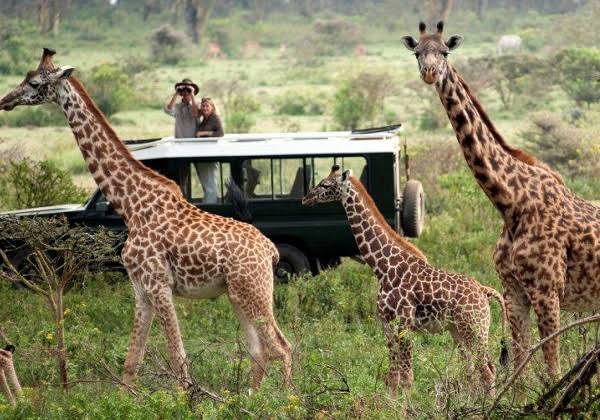
The park is home to the Big Five: lion, leopard, elephant, buffalo, and rhinoceros. Other animals include giraffes, zebras, hippos, crocodiles, baboons, monkeys, warthogs, and many antelope species. Akagera also supports rich birdlife.
Game drives are best during the cooler morning and late-afternoon hours. Animals are often more active then. However, a full-day northbound game drive can cover more of the park and reach different habitats.
A knowledgeable safari guide improves the experience. Guides recognise tracks, alarm calls, feeding signs, and animal behaviour. In addition, they understand where wildlife has recently been seen.
Visitors should remember that Akagera is a natural ecosystem. Wildlife sightings cannot be guaranteed. Nevertheless, patient game viewing often produces rewarding encounters.
Lake Ihema Boat Safari
Lake Ihema is one of Akagera’s most popular attractions. A boat safari offers a different view of the park’s wetlands. Hippos, crocodiles, waterbirds, and animals visiting the shore may be seen during the trip.
Morning boat tours often provide soft light and active birdlife. Sunset trips create warmer colours and a relaxed atmosphere. Therefore, travellers staying two nights in Akagera can combine a game drive with a boat experience.
The boat safari is also helpful for visitors who want a break from driving. After several hours in a safari vehicle, time on the water feels refreshing.
Kigali City and Cultural Experiences
Kigali is more than a place to arrive and depart. The city introduces visitors to Rwanda’s history, recovery, creativity, and modern development.
The Kigali Genocide Memorial is one of the country’s most important sites. A respectful visit helps travellers understand the 1994 Genocide against the Tutsi and Rwanda’s journey since that period. Enough time should be allowed for the exhibitions and memorial gardens.
Other Kigali experiences may include art galleries, local markets, neighbourhood tours, coffee shops, and craft centres. Kimironko Market offers a colourful look at everyday trade. Meanwhile, local art spaces highlight Rwanda’s growing creative sector.
A city tour can be arranged on the first or final day. However, international flight times should guide the schedule.
Lake Kivu Boat Trips and Island Visits
Lake Kivu provides a calm break between mountain trekking and trail activities. Its shoreline is surrounded by green hills, settlements, beaches, and small harbours.
Boat trips can visit islands, fishing areas, and scenic bays. In Karongi, the lake is dotted with attractive islands and peninsulas. Rubavu offers broad shoreline views and easy access from Volcanoes National Park.
Kayaking is another excellent activity. It allows travellers to move quietly along the shore while enjoying mountain scenery. Guided kayaking is preferable because local professionals understand weather, boat traffic, and safe routes.
Evening fishing boats add cultural interest. Teams often paddle onto the lake together as they prepare for night fishing. Their songs and coordinated movements create one of Lake Kivu’s most memorable scenes.
Coffee Tours Along Lake Kivu
Rwanda produces high-quality coffee, and the Lake Kivu region includes important growing areas. Coffee experiences explain how cherries move from the farm to the finished drink.
A typical visit may cover planting, harvesting, washing, sorting, drying, roasting, and tasting. The exact activities depend on the season and location. Even so, visitors gain a clearer understanding of the work behind each cup.
Coffee tourism also creates a connection between travellers and local communities. Visitors meet growers and learn how geography, altitude, rainfall, and processing influence quality. Therefore, a coffee tour is both educational and enjoyable.
Chimpanzee Trekking in Nyungwe National Park
Nyungwe National Park can be added after the southern Congo Nile Trail. The park protects a large area of montane rainforest. It is famous for chimpanzees, colobus monkeys, forest trails, waterfalls, birdlife, and the canopy walkway.
Chimpanzee trekking starts early because the primates are often easier to locate in the morning. Visitors follow guides through the forest while listening for calls and movement.
Chimpanzees move quickly and may remain high in the trees. Consequently, sightings can be more active than gorilla encounters. The forest terrain may also be steep or slippery.
Still, the experience adds another important primate encounter to a Rwanda safari. Travellers can compare the calm social structure of mountain gorillas with the energetic behaviour of chimpanzees.
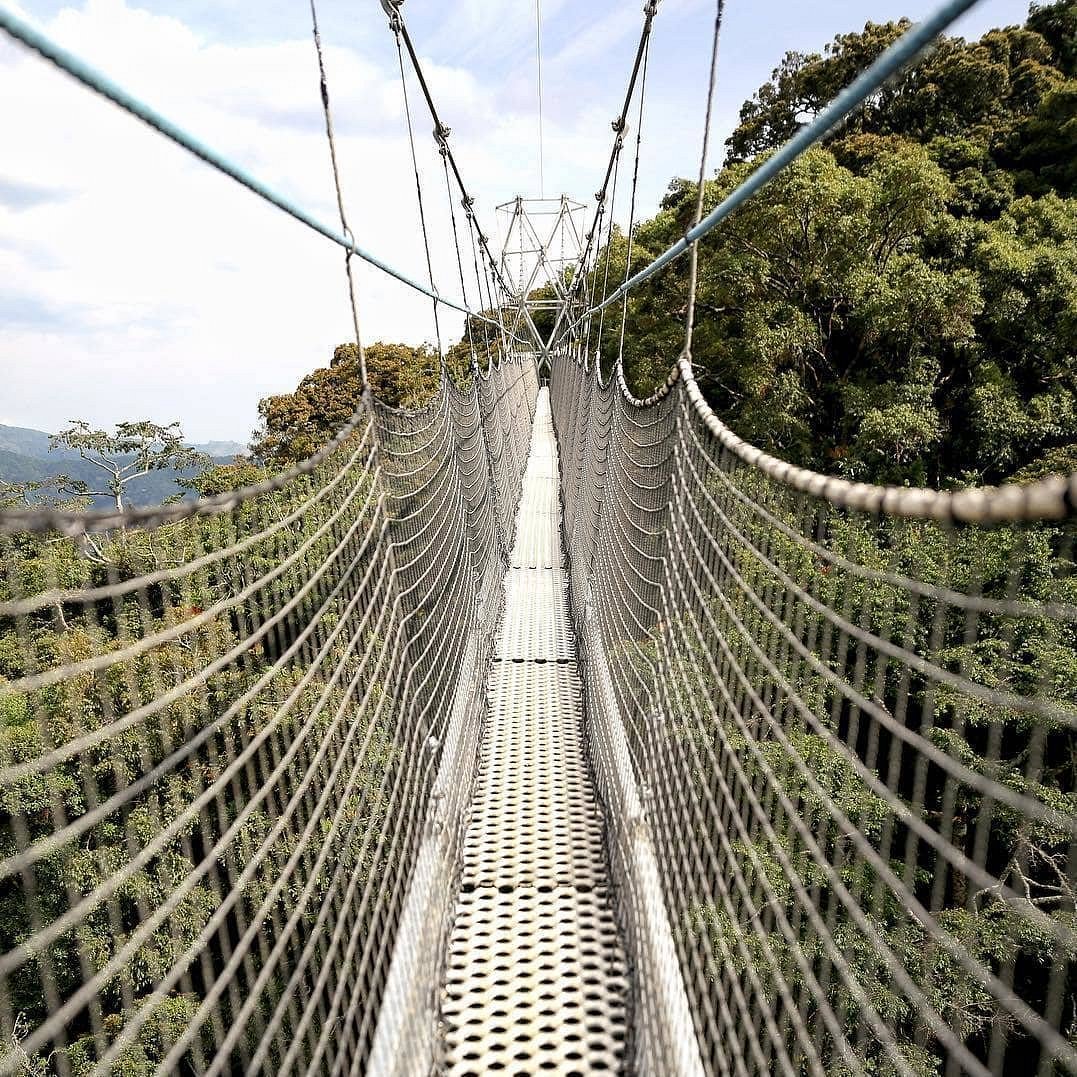
Nyungwe Canopy Walk
The canopy walkway rises above a forest valley and provides views across the treetops. It is reached through a guided forest walk. Along the way, visitors may see birds, monkeys, butterflies, and native plants.
The bridge offers an exciting perspective. However, visitors who dislike heights should discuss the activity with their tour operator. Alternative forest walks are available.
Combining the canopy experience with chimpanzee trekking usually requires at least two nights near Nyungwe. A third night creates a more relaxed schedule.
Hiking the Congo Nile Trail
Hiking is the most immersive way to experience the Congo Nile Trail. Walkers move slowly enough to notice small details. They can stop for photographs, greet residents, watch farming activities, and enjoy quiet viewpoints.
The trail’s difficulty changes from one section to another. Some areas follow wide rural roads. Others include narrow paths, steep slopes, stones, or muddy ground. Rwanda’s hills mean that even a short distance may involve significant climbing.
Daily hiking distances should reflect the group’s fitness. A route that appears easy on a flat map can feel harder because of elevation. Therefore, a local guide should help design realistic stages.
A support vehicle is useful even for hikers. It can transport large luggage between lodges and meet the group at selected points. Travellers then carry only water, rain protection, cameras, and personal items.
Walking also creates more opportunities for cultural interaction. However, visitors should respect private land and community life. Ask before photographing people. Additionally, follow the guide when crossing farms or village areas.
Cycling the Congo Nile Trail
Cycling is faster and more physically demanding. Riders cover larger distances, yet they still experience the landscape directly. Long climbs test endurance, while descents provide excitement and wide views.
A proper mountain bike is essential. The route includes dirt, stones, mud, paved roads, and uneven village tracks. Road bicycles are not suitable for many sections.
Before starting, riders should test the bike. Saddle height, brakes, gears, tyre pressure, and helmet fit must be checked. Small adjustments can prevent discomfort later.
A support vehicle should carry spare tubes, tools, drinking water, luggage, and emergency supplies. It can also collect a rider who becomes tired or develops a mechanical problem.
E-bikes can make the experience accessible to more travellers. However, battery range, charging points, and technical support must be planned. An e-bike does not remove the need for safe cycling skills.
Cyclists should control their speed on descents. Roads may contain pedestrians, animals, vehicles, stones, or sudden turns. Therefore, the fastest descent is rarely the safest one.
Hiking Versus Cycling: Which Option Is Better?
The right choice depends on fitness, experience, time, and travel style.
| Factor | Hiking | Cycling |
|---|---|---|
| Pace | Slow and immersive | Faster and more active |
| Full-route duration | About ten days | About five days |
| Technical skill | Basic hiking fitness | Mountain biking experience |
| Equipment | Hiking shoes and daypack | Mountain bike, helmet and repair kit |
| Cultural contact | Frequent and relaxed | Good, but stops must be planned |
| Daily distance | Shorter | Longer |
| Main challenge | Climbs and long walking days | Climbs, descents and bike control |
| Best for | Walkers, photographers and cultural travellers | Active riders and cycling groups |
Choose hiking if you want a slower experience with frequent stops. Choose cycling if you enjoy physical challenges and want to cover more ground. Alternatively, combine both. One day of cycling and one guided hike can provide a balanced introduction.
Best Congo Nile Trail Destinations and Sections
Rubavu: The Northern Gateway
Rubavu is the main northern gateway to the Congo Nile Trail. It lies on Lake Kivu and is easily reached from Volcanoes National Park.
The town offers hotels, restaurants, beaches, and boat activities. Therefore, it is a practical place to rest after gorilla trekking. Travellers can also organise bicycles, meet guides, and prepare equipment here.
A short hike around Rubavu provides broad lake views. Visitors with limited time can complete a nearby trail section and return to the same hotel.
Kinunu and Coffee Country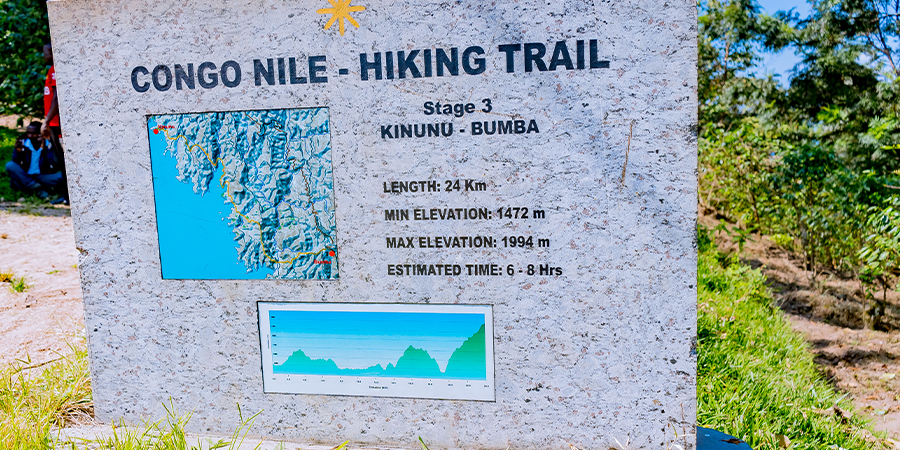
The route around Kinunu passes through coffee-growing landscapes and rural communities. It is one of the best areas for combining outdoor adventure with a coffee experience.
Green plantations cover the hills during much of the year. Meanwhile, Lake Kivu appears between ridges and valleys. The scenery is especially attractive in soft morning light.
Accommodation options are more limited than in major towns. As a result, advance planning is important. Support vehicles should also know the meeting and luggage-transfer points.
Karongi: Islands, Hills and Lake Views
Karongi is a scenic base in the central Lake Kivu region. Its bays, hills, islands, and peninsulas create some of the lake’s finest views.
Travellers can rest here after several trail stages. Boat trips, kayaking, island visits, swimming in suitable areas, and short community excursions are available.
Karongi also works well for visitors who do not want a full trail expedition. They can stay at a lakeside property and complete selected day hikes.
Rusizi and the Southern Lake Kivu Region
Rusizi lies near the southern end of Lake Kivu and offers access to Nyungwe National Park. Consequently, it creates a logical connection between the Congo Nile Trail and chimpanzee trekking.
Travellers completing several southern stages should allow time to rest. Moving directly from a long trail day to an early chimpanzee trek may feel exhausting.
An overnight stay near Rusizi or Nyungwe creates a smoother transition. The exact choice depends on the following day’s activity.
Short Rwanda Safari and Congo Nile Trail Adventure
A shorter itinerary can work within seven days. It should focus on key experiences rather than trying to include every national park.
Day 1: Arrival in Kigali
Meet your guide at Kigali International Airport. Transfer to your hotel and receive a short trip briefing.
Day 2: Kigali to Volcanoes National Park
Visit the Kigali Genocide Memorial. Afterwards, drive to Volcanoes National Park. An afternoon cultural experience may be added.
Day 3: Gorilla Trekking
Complete the gorilla trek and return to your lodge. Rest during the afternoon or visit the Ellen DeGeneres Campus if time allows.
Day 4: Golden Monkeys and Lake Kivu
Track golden monkeys in the morning. Afterwards, continue to Rubavu and relax beside Lake Kivu.
Day 5: Congo Nile Trail Adventure
Complete a guided hiking or cycling section. Enjoy rural scenery, village encounters, plantations, and Lake Kivu viewpoints.
Day 6: Lake Kivu Boat Trip and Kigali
Take a morning boat tour. Later, return to Kigali and visit a craft centre.
Day 7: Departure
Transfer to Kigali International Airport according to your flight schedule.
This short version focuses on primates, culture, Lake Kivu, and outdoor activity. Akagera can replace golden monkey tracking for travellers who prefer savannah wildlife.
10-Day Rwanda Safari and Congo Nile Trail Adventure
A ten-day itinerary creates a better balance between wildlife and active exploration.
Day 1: Arrival in Kigali
Your guide meets you at the airport and transfers you to your Kigali hotel. The rest of the day remains free for relaxation.
Day 2: Kigali City Tour and Akagera Transfer
Visit the Kigali Genocide Memorial and selected city attractions. Afterwards, continue east to Akagera National Park.
Day 3: Akagera Game Drive and Boat Safari
Begin with a morning wildlife drive. Search for elephants, giraffes, zebras, buffaloes, lions, antelopes, and other animals. Later, join a Lake Ihema boat safari.
Day 4: Akagera to Volcanoes National Park
Complete another game drive while leaving the park. Continue through Kigali and travel north to the Volcanoes region.
Day 5: Gorilla Trekking
Meet the park team for registration and briefing. Trek into the forest with rangers and spend the permitted observation time with a gorilla family.
Day 6: Golden Monkeys and Lake Kivu
Track golden monkeys. Afterwards, visit a conservation or cultural attraction before continuing to Rubavu.
Day 7: Congo Nile Trail Hiking or Cycling
Begin a selected trail section with your guide. Pass farms, villages, lake viewpoints, and small communities.
Day 8: Trail and Coffee Experience
Continue with another trail section. Add a guided coffee tour and learn about local production. Transfer to Karongi or another selected overnight stop.
Day 9: Lake Kivu Boat Trip and Kigali
Explore part of Lake Kivu by boat. Afterwards, drive to Kigali for the final night.
Day 10: Departure
Enjoy a relaxed morning or last-minute craft shopping. Transfer to the airport.
Complete 14-Day Rwanda Safari and Congo Nile Trail Adventure
A 14-day itinerary is ideal for travellers who want Akagera, gorillas, several trail stages, Lake Kivu, and Nyungwe.
Day 1: Kigali Arrival
Arrive at Kigali International Airport and meet your guide. Transfer to your hotel and rest.
Day 2: Kigali City Experience
Visit the Kigali Genocide Memorial, a local market, and an art centre. Learn about Rwanda’s history and modern culture.
Day 3: Kigali to Akagera National Park
Drive east through rural communities and cultivated landscapes. Enter Akagera and enjoy an afternoon game drive.
Day 4: Full-Day Akagera Safari
Explore northern and southern habitats during a full-day game drive. Stop at scenic points and search for the Big Five.
Day 5: Morning Safari and Lake Ihema Boat Trip
Take a final wildlife drive and a boat safari. Later, leave Akagera and overnight in Kigali or continue part of the way north.
Day 6: Transfer to Volcanoes National Park
Travel to the Virunga region. Visit the Twin Lakes, a cultural village, or the Ellen DeGeneres Campus.
Day 7: Gorilla Trekking
Enter Volcanoes National Park for a guided gorilla trek. Return to the lodge for lunch and relaxation.
Day 8: Golden Monkeys and Rubavu
Track golden monkeys in the bamboo forest. Afterwards, drive to Rubavu and enjoy the Lake Kivu shoreline.
Day 9: First Congo Nile Trail Stage
Begin cycling or hiking with a local guide. Pass hillside communities and enjoy wide lake views.
Day 10: Second Congo Nile Trail Stage
Continue through coffee-growing areas. Visit a local washing station or plantation where possible.
Day 11: Third Trail Stage and Karongi
Complete another selected section and continue to Karongi. Relax at a lakeside hotel.
Day 12: Karongi Boat Trip and Nyungwe Transfer
Explore Lake Kivu by boat. Afterwards, drive toward Nyungwe National Park.
Day 13: Chimpanzee Trekking and Canopy Experience
Start early for chimpanzee trekking. Depending on timing and energy, complete the canopy walkway later.
Day 14: Return to Kigali
Drive back to Kigali. Stop in Huye or at selected cultural attractions if the flight schedule allows.
An additional Kigali night is recommended when the international departure is early. This avoids rushing after the long drive from Nyungwe.
Best Time for a Rwanda Safari and Congo Nile Trail Adventure
Rwanda is a year-round destination. However, the season affects hiking, cycling, photography, and wildlife activities.
June to September
This period forms Rwanda’s main dry season. Rain can still occur, especially in mountain and forest areas. Nevertheless, trail surfaces are often firmer.
June to September is popular for gorilla trekking and outdoor adventures. Therefore, permits and preferred lodges should be booked early.
Dry conditions do not mean easy conditions. Dust, strong sun, and cool mountain mornings are still possible. Travellers need sun protection, water, and light warm clothing.
December to February
The shorter dry period is another good choice. Weather is often suitable for hiking, cycling, game drives, and primate trekking.
Christmas and New Year can be busy. Consequently, holiday-season accommodation should be reserved in advance.
March to May
The long rainy season brings greener scenery and dramatic skies. Photographers may enjoy the rich colour. However, dirt roads and trail sections can become muddy.
Hikers need waterproof boots and rain protection. Cyclists should expect slower progress and more equipment cleaning.
Flexible scheduling becomes especially helpful. A support vehicle can shorten difficult sections when weather changes.
October and November
These months form a shorter rainy period. Conditions vary from day to day. Some mornings may be clear, while rain arrives later.
The landscape looks fresh and green. In addition, tourism areas may feel quieter than during the main dry season.
Accommodation for a Rwanda Adventure Safari
Rwanda offers accommodation across luxury, midrange, and budget categories. The best combination depends on location and itinerary.
Kigali Accommodation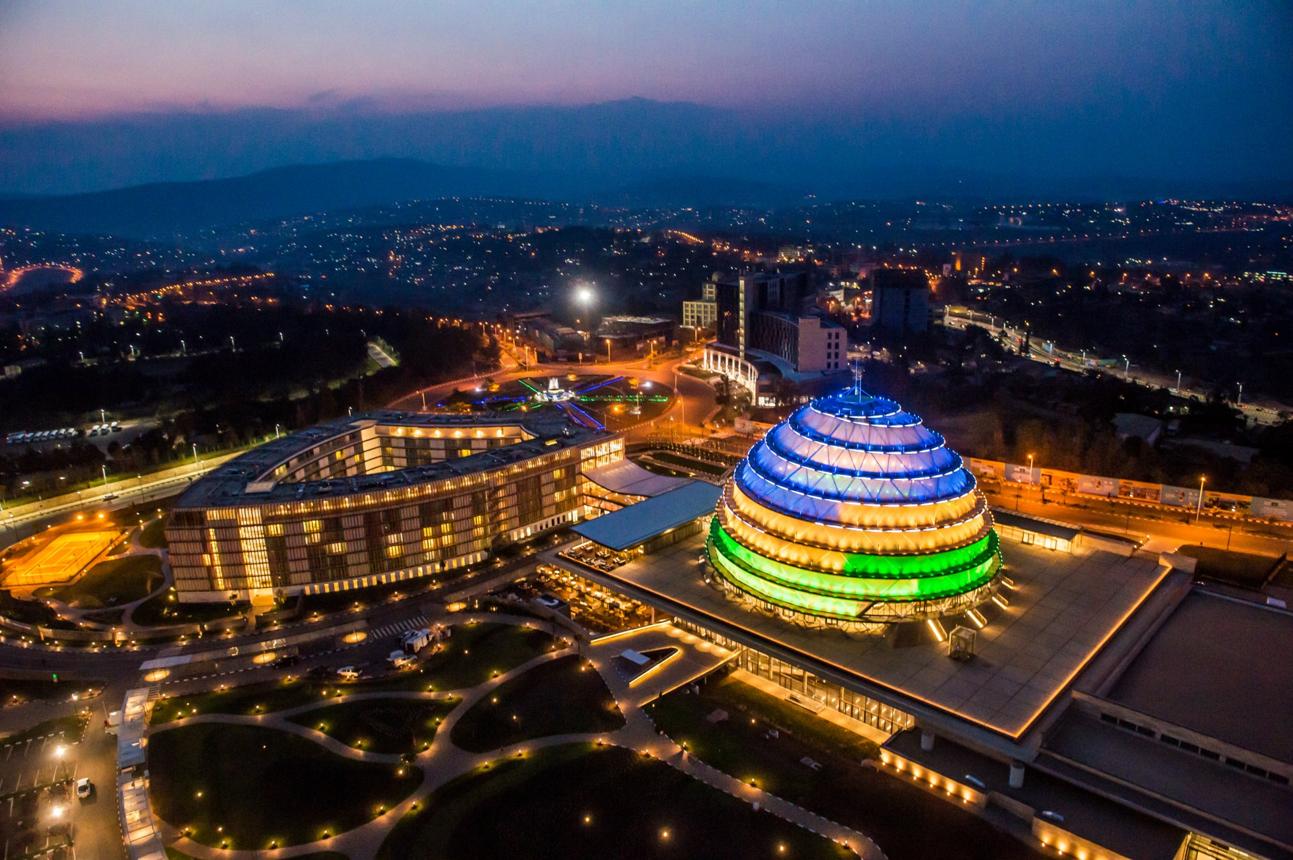
Kigali has international hotels, boutique properties, guesthouses, and budget options. Hotels near the airport are convenient for late arrivals. Central properties are useful for city tours and restaurants.
Popular choices may include Kigali Marriott Hotel, Radisson Blu, Four Points by Sheraton, Hôtel des Mille Collines, and smaller local hotels.
Volcanoes National Park Lodges
The Volcanoes region offers some of Rwanda’s finest safari lodges. Luxury properties provide high service levels, private rooms, fireplaces, and mountain views. Midrange lodges offer comfortable accommodation close to the park headquarters.
Options often used on Rwanda safaris include One&Only Gorilla’s Nest, Five Volcanoes Boutique Hotel, Ingagi Park View Lodge, Tiloreza Eco Lodge, Le Bambou Gorilla Lodge, and Mountain Gorilla View Lodge.
Location matters because gorilla trekking starts early. Staying near the park reduces morning travel time.
Akagera National Park Lodges
Accommodation includes high-end tented camps, comfortable lodges, and simple camping facilities. Ruzizi Tented Lodge, Akagera Game Lodge by Mantis, and Karenge Bush Camp are among the established options.
Two nights are recommended for most visitors. This allows time for both game drives and a boat safari.
Lake Kivu Accommodation
Rubavu and Karongi provide the widest lakeside selection. Travellers can choose resorts, boutique hotels, guesthouses, and simple local properties.
Trail accommodation outside the main towns may be basic. However, it often offers closer access to rural areas. Expectations should be discussed before booking.
Nyungwe Accommodation
Nyungwe has luxury forest lodges, midrange hotels, ecolodges, and guesthouses. Some are close to park activity centres, while others require longer transfers.
The chosen chimpanzee trekking sector should influence the accommodation decision. Early trekking starts make location important.
Transport and Support Vehicles
A 4×4 safari vehicle is the most practical transport option for a combined Rwanda itinerary. It provides space for luggage, equipment, and photography gear. It also handles national park roads and rural routes more comfortably.
For Akagera, an open-roof safari vehicle offers excellent wildlife viewing. Visitors can stand safely through the roof when the vehicle is stationary. This provides better angles than viewing through closed windows.
A support vehicle becomes especially useful on the Congo Nile Trail. It can transfer luggage, carry spare equipment, provide drinking water, and collect guests after each stage.
Private transport also creates flexibility. Travellers can stop for photographs, rest when needed, and adjust activities when weather changes.
How Difficult Is the Congo Nile Trail?
The trail ranges from moderate to demanding. Rwanda’s hills create the main challenge. Even sections without extreme altitude can include repeated climbs and descents.
Fitness requirements depend on the selected distance. A half-day guided walk is accessible to many reasonably active travellers. In contrast, several consecutive days of cycling require endurance and bike-handling skills.
Trail conditions can change after rain. Mud, loose stones, and water channels may appear. Therefore, route plans should remain flexible.
Altitude may also affect some visitors. Much of Rwanda lies at a moderate elevation, while the Volcanoes region is higher and cooler. Travellers should move at a steady pace and drink enough water.
People with medical concerns should consult a qualified healthcare professional before undertaking demanding hikes or cycling stages.
What to Pack for a Rwanda Safari and Congo Nile Trail Adventure
Good packing improves comfort across several environments. Akagera can be warm, while Volcanoes and Nyungwe may feel cool and wet.
Essential items include:
- Strong hiking shoes or lightweight boots
- Comfortable walking trousers
- Long-sleeved shirts
- Waterproof jacket
- Warm fleece or light sweater
- Sun hat
- Sunglasses
- Sunscreen
- Insect repellent
- Refillable water bottle
- Small daypack
- Gardening gloves for gorilla trekking
- Camera and spare batteries
- Binoculars
- Personal medication
- Simple first-aid supplies
- Waterproof covers for electronics
- Quick-drying socks
- Portable power bank
Cyclists should also bring or request:
- Properly fitted helmet
- Cycling gloves
- Padded cycling shorts
- Suitable shoes
- Sunglasses or clear riding glasses
- Lightweight rain layer
- Small repair kit
- Spare inner tube
- Hydration system
Avoid packing too much. Main luggage can remain in the support vehicle. Meanwhile, the daypack should carry only immediate essentials.
Gorilla Trekking Packing Advice
Gorilla trekking requires slightly different equipment. Long trousers protect the legs from vegetation. A long-sleeved shirt provides additional cover. Gloves help when holding branches or touching the ground for balance.
Waterproof hiking shoes should have a good grip. Trails may remain muddy even outside the rainy season. Gaiters can also help keep mud away from socks and trousers.
A walking stick may be provided near the starting point. Porters are also available. Hiring a porter supports local livelihoods and makes the trek easier.
Cameras should be protected from rain. Flash photography is not permitted near the gorillas. Therefore, visitors should understand their camera settings before the encounter.
Health and Safety in Rwanda
Rwanda has a strong tourism system, yet normal travel precautions remain important. Visitors should follow the advice of professional guides, park rangers, and accommodation teams.
Travel insurance should cover medical treatment, trip interruption, and planned adventure activities. Cyclists should confirm that their policy includes mountain biking. Hikers should check coverage for guided trekking.
Drink safe water and remain hydrated. Wash or sanitise hands before eating. In addition, carry any essential prescription medicine in the original packaging.
Park rules must always be followed. Do not approach wildlife without guidance. Never leave the safari vehicle unless the guide says it is safe.
During cycling, wear a helmet and control speed. Village roads may include pedestrians, livestock, motorcycles, and vehicles. Hikers should remain with the guide and avoid unplanned routes after dark.
Food During the Congo Nile Trail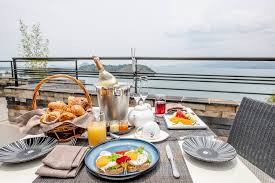
Meals vary according to accommodation and route. Hotels usually provide breakfast and dinner. Packed lunches can be carried during longer trail days.
Rwandan food often includes beans, rice, potatoes, vegetables, plantains, meat, and fresh fruit. Lakeside locations may serve fish. International meals are available in larger hotels and towns.
Dietary requirements should be shared before arrival. Vegetarian, vegan, gluten-free, and other meals may be arranged with advance notice. However, remote accommodation may have fewer choices.
Energy snacks are helpful during long hiking or cycling days. Fruit, nuts, biscuits, and energy bars can be carried in the support vehicle.
Cultural Etiquette Along the Trail
The Congo Nile Trail passes through active communities. Visitors are guests within places where people live and work.
Simple greetings are appreciated. “Muraho” is a common Kinyarwanda greeting. However, a local guide can help with more detailed communication.
Always ask before taking close photographs of individuals. Avoid photographing children without suitable permission. Furthermore, do not enter homes, fields, or private compounds without an invitation.
Dress in a practical and respectful way. Hiking clothing is acceptable, yet extremely revealing outfits may feel unsuitable in rural communities.
Support local businesses where possible. Buying coffee, crafts, meals, or guiding services helps tourism income reach communities.
Responsible and Sustainable Tourism
Responsible travel protects wildlife, landscapes, and local dignity. Rwanda’s conservation experiences depend on careful management.
Gorilla trekking permits help support conservation and park programmes. Following health and distance rules protects the gorillas from stress and illness.
On the Congo Nile Trail, visitors should avoid dropping rubbish. Refillable bottles can reduce plastic waste. In addition, reusable bags are useful because Rwanda has strict environmental policies.
Remain on agreed paths where required. Shortcuts may damage crops or increase erosion. Guides understand which areas are public and which belong to local families.
Choose legitimate community experiences. Respectful tourism should benefit residents rather than turning everyday life into a performance.
Rwanda Safari Photography Tips
Rwanda provides diverse photography opportunities. Akagera offers wildlife and open landscapes. Volcanoes provides forest scenes and primate portraits. Lake Kivu adds sunsets, boats, hills, and reflections.
A telephoto lens is useful for wildlife. A wider lens works well for landscapes and cultural scenes. Travellers who want lighter luggage can use a versatile zoom lens.
Forest photography is challenging because light levels are low. Higher ISO settings and steady camera handling may be needed. Flash must not be used during gorilla trekking.
Protect equipment from rain and dust. Carry spare batteries because cold conditions can reduce battery performance. Memory cards should also be backed up whenever possible.
Always request permission before photographing people. A good photograph should never come at the cost of someone’s privacy or dignity.
Who Should Book This Adventure?
A Rwanda Safari and Congo Nile Trail Adventure suits many types of traveller.
Active couples can combine romantic lakeside stays with hiking or cycling. Families can choose short trail sections and wildlife activities. Solo visitors benefit from professional guides and private transport. Meanwhile, groups can build the journey around cycling challenges.
Wildlife photographers gain access to primates, savannah animals, birds, and landscapes. Cultural travellers can visit coffee communities, local markets, and rural areas.
The itinerary may not suit someone who wants a completely relaxed beach holiday. However, activity levels can be reduced. A private safari can include short walks, boat trips, and comfortable hotels without long-distance cycling.
Budgeting for a Rwanda Safari and Congo Nile Trail Adventure
The total cost depends on duration, group size, permit choices, accommodation, transport, and trail support.
Gorilla permits form a major part of the budget. Rwanda’s standard international visitor permit costs USD 1,500 per person. Golden monkey tracking, chimpanzee trekking, park entrance, boat safaris, and cultural activities add further costs.
Private travellers usually pay more per person than groups because vehicle and guide costs are shared by fewer guests. Therefore, prices often decrease per traveller as the group becomes larger.
Luxury lodges can raise the total significantly. Midrange properties provide a more affordable option without removing the main experiences. Budget guesthouses may reduce costs further, especially along Lake Kivu.
Cycling costs depend on bicycle quality, guide services, support vehicles, and equipment. A one-day ride is naturally cheaper than a full supported expedition.
For an accurate quotation, travellers should provide:
- Travel dates
- Number of travellers
- Preferred accommodation level
- Gorilla trekking interest
- Hiking or cycling preference
- Desired trail duration
- Arrival and departure flights
- Dietary requirements
- Special mobility or health considerations
Booking Gorilla and Chimpanzee Permits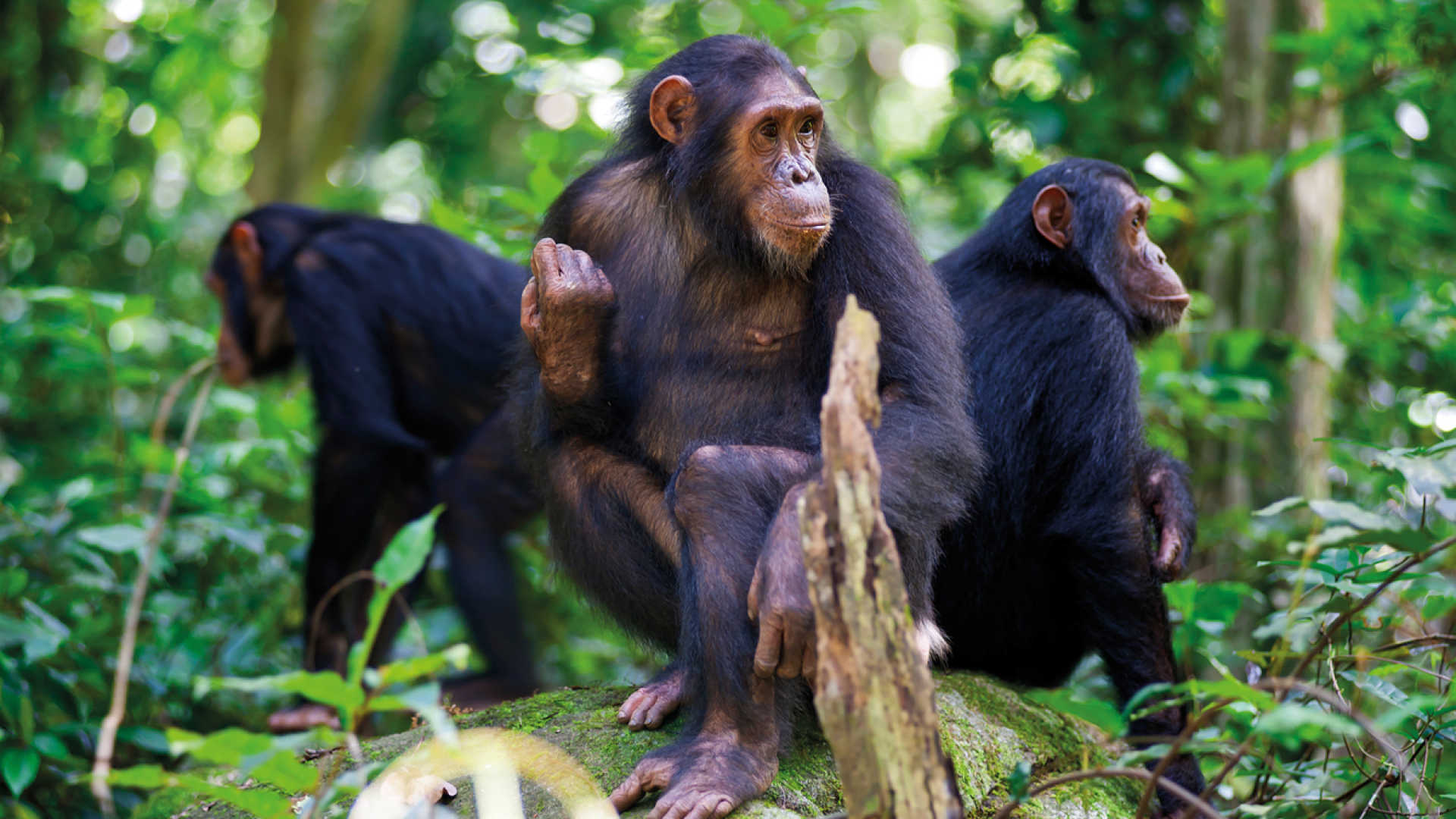
Primate permits should be secured before finalising the rest of the itinerary. This is especially important during June to September and the festive season.
The booking process normally requires each traveller’s passport details. Names must match the travel document used at park registration.
Once availability is confirmed, payment is required to secure the permits. Travellers should understand the applicable cancellation and rescheduling rules before payment.
A licensed Rwanda tour operator can check availability, organise permits, arrange transport, and connect the park activities with the rest of the itinerary.
Common Planning Mistakes to Avoid
Trying to Include Too Much
Rwanda is compact, but every transfer still takes time. Adding Akagera, Volcanoes, the complete Congo Nile Trail, Nyungwe, and Kigali to a short holiday creates unnecessary pressure.
Choose the experiences that matter most. A well-paced seven-day itinerary is better than a rushed schedule with constant driving.
Underestimating Rwanda’s Hills
Short cycling distances can feel difficult when they include repeated climbs. Therefore, daily stages must account for elevation rather than distance alone.
Booking Gorilla Permits Too Late
Gorilla permits are limited. Waiting until flights and hotels are booked may create problems. Check permits early.
Using an Unsuitable Bicycle
A normal city bicycle may not handle rough sections. Use a maintained mountain bike with reliable brakes and gears.
Ignoring the Weather
Rain can affect trail surfaces throughout the year. Carry waterproof clothing and keep the itinerary flexible.
Carrying Too Much Luggage
Heavy bags make hiking and cycling uncomfortable. Use the support vehicle for main luggage.
Planning an Immediate Flight After a Long Transfer
Traffic, weather, or activity delays can affect arrival times. Spend the final night in Kigali when possible, especially before an early international flight.
Frequently Asked Questions
Is the Congo Nile Trail in Rwanda or Congo?
The Congo Nile Trail is in Rwanda. It follows the eastern side of Lake Kivu and does not require visitors to enter the Democratic Republic of Congo.
How long is the Congo Nile Trail?
The complete route is approximately 227 kilometres long.
How many days are needed to cycle the Congo Nile Trail?
The full route generally takes around five days. However, recreational cyclists may prefer a longer schedule.
How long does it take to hike the complete trail?
A full hiking journey usually takes around ten days. Selected sections can be completed in one or two days.
Can beginners hike the Congo Nile Trail?
Yes. Beginners can complete shorter guided sections. The distance and terrain should match their fitness.
Can beginners cycle the trail?
Beginners may enjoy easier sections. However, completing the full route requires stronger fitness and bicycle-handling skills.
Do I need a guide?
A guide is strongly recommended. Local guides understand routes, accommodation points, community areas, weather conditions, and alternative paths.
Is a support vehicle necessary?
It is not required for every short walk. Nevertheless, it is highly useful during multi-day hiking and cycling journeys.
Can the Congo Nile Trail be combined with gorilla trekking?
Yes. Volcanoes National Park lies near the northern Lake Kivu region. Therefore, gorilla trekking and a Rubavu trail section combine easily.
Can I add Akagera National Park?
Yes. Akagera adds game drives, Big Five wildlife, and Lake Ihema boat safaris.
Can I add Nyungwe National Park?
Yes. Nyungwe fits naturally after the southern Lake Kivu region. Visitors can add chimpanzee trekking, the canopy walkway, and forest hikes.
What is the best month for the adventure?
June to September and December to February often provide better hiking and cycling conditions. However, Rwanda can be visited throughout the year.
Is the trail safe for solo travellers?
Solo travellers should use a professional guide and planned transport. A supported private itinerary provides additional organisation.
What accommodation is available?
Options range from lakeside hotels and lodges to guesthouses, community properties, and simple trail accommodation.
Can children join the adventure?
Families can choose short walks, boat trips, cultural experiences, and easy cycling sections. Age restrictions apply to some primate activities.
What should I wear?
Wear lightweight layers, strong shoes, long trousers, rain protection, and sun protection. Cyclists also need a helmet and suitable riding clothing.
Is the trail suitable during the rainy season?
Yes, but some sections become muddy and slippery. Daily distances may need to be reduced.
Are coffee tours available?
Yes. Coffee experiences can be arranged in several Lake Kivu areas, especially along coffee-growing sections of the route.
Can luggage be transported between hotels?
Yes. A support vehicle can move luggage while guests hike or cycle with a small daypack.
Can the itinerary start at Kigali Airport?
Yes. The tour can start directly from Kigali International Airport or from a hotel in Kigali, depending on flight arrangements.
Final Thoughts on a Rwanda Safari and Congo Nile Trail Adventure
A Rwanda Safari and Congo Nile Trail Adventure reveals the country from several perspectives. It combines the excitement of wildlife viewing with the freedom of active travel. Moreover, it introduces visitors to communities and landscapes that are often missed during a normal vehicle-based safari.
In Akagera, travellers search for lions, elephants, giraffes, buffaloes, rhinos, and other savannah wildlife. Volcanoes National Park offers the rare opportunity to meet mountain gorillas and golden monkeys. Lake Kivu provides calm water, scenic islands, coffee experiences, and beautiful sunsets. Finally, the Congo Nile Trail connects these experiences through hiking and cycling.
No single itinerary suits every traveller. Some visitors want a challenging multi-day cycling expedition. Others prefer a gentle guided walk followed by a boat trip and a comfortable lakeside hotel. Fortunately, the route can support both styles.
Careful planning remains important. Gorilla permits should be booked early. Trail distances should match fitness levels. Reliable bicycles, knowledgeable guides, and a support vehicle make active sections easier and safer. In addition, enough time should be allowed for rest.
When these elements come together, the journey becomes one of Rwanda’s most complete travel experiences. It offers wildlife, conservation, culture, physical adventure, and relaxation within a single well-connected route.
Book Your Rwanda Safari and Congo Nile Trail Adventure
Universal Ventures Rwanda can customise your trip according to your dates, group size, budget, fitness level, and preferred accommodation. Services can include gorilla and chimpanzee permits, professional driver-guides, 4×4 safari vehicles, airport transfers, hotels, mountain bikes, trail guides, support vehicles, boat trips, and cultural experiences.
Your tour can begin directly at Kigali International Airport or from your hotel in Kigali, depending on your flight schedule. Short, midrange, luxury, family, private, and group itineraries can all be arranged.
Universal Ventures Rwanda
Address: KK 15 Road, Kigali, Rwanda
Phone/WhatsApp: +250 781 441 853
Email: info@universalventuresrwanda.com
Website: www.universalventuresrwanda.com

Related Posts


Comments (0)