 Skip to content
A Luxury Rwanda Gorilla and Big Five Safari combines two of Africa’s most sought-after wildlife…
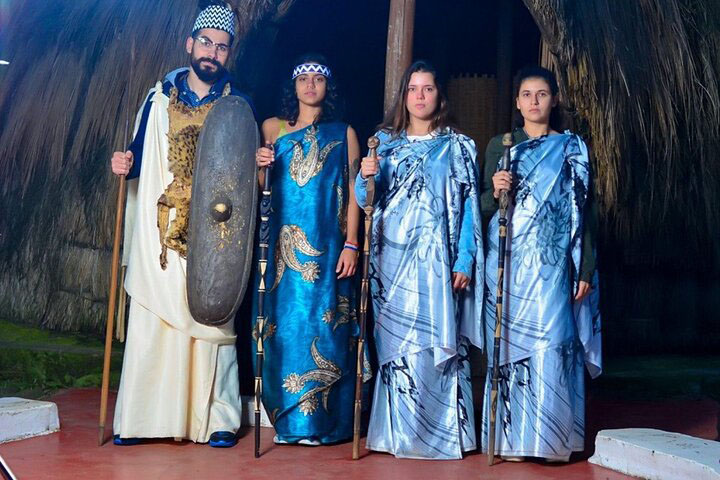
Rwanda Safari and Cultural Villages Experience
A Rwanda safari and cultural villages experience offers much more than wildlife viewing. It introduces travelers to Rwanda’s national parks, mountain landscapes, traditional arts, community projects, historic sites, local food, dance, farming, and everyday life. Visitors can observe lions and elephants in Akagera, trek mountain gorillas in Volcanoes National Park, follow chimpanzees in Nyungwe, and then spend meaningful time with communities that protect these natural areas.
Known as the Land of a Thousand Hills, Rwanda combines wildlife, culture, history, and beautiful scenery within a compact destination. Travel distances between its main attractions are shorter than in many larger African countries. As a result, travelers can experience a Big Five safari, gorilla trekking, village activities, museums, coffee tours, and Lake Kivu within one well-designed itinerary.
This complete guide explains the best cultural villages in Rwanda, national parks to visit, responsible community tourism, cultural etiquette, ideal travel seasons, accommodation, safari costs, and recommended itineraries.
Why Choose a Rwanda Safari and Cultural Villages Experience?
Many African safari holidays focus mainly on game drives. Rwanda offers something broader. Wildlife encounters remain central, but local communities, conservation projects, and cultural traditions add greater meaning to the journey.
During a Rwanda safari and cultural villages experience, visitors may begin the day tracking mountain gorillas and spend the afternoon learning traditional drumming, basket weaving, food preparation, or medicinal plant knowledge. In Akagera, travelers can search for the Big Five before joining a community-led farm, craft, or food experience outside the park. Near Nyungwe, a chimpanzee trek can be combined with tea production, cultural performances, and village walks.
These experiences help travelers understand how conservation connects with local livelihoods. Tourism creates work for guides, drivers, lodge employees, porters, dancers, craftspeople, farmers, and community tourism groups. When activities are managed responsibly, safari income reaches families living near protected areas.
Rwanda’s official tourism platform highlights traditional Intore dancing, basketry, pottery, Umuganda, museums, art galleries, community activities, and the Gorilla Guardians village as important parts of the country’s cultural heritage. Visit Rwanda’s cultural guide.
Understanding Rwanda’s Culture
Rwandan culture reflects a shared national identity shaped by language, family, farming, cattle keeping, craftsmanship, music, dance, and oral history. Kinyarwanda is widely spoken throughout the country, while English, French, and Kiswahili are also official languages.
Hospitality plays an important role in social life. Visitors often notice the polite greetings, calm communication, and strong respect for community. A guided cultural visit provides a good introduction to these values.
Traditional knowledge is expressed through dance, poetry, storytelling, clothing, architecture, food, and handmade crafts. However, Rwandan culture is not limited to the past. Contemporary music, fashion, painting, photography, film, and design also form part of modern cultural identity.
A good cultural tour should present both traditional heritage and present-day Rwanda. It should allow local hosts to explain their lives in their own words rather than treating communities as displays for tourists.
The Best National Parks for a Rwanda Safari
Rwanda has four national parks. Each one protects a different environment and creates opportunities to combine wildlife with nearby community experiences.
Akagera National Park: Big Five Safari and Community Tourism
Akagera National Park lies in eastern Rwanda near the Tanzanian border. Its landscape includes savannah, woodland, hills, papyrus swamps, and several lakes. The park is Rwanda’s leading destination for a traditional wildlife safari.
Lions, leopards, elephants, buffaloes, and rhinos make Akagera a Big Five destination. Other animals include giraffes, zebras, hippos, crocodiles, topis, impalas, waterbucks, elands, baboons, vervet monkeys, and hyenas.
The park also protects an exceptional wetland system. Visitors can take a boat safari on Lake Ihema to observe hippos, crocodiles, waterbirds, and animals approaching the shoreline. A morning boat trip provides calm conditions, while a sunset cruise offers warm light and attractive photography.
Visit Rwanda describes Akagera as a scenic combination of forest-fringed lakes, wetlands, savannah plains, and rolling highlands. The park’s wildlife includes elephant, buffalo, zebra, topi, waterbuck, eland, leopard, hyena, and many other species. Visit Rwanda’s Akagera safari overview.
Community Experiences Near Akagera
A visit to Akagera can include cultural and agricultural activities organized with nearby communities. Depending on availability, visitors may learn about traditional milk production, cattle keeping, banana cultivation, local cooking, beekeeping, or crafts.
These activities provide a different view of the region. The game drive shows how wildlife lives inside the protected area, while the village visit explains how communities live beside it.
Travelers should choose organized programs with clear community participation. A responsible visit compensates hosts fairly and respects family homes, working spaces, and local customs.
How Long to Spend in Akagera
Two or three days work well for most visitors. A two-day visit may include an afternoon boat safari, an overnight stay, and a full-day game drive. Three days allow more time for wildlife viewing, community activities, and a slower pace.
One-day Akagera safaris from Kigali are possible. However, they require an early departure and a long day. Travelers interested in both wildlife and culture should stay at least one night.
Volcanoes National Park: Gorillas and Cultural Villages
Volcanoes National Park lies in northern Rwanda near Musanze. Its bamboo forests and volcanic slopes protect mountain gorillas and golden monkeys. The park forms part of the wider Virunga landscape shared by Rwanda, Uganda, and the Democratic Republic of Congo.
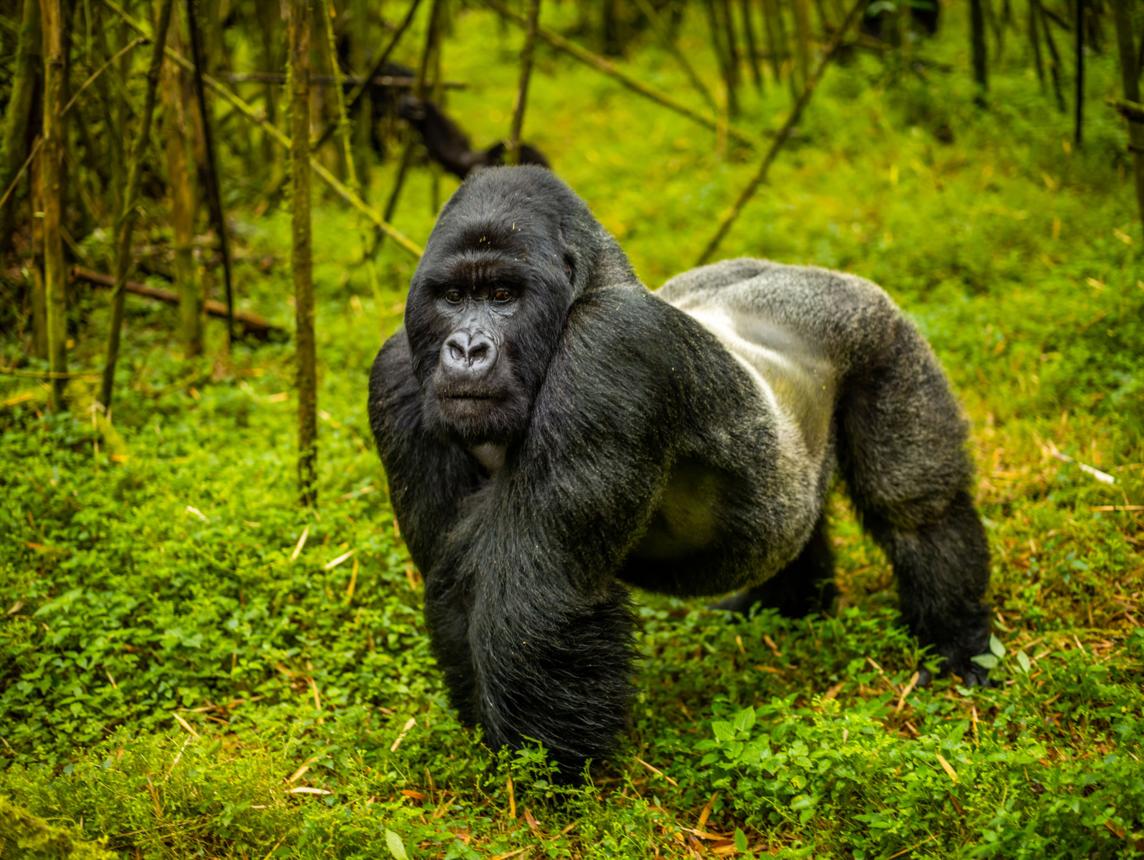
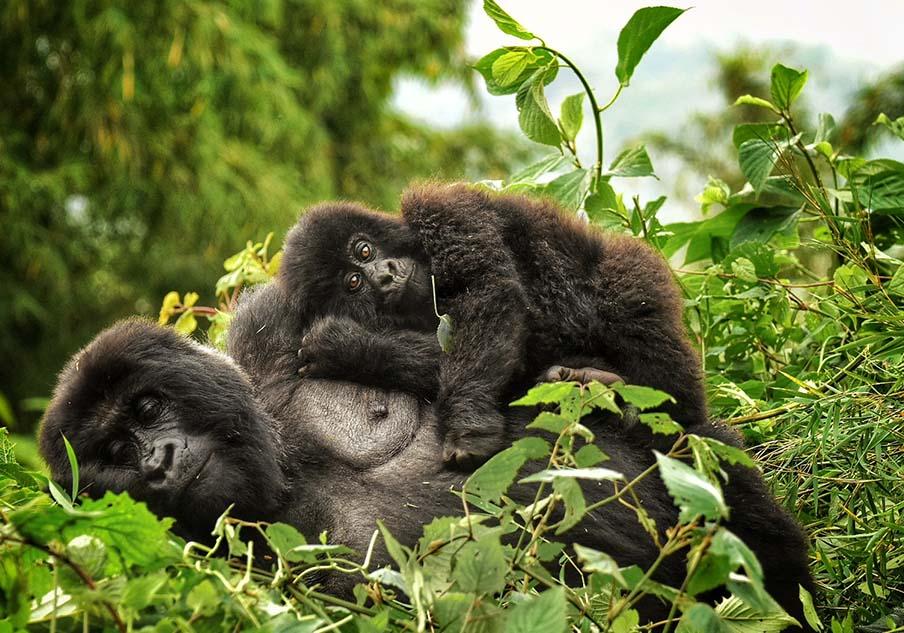
Mountain gorilla trekking is the best-known experience. Visitors join trained guides and trackers before hiking to a habituated gorilla family. Once the gorillas are located, guests receive a carefully controlled viewing period under the guidance of park staff.
Golden monkey trekking provides another rewarding primate activity. Golden monkeys move through bamboo forests in active groups, creating excellent opportunities for observation and photography.
Other attractions include the Dian Fossey tomb hike, Mount Bisoke, Mount Karisimbi, Musanze Caves, Buhanga Eco-Park, Twin Lakes, canoeing, cycling, and village experiences. Visit Rwanda notes that hiking, mountain biking, canoeing, and cultural activities can be combined with primate trekking around Volcanoes National Park. Official Volcanoes National Park information.
Gorilla Guardians Village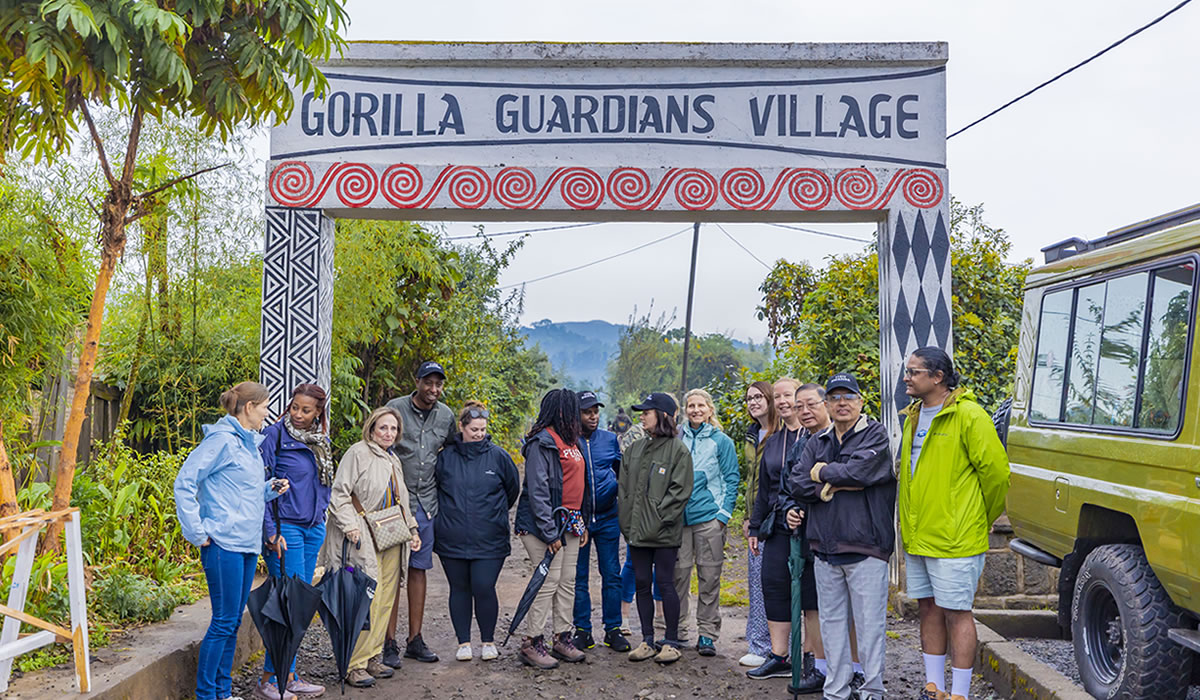
Gorilla Guardians Village, formerly known as Iby’Iwacu Cultural Village, is one of the best-known cultural attractions near Volcanoes National Park. It was created to connect conservation tourism with local employment and cultural heritage.
During a visit, guests may watch Intore dance performances, learn about traditional leadership, see a reconstruction of a former royal setting, explore local food traditions, and hear stories about community life.
Some activities demonstrate traditional farming, medicinal plants, basket making, pottery, archery, food preparation, or banana processing. Exact programs can vary, so travelers should confirm what is included before arrival.
The experience works especially well after gorilla or golden monkey trekking. It allows visitors to move from observing wildlife to understanding the communities living beside the park.
Why Gorilla Guardians Village Matters
The project demonstrates how tourism can create alternatives to activities that once placed pressure on the forest. Community members can earn income as guides, performers, craftspeople, and cultural interpreters.
Visitors should approach the experience with respect. The goal is not only to take photographs but also to listen, ask thoughtful questions, and understand how conservation has changed local opportunities.
Best Time to Visit Gorilla Guardians Village
The village can be visited throughout the year. Afternoon visits are common because they combine easily with morning gorilla or golden monkey trekking.
Outdoor performances may be affected by heavy rain. However, programs can often continue in covered spaces. Visitors should bring a light rain jacket during every season.
Twin Lakes and Rural Community Experiences
Lake Burera and Lake Ruhondo sit beneath the Virunga volcanoes. Their blue water, steep hills, farms, and fishing communities create one of northern Rwanda’s most attractive landscapes.
A Twin Lakes visit may include a boat ride, village walk, canoe activity, birdwatching, farm visit, or local lunch. Travelers can learn how communities use the lakes and surrounding fertile land.
The experience provides a peaceful contrast to gorilla trekking. While the gorilla trek is highly structured, a community visit around the lakes can move at a slower pace.
Travelers should allow enough time to enjoy the scenery rather than treating the Twin Lakes as a quick photography stop.
Buhanga Eco-Park and Rwanda’s Royal Traditions
Buhanga Eco-Park is a small forest associated with Rwanda’s former kings. Oral traditions connect the site with royal rituals and preparations for leadership.
A guided walk introduces visitors to the forest’s plants, natural features, stories, and ceremonial history. The experience combines nature with cultural heritage and works well as an addition to a Volcanoes National Park itinerary.
Because the meaning of the site comes from its stories, visiting with a knowledgeable guide is important. Without interpretation, travelers may see only a quiet forest. With proper guidance, the trees, pathways, and natural formations become part of a larger historical account.
Nyungwe National Park: Primates, Tea and Community Life
Nyungwe National Park protects one of Africa’s oldest rainforests. It is known for chimpanzees, colobus monkeys, forest birds, waterfalls, hiking trails, and the canopy walkway.
Chimpanzee trekking is the leading wildlife activity. Visitors enter the forest with trained guides to search for a habituated chimpanzee community. The experience can be active because chimpanzees move quickly and spend time both on the ground and in trees.
Nyungwe also protects several other primates, including black-and-white colobus monkeys, L’Hoest’s monkeys, blue monkeys, and grey-cheeked mangabeys. Birdwatchers value the forest for Albertine Rift species and its variety of habitats.
Visit Rwanda identifies Nyungwe as one of Africa’s oldest forests and highlights its chimpanzees, numerous other primates, biodiversity, and mountain scenery. Rwanda’s national parks overview.
Tea Plantation Experiences Near Nyungwe
Large tea plantations surround parts of Nyungwe. Their bright green fields create striking views along the road.
A guided tea experience can explain planting, harvesting, processing, grading, and preparation. Depending on the program, visitors may meet tea workers, observe hand-picking, visit a factory, or participate in a tasting.
Tea is an important part of Rwanda’s agricultural economy. Therefore, the experience connects landscape photography with an understanding of rural work and trade.
Visitors should ask permission before photographing workers. They should also follow safety instructions inside processing facilities.
Banda and Communities Near Nyungwe
Community tourism experiences around Nyungwe may include village walks, dance performances, crafts, food preparation, farming, and storytelling. Programs differ by location and season.
These visits allow guests to understand life near the rainforest. They also create income beyond park activities and lodge employment.
A responsible itinerary should avoid rushing the visit. Meaningful interaction requires time for introductions, conversation, demonstrations, and questions.
Nyanza and Rwanda’s Royal Heritage
Nyanza served as an important center of Rwanda’s former monarchy. Today, the King’s Palace Museum introduces visitors to royal history, traditional architecture, leadership, clothing, cattle culture, and court traditions.
One of its most recognized features is the reconstruction of a royal residence. The site also maintains the tradition of long-horned Inyambo cattle, which have a strong connection to Rwanda’s royal heritage.
Nyanza lies on the main travel corridor between Kigali and Nyungwe. As a result, it fits naturally into a southern Rwanda itinerary.
A guided visit is recommended because the exhibits and buildings become more meaningful when placed within the wider history of Rwanda.
Huye and the Ethnographic Museum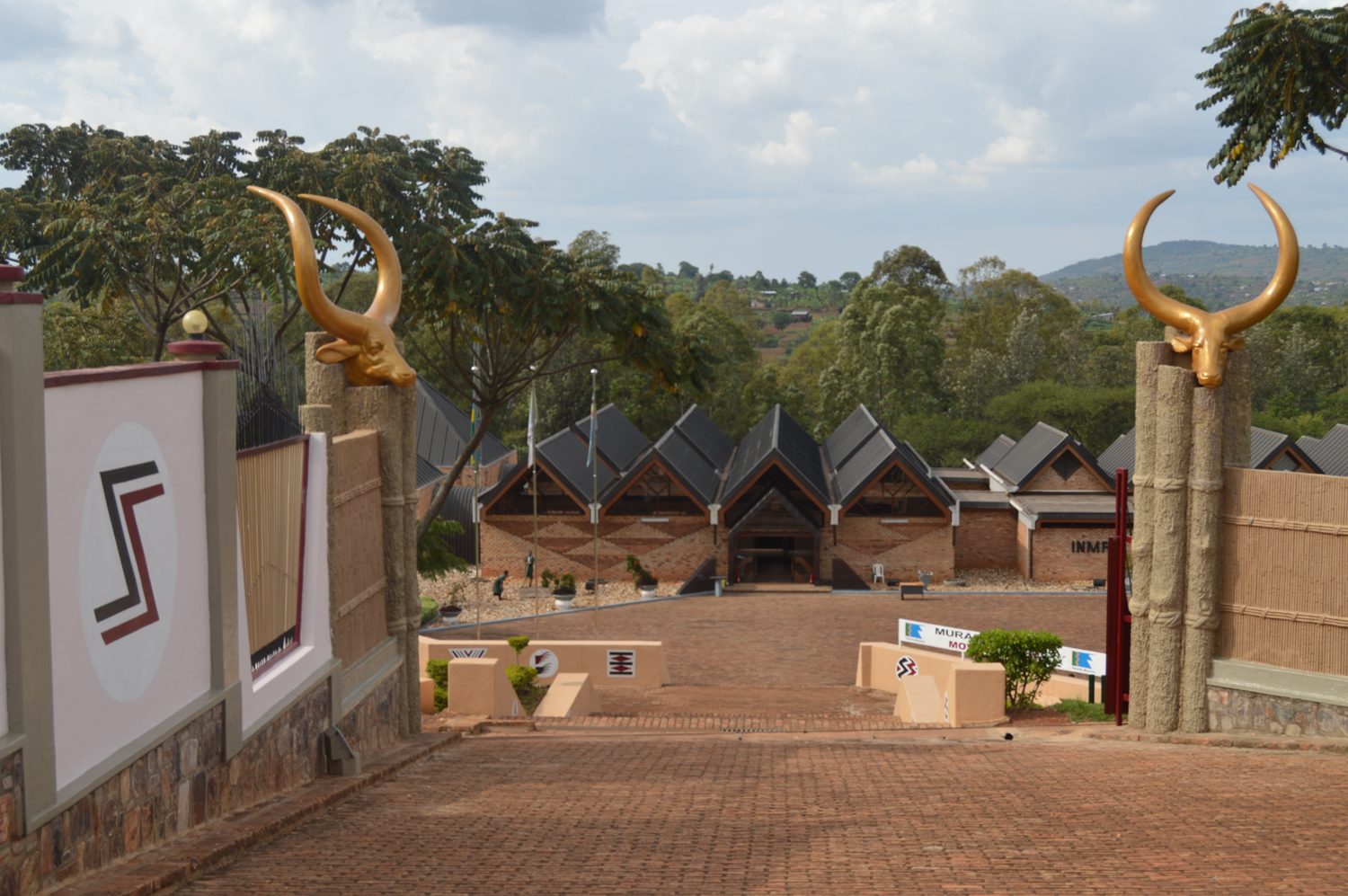
Huye is one of Rwanda’s major educational and cultural centers. Its Ethnographic Museum contains an important collection related to traditional life, agriculture, architecture, clothing, tools, music, belief systems, and craftsmanship.
The museum gives valuable context before or after visiting a cultural village. It helps travelers recognize the historical background of objects, dances, farming methods, and household traditions they may encounter elsewhere.
Live cultural performances may be available on selected dates or by prior arrangement. Travelers should confirm schedules before building the itinerary around a performance.
Huye can be combined with Nyanza, Nyungwe National Park, coffee experiences, and nearby community activities.
Kigali Cultural Village
Kigali Cultural Village is a space for artisans, food vendors, workshops, exhibitions, festivals, and cultural events. It provides a convenient introduction to Rwandan creativity for travelers with limited time.
Visitors may shop for locally made products, meet craftspeople, attend an event, or explore food and music. Activities depend on the calendar, so checking the current program is advisable.
Visit Rwanda describes Kigali Cultural Village as a market space where artisans and food vendors trade their products while events, workshops, festivals, and music programs take place. Rwanda’s culture and heritage attractions.
Kigali Museums, Art and Community Life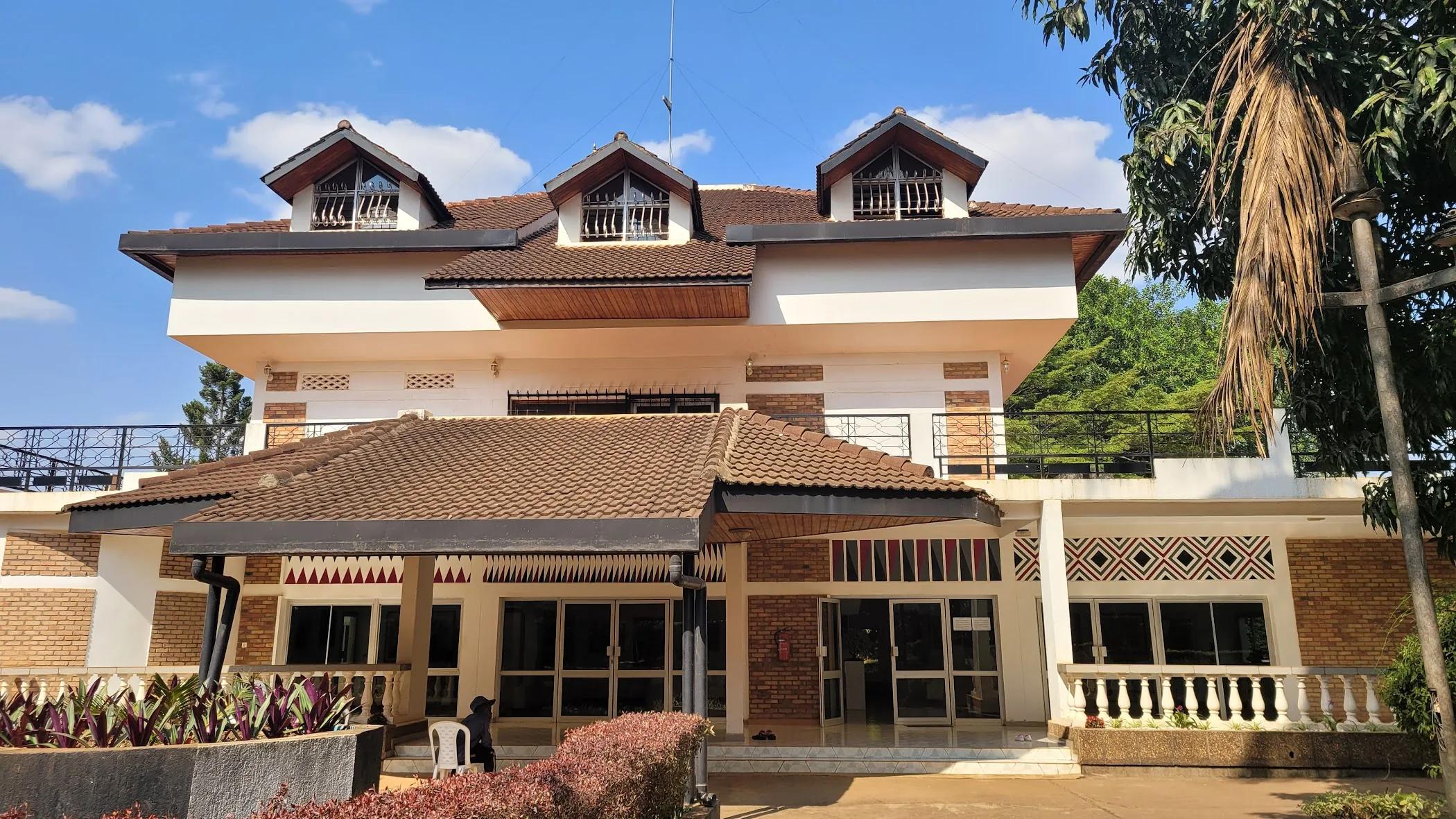
A cultural visit to Kigali should extend beyond a single market. The city contains museums, memorials, galleries, studios, neighborhoods, and social enterprises.
The Kigali Genocide Memorial provides essential historical education and remembrance. Visitors should allow enough time for a respectful visit and avoid treating it like an ordinary tourist photo stop.
Art centers and galleries show the energy of contemporary Rwanda. Paintings, sculpture, photography, fashion, and mixed-media work reveal how young and established artists interpret identity, memory, nature, and urban development.
A guided neighborhood or market experience can introduce visitors to everyday Kigali. However, photography should always be respectful. Ask before photographing vendors, children, homes, or private activities.
Imigongo Art and Eastern Rwanda
Imigongo is a distinctive decorative art traditionally associated with eastern Rwanda. Artists create raised geometric patterns before applying natural colors.
A guided Imigongo experience may include an explanation of the art’s history, materials, designs, and production process. Visitors may observe artists at work or join a supervised workshop.
This cultural activity combines well with a journey toward Akagera National Park. It adds creative heritage to an itinerary otherwise focused on wildlife.
Buying directly from organized artists can support local enterprise. Travelers should choose authentic, locally produced work rather than mass-produced imitations.
Intore Dance and Traditional Performance
Intore dance is one of Rwanda’s most recognizable cultural expressions. Performances may include drums, singing, energetic movement, and carefully designed costumes.
Travelers can watch Intore performances at cultural villages, museums, selected lodges, festivals, and organized events. The official tourism board specifically identifies Intore dancing as an important part of Rwanda’s cultural traditions.
A strong guide will explain the meaning and history and organized events. The official tourism board specifically identifies Intore dancing as an important part of the performance. This turns the experience from entertainment alone into cultural learning.
Guests should remain attentive and respectful during introductions. When performers invite visitors to join a simple dance activity, participation can create a warm exchange. However, visitors should follow the hosts’ lead.
Basket Weaving and Rwandan Handicrafts
Basket weaving remains an important skill in Rwanda. Artisans produce practical containers, decorative pieces, tableware, and the famous agaseke or peace basket.
Patterns and colors can carry cultural meaning. Baskets may be connected with hospitality, marriage, gifts, peace, and family celebrations.
A weaving workshop allows travelers to appreciate the time and precision required to create each item. It also provides direct contact with cooperatives that support artisans.
Whenever possible, purchase crafts directly from community groups, established cooperatives, or verified local shops. Fair purchasing supports skills, household income, and the continuation of cultural knowledge.
Traditional Food Experiences in Rwanda
Food provides one of the most accessible ways to understand local culture. A guided cooking activity may introduce ingredients such as beans, bananas, cassava, sweet potatoes, vegetables, maize, and groundnuts.
Depending on the community and program, visitors may learn how ingredients are grown, prepared, and shared. Some activities begin in a garden or market before moving to a cooking space.
Travelers should inform the organizer about allergies and dietary requirements in advance. Vegetarian meals are generally possible because many traditional dishes use vegetables, beans, grains, and plantains.
A respectful food experience values the hosts’ knowledge and time. It should not treat local meals as a novelty or competition.
Coffee Experiences Around Lake Kivu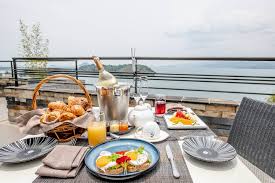
Rwanda produces high-quality coffee, and the Lake Kivu region offers attractive opportunities to learn about its journey from crop to cup.
A coffee tour may include visiting plants, picking ripe cherries during the harvest period, observing washing and drying, roasting beans, grinding coffee, and tasting the final drink.
The activity connects agriculture, rural livelihoods, trade, and tourism. It also combines well with Lake Kivu boat trips, island visits, kayaking, and the Congo Nile Trail.
Coffee programs vary according to season. Even outside the main harvest, visitors can still learn about processing and preparation.
Responsible Cultural Tourism in Rwanda
Responsible tourism begins with choosing community-led experiences. Local people should have a meaningful role in designing, managing, and benefiting from the activity.
Visitors should ask before taking close photographs. This is especially important in homes, schools, markets, workshops, and places of worship. A guide’s permission does not always replace the permission of the person being photographed.
Travelers should avoid giving sweets, money, or gifts directly to children. When guests want to contribute, they should use an established community organization or verified project.
Appropriate clothing shows respect, especially in rural areas, memorials, churches, and family homes. Comfortable, modest clothing works well for most village activities.
Finally, visitors should listen more than they speak. Cultural tourism becomes meaningful when it creates mutual respect rather than a staged performance designed only for cameras.
Best Time for a Rwanda Safari and Cultural Villages Experience
Rwanda can be visited throughout the year. However, weather can influence game drives, trekking, walking tours, and outdoor performances.
The relatively dry seasons generally occur from June to September and December to February. These months usually provide easier conditions for gorilla trekking, chimpanzee tracking, village walks, and wildlife drives.
The wetter periods commonly occur from March to May and October to November. Rain makes the countryside intensely green and can create beautiful photography conditions. Visitor numbers may also be lower.
Cultural activities continue in every season. Many workshops, museums, galleries, and covered performance spaces remain accessible when rain falls.
The best time for a Rwanda safari and cultural villages experience therefore depends on the traveler’s priorities. Dry months are suitable for easier outdoor activities, while green-season travel may provide quieter attractions and lush scenery.
Plan Your Rwanda Cultural Safari with Universal Ventures Rwanda
Universal Ventures Rwanda organizes customized wildlife and cultural safaris throughout Rwanda and Uganda. Our team can arrange Akagera game drives, gorilla trekking, chimpanzee tracking, cultural village visits, community experiences, accommodation, private 4×4 transportation, and professional guides.
Universal Ventures Rwanda Ltd
- Telephone and WhatsApp: +250 781 441 853
- Email: info@universalventuresrwanda.com
- Address: KK 15 Road, opposite the IPRC main entrance, BGRD Building, Kigali, Rwanda
- Website: www.universalventuresrwanda.com

Related Posts


Comments (0)