 Skip to content
A Luxury Rwanda Gorilla and Big Five Safari combines two of Africa’s most sought-after wildlife…
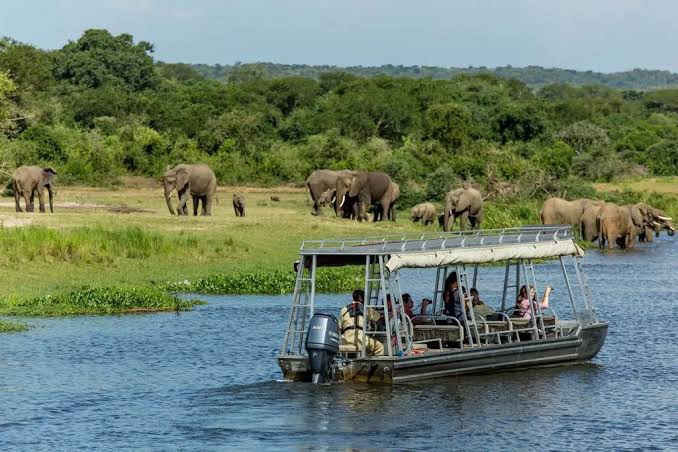
Rwanda Safari with Akagera Boat Safaris
A Rwanda safari with Akagera boat safaris combines traditional African game viewing with a peaceful wildlife cruise on Lake Ihema. Instead of seeing animals only from a safari vehicle, visitors can explore Akagera National Park from both land and water. This creates opportunities to observe hippos, Nile crocodiles, elephants, buffaloes, antelopes, monkeys, and an exceptional variety of waterbirds.
Akagera National Park lies in eastern Rwanda, close to the Tanzanian border. Its landscapes include open savannah, wooded hills, papyrus wetlands, grasslands, and several lakes. These different habitats make Akagera one of East Africa’s most varied and attractive protected areas.
The park is also Rwanda’s only Big Five safari destination. Lions, leopards, elephants, buffaloes, and rhinoceroses live alongside giraffes, zebras, hippos, crocodiles, hyenas, antelopes, baboons, and hundreds of bird species.
A boat safari on Lake Ihema provides a quieter contrast to a game drive. Guests travel along the lake under the direction of an experienced boat guide. Hippos may appear near the boat, crocodiles can be seen resting along the shore, and waterbirds occupy the islands, reeds, and trees surrounding the lake.
This complete guide explains what to expect from Akagera boat safaris, the wildlife found around Lake Ihema, the best departure time, safari costs, accommodation, packing advice, and recommended Rwanda itineraries.
Why Choose a Rwanda Safari with Akagera Boat Safaris?
Most Rwanda safari itineraries include a game drive through Akagera National Park. Although a game drive remains essential, adding a Lake Ihema boat trip creates a more complete wildlife experience.
From a vehicle, visitors can search for lions, rhinoceroses, elephants, giraffes, zebras, buffaloes, and antelopes. From the boat, attention shifts towards hippos, crocodiles, waterbirds, wetlands, and animals approaching the lake to drink.
The changing perspective is one of the principal advantages. During a vehicle safari, visitors look across the plains and wooded hills. On the lake, they travel close to papyrus, forested shorelines, islands, and open water.
A boat excursion can also be relaxing after several hours on rough park roads. Guests remain seated while the guide navigates the lake and explains its wildlife. The slower pace suits families, photographers, birdwatchers, couples, small groups, and travellers combining Akagera with more demanding activities elsewhere in Rwanda.
Where Do Akagera Boat Safaris Take Place?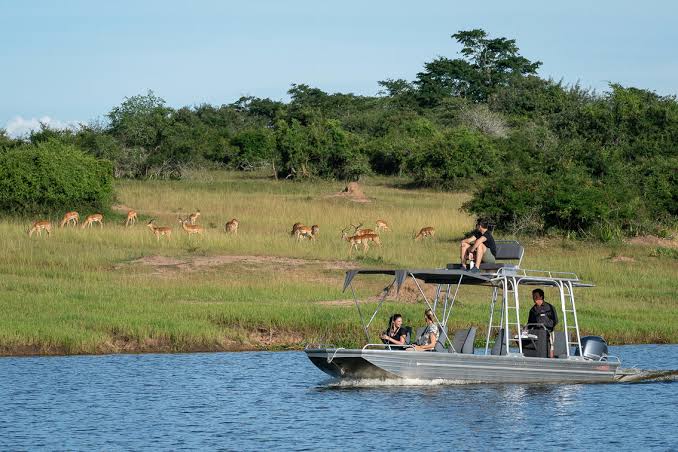
Boat safaris take place on Lake Ihema in the southern part of Akagera National Park. Lake Ihema is surrounded by wetlands, woodland, papyrus, and wildlife-rich shorelines.
The lake supports large groups of hippos and Nile crocodiles. Its islands and surrounding vegetation provide nesting, feeding, and resting areas for many birds.
Animals living in the surrounding savannah may approach the water. Depending on the season and natural movements, visitors could see elephants, buffaloes, antelopes, monkeys, or other wildlife near the shoreline.
Visit Rwanda identifies a Lake Ihema boat trip as one of Akagera’s leading activities, particularly for viewing hippos, Nile crocodiles, and abundant waterbirds. Visit Rwanda – Akagera National Park
Understanding Akagera National Park
Akagera National Park covers approximately 100,000 hectares in eastern Rwanda. It takes its name from the Akagera River, which forms part of Rwanda’s border with Tanzania.
The park’s ecosystem differs significantly from Rwanda’s mountain rainforests. Volcanoes National Park contains volcanic slopes and bamboo forest, while Nyungwe protects high-altitude rainforest. Akagera consists mainly of savannah, woodland, wetlands, lakes, and grassy hills.
This variety allows travellers to experience several forms of African nature within one small country. A Rwanda holiday can include gorilla trekking in Volcanoes National Park, chimpanzee trekking in Nyungwe, Lake Kivu relaxation, and a Big Five safari in Akagera.
Akagera is managed through a partnership between the Rwanda Development Board and African Parks. Wildlife restoration and conservation programmes have helped rebuild important animal populations and strengthen protection.
Akagera’s Big Five Wildlife
Akagera is home to Africa’s famous Big Five: lions, leopards, elephants, buffaloes, and rhinoceroses. However, each species behaves differently, and sightings cannot be guaranteed.
Lions in Akagera National Park
Lions were reintroduced to Akagera after being absent from the park for many years. They now form part of the restored savannah ecosystem.
Early morning and late afternoon are generally productive times to search for them. Lions may rest in grass, woodland, or shaded areas during warmer hours.
A knowledgeable guide can study tracks, listen for alarm calls, and communicate with other guides. Nevertheless, visitors should appreciate that Akagera is a natural environment rather than a controlled wildlife attraction.
Leopards in Akagera
Leopards are more difficult to find because they are solitary, well camouflaged, and often active during quieter hours. They may use wooded areas, rocky landscapes, or dense vegetation.
Seeing one is a special moment, but travellers should not judge the quality of an Akagera safari only by leopard sightings. The park’s broader landscapes, birds, wetlands, and other animals create a rewarding experience even when elusive predators remain hidden.
Elephants Around Akagera’s Lakes
Elephants move across Akagera in search of food, water, and suitable habitat. They may be encountered along game-drive routes or near the park’s lakes.
Observing elephants beside the water from a boat can be memorable. However, their movements vary, so a Lake Ihema sighting is never guaranteed.
Visitors must remain inside the boat and follow the guide’s directions. Wildlife should always be given enough space.
Buffaloes in Akagera
African buffaloes are commonly observed in Akagera. They may travel in herds, rest near water, or feed across the grasslands.
During the dry season, groups sometimes gather near lakes and wetlands. Boat passengers may see them along the Lake Ihema shoreline.
Buffaloes are powerful wild animals. Visitors should never leave a vehicle or approach them without an authorised guide.
Rhinoceroses in Akagera
Rhinoceroses have been returned to Akagera as part of a major conservation effort. Both black and white rhinoceroses form part of the park’s protected wildlife population.
They are generally encountered during game drives rather than boat trips. The northern plains and other suitable habitats may offer viewing opportunities.
Guides follow strict rules when locating rhinoceroses. These measures protect the animals and reduce disturbance.
Wildlife Seen During an Akagera Boat Safari
Hippos on Lake Ihema
Hippos are among the most frequently observed animals during an Akagera boat safari. They spend much of the day in water, where they remain cool and rest in groups.
Visitors may see their heads and backs breaking the surface. They may also hear their deep calls across the lake.
Although hippos can appear relaxed, they are wild and territorial animals. The boat guide maintains a safe distance and chooses an appropriate route around each group.
Passengers should remain seated when requested and avoid making sudden movements. They should never attempt to feed or attract the animals.
Nile Crocodiles
Nile crocodiles live in Lake Ihema and may be seen near the shore, on islands, or in shallow water. Some remain almost completely hidden, while others rest in open areas.
A guide can help visitors distinguish crocodiles from logs or vegetation. Binoculars and a zoom lens provide closer views without disturbing them.
Crocodile sightings are often easier during sunny conditions when individuals rest outside the water. However, wildlife activity changes throughout the day.
Elephants and Buffaloes Near the Shoreline
Elephants and buffaloes occasionally approach the water to drink or cool down. Seeing them from the lake provides a different photographic angle from a game drive.
Animals may arrive briefly and return to the woodland. Passengers should therefore keep cameras ready while still taking time to enjoy the moment directly.
Antelopes and Other Mammals
Antelopes may appear in open areas beside the lake. Species found in Akagera include impalas, topis, waterbucks, bushbucks, elands, and smaller antelopes.
Vervet monkeys, olive baboons, and other mammals may also be seen in the surrounding vegetation. Sightings depend on the boat route, time, weather, and natural animal movements.
Birdwatching During Akagera Boat Safaris
Akagera is one of Rwanda’s leading birdwatching destinations. Its combination of wetlands, lakes, woodlands, and savannah supports more than 480 recorded bird species.
The Lake Ihema boat safari is particularly productive for waterbirds. Possible sightings include African fish eagles, pied kingfishers, malachite kingfishers, grey herons, goliath herons, egrets, cormorants, African jacanas, open-billed storks, and various ducks.
Papyrus areas may support more specialised wetland birds. Bird sightings vary, so travellers with a particular target species should arrange a knowledgeable birding guide.
A boat provides a useful photography platform because visitors can approach suitable viewing areas without walking through the wetlands. Nevertheless, guides still maintain appropriate distances from nests and sensitive birds.
The Shoebill in Akagera National Park
The shoebill is one of Africa’s most distinctive wetland birds. It is associated with papyrus swamps and other suitable wetland habitats.
Akagera lies within the shoebill’s wider regional range, and sightings have been recorded. However, the bird is elusive and should never be guaranteed on a standard boat trip.
Travellers whose main goal is to find a shoebill should communicate this interest when planning the safari. A specialist birding programme may allow more time in suitable areas.
Even without a shoebill sighting, the diversity of waterbirds around Lake Ihema makes the boat excursion worthwhile.
What Happens During an Akagera Boat Safari?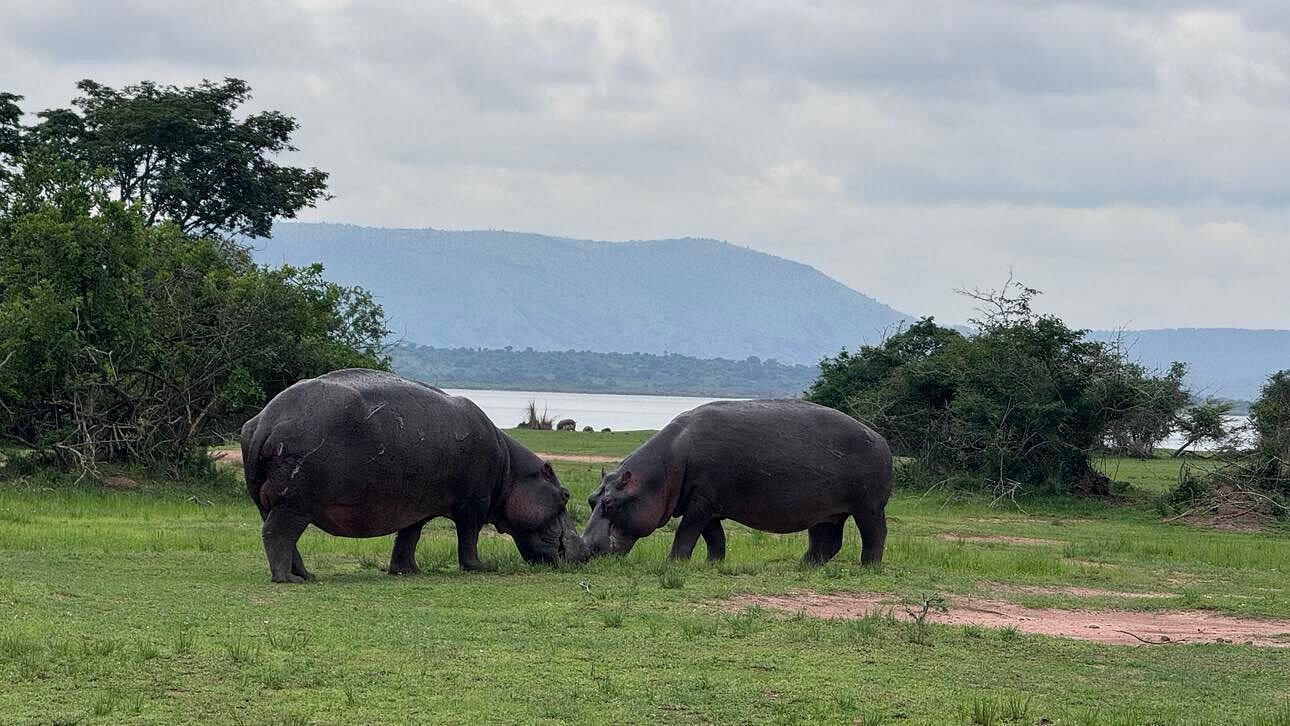
Visitors should arrive at the designated departure point before the scheduled time. Early arrival allows enough time for registration, safety instructions, and boarding.
The boat guide explains essential rules before departure. Passengers receive life jackets and are shown where to sit. Guests should follow all instructions throughout the excursion.
After leaving the jetty, the boat travels towards productive wildlife and birdwatching areas. The exact route depends on lake conditions, recent sightings, and animal movements.
The guide identifies wildlife and explains the Lake Ihema ecosystem. The boat may slow down near hippos, crocodiles, birds, or animals on the shore while maintaining a safe viewing distance.
Photography is encouraged, but visitors should secure cameras and mobile phones. Equipment can be damaged if dropped into the water or exposed to spray.
After the excursion, the boat returns to the departure point. Visitors may then continue with a game drive, lunch, lodge check-in, or another park activity.
Akagera Boat Safari Departure Times
African Parks currently lists scheduled Lake Ihema boat excursions at approximately:
- 7:30 a.m.
- 9:00 a.m.
- 3:00 p.m.
- 4:30 p.m.
Private trips may be arranged at other times, subject to availability and park confirmation. Schedules can change, so visitors should confirm the exact departure time when booking. African Parks – visiting Akagera
Morning Akagera Boat Safari
A morning boat safari often provides cool temperatures and active birdlife. The lake may also be calmer before afternoon winds or rain develop.
The 7:30 a.m. departure works well for travellers staying inside or close to the park. Afterwards, they can enjoy breakfast or continue with a game drive.
The 9:00 a.m. trip may be more convenient for visitors entering the park that morning. However, travellers driving from Kigali must leave very early to complete registration and reach the boat on time.
Morning light can be attractive for photography. The direction of sunlight changes with the boat’s position, so visitors should remain flexible.
Afternoon Akagera Boat Safari
An afternoon boat trip combines well with a morning or full-day game drive. Visitors can search for savannah wildlife before travelling to Lake Ihema.
The 3:00 p.m. departure allows time for another activity afterwards. The 4:30 p.m. excursion may provide softer light and a peaceful end to the day.
Clouds and afternoon showers are possible, particularly during wetter periods. Guests should carry lightweight rain protection.
Those returning to Kigali should consider the driving time and park exit regulations. An overnight stay is usually more relaxed after a late boat excursion.
Scheduled Versus Private Boat Safaris
A scheduled boat safari is shared with other visitors. It is generally the most economical option and provides the same access to the lake ecosystem.
A private boat gives a family or small group greater flexibility. It may suit photographers, birdwatchers, private families, or travellers celebrating a special occasion.
However, a private trip does not guarantee more wildlife. Animal sightings still depend on nature.
Private departures should be booked early, particularly during busy travel months. The requested time remains subject to boat, guide, and park availability.
One-Day Rwanda Safari with Akagera Boat Safaris
A one-day Akagera safari is possible from Kigali. The journey normally begins very early because travellers need enough time for road transfers, registration, a game drive, and the boat excursion.
Early-Morning Departure from Kigali
Meet your driver-guide at the hotel and begin the journey towards eastern Rwanda. The drive passes towns, farming areas, and rolling countryside before reaching Akagera National Park.
On arrival, complete registration and receive a short introduction. The safari then begins through the southern part of the park.
Morning Game Drive
Search for giraffes, zebras, elephants, buffaloes, antelopes, baboons, monkeys, and other wildlife. Lions, leopards, and rhinoceroses may also be encountered, although sightings depend on their location.
The driver-guide selects a route according to current road conditions, animal movements, and the boat schedule.
Lake Ihema Boat Safari
Arrive at the boat departure point before the reserved time. Enjoy a guided trip in search of hippos, crocodiles, waterbirds, and animals near the shoreline.
The boat safari normally becomes one of the day’s highlights because it provides a contrasting perspective from the vehicle.
Lunch and Afternoon Game Drive
Enjoy lunch at an appropriate location before continuing with another game drive. The route may explore southern lakes, woodland, or open savannah.
Leave the park with enough time to return safely to Kigali. Arrival is usually in the evening.
Is One Day Enough for Akagera National Park?
One day provides an introduction to Akagera and works well for visitors with limited time. A game drive and boat safari can be included when the schedule is carefully organised.
However, the park is larger and more varied than many first-time visitors expect. A one-day safari cannot cover every area.
Travellers who stay overnight can explore at a slower pace. They can choose an early boat trip, enjoy a longer game drive, or travel towards the wildlife-rich northern plains.
A two- or three-day itinerary also creates opportunities for night drives, additional birdwatching, conservation activities, and relaxed time at the lodge.
Two-Day Akagera Game Drive and Boat Safari
Day 1: Kigali to Akagera and Lake Ihema
Leave Kigali in the morning and travel to Akagera National Park. After registration, begin a game drive through the southern section.
Stop for lunch before joining an afternoon boat safari on Lake Ihema. Search for hippos, crocodiles, elephants, buffaloes, and waterbirds.
After the boat excursion, continue to a lodge or tented camp for dinner and overnight.
Day 2: Full Game Drive and Kigali Return
Begin with an early breakfast and enter the park while temperatures are cool. Explore the central and northern areas in search of lions, rhinoceroses, giraffes, elephants, zebras, buffaloes, and antelopes.
The northern plains often provide broad views and classic savannah scenery. Exit the park through the northern gate when the selected route and road conditions allow.
Return to Kigali in the late afternoon or evening.
Combining the Boat Safari with a Full Akagera Game Drive
The most balanced Akagera itinerary includes both a game drive and a Lake Ihema excursion. Each activity focuses on a different part of the ecosystem.
The game drive provides access to savannah, hills, woodland, and plains. It offers the best chance of finding the Big Five and other land animals.
The boat safari concentrates on the lake, islands, shoreline, and wetlands. It is particularly useful for hippos, crocodiles, and waterbirds.
Together, the two activities explain why Akagera is much more than a traditional grassland park. Its wetlands form an essential part of the protected landscape.
Best Time for a Rwanda Safari with Akagera Boat Safaris
Akagera National Park remains open throughout the year. Each season offers different advantages.
June to September
June, July, August, and September usually receive less rain. Vegetation may become thinner, and animals often gather closer to permanent water sources.
Road conditions are generally easier, and the dry months are popular for game viewing. Permits, vehicles, and accommodation should be booked early.
Lake Ihema remains productive for hippos, crocodiles, and birds. Visitors should carry sun protection and enough water.
December to February
December, January, and February form another relatively dry period. These months can provide good game-viewing and boat-safari conditions.
Christmas and New Year are busy, so early reservations are important.
Temperatures in Akagera can feel warmer than in Kigali or Rwanda’s mountain parks. Lightweight clothing, sunscreen, and a hat are useful.
March to May
March, April, and May generally receive more rain. The park becomes green, and the landscape can be beautiful for photography.
Some animals may spread across wider areas because water is more readily available. Taller vegetation can occasionally make wildlife harder to see.
Rain may affect roads and boat schedules. However, showers do not always last all day.
October and November
October and November bring another wetter period. Birdwatching can be rewarding, while clouds may produce dramatic skies and softer photography light.
Travellers should carry rain protection and maintain a flexible itinerary. The park team may adjust activities when weather conditions affect safety.
Best Akagera Accommodation for a Boat Safari
Choosing suitable accommodation can improve a Rwanda safari with Akagera boat safaris. Visitors staying inside or close to the park can reach early boat departures more easily. They also have more time for game drives, birdwatching, and other nature activities.
Akagera offers accommodation for different budgets. Options include campsites, comfortable safari lodges, tented camps, and exclusive luxury properties. The best choice depends on the traveller’s budget, preferred comfort, itinerary, and boat departure time.
Travellers planning an early morning Lake Ihema boat safari should confirm the driving time between their accommodation and the departure point. Akagera is a large park, and travelling between different areas can take longer than expected.
Ruzizi Tented Lodge
Ruzizi Tented Lodge is located in a forested setting near Lake Ihema. Its position makes it especially convenient for visitors interested in boat safaris and southern Akagera game drives.
The lodge offers tented accommodation connected by raised wooden walkways. Its natural setting allows guests to experience the sights and sounds of Akagera while enjoying comfortable facilities.
Guests can combine a Lake Ihema boat excursion with game drives, birdwatching, night drives, or a conservation-focused activity. African Parks lists scheduled boat departures at 7:30 a.m., 9:00 a.m., 3:00 p.m., and 4:30 p.m., with private trips possible at other agreed times.
Ruzizi works well for couples, photographers, nature lovers, families, and small groups wanting to stay close to the lake.
Akagera Game Lodge
Akagera Game Lodge is a convenient option in the southern part of the park. It offers comfortable rooms, restaurant facilities, a swimming pool, and views across the surrounding landscape.
The lodge’s location provides access to the park reception area, Lake Ihema, southern game-drive circuits, and the road towards the northern plains.
Akagera Game Lodge can suit travellers who prefer a conventional hotel rather than tented accommodation. It is also useful for groups because it has more rooms and facilities than smaller camps.
Visitors should still confirm the transfer time to their scheduled boat trip. They need to arrive early enough for registration and the safety briefing.
Magashi Camp
Magashi Camp is an exclusive safari property in Akagera’s northern area. It overlooks Lake Rwanyakazinga and provides access to a wildlife-rich private-use zone.
The camp focuses on a high-end safari experience with guided game drives, boating, birdwatching, and other nature activities. It is best suited to travellers seeking luxury accommodation and personalised guiding.
Because Magashi is in northern Akagera rather than beside Lake Ihema, travellers interested in a specific Lake Ihema boat safari must plan their route carefully. They may require additional driving time through the park.
Magashi is a suitable addition to a longer Akagera itinerary. Visitors can explore the northern plains and then continue south for the Lake Ihema experience.
Karenge Bush Camp
Karenge Bush Camp is a seasonal wilderness camp in the northern part of Akagera. It offers a simpler and more remote safari atmosphere.
The camp appeals to guests who value nature, quiet surroundings, and close contact with the environment. However, its northern location means it is not the most convenient choice for an early Lake Ihema departure.
A stay at Karenge can be combined with a north-to-south game drive and an afternoon boat safari. The exact plan should be confirmed according to camp opening dates, park conditions, and boat availability.
Akagera Campsites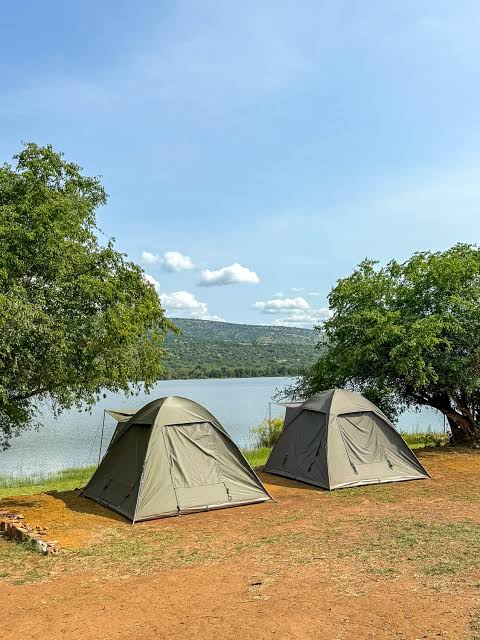
Camping is one of the most affordable ways to stay inside Akagera National Park. It also provides an immersive experience surrounded by natural sounds and open landscapes.
Visitors must bring or arrange suitable camping equipment, food, water, and other supplies. Camping should be organised through authorised channels, and guests must follow all park regulations.
Wild animals move freely through the park. Campers must store food correctly, avoid walking away from designated areas, and follow ranger instructions. Children should remain under responsible adult supervision.
Camping can reduce accommodation expenses. However, travellers should compare the cost and effort of equipment, cooking, park transfers, and logistics before deciding whether it offers the best overall value.
Accommodation Outside Akagera National Park
Several guesthouses and small lodges operate outside the park. These properties may offer lower prices than accommodation inside Akagera.
Staying outside can work for travellers planning a one-day game drive or those arriving late on the previous evening. Nevertheless, guests need enough time to enter the park, complete registration, and reach the boat departure point.
The lowest room price does not always create the cheapest safari. Additional driving, fuel, and early-morning transfers may reduce the apparent savings.
How Much Does an Akagera Boat Safari Cost?
The total cost of a Rwanda safari with Akagera boat safaris includes more than the boat ticket. Travellers should budget for park entry, the safari vehicle, fuel, guide services, accommodation, meals, and transportation from Kigali.
Boat fees can vary according to nationality, age category, scheduled or private departure, and current park tariffs. Therefore, travellers should request an updated quotation for their travel date rather than relying on an old online price.
A complete safari quotation should explain whether the following services are included:
- Lake Ihema boat excursion
- Akagera National Park entrance
- Safari vehicle and fuel
- Professional driver-guide
- Park guide where required
- Accommodation
- Meals and drinking water
- Kigali hotel transfers
- Taxes and administration charges
- Optional activities
Private boat trips cost more than shared scheduled departures. However, they may provide more flexibility for families, photographers, birdwatchers, and private groups.
Akagera National Park Entrance Fees
Park entrance is charged separately from some optional activities. The applicable rate depends on the visitor’s nationality, residency status, and length of stay.
Visitors staying for more than one day should confirm how the park calculates multiple-day access. Vehicle entry and guiding services may also be charged separately.
Children and qualifying residents may receive different rates. Travellers must carry suitable identification if they book under a resident or national category.
All rates are subject to change. An authorised tour operator can combine the charges into one package and confirm the total before payment.
Transport Costs From Kigali to Akagera
Akagera is approximately a two-and-a-half to three-hour drive from Kigali, depending on the departure point, traffic, road conditions, and park entrance procedures.
The transport price normally includes a suitable safari vehicle, fuel, and an experienced driver-guide. Some packages also include bottled water, lunch, and airport or hotel transfers.
A private vehicle costs more per person for a solo traveller. Two or more guests can divide the transport expense, making group travel more economical.
Visitors should choose a vehicle with good visibility and enough space. A pop-up roof can improve wildlife viewing and photography during the game drive.
Budget Akagera Boat Safari
A budget Akagera safari usually uses a shared vehicle or small-group departure, a scheduled boat excursion, and simple accommodation outside or close to the park.
The package should still include reliable transport, a professional guide, park entry, and confirmed boat reservations. Safety and organisation should never be reduced to achieve a lower price.
A one-day trip from Kigali is often the most affordable choice because it avoids accommodation expenses. However, it involves an early departure and a late return.
Mid-Range Akagera Boat Safari
A mid-range safari commonly includes a private vehicle, comfortable lodge accommodation, full-board meals, a scheduled boat trip, and one or two days of game viewing.
This option provides a balance between comfort and price. Staying inside the park also makes the itinerary more relaxed.
A two-day mid-range safari works well for couples, families, and small groups. It allows time for both southern wetlands and northern savannah.
Luxury Akagera Boat Safari
A luxury safari can include premium accommodation, private game drives, a private boat excursion, high-quality meals, and personalised guiding.
Some travellers also add scenic flights or helicopter transfers. These reduce road travel but substantially increase the package cost.
The main value of a luxury safari is greater privacy, comfort, and flexibility. It does not guarantee more wildlife, because sightings always depend on natural animal movements.
Scheduled Boat Safari or Private Boat Safari?
A scheduled boat safari offers good value and follows a set departure time. Visitors share the boat with other travellers.
This is a practical choice for solo guests, couples, and budget-conscious visitors. It also creates an opportunity to meet people with a shared interest in wildlife.
A private boat provides exclusive use for a family or group. It may allow the guide to focus more closely on photography, bird identification, or the needs of younger travellers.
Private trips are subject to boat and guide availability. They must also follow park rules and safety conditions.
Photography During an Akagera Boat Safari
Lake Ihema offers excellent opportunities for wildlife and landscape photography. Hippos, crocodiles, birds, reflections, islands, and shoreline mammals provide a wide range of subjects.
However, photography from a moving boat requires preparation. The boat may change direction, and animals can appear unexpectedly.
A camera with a moderate telephoto lens offers useful flexibility. Very large equipment can become difficult to handle in a shared space.
Photographers should secure cameras with a strap and protect them from spray. A waterproof camera cover or dry bag is helpful.
Photographing Hippos
Hippos may appear above the surface only briefly. Photographers should use a suitable shutter speed and remain ready for changes in behaviour.
The guide will maintain a safe distance. Visitors must never ask the boat operator to move dangerously close for a photograph.
A wider image showing the hippo within the lake can tell a stronger story than a tightly cropped picture. Reflections and surrounding birds can also add interest.
Photographing Crocodiles
Crocodiles often remain still near the shoreline. Their colouring can blend into mud, rocks, branches, and vegetation.
A telephoto lens allows detailed photographs without approaching too closely. Visitors should listen to the guide, who may identify crocodiles that are difficult to notice.
Photographers must avoid standing suddenly or moving around the boat without permission.
Bird Photography on Lake Ihema
Bird photography is one of the strongest reasons to include a Lake Ihema boat safari. Kingfishers, fish eagles, herons, cormorants, storks, jacanas, and other waterbirds may be observed.
A fast shutter speed helps photograph birds in flight. Continuous autofocus and burst mode may also be useful.
Nevertheless, visitors should avoid taking photographs continuously without observing the wider environment. A boat safari is an experience to enjoy as well as document.
Landscape Photography
Morning and late-afternoon light can create attractive colours and reflections across Lake Ihema. Clouds, reeds, islands, and distant hills provide strong landscape compositions.
A wide-angle or standard lens is useful for showing the complete wetland setting. Mobile phones can also produce good landscape photographs when protected from water.
Visitors should avoid using drones unless they have received all required authorisations. Protected areas generally have strict rules about aerial equipment because it can disturb animals.
What to Wear for an Akagera Boat Safari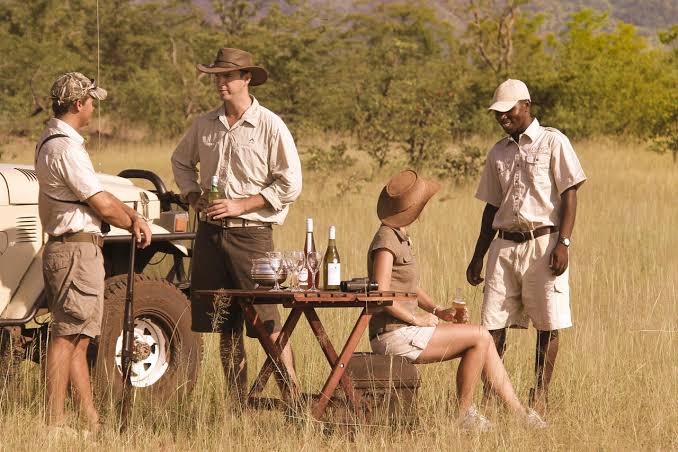
Akagera is warmer than Rwanda’s highland and rainforest destinations. Lightweight, comfortable clothing is normally suitable during the day.
Neutral colours such as beige, green, brown, or grey work well for safari activities. Bright clothing is not automatically prohibited, but natural colours are less visually distracting.
A long-sleeved shirt can provide protection from sun and insects. Lightweight trousers are useful for game drives and evening activities.
Visitors should carry a light jacket for early morning or late afternoon, particularly when travelling in an open vehicle or boat.
What to Pack for a Rwanda Safari with Akagera Boat Safaris
Sun Protection
Bring a hat, sunglasses, and suitable sunscreen. Sunlight reflects from the water and can feel stronger during the boat trip.
Apply sunscreen before departure and carry enough for the day.
Drinking Water
Carry enough water for the game drive and boat excursion. Some safari packages include drinking water, but this should be confirmed in advance.
Reusable bottles reduce plastic waste.
Binoculars
Binoculars improve views of waterbirds, crocodiles, shoreline animals, and distant wildlife.
A pair can be shared, although keen birdwatchers may prefer to carry their own.
Camera Protection
Use a waterproof bag or camera cover. A clean cloth can remove light spray or dust from the lens.
Carry spare batteries and memory cards because charging facilities may be limited during a full-day safari.
Insect Repellent
Wetlands can support mosquitoes and other insects. Visitors should use appropriate repellent and wear long sleeves when necessary.
Medical travel questions should be discussed with a qualified healthcare professional before departure.
Personal Medication
Carry any essential medication in the daypack rather than leaving it in the main luggage. Bring enough for the complete journey.
Travellers with allergies or health conditions should inform the tour operator before the safari.
Rain Jacket
Short rain showers can occur, including during relatively dry months. A lightweight waterproof jacket protects both the traveller and personal equipment.
The boat operator may change or delay an activity if weather conditions become unsafe.
Safety During Akagera Boat Safaris
Akagera boat excursions are guided activities. Visitors receive safety information before boarding and must follow it throughout the trip.
Every passenger should wear the provided life jacket correctly. Children require properly fitted safety equipment and close adult supervision.
Guests should remain seated when directed, keep their arms inside the boat, and avoid sudden movements. They should not feed or call wildlife.
Hippos and crocodiles are powerful wild animals. The guide chooses a safe route and viewing distance based on experience and current conditions.
Alcohol should not be consumed before or during the activity. Visitors need to remain attentive and able to follow instructions.
Akagera Boat Safaris for Families
A Rwanda safari with Akagera boat safaris can be a rewarding family experience. Children often enjoy seeing hippos, crocodiles, elephants, and colourful birds from the water.
Parents should confirm minimum-age rules, life-jacket sizes, boat capacity, and private-trip availability before booking.
A private excursion may suit families because it provides a quieter environment and more control over pacing. However, it still follows the park’s safety rules and approved route.
Families should bring sun protection, water, snacks where permitted, and suitable clothing. Young children must remain seated and supervised throughout the boat trip.
Akagera Boat Safaris for Senior Travellers
A boat safari can be less physically demanding than gorilla trekking or mountain hiking. Nevertheless, visitors must be able to enter and leave the boat safely.
Travellers with limited mobility should explain their needs before booking. The operator can then check the jetty, boarding arrangements, and available assistance.
A private trip may provide more time for boarding and seating. However, accessibility depends on current facilities and water conditions.
Akagera Boat Safaris for Couples
Couples can include a private afternoon boat trip as part of a honeymoon, anniversary, or nature-focused Rwanda holiday.
Soft afternoon light and the quiet lake setting create a relaxed experience. An overnight stay prevents the need to rush back to Kigali.
The boat safari can be combined with a private game drive, lakeside accommodation, or a longer Rwanda itinerary including Volcanoes National Park and Lake Kivu.
Akagera Boat Safaris for Birdwatchers
Birdwatchers should inform the operator of their interests in advance. A suitable guide can spend more time identifying wetland species and explaining habitat.
Morning departures are often productive because birds may be active and temperatures are cooler. However, sightings vary throughout the year.
Visitors should bring binoculars, a field guide or identification application, a notebook, and camera equipment if required.
Rare species cannot be guaranteed. The best approach is to appreciate the complete diversity of Lake Ihema.
Combining Akagera with Gorilla Trekking
Akagera and Volcanoes National Park provide two very different wildlife experiences. Akagera offers savannah game drives and boat safaris, while Volcanoes National Park protects mountain gorillas and golden monkeys.
A five- or six-day itinerary can include Kigali, Akagera, and Volcanoes National Park without becoming overly rushed.
Travellers may begin with Akagera before continuing north to Musanze. Alternatively, they can complete gorilla trekking first and finish with a more relaxed boat safari.
The final order should consider permit availability, flight schedules, accommodation, and traveller fitness.
Combining Akagera with Nyungwe National Park
Nyungwe adds rainforest hiking, chimpanzee trekking, colobus monkey tracking, waterfalls, birdwatching, and the canopy walkway.
A longer itinerary can begin in Akagera, continue through Kigali towards Nyungwe, and finish at Lake Kivu or Volcanoes National Park.
This combination reveals Rwanda’s ecological range. Visitors move from eastern savannah and wetlands to southwestern mountain rainforest.
At least seven to nine days are recommended if Akagera, Nyungwe, and Kigali are included.
Combining Akagera with Lake Kivu
Lake Kivu offers kayaking, boat trips, beaches, islands, coffee experiences, and sections of the Congo Nile Trail.
It creates a relaxing contrast to early-morning game drives in Akagera. Travellers can rest beside the lake before continuing to Volcanoes or Nyungwe national parks.
A complete Rwanda water-based itinerary could include Lake Ihema in Akagera and Lake Kivu in western Rwanda. Although both involve boats, their landscapes and wildlife are very different.
Four-Day Akagera and Volcanoes Safari
Day 1: Kigali to Akagera National Park
Leave Kigali in the morning and travel to Akagera. Complete registration before beginning a southern game drive.
Join an afternoon boat safari on Lake Ihema. Afterwards, transfer to the lodge for dinner and overnight.
Day 2: Akagera Game Drive and Transfer to Musanze
Begin early and explore Akagera’s central and northern areas. Search for lions, rhinoceroses, elephants, giraffes, zebras, buffaloes, and antelopes.
Exit the park and continue towards Musanze. Arrive at the lodge near Volcanoes National Park in the evening.
Day 3: Gorilla or Golden Monkey Trekking
Attend the morning briefing at the Volcanoes National Park headquarters. Complete gorilla trekking or golden monkey tracking.
Afterwards, visit the Ellen DeGeneres Campus or rest at the lodge.
Day 4: Musanze to Kigali
Enjoy breakfast before returning to Kigali. Depending on the flight schedule, visit the Kigali Genocide Memorial, an art centre, a market, or a craft shop.
Transfer to Kigali International Airport or a city hotel.
Responsible Tourism in Akagera
Responsible tourism protects wildlife and helps maintain the quality of future safari experiences. Visitors should remain on authorised roads, follow speed limits, and avoid disturbing animals.
Drivers should never surround wildlife or move off-road without permission. Guests should remain quiet around sensitive animals and avoid throwing food or waste from the vehicle or boat.
Plastic, food packaging, and other litter must leave the park. Reusable bottles and containers are encouraged where practical.
Visitors should respect guides, rangers, lodge employees, and surrounding communities. Purchasing locally made crafts and using recognised community experiences can increase the positive economic value of tourism.
Conservation and the Akagera Boat Safari
Lake Ihema forms part of a wider wetland system that supports fish, birds, reptiles, mammals, and surrounding communities. Protecting water quality and wetland vegetation is essential to the park’s future.
Boat operations must balance visitor access with wildlife protection. Guides avoid dangerous approaches and sensitive nesting areas.
Safari revenue contributes to park management, wildlife monitoring, employment, and conservation. By following regulations and booking authorised activities, visitors support the continued protection of Akagera National Park.
How to Plan a Rwanda Safari with Akagera Boat Safaris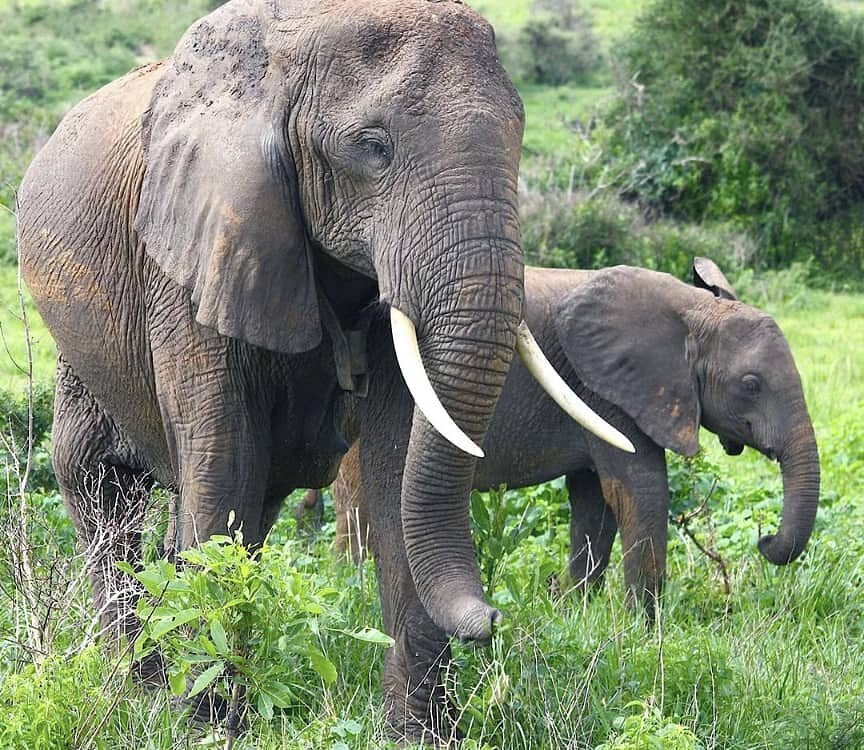
A successful Rwanda safari with Akagera boat safaris requires coordination between the park entry time, game-drive route, boat reservation, accommodation, and transport from Kigali. Travellers should confirm the boat excursion before finalising the rest of the itinerary because scheduled departures have limited capacity.
A one-day safari can include a game drive and boat trip, but it requires an early departure from Kigali. Staying overnight provides a more relaxed experience and allows visitors to explore more of Akagera’s northern and southern habitats.
The itinerary should also account for seasonal road conditions. During rainy periods, some routes may take longer. Therefore, the driver-guide may adjust the game drive while protecting the confirmed boat departure.
Step 1: Choose the Number of Safari Days
Travellers should first decide how much time they can spend in Akagera. One day provides an introduction, while two or three days create a more complete safari.
A one-day trip suits travellers with limited time in Rwanda. It normally includes a southern game drive, Lake Ihema boat excursion, lunch, and evening return to Kigali.
A two-day trip allows visitors to stay inside or near the park. They can enjoy an afternoon boat safari on the first day and a longer game drive through the central and northern regions on the second day.
Three days provide more flexibility for birdwatching, night drives, conservation experiences, photography, and unhurried wildlife viewing.
Step 2: Select a Boat Departure Time
Scheduled Lake Ihema boat trips are commonly offered at approximately 7:30 a.m., 9:00 a.m., 3:00 p.m., and 4:30 p.m. Private excursions may be arranged at alternative times when boats and guides are available.
Morning departures suit birdwatchers and visitors staying near Lake Ihema. Afternoon departures combine well with a game drive from the park entrance.
The 4:30 p.m. trip may offer attractive light, but travellers should normally stay overnight instead of rushing back to Kigali afterwards.
Departure schedules may change. Therefore, every time should be reconfirmed directly with the park or through the tour operator.
Step 3: Choose Scheduled or Private Boating
Scheduled excursions are shared with other park visitors. They are usually the most affordable option and work well for couples, solo travellers, and small groups.
Private excursions provide exclusive use of the boat. They suit families, photographers, birdwatchers, honeymooners, and travellers who value privacy.
Private boating provides flexibility but does not guarantee special wildlife sightings. Every excursion must follow the same safety and conservation rules.
Step 4: Reserve the Correct Accommodation
Accommodation should match the boat departure and intended game-drive route. A visitor joining an early Lake Ihema excursion should stay near the southern part of Akagera.
Travellers staying in the northern area need to allow more time to reach Lake Ihema. They may prefer an afternoon departure after completing a game drive towards the south.
The quotation should state whether accommodation includes breakfast, lunch, dinner, and drinking water. Full-board arrangements are often convenient because restaurant choices inside the park are limited.
Step 5: Arrange a Suitable Safari Vehicle
Akagera’s roads cross savannah, woodland, hills, and wetland areas. A properly maintained safari vehicle provides comfort and reliability.
A pop-up roof improves visibility during game drives. Travellers should also consider seating space, luggage capacity, air circulation, and access to charging points.
A professional driver-guide understands park routes, animal behaviour, safety rules, and the timing needed to reach the boat departure point.
Step 6: Confirm Inclusions and Exclusions
Before making payment, travellers should request a clear written quotation. The package should identify which services are included and which expenses remain personal.
Common inclusions may cover:
- Kigali hotel or airport pickup
- Private safari vehicle and fuel
- Professional driver-guide
- Akagera National Park entrance
- Lake Ihema boat safari
- Accommodation
- Meals stated in the itinerary
- Drinking water during transfers
- Park guide services where included
- Return transfer to Kigali
Common exclusions may include:
- International flights
- Rwanda visa charges where applicable
- Travel insurance
- Alcoholic and additional drinks
- Tips and gratuities
- Laundry
- Souvenirs
- Optional activities
- Personal expenses
One-Day Rwanda Safari with Akagera Boat Safari
5:00 a.m. – Pickup From Kigali
Meet the driver-guide at the Kigali hotel and begin the journey towards Akagera National Park. Leaving early reduces the risk of missing the reserved boat departure.
The drive passes through eastern Rwanda’s towns, farms, and rolling countryside.
7:30 a.m. – Arrival and Registration
Arrive at the park entrance, complete registration, and receive an introduction to Akagera.
The exact arrival time depends on traffic, the pickup location, and road conditions.
8:00 a.m. – Morning Game Drive
Begin exploring the southern part of the park. Look for giraffes, zebras, elephants, buffaloes, impalas, topis, waterbucks, baboons, vervet monkeys, and birds.
Predators and rhinoceroses may also be encountered, although no individual species can be guaranteed.
11:30 a.m. – Lunch Break
Stop for lunch before continuing towards Lake Ihema. The meal may be served at a lodge, restaurant, or suitable picnic area, depending on the package.
3:00 p.m. – Lake Ihema Boat Safari
Attend the safety briefing and board the boat. Explore the lake in search of hippos, Nile crocodiles, waterbirds, and animals visiting the shoreline.
The guide explains the wetland ecosystem and identifies visible wildlife.
4:30 p.m. – Begin the Return Journey
Leave the Lake Ihema area and travel towards the park exit. Continue to Kigali after completing exit formalities.
Arrival in Kigali is expected during the evening, although the exact time depends on road and traffic conditions.
Two-Day Akagera Boat and Big Five Safari
Day 1: Kigali, Southern Akagera and Lake Ihema
Leave Kigali in the morning and drive to Akagera National Park. After registration, explore southern game-drive circuits near the lakes and wooded hills.
Search for giraffes, elephants, zebras, antelopes, buffaloes, monkeys, hippos, and birds. Stop for lunch before joining an afternoon boat safari on Lake Ihema.
After the cruise, transfer to the lodge for dinner and overnight.
Day 2: Northern Akagera Game Drive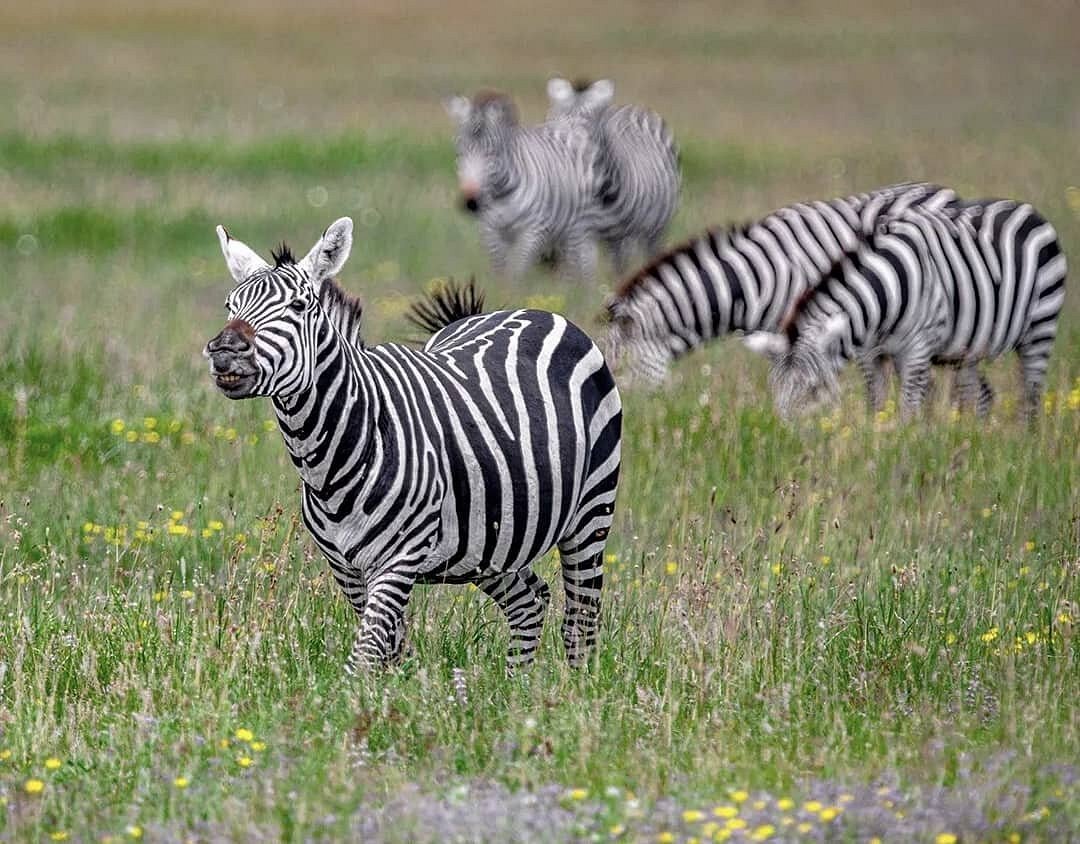
Begin early and travel through the central and northern areas. The open plains provide opportunities to search for lions, rhinoceroses, elephants, buffaloes, giraffes, zebras, topis, elands, and other animals.
Enjoy lunch in the park or carry a packed meal. Exit through the selected gate and return to Kigali.
This two-day itinerary provides better geographical coverage than a one-day safari.
Three-Day Akagera Wildlife and Boat Safari
Day 1: Kigali to Akagera
Travel from Kigali to Akagera National Park. Complete a relaxed afternoon game drive before checking into the lodge.
After dinner, eligible overnight guests may add an authorised night game drive. This optional activity should be reserved in advance.
Day 2: Full-Day Game Drive and Boat Safari
Begin with an early game drive and explore several habitats. Search for the Big Five, giraffes, zebras, antelopes, primates, and birds.
Return towards Lake Ihema for an afternoon boat excursion. Enjoy the wetland scenery before travelling back to the lodge.
Day 3: Birdwatching and Kigali Return
Spend the morning birdwatching or completing another game drive. Travellers may also select an available conservation or community activity.
Afterwards, leave Akagera and return to Kigali.
Five-Day Akagera and Gorilla Trekking Safari
Day 1: Arrival in Kigali
Meet the driver-guide at Kigali International Airport and transfer to the hotel. Depending on the arrival time, enjoy a short city orientation.
Day 2: Kigali to Akagera and Boat Safari
Drive to Akagera National Park. Complete a southern game drive and afternoon boat safari on Lake Ihema.
Stay overnight inside or close to the park.
Day 3: Akagera to Volcanoes National Park
Begin with an early game drive across Akagera. Exit the park and travel through Kigali towards Musanze.
Check into a lodge near Volcanoes National Park.
Day 4: Gorilla Trekking
Attend the morning briefing at the park headquarters in Kinigi. Enter the forest with rangers and track the assigned mountain gorilla family.
After the trek, return to the lodge. An optional cultural or conservation visit can be added if time and energy allow.
Day 5: Musanze to Kigali
After breakfast, return to Kigali. Depending on the flight schedule, visit the Kigali Genocide Memorial, an art centre, or a craft market before airport drop-off.
Seven-Day Rwanda Wildlife, Gorilla and Lake Safari
Day 1: Arrival in Kigali
Meet the guide and transfer to the Kigali hotel. Rest after the flight or complete a short city experience.
Day 2: Kigali to Akagera National Park
Travel east to Akagera. Enjoy an afternoon game drive and transfer to the lodge.
Day 3: Akagera Game Drive and Lake Ihema
Explore Akagera’s savannah and woodland in search of the Big Five and other wildlife. Join an afternoon boat safari on Lake Ihema.
Day 4: Akagera to Volcanoes National Park
Complete a final morning game drive before travelling to Volcanoes National Park.
Day 5: Gorilla Trekking
Enter Volcanoes National Park for a mountain gorilla trek. Spend the authorised observation time with the assigned gorilla family once it is located.
Return to the lodge and rest.
Day 6: Golden Monkeys and Lake Kivu
Track golden monkeys in the bamboo forest or visit the Twin Lakes. Afterwards, continue to Lake Kivu for a boat trip, coffee experience, or relaxed afternoon.
Day 7: Lake Kivu to Kigali
Enjoy breakfast beside Lake Kivu before returning to Kigali. Transfer to the airport or a city hotel.
Eight-Day Akagera, Nyungwe and Volcanoes Safari
Day 1: Arrival in Kigali
Receive an airport transfer and settle into the hotel.
Days 2–3: Akagera National Park
Travel to Akagera for game drives and a Lake Ihema boat safari. Stay overnight inside or near the park.
Day 4: Akagera to Nyungwe
Leave Akagera and travel towards southwestern Rwanda. The journey passes Kigali, cultural landscapes, towns, and tea-growing areas.
Day 5: Chimpanzee Trekking and Canopy Walk
Begin early for chimpanzee trekking. Later, enjoy the Nyungwe Canopy Walkway or another guided nature trail.
Day 6: Nyungwe to Volcanoes National Park
Travel north through Rwanda’s highlands. The route may include a stop beside Lake Kivu.
Day 7: Gorilla Trekking
Complete a mountain gorilla trek in Volcanoes National Park. Return to the lodge for lunch and rest.
Day 8: Kigali Return and Departure
Drive back to Kigali for a city visit, shopping stop, hotel transfer, or international departure.
Best Animals to See From the Boat
Hippopotamuses
Lake Ihema supports groups of hippos. Visitors may observe their heads and backs above the water while hearing calls across the lake.
They should always be viewed from the distance selected by the guide.
Nile Crocodiles
Crocodiles may rest along the shoreline or remain partly hidden in shallow water. Their natural colouring makes them difficult to notice.
A guide can help guests locate them safely.
Elephants
Elephants sometimes approach the lake to drink. Such sightings are memorable but cannot be predicted.
Visitors should remain quiet and avoid sudden movement when elephants are near the shoreline.
Buffaloes
Buffaloes may feed or rest near the water. Large herds can occasionally be observed around suitable wetland areas.
Antelopes
Waterbucks, bushbucks, impalas, and other antelopes may appear near Lake Ihema. They are often most active during cooler periods.
Monkeys and Baboons
Vervet monkeys and olive baboons live within Akagera. They may be seen in woodland and vegetation surrounding the lake.
Guests should never feed them because this can change their natural behaviour.
Birds to Look for on Lake Ihema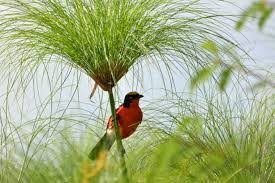
Lake Ihema supports a wide range of wetland birds. Common and possible sightings include African fish eagles, kingfishers, cormorants, herons, egrets, storks, African jacanas, ducks, geese, and ibises.
Papyrus vegetation supports specialised birds that may be difficult to find elsewhere. Visitors interested in a specific species should request a knowledgeable birding guide.
Bird activity changes with the season, water level, weather, breeding cycles, and time of day. No rare species should be guaranteed.
Best Boat Time for Photographers
Early morning can provide calm water, active birds, and lower temperatures. The light may be soft, although its direction depends on the boat’s route.
Late afternoon can create warm colours and reflections. It also combines naturally with a morning game drive.
Photographers should choose a private boat when they need more flexibility. However, the boat must still follow the approved route and wildlife-viewing rules.
A shared excursion can also produce excellent images when guests remain organised and considerate of one another.
Best Boat Time for Birdwatchers
The early scheduled departure is often suitable for birdwatching because many species are active during cooler morning hours.
Nevertheless, birds remain present throughout the day. An afternoon trip may reveal species feeding near the water or returning to resting areas.
A longer specialist safari is more effective than relying on one short excursion to find a rare bird.
Best Boat Time for Families
Families may prefer a mid-morning or afternoon trip because it avoids a very early wake-up. The ideal time also depends on the age of the children and accommodation location.
Parents should confirm age rules, boat capacity, safety equipment, and private-trip options before paying.
Children must remain supervised and follow the guide’s instructions throughout the activity.
Best Boat Time for a One-Day Safari
A 3:00 p.m. boat departure often fits a day trip from Kigali. It allows visitors to enter the park in the morning, enjoy a game drive, stop for lunch, and reach Lake Ihema without excessive rushing.
However, a later excursion means returning to Kigali in the evening. Travellers should discuss road timing and park exit requirements with the operator.
Common Akagera Safari Planning Mistakes
Booking the Boat Too Late
Boat places can fill during busy months. Travellers should reserve the excursion together with the rest of the safari.
Underestimating Driving Distances
Akagera is a large park. Wildlife sightings, road conditions, and photography stops can affect journey times.
The driver-guide needs enough time to reach the boat departure point.
Staying Too Far From Lake Ihema
A northern lodge can be excellent for wildlife viewing but less convenient for an early Lake Ihema cruise. The itinerary should connect the accommodation with the correct boat time.
Expecting Guaranteed Big Five Sightings
Akagera’s animals live freely. A visitor may see several major species but miss an elusive lion, leopard, or rhinoceros.
A safari should be appreciated as a complete nature experience.
Ignoring the Weather
Rain can affect roads, visibility, and boating. Travellers should pack appropriate clothing and accept reasonable adjustments made for safety.
Choosing the Cheapest Package Without Checking Inclusions
A cheap offer may exclude park entrance, boating, lunch, guide services, or vehicle charges.
Always request a complete written breakdown.
Frequently Asked Questions
Is a Lake Ihema boat safari worth it?
Yes. The excursion provides a wildlife experience that cannot be fully reproduced during a game drive. It is especially valuable for observing hippos, crocodiles, waterbirds, and wetland scenery.
Can I see the Big Five from the boat?
Some elephants or buffaloes may appear near the shore, but lions, leopards, and rhinoceroses are mainly sought during game drives. A complete safari should combine both activities.
How long is an Akagera boat safari?
The exact duration depends on the booked excursion and current park arrangements. Travellers should confirm the scheduled length when reserving.
Are hippos guaranteed?
Lake Ihema supports many hippos, and sightings are common. However, responsible operators should avoid absolute wildlife guarantees.
Can children join the boat trip?
Family participation depends on current age, capacity, and safety requirements. Parents should confirm these conditions before booking.
Is the boat safari safe?
The activity is operated under park procedures with trained guides and safety equipment. Visitors must wear life jackets and follow every instruction.
Do I need to book in advance?
Advance booking is strongly recommended, especially during June to September, December, January, and holiday periods.
Can I arrange a private boat?
Private trips may be arranged subject to availability and confirmation. They can suit photographers, families, and private groups.
Can I take photographs?
Yes. Cameras and mobile phones may be used, but guests should secure them and protect them from water.
Is Lake Ihema the same as Lake Kivu?
No. Lake Ihema lies inside Akagera National Park in eastern Rwanda. Lake Kivu is a much larger lake along Rwanda’s western border.
Can I visit Akagera in one day?
Yes. A one-day trip from Kigali can include a game drive and boat excursion. Two days provide a more complete and relaxed experience.
Can I self-drive in Akagera?
Self-driving may be possible under current park rules, but hiring a knowledgeable guide can improve navigation, wildlife interpretation, and time management.
What happens if the weather becomes unsafe?
The park may delay, adjust, or cancel a boat excursion. Safety decisions must be respected, and the applicable booking terms should be checked in advance.
What should I wear?
Wear lightweight safari clothing, comfortable shoes, a hat, and sun protection. Carry a light jacket and rain layer.
When is the best time to visit Akagera?
Akagera operates throughout the year. Drier months often provide easier road conditions, while wetter months offer green scenery and rewarding birdlife.
Contact Universal Ventures Rwanda
Universal Ventures Rwanda arranges private and small-group Akagera safaris from Kigali. Packages can include a Lake Ihema boat excursion, Big Five game drives, park entry, professional guiding, private four-wheel-drive transportation, accommodation, meals, and drinking water.
The company can also combine Akagera with gorilla trekking in Volcanoes National Park, chimpanzee trekking in Nyungwe, Lake Kivu, Kigali city tours, and cross-border Uganda safaris.
Address: KN 15 Road, opposite the IPRC entrance, 1st Floor, Sangwa Plaza, Kigali, Rwanda
Phone and WhatsApp: +250 781 441 853
Email: info@universalventuresrwanda.com
Website: www.universalventuresrwanda.com

Related Posts


Comments (0)