 Skip to content
A Luxury Rwanda Gorilla and Big Five Safari combines two of Africa’s most sought-after wildlife…
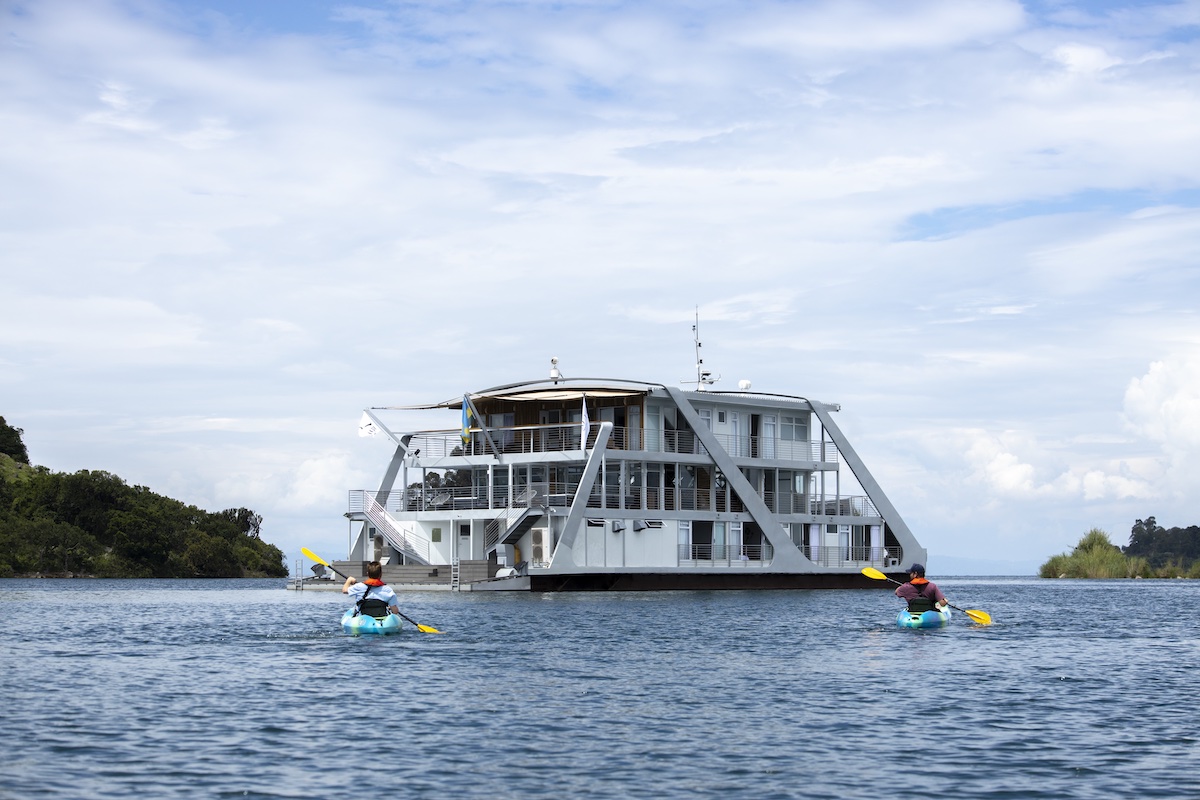
Rwanda Safari for Nature Lovers & Hikers
Rwanda is one of Africa’s most rewarding destinations for travellers who enjoy wildlife, mountain scenery, rainforest walks, volcano climbing, birdwatching, and outdoor adventures. Although the country is widely known for mountain gorilla trekking, its natural attractions extend far beyond the gorillas. A Rwanda safari for nature lovers and hikers can combine volcanic summits, ancient forests, lakeside trails, waterfalls, primate encounters, savannah wildlife, and peaceful community walks.
Known as the Land of a Thousand Hills, Rwanda has a remarkably varied landscape within a relatively small area. Travellers can begin with a morning wildlife drive across the open plains of Akagera National Park and later explore the wetlands surrounding Lake Ihema. They can then hike through the montane rainforest of Nyungwe, walk beside Lake Kivu, or climb a volcano in the Virunga Mountains.
Rwanda’s compact size also makes it easier to combine several ecosystems in one itinerary. Travel distances between the main destinations are shorter than in many larger African countries. As a result, visitors can spend more time exploring and less time completing long transfers.
This guide explains the best hiking destinations, wildlife parks, rainforest trails, volcanoes, lakes, seasons, fitness levels, equipment, and safari itineraries for active travellers visiting Rwanda.
Why Choose a Rwanda Safari for Nature Lovers and Hikers?
Rwanda offers an unusual combination of wildlife viewing and walking adventures. Traditional African safaris often focus mainly on game drives. However, Rwanda allows visitors to explore many landscapes on foot while still enjoying Big Five wildlife, gorillas, chimpanzees, golden monkeys, and hundreds of bird species.
Volcanoes National Park protects bamboo forest, evergreen forest, open grassland, heath, swamps, and volcanic peaks. Nyungwe National Park contains ancient rainforest, waterfalls, primates, orchids, butterflies, and an extensive network of walking trails. Akagera National Park presents an entirely different landscape of savannah, woodland, wetlands, lakes, and rolling hills.
Lake Kivu adds beaches, islands, coffee-growing communities, kayaking, boat trips, and the long-distance Congo Nile Trail. Gishwati-Mukura National Park provides a quieter forest environment with primates, birds, waterfalls, and community conservation experiences.
This diversity makes a Rwanda safari for nature lovers and hikers suitable for several types of travellers. Serious hikers can attempt the demanding Mount Karisimbi climb. Moderate walkers can explore the Congo Nile Trail in short sections. Visitors who prefer gentle activities can enjoy botanical walks, lakeside paths, canopy tours, village walks, and boat cruises.
Rwanda’s Natural Landscapes
Rwanda lies in the Great Lakes region of East-Central Africa. Its elevation creates a generally mild climate, although temperatures change between the lower savannah, highland forests, volcanic mountains, and lakeshores.
The western and northern parts of the country contain some of Rwanda’s finest hiking landscapes. The Virunga volcanoes rise along the northern border, while Lake Kivu stretches along the west. Nyungwe’s mountainous rainforest dominates the southwest.
Eastern Rwanda is lower and warmer. Here, Akagera National Park protects savannah, woodland, papyrus wetlands, and several lakes. This variety allows travellers to experience remarkably different habitats during one holiday.
According to Visit Rwanda, the country’s finest hiking areas extend from Volcanoes National Park in the north, along Lake Kivu in the west, and south towards Nyungwe National Park. Visit Rwanda hiking guide
Best Destinations for a Rwanda Nature and Hiking Safari
Volcanoes National Park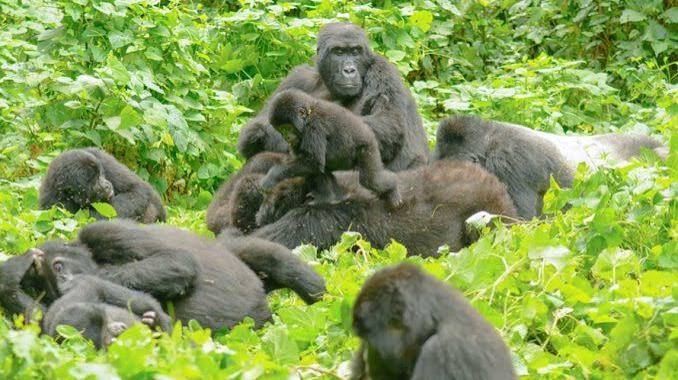
Volcanoes National Park is Rwanda’s leading destination for gorilla trekking, golden monkey tracking, volcano climbing, birdwatching, and forest hikes. It lies in the northwest near Musanze and forms part of the wider Virunga Conservation Area.
The park protects the Rwandan slopes of five Virunga volcanoes: Karisimbi, Bisoke, Sabyinyo, Gahinga, and Muhabura. Mount Karisimbi reaches 4,507 metres, making it Rwanda’s highest mountain. Mount Bisoke is famous for the beautiful crater lake at its summit.
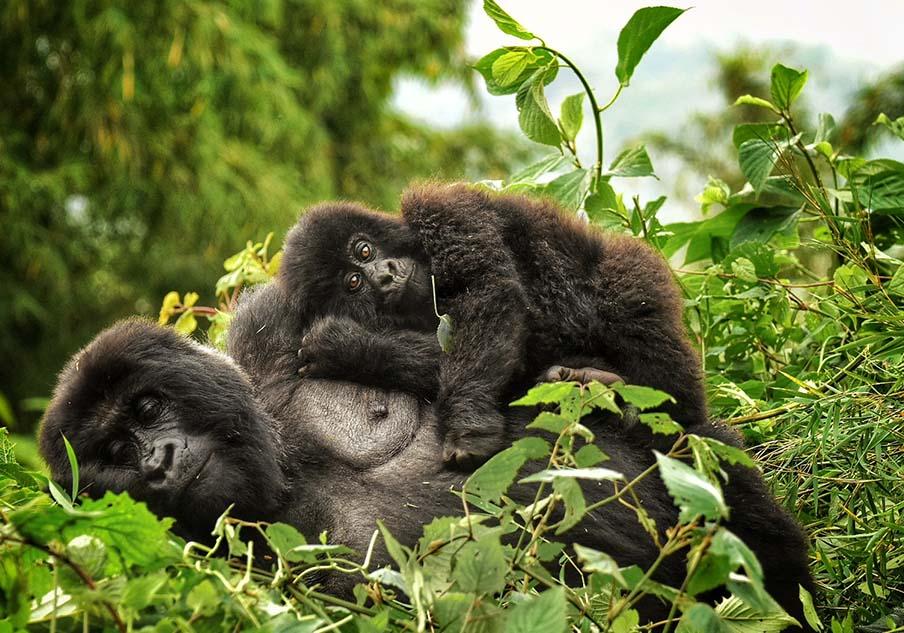
The vegetation changes with elevation. Lower areas contain bamboo and montane forest, while higher slopes have heath, open grassland, swamps, and alpine vegetation. These habitats support mountain gorillas, golden monkeys, forest buffaloes, bushbucks, numerous bird species, and other wildlife.
Visit Rwanda recommends sturdy clothing, reliable walking shoes, gaiters, and a lightweight waterproof jacket for activities in the park. Visit Rwanda – Volcanoes National Park
Nyungwe National Park
Nyungwe is one of Africa’s oldest and most biologically important mountain rainforests. It stretches across the hills of southwestern Rwanda and contains a large network of hiking trails.
The park is home to chimpanzees and several other primates. Visitors may encounter black-and-white colobus monkeys, L’Hoest’s monkeys, blue monkeys, grey-cheeked mangabeys, olive baboons, and smaller forest species.
Nyungwe is also an important birdwatching destination. Its high-altitude forest supports colourful and range-restricted species, including birds associated with the Albertine Rift.
The walking trails vary in length and difficulty. Some lead to waterfalls, viewpoints, swamps, or groups of colobus monkeys. Others pass through quiet forest with orchids, ferns, moss-covered trees, and butterflies.
Akagera National Park
Akagera National Park is Rwanda’s principal savannah safari destination. It protects approximately 100,000 hectares along the country’s eastern border with Tanzania. Its landscape includes open plains, wooded hills, wetlands, papyrus swamps, and lakes.
Visitors can search for elephants, lions, leopards, buffaloes, rhinoceroses, giraffes, zebras, antelopes, hippos, crocodiles, monkeys, and many birds. Lions and black rhinoceroses were successfully reintroduced as part of the park’s restoration.
Akagera is ideal for nature lovers who want to balance hiking and primate experiences with a traditional wildlife safari. Activities include morning and afternoon game drives, boat trips on Lake Ihema, birdwatching, nature interpretation, and selected guided walks.
The park has recorded around 490 bird species across its varied habitats. Visit Rwanda – birdwatching
Lake Kivu and the Congo Nile Trail
Lake Kivu is surrounded by steep green hills, fishing communities, coffee plantations, beaches, and attractive towns. Rubavu, Karongi, and Rusizi are the main lakeside centres.
The Congo Nile Trail follows the eastern shores and hills of Lake Kivu. The complete route extends approximately 227 kilometres between Rubavu and Rusizi. It can take about ten days to complete on foot, although travellers can choose individual stages instead.
The route passes villages, tea plantations, coffee-washing stations, beaches, waterfalls, valleys, and forested sections. Accommodation includes guesthouses, community stays, campsites, and small lakeside lodges.
Short sections are ideal for travellers who want to include hiking without committing to the entire trail. A one- or two-day walk can be combined with a boat trip, coffee experience, kayaking excursion, or relaxing afternoon beside Lake Kivu.
Gishwati-Mukura National Park
Gishwati-Mukura is Rwanda’s fourth national park. It consists of two separate forests and forms part of an important conservation landscape in western Rwanda.
The park is home to chimpanzees, golden monkeys, blue monkeys, L’Hoest’s monkeys, forest birds, and smaller mammals. Its attractions include forest walks, birdwatching, waterfalls, community experiences, and conservation education.
Gishwati-Mukura receives fewer visitors than Volcanoes or Nyungwe. Therefore, it appeals to nature lovers seeking a quieter destination.
The park can be included between Volcanoes National Park and Lake Kivu. It also fits naturally into a western Rwanda itinerary continuing towards Nyungwe.
Hiking in Volcanoes National Park
Mount Bisoke Hike
Mount Bisoke is one of Rwanda’s most popular volcano hikes. It rises to approximately 3,700 metres and has a striking crater lake at the summit.
The trail begins near Volcanoes National Park and passes farmland before entering the protected forest. As hikers climb, the vegetation gradually changes from bamboo and montane forest to higher-altitude plants.
The route can be muddy and steep. Rain, altitude, and trail conditions influence the total hiking time. Many visitors complete the return journey in five to eight hours, although individual pace varies.
The official Rwanda hiking guide lists the Mount Bisoke route at approximately 6.5 kilometres in each direction. Reaching the crater lake is rewarding, but clouds may sometimes cover the summit view. Official Rwanda Hiking Guide
Hikers should carry water, a packed lunch, gloves, a rain jacket, and suitable boots. Hiring a porter is also recommended. Porters help carry bags and provide valuable support on difficult sections.
Mount Karisimbi Hike
Mount Karisimbi is Rwanda’s highest mountain. At 4,507 metres, it provides the country’s most demanding volcano-climbing experience.
The hike normally takes two days and includes an overnight camp on the mountain. Participants climb through several vegetation zones before reaching the exposed upper slopes.
Cold temperatures, rain, mud, wind, and altitude can make the climb challenging. Therefore, hikers should have suitable fitness, warm clothing, waterproof equipment, and realistic expectations.
The Mount Karisimbi hike rewards participants with wide views across the Virunga Mountains when weather conditions are clear. However, the journey is as important as the summit. The changing forest, volcanic landscape, and high-altitude vegetation create an impressive wilderness experience.
Travellers should not attempt the climb without an authorised guide and permit. They should also follow current park instructions regarding equipment, camping arrangements, and weather conditions.
Mount Muhabura Hike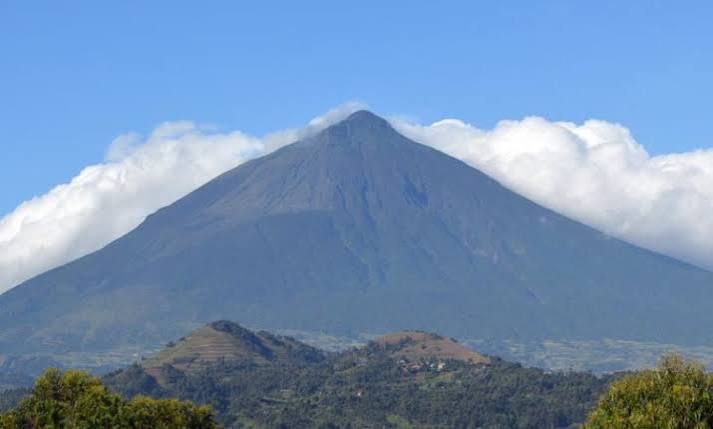
Mount Muhabura rises on the Rwanda–Uganda border and reaches approximately 4,127 metres. Its steep slopes make it one of Rwanda’s most physically demanding one-day hikes.
The official hiking guide describes an approximate nine-kilometre route in each direction. The complete adventure can take a full day.
On clear days, the summit area provides broad views towards the Virunga Mountains, Rwanda’s lakes, and parts of neighbouring Uganda. However, weather conditions can change quickly at high elevation.
This hike suits experienced and well-prepared walkers. Visitors who prefer a less demanding volcano adventure may choose Mount Bisoke, the Sabyinyo Peak One trail, or the Dian Fossey route.
Sabyinyo Peak One Trail
The Sabyinyo Peak One trail offers an alternative to Rwanda’s longer volcano climbs. Visit Rwanda describes it as one of the easier volcanic trails in the park because of its physical characteristics.
The walk begins with an early briefing and can take approximately six hours, including the ascent and descent. Hikers may hear or occasionally see forest birds, golden monkeys, bushbucks, and other wildlife.
The route provides views of volcanic vegetation, rural landscapes, steep ravines, and old rock formations. Visit Rwanda – Sabyinyo Hiking Trail
Although it is described as easier than some neighbouring climbs, it still involves elevation, uneven surfaces, and changing weather. Suitable footwear and guide support remain essential.
Dian Fossey Tomb and Former Karisoke Site
The Dian Fossey trail leads towards the former Karisoke Research Centre and the burial site of the well-known primatologist. The route lies between Mount Bisoke and Mount Karisimbi.
The hike passes farmland before entering montane forest. It usually involves two to three hours of uphill walking, followed by the return journey. Mud and rain can increase the difficulty.
Along the way, guides explain the history of gorilla research and conservation in the Virunga region. The experience combines hiking, forest scenery, history, and conservation education.
Visitors should approach the site respectfully. The purpose of the hike is not only to reach a historical location but also to understand how long-term research contributed to mountain gorilla protection.
Buhanga Eco-Park Nature Walk
Buhanga Eco-Park is an ancient forest near Musanze. It is associated with Rwandan traditions and historical ceremonies.
The forest contains old trees, rocky paths, birds, butterflies, and peaceful walking areas. A guided visit is generally less physically demanding than the volcano hikes.
Buhanga works well for travellers who want a shorter nature activity after arriving in Musanze. It can also be combined with the Twin Lakes, Musanze Caves, or a community experience.
Gorilla Trekking for Active Nature Lovers
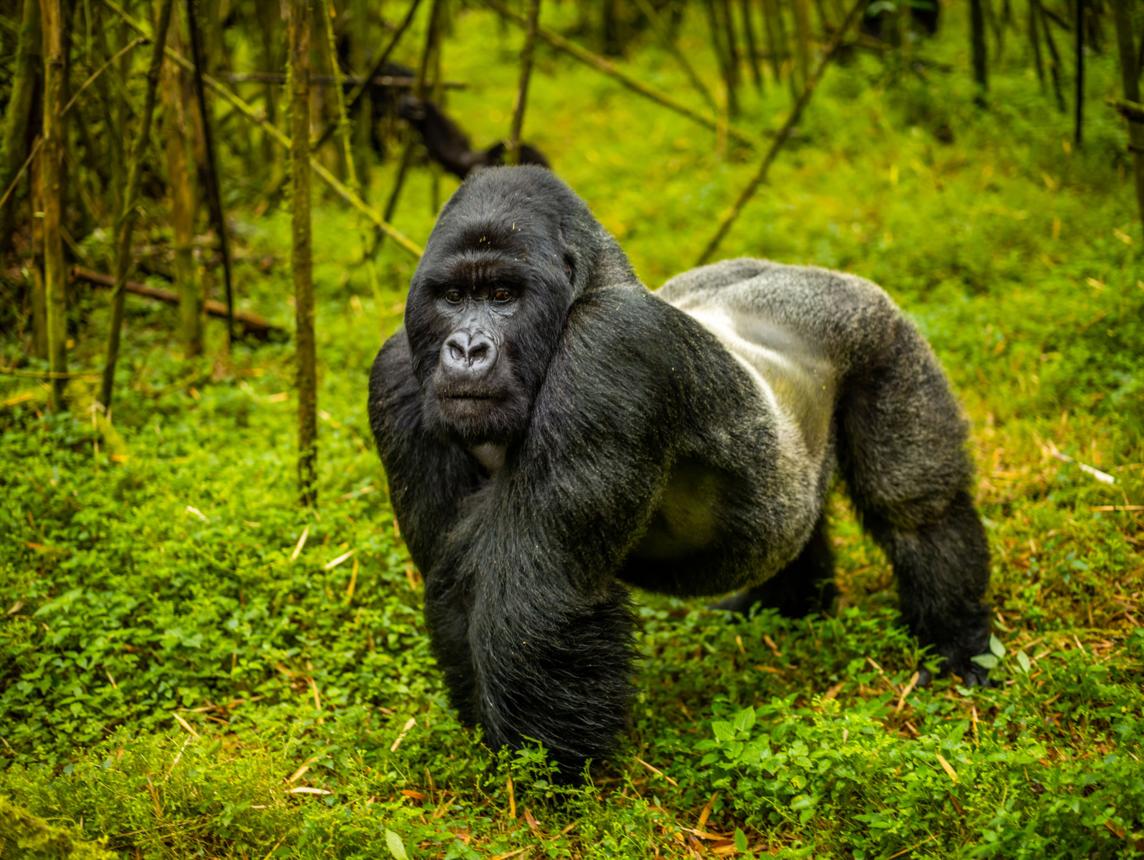
Gorilla trekking is one of the highlights of a Rwanda safari for nature lovers and hikers. The activity takes place in Volcanoes National Park and begins with an early-morning briefing at the park headquarters in Kinigi.
Visitors are assigned to a habituated mountain gorilla family. The assignment may consider the location of the gorillas and the fitness or mobility of group members.
The trek can last from less than one hour to several hours before the gorillas are found. Trail conditions may include mud, thick vegetation, roots, slopes, and bamboo forest. Once the family is located, visitors receive an authorised observation period under the supervision of park rangers.
Gorilla trekking requires patience rather than advanced climbing ability. Porters can carry backpacks and offer support on slippery sections. Visitors should communicate honestly about their walking ability during the morning allocation process.
Visit Rwanda states that gorilla treks may last from around 30 minutes to four or more hours and can reach elevations between 2,500 and 4,000 metres. Visit Rwanda – gorilla tracking
Golden Monkey Trekking in Volcanoes National Park
Golden monkey trekking provides a lively alternative or addition to gorilla trekking. Golden monkeys live mainly in the bamboo forest on the lower volcanic slopes.
The trek is often shorter than a gorilla excursion, although the monkeys can move quickly through the vegetation. Their active behaviour creates an enjoyable photography challenge.
Golden monkey trekking is well suited to travellers who want another primate experience without climbing to a high volcanic summit. It can be combined with an afternoon visit to the Ellen DeGeneres Campus of the Dian Fossey Gorilla Fund, Buhanga Eco-Park, the Twin Lakes, or a cultural programme.
The forest can still be wet and muddy. Therefore, visitors should wear good boots, long trousers, and a waterproof jacket.
Nyungwe National Park Hiking Trails
Nyungwe contains some of Rwanda’s most varied rainforest walks. Trails range from short introductory routes to longer hikes requiring several hours.
Igishigishigi Trail and Canopy Walkway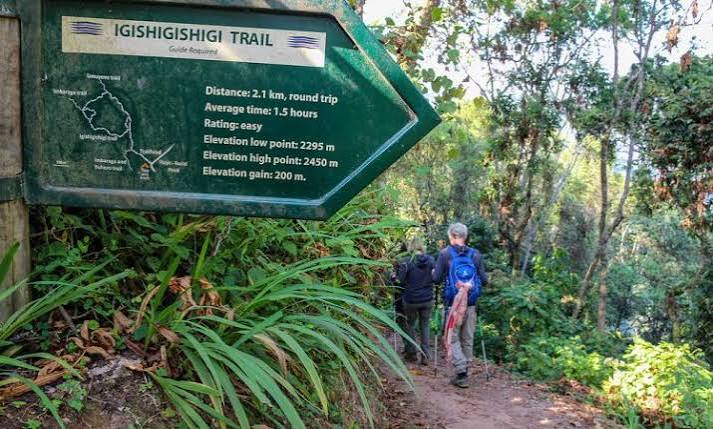
The Igishigishigi Trail is popular because it provides access to the Nyungwe Canopy Walkway. The suspended bridge rises above a forested ravine and offers a different view of the rainforest.
Visit Rwanda describes the walkway as approximately 160 metres long and 70 metres above the ravine. It can be reached through the Igishigishigi Trail or connected with the Imbaraga and Umuyove trails. Visit Rwanda – Canopy Walkway
The route begins near the Uwinka Reception Centre. Visitors walk through forest containing ferns, orchids, butterflies, birds, and possible primate sightings.
The trail can become muddy after rain. The suspended bridge may not suit everyone who is uncomfortable with heights, but visitors can discuss the route with their guide before beginning.
Isumo Waterfall Trail
The Isumo Waterfall Trail is one of Nyungwe’s most rewarding nature hikes. It passes through rainforest, tea-growing landscapes, streams, and areas rich in plant life.
The waterfall forms a dramatic feature within the forest. Visitors may also see monkeys, birds, butterflies, and orchids along the route.
The trail includes slopes and potentially slippery sections. A walking stick, strong footwear, water, and a rain jacket are recommended.
Photographers should protect their equipment from moisture. Rain and waterfall spray can reach cameras and mobile phones even during otherwise clear weather.
Umuyove Trail
The Umuyove Trail offers an attractive combination of forest scenery, large trees, streams, and birdwatching. Its name is associated with mahogany trees found in the area.
The walk is suitable for visitors who want a meaningful rainforest hike without choosing one of the park’s longest routes. However, trail conditions and elevation still require reasonable mobility.
A guide helps identify plants, birds, monkeys, and signs of forest wildlife. Moving slowly and quietly often produces better nature sightings than trying to finish the trail quickly.
Imbaraga Trail
The Imbaraga Trail is a more demanding option for experienced hikers. Its name is connected with strength, reflecting the effort required to complete the route.
The path crosses changing forest terrain and includes steep sections. It rewards walkers with remote scenery, streams, waterfalls, and fewer visitors than the shorter routes.
Travellers should discuss current trail conditions with park staff before selecting this hike. Heavy rain can affect the level of difficulty.
Kamiranzovu Marsh Trail
The Kamiranzovu Trail leads towards a high-altitude wetland surrounded by forest. The landscape differs from Nyungwe’s waterfall and canopy routes.
This hike is especially interesting for birdwatchers, botanists, and travellers who enjoy wetland ecosystems. Guides explain the plants, forest history, and wildlife associated with the marsh.
The trail can be wet underfoot. Waterproof boots and gaiters are particularly helpful.
Chimpanzee Trekking in Nyungwe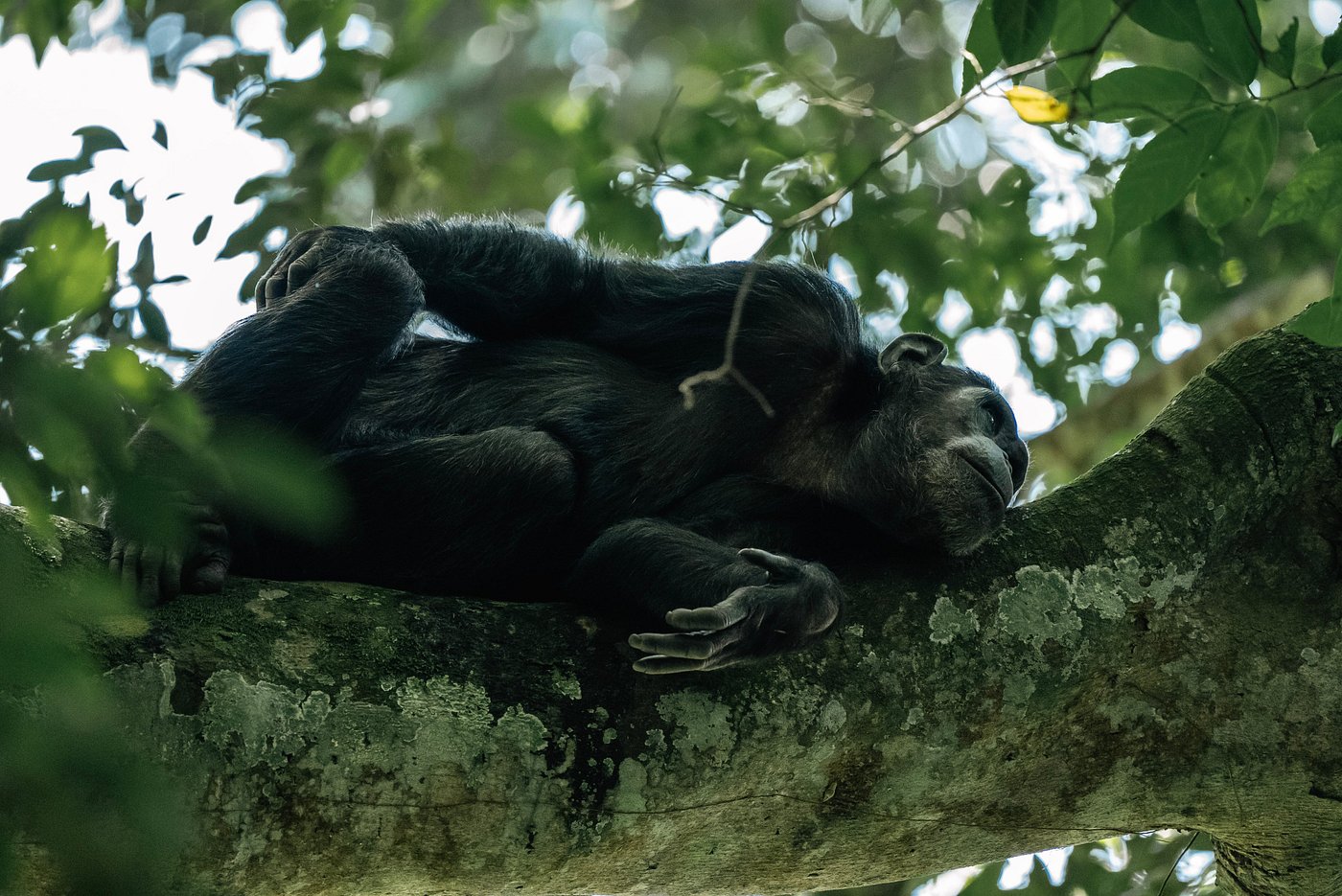
Chimpanzee trekking adds an active wildlife experience to a nature-focused safari. Visitors enter the forest early with professional trackers and guides.
Chimpanzees move through a larger territory than mountain gorillas. They may travel quickly, feed high in the trees, or communicate from different parts of the forest. Consequently, the experience can require brisk walking across uneven terrain.
Sightings and photography conditions vary. Chimpanzees may remain in the canopy or move closer to the ground. Travellers should enjoy the complete forest experience rather than expecting a perfectly positioned animal encounter.
The activity is physically demanding on some days. Good footwear, water, rain protection, and a small backpack are essential.
Colobus Monkey Trekking
Nyungwe supports large groups of black-and-white colobus monkeys. A colobus trek can be an excellent addition for visitors interested in primate behaviour and forest photography.
The monkeys often move between trees in active groups. Their contrasting black-and-white coats are striking against the green forest.
The trek may be less demanding than chimpanzee tracking, although this depends on the location of the group. It can be combined with a nature trail, tea experience, or canopy walk when timing permits.
The Congo Nile Trail
The Congo Nile Trail is one of the central experiences in a Rwanda safari for nature lovers and hikers. It follows the hills and communities beside Lake Kivu, connecting Rubavu in the north with Rusizi in the south.
Hiking the Complete Congo Nile Trail
The entire trail extends around 227 kilometres and can take approximately ten days on foot. It passes through rural communities, coffee-growing areas, tea plantations, forests, valleys, beaches, and lakeside towns.
Completing the full trail requires good planning. Accommodation, meals, drinking water, luggage transfers, guide services, and daily distances should be arranged before departure.
The complete route is suitable for experienced walkers with enough time. However, it is not necessary to complete all 227 kilometres to appreciate the trail.
Short Congo Nile Trail Sections
Many visitors choose one-, two-, or three-day sections. This provides time for hiking while leaving space for gorilla trekking, Nyungwe, Akagera, and Kigali.
A short section near Rubavu or Karongi can include village scenery, lake views, coffee experiences, and boat connections. Visitors may stay in local guesthouses or comfortable lakeside properties.
Walking only part of the trail also makes the experience accessible to travellers with moderate fitness.
Combining Hiking With a Boat Transfer
Boat transfers can connect certain points along Lake Kivu. This allows travellers to hike in one direction and return by water.
The combination creates two different perspectives. The walk provides close contact with farms, villages, and hills, while the boat journey reveals the wider lake and mountain landscape.
Weather and water conditions should always be considered. Travellers should use an experienced local boat operator and wear the provided safety equipment.
Akagera National Park for Nature and Wildlife Lovers
Akagera National Park adds a classic African wildlife experience to an active Rwanda itinerary. The park lies in eastern Rwanda near the Tanzanian border. Its warm, lower-altitude landscape contrasts sharply with the cool rainforests and volcanic mountains in western Rwanda.
Akagera contains open savannah, wooded hills, papyrus wetlands, seasonal streams, and several lakes. These different habitats support an impressive range of animals and birds. Visitors may encounter elephants, buffaloes, lions, leopards, rhinoceroses, giraffes, zebras, hippos, crocodiles, baboons, vervet monkeys, and many antelope species.
The park is especially suitable for travellers who want to rest their legs after several days of hiking. Most wildlife viewing takes place from a safari vehicle, although guided walks and other nature-based activities may be available according to current park programmes.
Game Drives Through Akagera National Park
A game drive is the main activity in Akagera. Early-morning drives provide a good opportunity to observe wildlife while temperatures are cool and animals are active. Afternoon drives may reveal different species, while a full-day journey allows visitors to explore the park from south to north.
The southern part of Akagera contains lakes, wooded areas, and rolling hills. The northern plains are more open and can be productive for giraffes, zebras, buffaloes, antelopes, elephants, and predators.
Wildlife sightings can never be guaranteed. However, an experienced guide knows how to study animal tracks, listen to alarm calls, and communicate with other guides. Moving slowly also gives visitors time to appreciate birds, plants, insects, landscapes, and smaller animals that are easily missed.
A Rwanda safari for nature lovers and hikers should allow enough time for Akagera’s wider ecosystem. The park is not only a place to check large animals off a list. Its lakes, wetlands, grasslands, and hills tell a wider conservation story.
Boat Safari on Lake Ihema
Lake Ihema is one of Akagera National Park’s most important natural features. A guided boat trip provides close views of the wetland environment and creates a pleasant break from vehicle travel.
Hippos often gather in the water, while crocodiles may rest near the shoreline. Elephants, buffaloes, and antelopes sometimes approach the lake to drink. Visitors may also see African fish eagles, kingfishers, herons, cormorants, egrets, and other waterbirds.
A morning boat trip offers calm conditions and good bird activity. An afternoon departure can provide softer photography light, although weather conditions vary.
The boat should be reserved in advance during busy travel months. Travellers should bring sunscreen, a hat, binoculars, drinking water, and protection for cameras.
Birdwatching in Akagera
Akagera is one of Rwanda’s leading birdwatching destinations. Around 490 bird species have been recorded across the park’s lakes, wetlands, woodlands, and savannah. This variety makes the park rewarding for both experienced birders and general nature lovers.
Wetland areas may reveal papyrus-associated species, waterbirds, kingfishers, and raptors. The open plains support different birds from those found in Nyungwe or Volcanoes National Park.
Travellers interested in bird photography should carry binoculars and a suitable camera lens. A specialist bird guide can greatly improve identification and help locate less obvious species.
Birdwatching is particularly rewarding when approached slowly. Spending time beside a wetland or woodland edge may produce more sightings than driving quickly between distant locations.
Night Game Drives in Akagera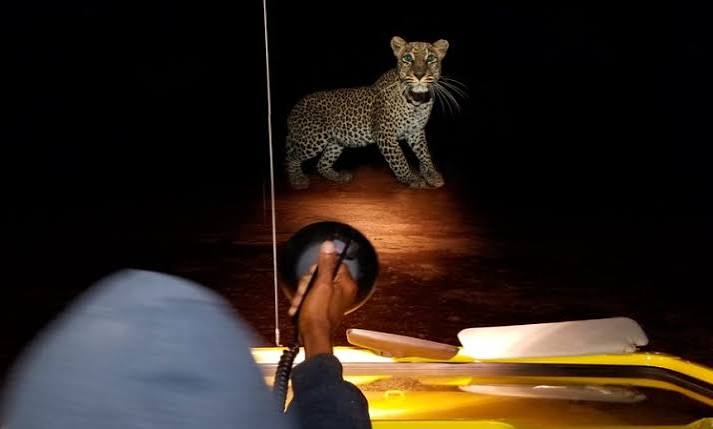
A night game drive introduces travellers to animals that are difficult to observe during daylight. The activity takes place with an authorised guide and suitable viewing equipment.
Possible sightings include nocturnal birds, bush babies, civets, genets, porcupines, hyenas, and predators. Results vary because wildlife moves freely through the park.
Night drives can be cold or windy, even after a warm day. Visitors should carry a light jacket and avoid using bright personal lights that may disturb animals.
This experience combines well with a full day in Akagera. However, travellers should leave enough time to rest before the following morning’s activities.
Nature Experiences Around Lake Kivu
Lake Kivu offers a peaceful transition between hiking areas. Its shores include beaches, fishing villages, islands, coffee farms, and steep cultivated hills.
Rubavu lies near Volcanoes National Park and provides convenient access to northern sections of the Congo Nile Trail. Karongi has attractive bays and islands, while Rusizi connects Lake Kivu with Nyungwe National Park.
A lakeside stay gives hikers time to recover between more demanding activities. Visitors can still remain active through short walks, kayaking, boat trips, cycling, swimming in suitable areas, and visits to coffee-growing communities.
Kayaking on Lake Kivu
Kayaking provides a quiet way to explore Lake Kivu. Travellers paddle near the shoreline while enjoying views of hills, villages, islands, and fishing boats.
Short excursions suit beginners, while longer routes can be arranged for experienced paddlers. Every activity should use proper safety equipment and a qualified local guide.
Morning conditions are often calmer, although weather can change. Participants should follow the guide’s directions and avoid travelling onto the lake during unsafe conditions.
A kayaking excursion can be combined with a short Congo Nile Trail hike. For example, travellers can walk between communities and return to their lodge by water.
Lake Kivu Boat Trips and Island Visits
Boat trips allow visitors to explore islands, bays, fishing communities, and coffee-growing areas. Routes depend on the town and time available.
Around Karongi, visitors may explore nearby islands and enjoy views of the surrounding hills. Trips can also include birdwatching and community stops. Around Rubavu, boats may travel towards coffee-growing areas such as Kinunu.
A sunset trip can be beautiful, but boats should return before conditions become unsafe. Visitors should use established operators, wear life jackets, and follow the crew’s instructions.
Coffee Experiences Beside Lake Kivu
Rwanda’s western highlands provide suitable conditions for coffee production. A guided coffee experience explains the journey from growing and harvesting to washing, drying, roasting, and tasting.
Visitors may walk through coffee farms, meet producers, and learn how quality is assessed. The experience adds cultural and economic context to the surrounding landscape.
Coffee activities combine naturally with the Congo Nile Trail. Several trail sections pass through farming communities and near coffee-washing stations.
Responsible visits should respect the work of farmers and avoid treating local livelihoods as a staged attraction. Buying coffee directly from a recognised cooperative can support producers.
Twin Lakes of Burera and Ruhondo
Lake Burera and Lake Ruhondo lie near Volcanoes National Park. The two lakes are surrounded by cultivated hills and framed by the Virunga volcanoes.
Activities may include canoe trips, village walks, birdwatching, fishing-community visits, and viewpoint hikes. The area works well as a gentle adventure before or after gorilla trekking.
A village walk provides a closer view of rural life and agriculture. However, visits should be arranged respectfully through local guides. Travellers should ask permission before photographing people.
The Twin Lakes are also suitable for visitors who want mountain scenery without attempting a demanding volcano climb. Views are best when clouds lift from the Virunga peaks.
Hiking Mount Kabuye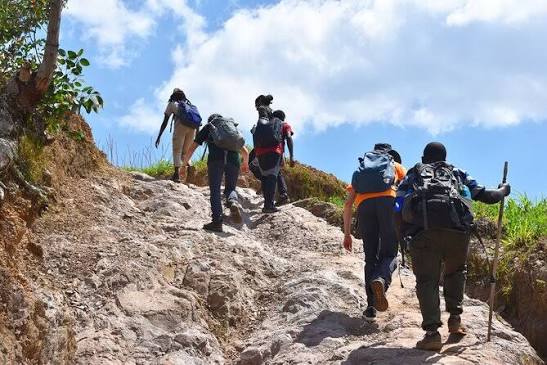
Mount Kabuye is located outside Volcanoes National Park and offers an attractive community-based hiking experience. It rises to approximately 2,700 metres.
The hike passes rural landscapes, farms, eucalyptus areas, and open slopes. Reaching the summit may take around five hours, depending on the starting point and walking pace.
Because Mount Kabuye lies outside the national park, the experience differs from the forested volcano hikes. It offers broader contact with Rwanda’s cultivated highlands and local communities.
The trail is still physically demanding. Strong footwear, water, sun protection, a packed lunch, and a local guide are recommended.
Kigali Nature Walks and Outdoor Activities
Kigali is often treated only as a point of arrival, but the city contains hills, wetlands, gardens, and walking opportunities. Including a gentle outdoor activity in Kigali can help travellers adjust before climbing at higher elevations.
Mount Kigali offers walking, cycling, and views across parts of the city. The terrain includes roads and paths rather than remote mountain trails. A guided route can also incorporate local neighbourhoods, markets, and community projects.
The Nyandungu Eco-Park provides a restored urban wetland environment with walking and cycling paths. It is suitable for birdwatching, gentle exercise, and environmental education.
Kigali’s hills can still be tiring, especially in warm weather. Visitors should carry water, use sun protection, and choose a route that matches their fitness.
Best Time for a Rwanda Safari for Nature Lovers and Hikers
Rwanda can be visited throughout the year. However, rainfall affects trail conditions, views, photography, and the difficulty of mountain activities.
The country experiences two relatively dry periods and two wetter periods. Exact weather patterns can vary, especially in mountainous areas where rain may occur during any month.
June to September
June, July, August, and September form the principal dry travel season. Rainfall is generally lower, and hiking trails may be less muddy.
These months are popular for gorilla trekking, volcano climbing, Nyungwe walks, and Akagera game drives. Wildlife may become easier to observe near water sources in the savannah.
Demand for permits, lodges, vehicles, and guides can be high. Therefore, travellers should reserve early.
Dry conditions do not guarantee clear mountain views. Clouds and rain remain possible in Volcanoes and Nyungwe national parks.
December to February
December, January, and February offer another relatively dry period. These months can be suitable for hiking, primate trekking, wildlife viewing, and Lake Kivu activities.
Holiday dates around Christmas and New Year are busy. Accommodation and permits may sell out early.
February can be useful for travellers seeking a balance between manageable trail conditions and fewer visitors than the main June-to-September season.
March to May
March, April, and May usually form the main rainy season. Forest paths can become muddy and slippery, while clouds may limit views from volcanic summits.
Nevertheless, the landscape is exceptionally green. Waterfalls are often impressive, plants flourish, and photography can benefit from dramatic mist and soft forest light.
Travellers should prepare with waterproof boots, gaiters, rain jackets, dry bags, and flexible expectations. A porter becomes especially valuable on difficult forest trails.
Some lodges may offer lower rates during quieter months. Therefore, this period can appeal to visitors who do not mind rain.
October and November
October and November bring another wetter season. Conditions vary from light afternoon showers to longer rainfall.
The months can be productive for birdwatching and photography. Visitor numbers may also be lower than during the main dry season.
Hikers should allow extra time on muddy routes. It may also be wise to choose flexible activities that can be adjusted according to the weather.
Choosing Activities for Different Fitness Levels
A successful Rwanda safari for nature lovers and hikers should match the itinerary to the traveller’s ability. Not every participant needs to climb Mount Karisimbi or complete the Congo Nile Trail.
Gentle Nature Activities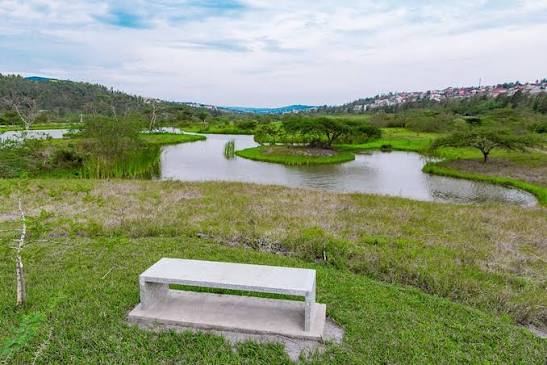
Gentle activities can include the Nyungwe Canopy Walk, Buhanga Eco-Park, Nyandungu Eco-Park, short Lake Kivu walks, selected community visits, Akagera boat trips, and easy countryside walks.
These experiences still require stable footwear and basic mobility. Rain or uneven ground can make an otherwise simple path more difficult.
Moderate Hiking Activities
Moderate options include golden monkey trekking, the Dian Fossey trail, selected Nyungwe trails, Mount Kabuye, Twin Lakes walks, and shorter sections of the Congo Nile Trail.
Gorilla trekking can fall within this category, although the difficulty changes daily. The assigned family may be close or several hours away.
Challenging Hiking Activities
Mount Bisoke, Mount Muhabura, the longer Nyungwe trails, and multiple days on the Congo Nile Trail require stronger endurance.
These routes involve long ascents, mud, uneven ground, elevation, or several consecutive walking days.
Highly Challenging Mountain Adventures
Mount Karisimbi is Rwanda’s leading high-altitude climbing challenge. The two-day route involves camping, cold temperatures, significant elevation, and demanding terrain.
Participants should prepare carefully and discuss health concerns with a qualified medical professional before undertaking strenuous high-altitude activities.
Preparing for Hiking in Rwanda
Regular walking before the safari can make the experience more comfortable. Travellers should gradually include hills, stairs, and uneven paths in their preparation.
The goal is not extreme exercise. Consistent walking, suitable footwear, and sensible pacing are more useful than attempting difficult training immediately before departure.
Hikers should test their boots in advance. New shoes can cause blisters, while worn footwear may provide poor grip.
Travellers should also practise carrying a light daypack containing water, a rain jacket, and personal equipment. On demanding treks, hiring a porter reduces fatigue and supports the local economy.
What to Pack for a Rwanda Hiking Safari
Hiking Boots
Strong waterproof boots with reliable grip are essential. Trails in Volcanoes and Nyungwe can remain wet even during the dry season.
Boots should be comfortable and properly worn before the trip. Lightweight shoes can be carried for evenings and relaxed activities.
Long Trousers and Long-Sleeved Shirts
Long clothing protects the skin from insects, branches, nettles, and sun exposure. Quick-drying materials are more practical than heavy fabrics.
Travellers can tuck their trousers into socks or use gaiters during forest treks.
Waterproof Jacket
A lightweight waterproof jacket should remain in the daypack during every forest or mountain activity. Rain can begin with little warning.
For Mount Karisimbi or other high-altitude routes, warmer waterproof layers may be necessary.
Warm Clothing
Early mornings in Volcanoes National Park can feel cold. Higher volcanic slopes can be colder and windier than Kigali or Akagera.
A fleece, warm hat, and layered clothing allow hikers to adjust as temperatures change.
Gardening or Hiking Gloves
Gloves protect the hands when holding branches or vegetation for balance. They are especially helpful during muddy gorilla treks and steep forest walks.
Gaiters
Gaiters help keep mud, water, stones, and insects away from boots and lower legs. They are useful throughout the year and particularly valuable during rainy months.
Daypack and Waterproof Cover
A small daypack should hold water, food, a camera, medication, sunscreen, and rainwear. A waterproof cover or dry bag protects valuable equipment.
Visitors should avoid carrying unnecessary weight. A porter can carry the main backpack during demanding treks.
Water and Packed Lunch
Long activities require enough drinking water. Many lodges prepare packed lunches for full-day hikes and primate treks.
Visitors should confirm meal arrangements the previous evening. Reusable bottles help reduce plastic waste.
Binoculars and Camera Equipment
Binoculars improve birdwatching and distant wildlife observation. Photographers should carry spare batteries and memory cards.
Rain protection is essential for cameras. Flash may be prohibited during primate encounters, so visitors should understand their camera’s low-light settings.
Responsible Hiking and Nature Tourism
Nature tourism creates valuable income, but it can also place pressure on sensitive landscapes. Visitors should follow park rules, remain on approved trails, and avoid disturbing wildlife.
All litter should leave the forest. Reusable bottles and food containers reduce waste. Plants, rocks, feathers, and other natural objects should remain where they are found.
Wildlife should never be touched, chased, fed, or surrounded for photographs. Visitors must respect the viewing distance and instructions given by guides.
Community visits require similar care. Travellers should ask permission before taking photographs and avoid giving sweets or money directly to children. Supporting recognised cooperatives, guides, artists, farmers, and community projects creates more sustainable benefits.
Seven-Day Rwanda Safari for Nature Lovers and Hikers
Day 1: Arrival and Kigali Nature Experience
Arrive at Kigali International Airport and meet your driver-guide. Depending on the arrival time, visit Nyandungu Eco-Park or enjoy a gentle walk around Mount Kigali.
Spend the night in Kigali and prepare for the journey north.
Day 2: Kigali to Volcanoes National Park
Travel to Musanze and continue to the Twin Lakes of Burera and Ruhondo. Enjoy a village walk, canoe experience, or scenic viewpoint.
Transfer to a lodge near Volcanoes National Park for dinner and overnight.
Day 3: Gorilla Trekking or Golden Monkey Trekking
Attend the morning briefing at the park headquarters. Enter the forest for gorilla trekking or choose golden monkey tracking as a lower-cost primate experience.
In the afternoon, rest at the lodge or visit the Ellen DeGeneres Campus of the Dian Fossey Gorilla Fund.
Day 4: Mount Bisoke or Dian Fossey Hike
Choose the Mount Bisoke crater hike for a demanding adventure or the Dian Fossey trail for a shorter forest and conservation experience.
After the hike, continue towards Lake Kivu in Rubavu.
Day 5: Congo Nile Trail and Lake Kivu
Complete a selected section of the Congo Nile Trail. Pass through villages, farms, hills, and coffee-growing landscapes.
Finish with a boat trip or kayaking excursion before returning to the lakeside lodge.
Day 6: Lake Kivu to Akagera National Park
Travel through Kigali and continue east to Akagera National Park. Depending on arrival time, enjoy an afternoon boat trip on Lake Ihema or a short game drive.
Spend the night inside or near the park.
Day 7: Akagera Game Drive and Kigali Return
Begin with an early game drive through Akagera. Search for elephants, giraffes, zebras, buffaloes, lions, antelopes, rhinoceroses, and birds.
Return to Kigali for an evening flight or final overnight stay.
Ten-Day Rwanda Hiking and Wildlife Itinerary
A longer itinerary gives travellers time to explore at a comfortable pace.
Days 1–2: Kigali and Akagera National Park
Begin with a Kigali city and nature experience. Continue to Akagera for game drives, a Lake Ihema boat trip, and birdwatching.
Days 3–4: Volcanoes National Park
Travel to Musanze and explore the Twin Lakes. The following morning, enjoy gorilla trekking or golden monkey tracking.
Day 5: Volcano Hike
Choose Mount Bisoke, the Dian Fossey trail, Sabyinyo Peak One, or another authorised hike suited to the group’s fitness.
Days 6–7: Lake Kivu and Congo Nile Trail
Transfer to Rubavu or Karongi. Complete one or two sections of the Congo Nile Trail and add a boat, coffee, or kayaking experience.
Days 8–9: Nyungwe National Park
Travel south to Nyungwe. Enjoy chimpanzee trekking, the canopy walkway, a waterfall hike, or colobus monkey tracking.
Day 10: Return to Kigali
Drive back to Kigali through Rwanda’s green highlands. Depending on timing, stop at a tea estate, cultural site, or craft centre before airport drop-off.
Contact Universal Ventures Rwanda
Universal Ventures Rwanda organises customised hiking, wildlife, primate, birdwatching, and Lake Kivu adventures. Every itinerary can be adjusted according to the traveller’s fitness, preferred accommodation, available time, and budget.
Address: KN 15 Road, opposite the IPRC entrance, 1st Floor, Sangwa Plaza, Kigali, Rwanda
Phone/WhatsApp: +250 781 441 853
Email: info@universalventuresrwanda.com
Website: www.universalventuresrwanda.com

Related Posts


Comments (0)