 Skip to content
A Luxury Rwanda Gorilla and Big Five Safari combines two of Africa’s most sought-after wildlife…
Rwanda Safari Safety – Health, Transport & Travel Advice
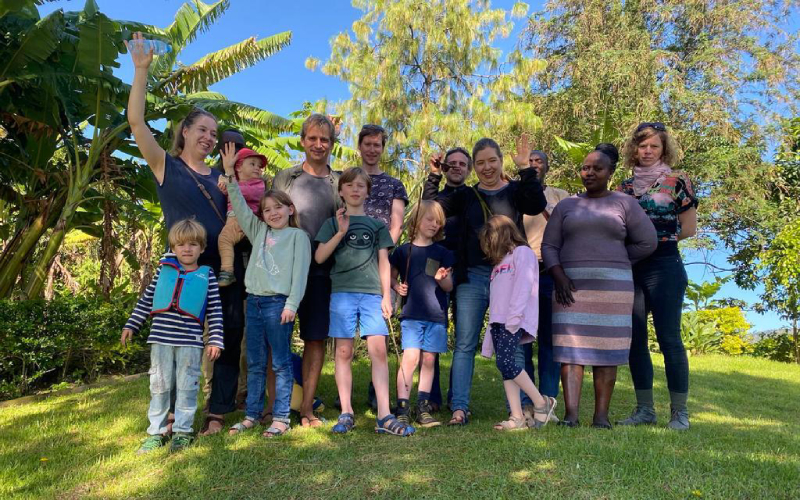
Planning a safari is exciting, but safety is always one of the first questions travelers ask before booking an African adventure. Fortunately, Rwanda has earned an outstanding reputation as one of Africa’s safest and most welcoming destinations. Whether you dream of trekking endangered mountain gorillas in Volcanoes National Park, spotting the Big Five in Akagera National Park, walking beneath the rainforest canopy in Nyungwe National Park, or relaxing beside the peaceful shores of Lake Kivu, understanding Rwanda Safari Safety – Health, Transport & Travel Advice will help you travel with confidence.
Every year, thousands of visitors from Europe, North America, Asia, Australia, and the Middle East choose Rwanda for unforgettable wildlife experiences. Many arrive expecting challenging travel conditions often associated with Africa, only to discover a country with remarkably clean cities, modern infrastructure, reliable healthcare in major towns, professional tourism services, and one of the lowest crime rates on the continent. Rwanda’s strong focus on conservation, sustainable tourism, and visitor protection has transformed it into a premium safari destination that combines breathtaking wildlife encounters with exceptional safety standards.
A successful safari involves more than choosing beautiful lodges and exciting activities. Knowing how to prepare for the climate, understanding local customs, following expert wildlife guidelines, and selecting experienced safari operators all contribute to a safe and rewarding journey. This comprehensive guide explores every important aspect of Rwanda Safari Safety – Health, Transport & Travel Advice, giving you the practical knowledge needed to enjoy your trip from arrival to departure.
Whether you are traveling alone, as a couple, with family, or in a private group, this guide will explain why Rwanda consistently ranks among Africa’s safest travel destinations while providing professional advice to help you make informed decisions before and during your safari.
Why Rwanda Is One of Africa’s Safest Safari Destinations
One of the biggest reasons travelers choose Rwanda is the country’s exceptional commitment to security. Since rebuilding over the past three decades, Rwanda has become internationally recognized for its stability, effective governance, and strong public safety systems. Today, visitors frequently comment on how safe they feel while exploring both cities and national parks.
Unlike many safari destinations where security concerns may require additional precautions, Rwanda offers visitors peace of mind through visible law enforcement, organized tourism management, and well-maintained infrastructure. Tourism is one of the country’s most important economic sectors, so protecting visitors remains a national priority. Government agencies work closely with park authorities, conservation organizations, hotels, tour operators, and local communities to ensure every safari experience meets high safety standards.
The capital city of Kigali often surprises first-time visitors. Wide, clean streets, organized traffic, low crime levels, and friendly residents create an environment unlike many large cities around the world. Travelers comfortably walk around popular neighborhoods, enjoy local restaurants, visit museums, shop in modern malls, and experience vibrant cultural attractions during the day and evening while following normal travel precautions.
National parks maintain similarly impressive standards. Ranger patrols, regulated visitor access, professional guiding systems, and strict conservation policies ensure wildlife encounters remain both exciting and secure. Every activity follows carefully developed safety procedures designed to protect visitors while preserving Rwanda’s remarkable biodiversity.
For international travelers seeking an African safari without unnecessary risks, Rwanda continues to set the benchmark for safe, responsible, and sustainable tourism.
What Makes Rwanda Safer Than Many Other Safari Destinations?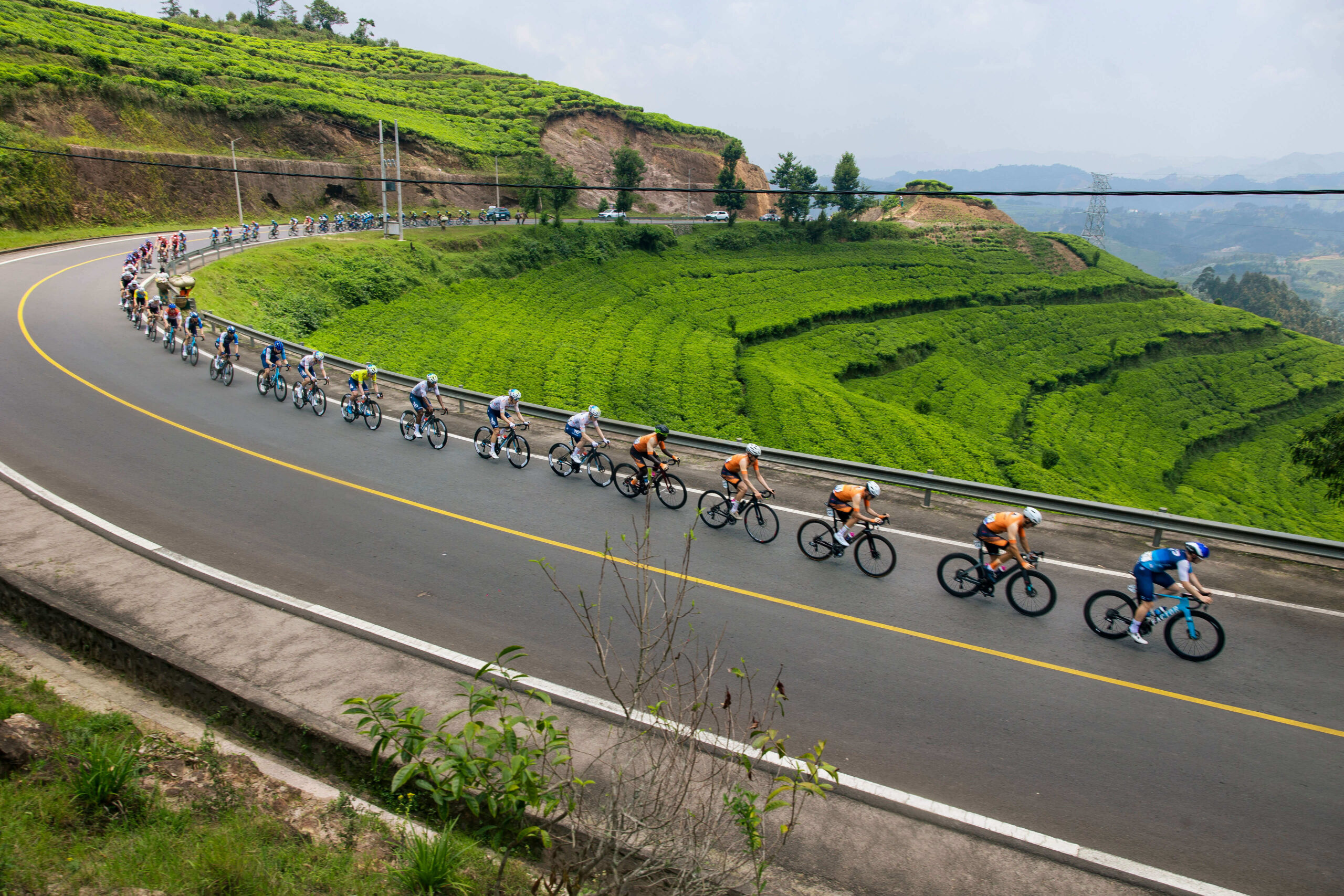
Several important factors contribute to Rwanda’s excellent reputation for traveler safety. Rather than relying on a single measure, the country has built a comprehensive system that supports visitors from the moment they arrive until they depart.
First, Rwanda enjoys a high level of political stability. Stable institutions and consistent government investment have helped create an environment where tourism can flourish. This stability allows hotels, safari companies, transportation providers, and national parks to operate efficiently throughout the year.
Second, law enforcement remains highly visible and responsive. Police officers regularly patrol cities, tourist areas, and major roads. Emergency services continue to improve, and visitor assistance is available whenever required. Travelers often describe interactions with local authorities as professional, courteous, and helpful.
Third, Rwanda invests heavily in infrastructure. Smooth paved highways connect major tourism destinations, making overland travel significantly safer than in many neighboring countries. Modern airports, organized transport services, reliable telecommunications, and improved healthcare facilities further enhance visitor security.
Another major advantage is Rwanda’s emphasis on environmental conservation. National parks employ highly trained ranger teams who not only protect endangered wildlife but also ensure visitor safety during every activity. These professionals receive continuous training in wildlife behavior, emergency response, first aid, and visitor management.
Finally, local communities actively support tourism because they directly benefit from conservation initiatives. Revenue-sharing programs, employment opportunities, and community-based tourism projects encourage residents to protect wildlife and welcome international visitors.
These combined efforts explain why Rwanda continues to attract travelers seeking both extraordinary wildlife experiences and peace of mind.
Rwanda’s Reputation Among International Travelers
Travel reviews consistently highlight Rwanda as one of Africa’s easiest countries to explore. Visitors frequently praise its cleanliness, organization, friendly people, efficient airport procedures, and professional tourism services. Many travelers who initially planned only a gorilla trek decide to extend their stay after experiencing how comfortable and secure the country feels.
Families appreciate the country’s orderly environment and well-managed attractions. Solo travelers often comment on feeling comfortable exploring Kigali independently before joining guided safaris. Couples enjoy romantic lodge experiences without worrying about major security concerns, while photographers value the freedom to visit scenic viewpoints under professional guidance.
Business travelers also contribute to Rwanda’s growing tourism sector. Kigali regularly hosts international conferences and global events, attracting thousands of delegates every year. This international presence has encouraged continued investment in roads, hotels, medical facilities, communications, and visitor services, benefiting safari tourists as well.
The hospitality culture found throughout Rwanda further strengthens its positive reputation. Hotel staff, guides, drivers, restaurant teams, and community members genuinely value guest satisfaction. Their professionalism creates an atmosphere where visitors feel respected, welcomed, and well cared for throughout their journey.
National Park Safety Standards
Rwanda’s three major national parks operate under carefully managed conservation systems that prioritize both wildlife protection and visitor safety. Every activity follows clearly defined procedures developed through years of experience and scientific research.
Before entering any protected area, guests attend detailed safety briefings led by experienced park rangers. These briefings explain wildlife behavior, environmental conditions, emergency procedures, and visitor responsibilities. Participants have opportunities to ask questions before beginning their activities.
Park authorities carefully regulate visitor numbers to reduce environmental impact while ensuring every group receives close supervision. Professional ranger guides accompany visitors throughout treks, game drives, and nature walks. Their knowledge allows guests to safely observe wildlife while minimizing disturbance to animals.
Communication systems connect ranger teams across the parks, allowing rapid coordination whenever necessary. Emergency response procedures remain in place for medical situations, changing weather conditions, or unexpected wildlife movements. Although serious incidents remain extremely rare, comprehensive planning ensures preparedness for every possibility.
Conservation regulations further improve safety by preventing overcrowding and maintaining appropriate distances between visitors and wildlife. These measures protect endangered species while creating exceptional viewing experiences.
Volcanoes National Park Safety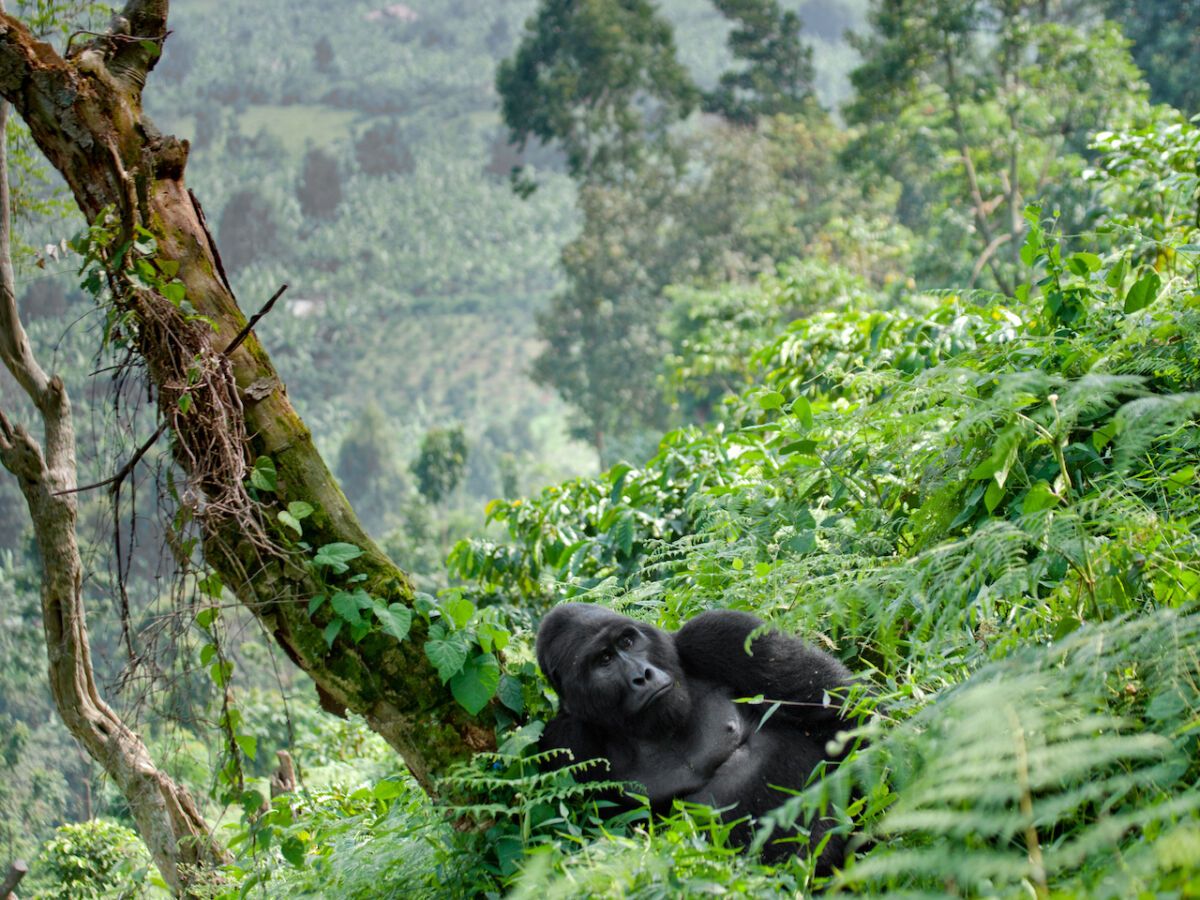
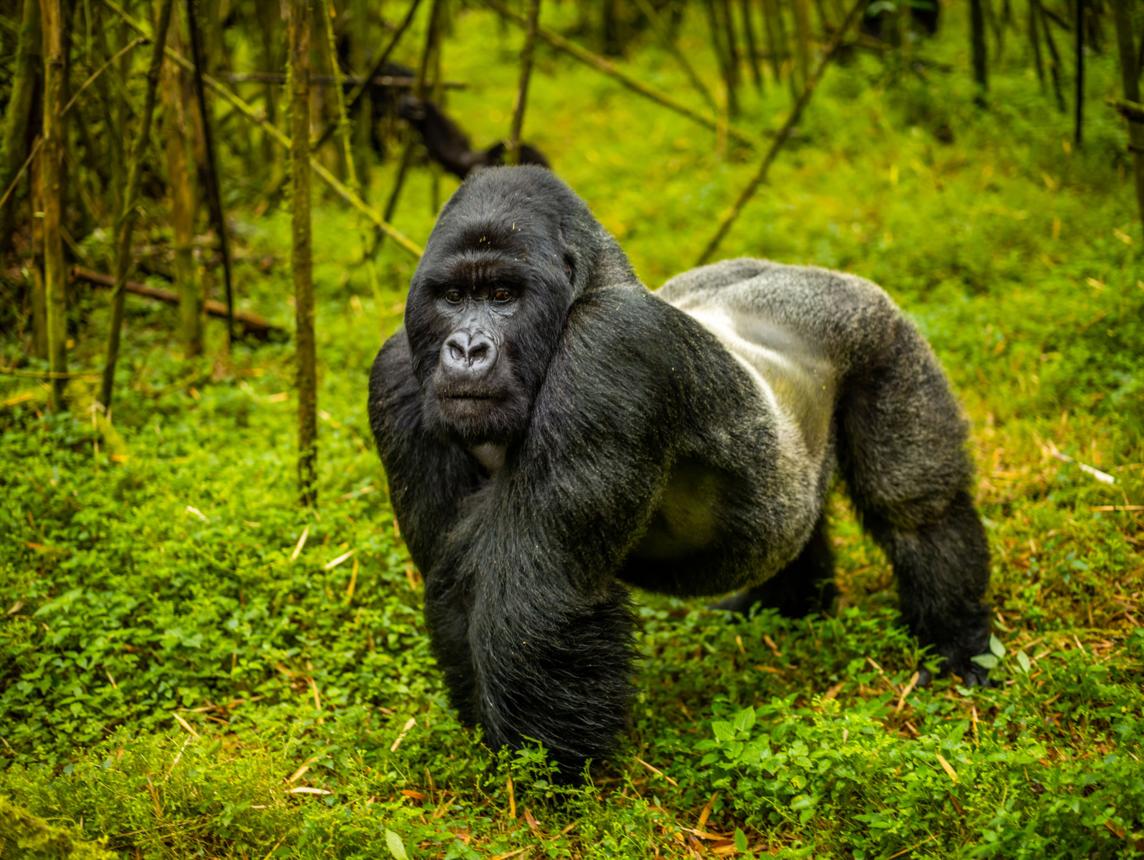
Volcanoes National Park represents Rwanda’s most famous tourism destination and home to the endangered mountain gorillas. Because gorilla trekking attracts visitors from around the world, safety procedures here rank among the most comprehensive anywhere in Africa.
Each trekking group receives an assigned ranger, experienced trackers, and professional guides who monitor gorilla families every day. Before tourists arrive, trackers locate the gorillas and assess environmental conditions. This preparation allows guides to plan the safest and most efficient trekking routes.
Visitors never enter the forest alone. Guides lead every step of the journey while providing advice on terrain, vegetation, weather conditions, and wildlife behavior. They determine when to approach gorillas, where visitors should stand, and how to respond if gorillas move closer.
The result is an extraordinary wildlife encounter managed with remarkable professionalism and safety.
Akagera National Park Safety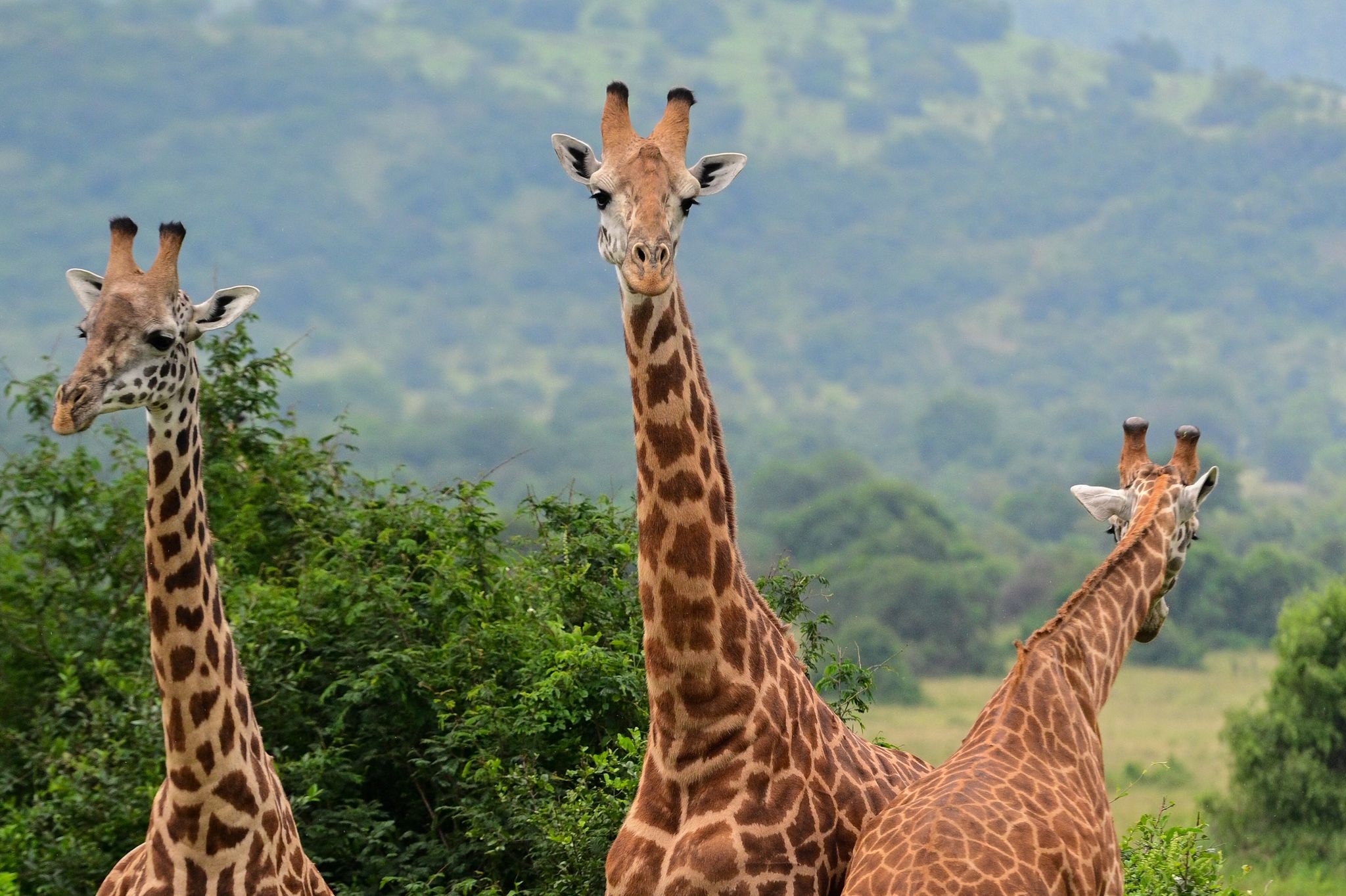
Akagera National Park offers classic African game drives through savannah plains, wetlands, lakes, and rolling hills. The park is home to lions, elephants, rhinos, buffaloes, leopards, giraffes, zebras, hippos, crocodiles, and hundreds of bird species.
Game drives operate under strict regulations that prioritize visitor safety. Professional driver-guides understand animal behavior and maintain appropriate viewing distances throughout each safari. Visitors remain inside safari vehicles unless specifically instructed by authorized guides in designated safe areas.
The park maintains excellent road networks, ranger patrols, emergency communication systems, and clear visitor regulations. Boat safaris on Lake Ihema follow additional safety procedures, including life jackets, trained captains, and carefully managed passenger numbers.
Because tourism supports conservation efforts, both guides and visitors share responsibility for protecting wildlife while maintaining safe interactions.
Nyungwe National Park Safety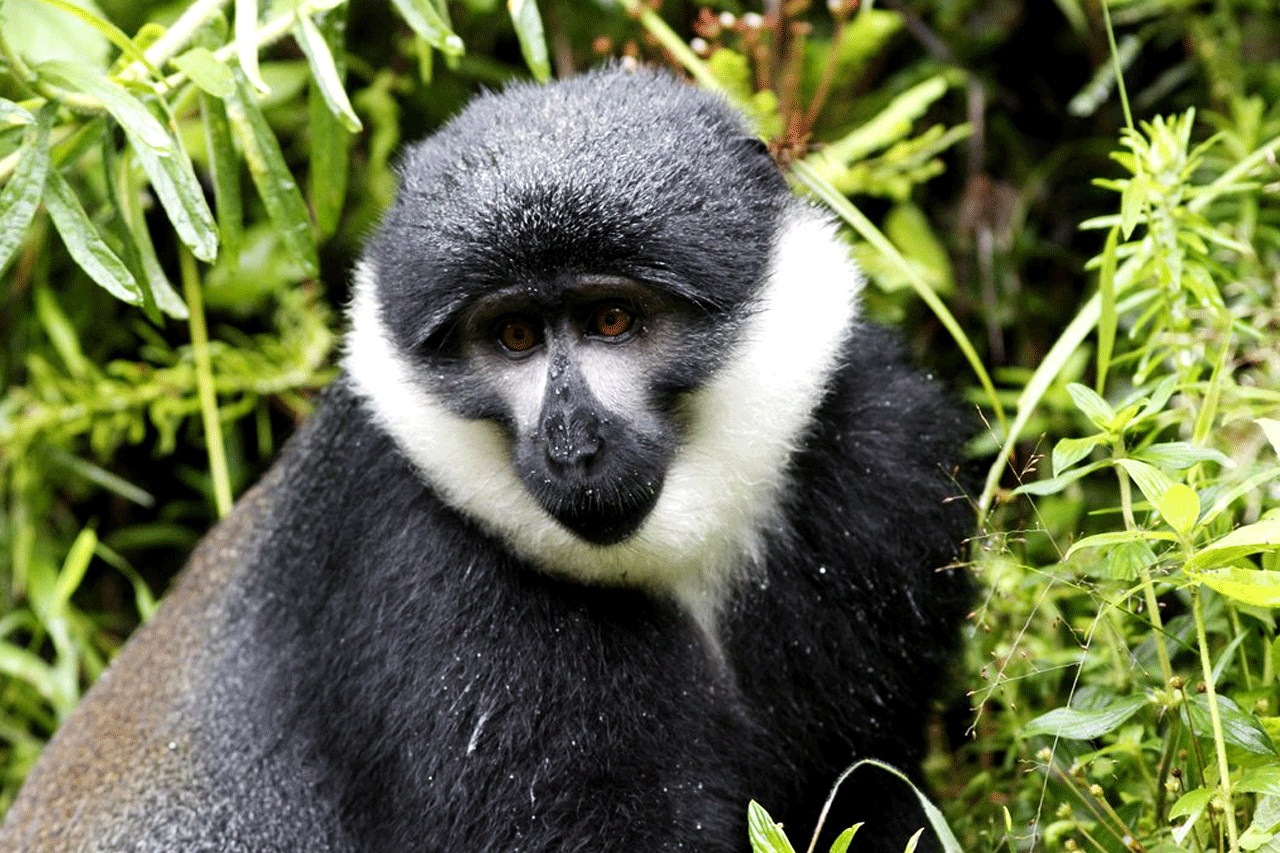
Nyungwe National Park protects one of Africa’s oldest montane rainforests and offers unforgettable chimpanzee trekking, canopy walks, hiking trails, and birdwatching experiences.
Dense forests naturally require additional preparation, but organized guiding systems ensure visitors remain safe throughout every activity. Rangers lead all chimpanzee tracking excursions while monitoring forest conditions and wildlife movements.
The famous canopy walkway undergoes regular inspections and maintenance to meet international safety standards. Guides carefully explain procedures before visitors cross the suspension bridge, ensuring everyone feels confident while enjoying spectacular rainforest views.
Marked hiking trails, emergency response systems, experienced guides, and conservation staff all contribute to Nyungwe’s outstanding safety record.
Gorilla Trekking Safety Rules Every Visitor Should Know
Mountain gorilla trekking is undoubtedly Rwanda’s most iconic safari activity. Although visitors come remarkably close to these magnificent primates, strict conservation guidelines ensure encounters remain safe for both humans and gorillas.
Every trek begins with a mandatory ranger briefing covering health requirements, group behavior, photography rules, and emergency procedures. Visitors learn how to walk quietly through the forest, avoid sudden movements, and respect the gorillas’ natural behavior.
One of the most important rules requires maintaining a minimum viewing distance whenever possible. This protects gorillas from human diseases while reducing stress on the animals. Guides constantly monitor group positioning and adjust visitor movements if gorillas change location.
Only one hour may be spent with each habituated gorilla family. This limit reduces human impact while allowing every visitor an unforgettable wildlife experience.
Guests who feel unwell, particularly with flu-like symptoms, may be asked not to participate in the trek. Since gorillas share many genetic similarities with humans, they remain vulnerable to common human illnesses. Although disappointing, these health measures play a vital role in long-term conservation.
Following guide instructions at all times remains the single most important safety recommendation during gorilla trekking.
The Importance of Booking With a Professional Safari Company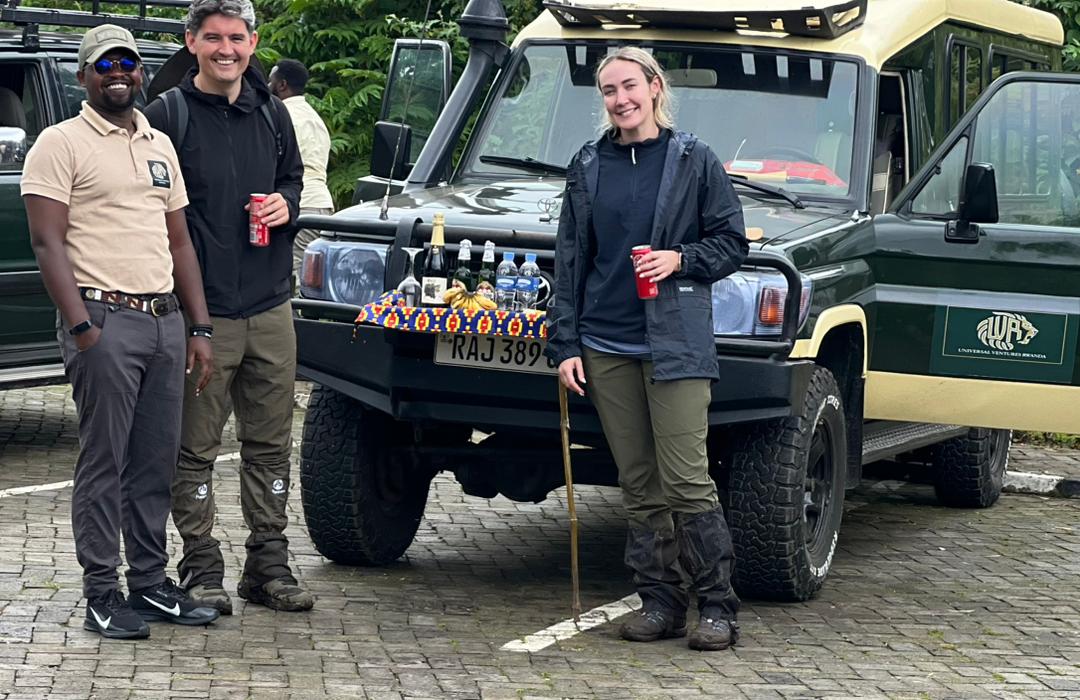
One of the easiest ways to improve your safari safety is by choosing an experienced and licensed tour operator. Professional companies provide much more than transportation. They manage logistics, monitor weather conditions, coordinate park permits, arrange reliable accommodations, and prepare contingency plans for unexpected situations.
Experienced driver-guides possess extensive knowledge of Rwanda’s roads, wildlife, local culture, and national park regulations. They communicate directly with park authorities, hotel staff, emergency services, and conservation teams whenever necessary.
Professional safari companies also maintain well-serviced 4×4 vehicles equipped for Rwanda’s diverse landscapes. Regular maintenance, safety inspections, communication equipment, and trained drivers significantly reduce travel risks while improving comfort.
At Universal Ventures Rwanda, visitor safety remains the highest priority. Every itinerary is carefully planned to include licensed professional guides, comfortable safari vehicles, trusted accommodation partners, and comprehensive logistical support from arrival at Kigali International Airport until departure. Whether you are planning a luxury gorilla safari, a family holiday, a solo adventure, or a cross-border journey into Uganda, our experienced team ensures your experience is safe, seamless, and unforgettable.
Why Travelers Can Explore Rwanda With Confidence
When all factors are considered, Rwanda stands among Africa’s most secure safari destinations. Strong governance, excellent infrastructure, highly trained park authorities, professional tourism services, conservation-focused management, and welcoming local communities combine to create an environment where visitors can fully immerse themselves in extraordinary wildlife experiences.
From the vibrant streets of Kigali to the mist-covered forests of Volcanoes National Park, the savannah landscapes of Akagera, and the ancient rainforests of Nyungwe, travelers consistently discover a country that exceeds expectations for safety, cleanliness, organization, and hospitality.
Understanding Rwanda Safari Safety – Health, Transport & Travel Advice before your journey allows you to travel confidently, appreciate Rwanda’s remarkable achievements, and focus on creating unforgettable memories in one of Africa’s most inspiring destinations.
Rwanda Safari Health Advice: Everything You Need to Know Before Your Adventure
Preparing for a safari involves much more than booking flights, reserving lodges, and choosing exciting wildlife activities. Good health preparation is one of the most important parts of a successful trip, and it allows you to fully enjoy every moment of your journey. Whether you are planning to trek endangered mountain gorillas, search for chimpanzees in ancient rainforests, enjoy Big Five game drives, or relax beside Lake Kivu, understanding Rwanda Safari Safety – Health, Transport & Travel Advice helps reduce unnecessary risks and ensures a comfortable travel experience.
The good news is that Rwanda has one of the strongest healthcare systems in East Africa and continues to invest heavily in public health, sanitation, and disease prevention. The country’s clean environment, strict environmental policies, and organized tourism sector make it a comfortable destination for international visitors. However, just like traveling anywhere in the world, a few sensible precautions will help protect your health throughout your safari.
This section covers vaccinations, malaria prevention, altitude considerations, food and water safety, travel insurance, emergency medical care, and practical packing advice. Following these recommendations will allow you to focus on Rwanda’s spectacular wildlife and breathtaking landscapes with complete confidence.
Recommended Vaccinations Before Visiting Rwanda
One of the first steps in preparing for your safari is speaking with your doctor or a travel health clinic several weeks before departure. Medical professionals can recommend vaccinations based on your country of residence, recent travel history, age, and overall health.
Although Rwanda does not require numerous compulsory vaccinations for most visitors, staying up to date with routine immunizations is strongly recommended. These commonly include protection against tetanus, measles, mumps, rubella, diphtheria, polio, influenza, and hepatitis.
Many travelers also choose to receive vaccinations for Hepatitis A, Hepatitis B, and Typhoid, particularly if they plan to spend extended periods exploring rural areas or participating in community experiences. While these diseases are uncommon among organized safari travelers staying in quality lodges, vaccination provides valuable additional protection.
Yellow Fever deserves special attention. Travelers arriving from countries where Yellow Fever is present may be required to present a valid Yellow Fever Vaccination Certificate upon arrival in Rwanda. Some neighboring countries have similar regulations, especially for cross-border safaris between Rwanda and Uganda. Carrying your vaccination certificate with your passport is therefore a simple way to avoid unnecessary delays during immigration procedures.
Consulting a qualified healthcare professional before departure remains the safest approach, as medical recommendations may change depending on global health situations and your individual medical history.
Malaria Prevention During a Rwanda Safari
Malaria is one of the most frequently discussed health topics among visitors planning an African safari. While malaria exists in parts of Rwanda, the actual risk varies depending on altitude, season, and the locations included in your itinerary.
Kigali sits at a relatively high elevation, and Volcanoes National Park is even higher, reducing mosquito populations compared with lower-altitude tropical regions. Nevertheless, destinations such as Akagera National Park and some lakeside areas may present a higher malaria risk because of their warmer climate and wetland ecosystems.
For this reason, many doctors recommend taking antimalarial medication before, during, and after your trip. Your physician will advise which medication best suits your health needs and travel plans.
Medication should always be combined with practical mosquito protection measures. These include applying insect repellent containing DEET or other recommended ingredients, wearing long-sleeved clothing during the evening, sleeping under mosquito nets where provided, and choosing accommodations that use screened windows or air conditioning.
Most safari lodges in Rwanda actively manage mosquito populations through regular environmental control measures and provide mosquito nets or treated rooms for guests. These precautions greatly reduce the likelihood of mosquito bites while maintaining guest comfort.
By following basic prevention strategies, travelers can enjoy Rwanda’s wildlife without allowing mosquitoes to interfere with their adventure.
Food and Water Safety on Safari
Many first-time visitors worry about food hygiene when traveling in Africa. Fortunately, Rwanda has developed an excellent reputation for cleanliness, and tourism establishments maintain high food safety standards.
Hotels, safari lodges, restaurants, and reputable tour operators place significant emphasis on hygiene. Fresh ingredients, proper refrigeration, careful food preparation, and trained kitchen staff help ensure meals are both delicious and safe.
Safari lodges often source fresh fruits, vegetables, dairy products, meat, and coffee directly from nearby farming communities. This not only supports local economies but also provides visitors with fresh, high-quality ingredients throughout their stay.
As with travel anywhere in the world, drinking safe water remains important. Bottled mineral water is widely available throughout Rwanda and is typically provided complimentary during guided safaris. Many safari vehicles carry additional bottled water to keep guests hydrated during transfers and wildlife activities.
Visitors should avoid drinking untreated water from rivers, lakes, or unknown sources. Ice served in reputable hotels and restaurants is generally considered safe, but travelers with sensitive stomachs may choose bottled beverages for additional peace of mind.
Fresh fruit should ideally be peeled before eating if purchased independently from local markets. However, fruits served in established lodges and restaurants are usually washed thoroughly before preparation.
Maintaining good hand hygiene also reduces the risk of stomach illnesses. Carrying a small bottle of hand sanitizer proves particularly useful before meals, after game drives, and during long road journeys.
Staying Hydrated During Your Safari
Although Rwanda enjoys a mild climate throughout much of the year, safari activities can be physically demanding. Gorilla trekking, hiking, canopy walks, and full-day game drives all require adequate hydration.
Mountain trekking often involves several hours of walking through steep forest terrain. Even though temperatures remain relatively cool at higher elevations, physical activity causes the body to lose significant amounts of water.
Visitors should drink water regularly throughout the day rather than waiting until they feel thirsty. Guides normally remind guests to hydrate before beginning gorilla trekking and recommend carrying reusable water bottles or bottled drinking water inside small backpacks.
Hydration also helps reduce fatigue, improves concentration during wildlife viewing, and assists the body in adjusting to changing elevations.
Altitude and Physical Fitness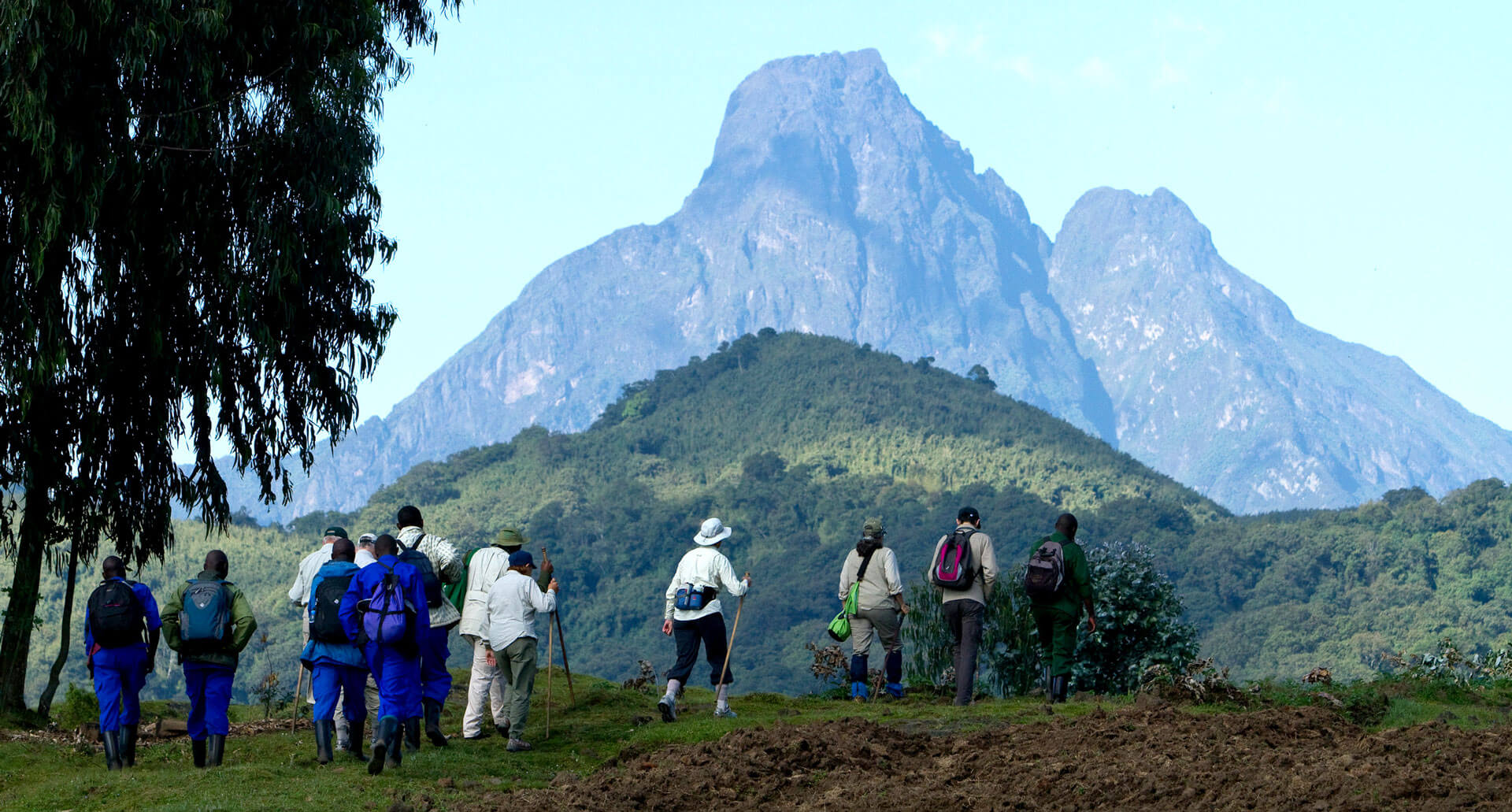
One unique aspect of Rwanda is its elevation. Often called the “Land of a Thousand Hills,” much of the country lies above 1,500 meters, while Volcanoes National Park reaches elevations exceeding 2,500 meters.
Most travelers adapt quickly without difficulty, but some visitors may notice mild shortness of breath during the first day or two, particularly while climbing steep trails. This response is normal and usually temporary.
Mountain gorilla trekking varies considerably depending on which gorilla family is assigned. Some families live close to the park boundary and require only short walks, while others inhabit higher slopes that demand greater physical effort.
Fortunately, park authorities carefully consider visitors’ age, fitness level, and mobility when assigning trekking groups whenever possible. Older travelers or those with minor physical limitations may request easier gorilla families through their safari operator.
Walking at a comfortable pace, taking regular breaks, staying hydrated, and listening carefully to your guide make the experience enjoyable for visitors of varying fitness levels.
Preventing Sun Exposure
Many people associate Rwanda with tropical heat, yet the country’s high altitude produces pleasant daytime temperatures throughout much of the year. Even so, ultraviolet radiation remains surprisingly strong.
Long periods spent on game drives, boat cruises, or hiking trails increase exposure to sunlight. Travelers should therefore wear sunscreen with a high SPF rating, sunglasses offering UV protection, and wide-brimmed hats for additional shade.
Lightweight long-sleeved clothing provides excellent protection while remaining comfortable in warm weather. Neutral-colored clothing is generally recommended during wildlife activities because bright colors may disturb certain animals.
Proper sun protection prevents sunburn, dehydration, and unnecessary fatigue, allowing visitors to remain comfortable throughout their safari.
Emergency Medical Services in Rwanda
Healthcare standards in Rwanda have improved dramatically over the past two decades. Kigali now offers several modern hospitals, specialist clinics, pharmacies, diagnostic centers, and emergency medical facilities that serve both residents and international visitors.
Most safari itineraries begin and end in Kigali, allowing travelers convenient access to medical care before or after their wildlife adventures if necessary.
National parks maintain emergency response procedures for visitors participating in tourism activities. Professional ranger teams receive first-aid training, carry communication equipment, and coordinate closely with nearby medical facilities should assistance become necessary.
Although serious medical emergencies during safaris remain rare, having well-developed response systems provides additional reassurance for international travelers.
Travelers taking prescription medication should carry sufficient supplies for the entire trip, along with copies of prescriptions in their original packaging. This avoids potential difficulties if medication becomes unavailable locally.
Basic personal medical kits are also highly recommended. Useful items include adhesive bandages, antiseptic wipes, blister treatment, pain relievers, allergy medication, anti-diarrheal tablets, insect bite cream, oral rehydration salts, and any personal medications.
Why Comprehensive Travel Insurance Is Essential
One of the most important recommendations within Rwanda Safari Safety – Health, Transport & Travel Advice is purchasing comprehensive travel insurance before departure.
Travel insurance protects travelers against unexpected situations such as medical emergencies, trip cancellations, delayed flights, lost baggage, emergency evacuation, and unforeseen travel disruptions.
For gorilla trekking, insurance becomes particularly valuable. Gorilla permits represent a significant investment, and although refunds are subject to specific park regulations, insurance may help recover eligible costs if illness or other covered events prevent participation.
Adventure activities such as gorilla trekking, chimpanzee trekking, hiking, canopy walks, and cross-border safaris should all be included within your policy. Carefully reviewing coverage details before traveling helps prevent unpleasant surprises later.
Many experienced travelers consider travel insurance an essential part of responsible safari planning rather than an optional expense.
Mental Well-Being While Traveling
A safari offers much more than wildlife viewing. Spending time in Rwanda’s forests, mountains, lakes, and national parks often provides profound mental relaxation and emotional renewal.
Disconnecting from daily routines, breathing fresh mountain air, observing animals in their natural habitat, and interacting with welcoming local communities create experiences that reduce stress and encourage mindfulness.
At the same time, visiting places such as the Kigali Genocide Memorial can be emotionally powerful. Many visitors find these experiences deeply moving and educational. Taking time afterward to reflect, discuss your thoughts with your guide, or simply relax at your lodge allows for a healthy emotional balance throughout your journey.
Combining cultural understanding with unforgettable wildlife encounters makes Rwanda one of Africa’s most rewarding travel destinations.
Essential Health Packing Checklist
Packing carefully before your safari reduces stress and ensures you are prepared for changing weather conditions and outdoor activities. While most personal items can be purchased in Kigali, arriving well-equipped makes your journey much smoother.
Your health-focused packing list should include lightweight hiking boots with good grip, comfortable walking clothes, a waterproof rain jacket, warm fleece layers for early mornings, insect repellent, sunscreen, sunglasses, a wide-brimmed hat, reusable water bottles, personal medications, a compact first-aid kit, travel documents, vaccination certificates if required, travel insurance documents, hand sanitizer, wet wipes, lip balm, moisturizing lotion, and high-quality binoculars for wildlife viewing.
Camera batteries, power banks, universal travel adapters, and waterproof bags are equally useful during extended safaris, especially when trekking through rainforest environments.
Preparing these essentials before departure allows you to concentrate entirely on enjoying your adventure.
Responsible Health Practices Protect Both Visitors and Wildlife
Health precautions during a Rwanda safari benefit not only travelers but also the country’s remarkable wildlife. This is especially important for mountain gorillas, which share approximately 98 percent of their DNA with humans and are highly susceptible to many human respiratory illnesses.
For this reason, visitors showing symptoms such as fever, coughing, sore throat, or flu may be advised not to participate in gorilla trekking. Although this can be disappointing, it plays a vital role in protecting these endangered primates and supporting long-term conservation efforts.
Simple practices such as washing hands regularly, covering coughs, following guide instructions, maintaining appropriate distances from wildlife, and respecting park regulations all contribute to the health of both visitors and animals.
Responsible tourism remains one of the reasons Rwanda has become a global conservation success story.
Final Thoughts on Rwanda Safari Health Preparation
Health preparation is one of the easiest ways to ensure a safe, enjoyable, and worry-free safari. Rwanda’s modern healthcare services, clean environment, professional tourism sector, and excellent conservation standards already provide visitors with a strong foundation for safe travel. When combined with sensible planning, recommended vaccinations, malaria prevention, comprehensive insurance, and good personal hygiene, the risks associated with safari travel become remarkably low.
By following the guidance outlined in Rwanda Safari Safety – Health, Transport & Travel Advice, you can explore Volcanoes National Park, Akagera National Park, Nyungwe National Park, Lake Kivu, and Kigali with confidence, knowing you are well prepared for an unforgettable African adventure.
Rwanda Safari Transport Safety: Road Conditions, Self-Drive vs Guided Safaris, Airport Transfers and Cross-Border Travel
Transportation plays a major role in every safari experience. Even the most luxurious accommodation and the best wildlife encounters can be affected by poor travel planning or unsafe transportation. Fortunately, Rwanda has invested heavily in modern roads, organized public infrastructure, and professional tourism services, making it one of the easiest and safest countries to explore in Africa. Whether you are driving through the rolling hills surrounding Kigali, heading north to Volcanoes National Park, crossing the savannah plains of Akagera National Park, or traveling southwest toward Nyungwe National Park, visitors quickly notice the country’s well-maintained road network and disciplined driving culture.
Understanding Rwanda Safari Safety – Health, Transport & Travel Advice is essential when planning how you will move between destinations. Choosing the right transportation not only improves comfort but also enhances safety, reduces travel stress, and allows you to enjoy Rwanda’s spectacular scenery throughout your journey. Most safari travelers spend several hours on the road during their itinerary, making reliable transportation one of the most important parts of the overall experience.
Unlike many safari destinations where long journeys involve rough roads and unpredictable driving conditions, Rwanda offers smooth highways connecting major tourism attractions. At the same time, mountain roads, changing weather, and access tracks inside national parks require experience and careful planning. This is why most international visitors choose professionally guided safaris that combine safe driving with expert local knowledge.
Rwanda’s Modern Road Network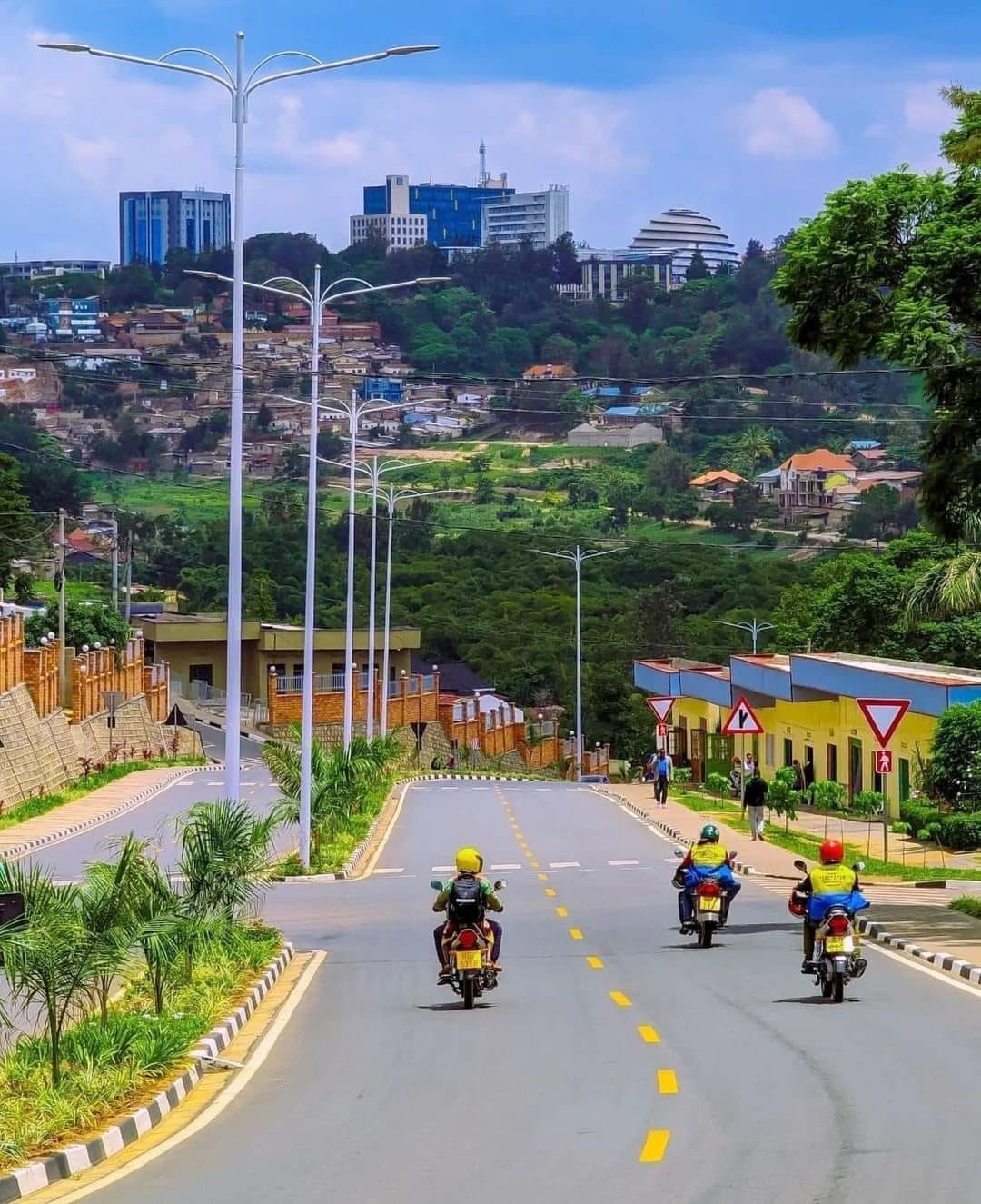
One of Rwanda’s greatest strengths is its excellent transportation infrastructure. Over the past two decades, the government has invested significantly in expanding and maintaining highways that connect Kigali with every region of the country. As a result, travelers can comfortably reach most safari destinations using paved roads that remain in good condition throughout the year.
The journey from Kigali to Volcanoes National Park takes approximately two and a half hours on well-maintained tarmac roads passing through beautiful villages, agricultural terraces, and scenic mountain landscapes. The drive to Akagera National Park generally takes about two and a half to three hours, while Nyungwe National Park can be reached in approximately five to six hours depending on weather, road conditions, and planned sightseeing stops.
Road signs are clear, traffic regulations are enforced, and navigation has become increasingly straightforward. Fuel stations, restaurants, supermarkets, and rest areas are available along most major routes, making long-distance travel comfortable for visitors.
Although road quality is excellent, Rwanda’s famous “Land of a Thousand Hills” nickname accurately reflects its geography. Curving mountain roads require careful driving, especially during periods of heavy rainfall. Fortunately, professional safari drivers have extensive experience navigating these routes safely.
Driving Conditions Throughout Rwanda
Driving in Rwanda is generally considered safe when compared with many countries in the region. Drivers travel on the right-hand side of the road, traffic laws are respected, and police actively enforce speed limits and road safety regulations.
The national speed limit varies depending on location. Urban areas usually have lower limits to protect pedestrians, while highways allow slightly faster travel. Speed cameras and traffic checkpoints encourage responsible driving, contributing to Rwanda’s impressive road safety record.
Visitors should expect winding roads, steep hills, and occasional slow-moving agricultural vehicles in rural areas. Livestock may also cross roads unexpectedly, particularly in villages. Experienced local drivers anticipate these situations and adjust their speed accordingly.
Rain can temporarily reduce visibility, especially during the long rainy season between March and May and the shorter rainy season around October and November. Even so, paved roads drain well, and major highways remain accessible throughout the year.
Traveling during daylight hours is generally recommended because scenic landscapes are easier to appreciate and road conditions are more visible.
Why Guided Safaris Are the Safest Option
When considering Rwanda Safari Safety – Health, Transport & Travel Advice, one question frequently arises: should visitors rent a vehicle independently or book a guided safari?
For most international travelers, guided safaris offer significant advantages. Professional driver-guides possess extensive knowledge of Rwanda’s roads, weather conditions, wildlife regulations, local culture, and tourism procedures. Their experience allows visitors to relax and enjoy the scenery rather than concentrating on navigation.
Guides also monitor changing conditions throughout the journey. If road construction, weather, or local events affect planned routes, they can immediately recommend suitable alternatives.
Another important advantage involves timing. Gorilla trekking, chimpanzee trekking, and game drives all operate according to strict schedules. Experienced guides ensure guests arrive on time for park briefings, permit verification, and activity departures.
Communication further enhances safety. Professional guides remain in contact with hotels, park authorities, emergency services, and company offices whenever necessary. Should assistance be required, support is immediately available.
For travelers visiting Rwanda for the first time, guided safaris provide both convenience and peace of mind.
Is Self-Driving Safe in Rwanda?
Self-driving has become increasingly popular among adventurous travelers, especially those seeking flexibility and independence. Rwanda’s good roads make independent travel possible, but it is not always the most practical choice for every visitor.
Drivers must feel comfortable navigating mountainous terrain, understanding local traffic regulations, and managing long driving days between destinations. International Driving Permits may be required depending on your nationality, and rental companies normally request valid documentation before releasing vehicles.
GPS navigation works well throughout much of Rwanda, although mobile coverage may become limited in certain remote park areas. Downloading offline maps before departure is therefore recommended.
Visitors should remember that national parks have their own regulations. Akagera National Park allows self-drive game viewing, but understanding wildlife behavior requires caution and experience. Staying inside your vehicle except in designated areas remains essential.
Volcanoes National Park and Nyungwe National Park activities are always conducted with official park guides, even when visitors arrive in self-drive vehicles.
Although self-driving can be rewarding, many travelers ultimately discover that professional guides greatly enrich the safari experience by sharing wildlife knowledge, cultural insights, and historical information throughout the journey.
Choosing the Right Safari Vehicle
Your safari vehicle contributes directly to both safety and comfort. Professional safari companies invest in specially prepared four-wheel-drive vehicles designed to handle Rwanda’s changing landscapes while providing excellent wildlife viewing opportunities.
Toyota Land Cruisers remain the preferred choice for most safaris because they combine reliability, durability, and passenger comfort. Their high ground clearance allows safe travel on gravel roads inside national parks, while large windows and pop-up roofs provide outstanding visibility during wildlife viewing.
Toyota Prado vehicles are popular for luxury private safaris and smaller groups, offering comfortable seating, air conditioning, and smooth performance on paved roads.
Toyota RAV4 vehicles are commonly used for budget-friendly safaris and self-drive adventures, particularly for travelers remaining on established road networks.
Professional safari vehicles undergo regular servicing and safety inspections. Tires, brakes, suspension systems, communication equipment, and recovery tools receive continuous maintenance to minimize the risk of mechanical problems during remote travel.
Selecting a licensed operator with modern vehicles remains one of the best investments travelers can make.
Airport Transfers: Safe Arrival and Departure
Your safari begins the moment you land at Kigali International Airport. Safe and organized airport transfers eliminate unnecessary stress after long international flights and ensure a smooth introduction to Rwanda.
Professional safari companies monitor flight arrival times and adjust pickup schedules whenever delays occur. Upon arrival, guests are welcomed by licensed driver-guides who assist with luggage before beginning the transfer to their hotel or safari destination.
Using pre-arranged airport transfers avoids confusion associated with finding transportation independently. Visitors also benefit from immediate local assistance, useful travel information, and an introduction to Rwanda’s customs, culture, and itinerary.
On departure day, professional drivers carefully calculate transfer times based on flight schedules and traffic conditions, ensuring travelers reach the airport comfortably before check-in closes.
Reliable airport transfers create a positive first impression while maintaining high safety standards from the very beginning of your safari.
Transport Safety Inside National Parks
Each national park follows specific transportation regulations designed to protect visitors, wildlife, and sensitive ecosystems.
In Akagera National Park, vehicles must remain on designated roads and tracks. Off-road driving is prohibited because it damages vegetation and disturbs wildlife habitats. Speed limits are strictly enforced to reduce accidents involving animals crossing roads.
Game drives require visitors to remain seated while vehicles are moving. Standing unexpectedly or extending body parts outside vehicles near wildlife can increase unnecessary risk.
Boat safaris on Lake Ihema are operated by trained professionals using approved safety equipment. Life jackets are provided for every passenger and should always be worn throughout the excursion.
Within Volcanoes National Park, vehicles transport visitors only to trekking headquarters. From there, official park guides and rangers lead trekking groups on foot according to carefully managed conservation procedures.
Nyungwe National Park similarly requires visitors to follow ranger instructions during forest walks, chimpanzee tracking, and canopy experiences.
Respecting these transportation rules ensures every activity remains enjoyable and safe.
Safe Cross-Border Travel Between Rwanda and Uganda
Many travelers combine Rwanda with neighboring Uganda to experience both countries’ remarkable wildlife attractions. Cross-border gorilla safaris have become especially popular because they allow visitors to trek gorillas in one country while exploring cultural and natural attractions in another.
Crossing international borders requires careful planning. Passports must remain valid, visa requirements should be confirmed before travel, and travelers should carry all necessary permits and travel documents.
Professional safari operators simplify the entire process by preparing documentation, coordinating border procedures, and advising guests about current immigration requirements.
The most frequently used border crossings between Rwanda and Uganda are efficient and well organized. However, processing times may vary depending on traffic, seasonal visitor numbers, and immigration procedures.
Travelers should avoid carrying prohibited items, maintain copies of important documents, and keep passports accessible throughout the journey.
Choosing an experienced cross-border safari company significantly reduces delays while ensuring compliance with both countries’ regulations.
Night Driving During a Rwanda Safari
Although Rwanda’s roads remain in good condition, unnecessary night driving is generally discouraged for safari visitors.
Reduced visibility, mountain curves, occasional livestock crossings, and limited lighting in rural areas increase driving complexity after sunset. Wildlife movement also becomes less predictable near protected areas.
Professional safari itineraries are therefore designed to maximize daylight travel whenever possible. Guests typically depart after breakfast, enjoy scenic stops along the route, and arrive at their lodges before evening.
This schedule not only improves safety but also allows visitors to appreciate Rwanda’s spectacular landscapes during daylight hours.
When night travel becomes unavoidable, experienced professional drivers significantly reduce risks through cautious driving, local route knowledge, and continuous attention to changing road conditions.
Public Transportation for Tourists
Rwanda has an efficient public transportation network serving cities and towns across the country. Modern buses connect Kigali with major regional destinations, while motorcycle taxis and conventional taxis provide local transportation within urban areas.
Although public transport is generally safe and affordable, it is not designed specifically for safari tourism. National park schedules, luggage requirements, permit timings, and remote lodge locations often make independent public transportation less practical for wildlife travelers.
Visitors planning gorilla trekking, chimpanzee tracking, or multi-day safaris usually benefit far more from private transportation arranged through professional safari companies.
Private vehicles provide flexibility, secure luggage storage, direct hotel transfers, personalized sightseeing opportunities, and comfortable travel throughout the itinerary.
Weather and Transport Safety
Rwanda’s climate influences transportation conditions throughout the year. During dry seasons, roads remain excellent and travel times are highly predictable.
Rainy seasons, however, may bring temporary fog, reduced visibility, and slower driving conditions in mountainous regions. Fortunately, major roads continue operating normally because of Rwanda’s strong investment in drainage and infrastructure maintenance.
Professional safari companies monitor weather forecasts closely and adjust departure times if necessary. Guides also recommend appropriate clothing for changing temperatures, especially when traveling between lowland savannahs and high-altitude forests.
Flexible planning ensures guests travel comfortably regardless of seasonal conditions.
Choosing a Licensed Safari Operator
One of the most important decisions affecting transport safety is selecting a reputable safari company. Licensed operators maintain modern vehicles, employ experienced guides, follow national tourism regulations, and prioritize visitor well-being throughout every journey.
When comparing safari companies, travelers should consider vehicle condition, guide qualifications, customer reviews, insurance coverage, emergency support, and overall experience operating within Rwanda.
At Universal Ventures Rwanda, transportation safety forms the foundation of every safari. Our fleet of professionally maintained 4×4 safari vehicles is regularly inspected to ensure maximum reliability and comfort. Our experienced English-speaking driver-guides receive continuous training in defensive driving, wildlife safety, first aid, customer care, and cross-border travel procedures. Whether you are exploring Volcanoes National Park, Akagera National Park, Nyungwe National Park, Lake Kivu, or neighboring Uganda, every journey is carefully planned to provide a safe, comfortable, and unforgettable experience.
Final Thoughts on Rwanda Safari Transport Safety
Transportation is often overlooked during safari planning, yet it directly affects every part of your adventure. Rwanda’s outstanding road network, disciplined traffic culture, modern infrastructure, and professional tourism services make it one of Africa’s safest countries for overland travel. When combined with experienced driver-guides, reliable safari vehicles, organized airport transfers, and carefully managed national park regulations, visitors can travel confidently from one incredible destination to the next.
Following the recommendations in Rwanda Safari Safety – Health, Transport & Travel Advice ensures that every journey—whether by road, boat, or across international borders—is smooth, secure, and enjoyable. With transportation in capable hands, you can focus entirely on the breathtaking wildlife, vibrant culture, and unforgettable landscapes that make Rwanda one of the world’s premier safari destinations.
Wildlife Safety, Family Travel Tips, Frequently Asked Questions and Why Choose Universal Ventures Rwanda
A safari in Rwanda is unlike any other travel experience. Few destinations in the world allow visitors to come face-to-face with endangered mountain gorillas, observe chimpanzees swinging through ancient rainforests, watch lions hunting across open savannahs, or cruise peacefully alongside hippos and crocodiles. These extraordinary experiences create lifelong memories, but they also require respect for wildlife and a commitment to responsible tourism. Fortunately, Rwanda has developed one of Africa’s most effective conservation and visitor management systems, allowing guests to enjoy remarkable encounters while maintaining exceptional safety standards.
Understanding Rwanda Safari Safety – Health, Transport & Travel Advice goes beyond preparing for flights, accommodation, or medical requirements. It also means knowing how to behave around wildlife, respecting park regulations, and following the guidance of experienced ranger guides. These simple practices not only protect visitors but also preserve Rwanda’s incredible biodiversity for future generations.
Whether you are visiting as a solo traveler, honeymoon couple, family with children, photographer, or senior adventurer, this final section provides practical advice to help you enjoy a safe, rewarding, and unforgettable safari.
Wildlife Safety During Your Rwanda Safari
Rwanda’s national parks protect some of Africa’s most iconic species. While these animals are accustomed to living in protected environments with controlled tourism, they remain completely wild. Their behavior can never be predicted with absolute certainty, making professional guidance essential during every safari activity.
The most important rule is simple: always follow your guide’s instructions. Park rangers and professional safari guides spend years learning animal behavior, environmental conditions, and emergency response procedures. Their experience allows visitors to observe wildlife safely while minimizing disturbance to the animals.
Keeping a respectful distance from wildlife is another essential principle. Whether watching elephants in Akagera National Park, photographing golden monkeys in Volcanoes National Park, or following chimpanzees in Nyungwe National Park, visitors should never attempt to approach, feed, or attract animals for better photographs.
Remaining calm also plays an important role. Sudden movements, loud voices, or attempts to imitate animal sounds can alter wildlife behavior unnecessarily. Quiet observation provides better viewing opportunities while supporting conservation efforts.
By respecting these simple rules, travelers enjoy close yet safe encounters with Rwanda’s extraordinary wildlife.
Gorilla Trekking Safety: Why It Is So Well Managed
Mountain gorilla trekking often appears adventurous, yet it is one of the most carefully managed wildlife activities anywhere in the world. Rwanda limits the number of daily visitors, assigns only small trekking groups to each habituated gorilla family, and requires experienced rangers to accompany every trek.
Before entering the forest, visitors receive a comprehensive briefing covering gorilla behavior, photography rules, health requirements, emergency procedures, and environmental protection. Guides explain exactly how to react if gorillas move nearby, ensuring every visitor feels comfortable before the trek begins.
Professional trackers locate gorilla families early each morning before tourists enter the forest. They remain in communication with ranger guides throughout the day, allowing trekking routes to be adjusted according to gorilla movements and weather conditions.
Once visitors reach the gorillas, they spend a maximum of one hour observing these magnificent primates. This strict time limit reduces stress on the animals while giving every guest an unforgettable experience.
Because mountain gorillas are highly susceptible to human illnesses, visitors experiencing flu symptoms, fever, or contagious infections should not participate in the trek. Although disappointing, this policy plays a vital role in protecting one of the world’s most endangered species.
The combination of trained staff, strict conservation policies, and visitor education has made Rwanda’s gorilla trekking program one of the safest and most respected wildlife tourism experiences globally.
Safety During Game Drives in Akagera National Park
Akagera National Park offers a completely different safari experience from the mountain forests of Volcanoes National Park. Here, visitors explore vast savannahs, woodlands, wetlands, and lakes in search of the Big Five and hundreds of other animal species.
Game drives are conducted using specially designed safari vehicles that provide excellent visibility while maintaining passenger safety. Visitors should remain seated whenever the vehicle is moving and avoid leaning outside windows or standing without permission.
Animals such as elephants, buffaloes, lions, leopards, and rhinos are powerful and unpredictable. Although they often appear calm, approaching them on foot or attempting to attract their attention is extremely dangerous. Guides carefully position vehicles at safe viewing distances while allowing guests excellent photographic opportunities.
Patience is also important. Wildlife encounters happen naturally, and rushing or pressuring guides to drive closer may place both visitors and animals at unnecessary risk. Responsible game viewing always prioritizes safety over convenience.
Boat Safari Safety on Lake Ihema and Lake Kivu
Boat excursions provide a relaxing perspective on Rwanda’s wildlife and landscapes. In Akagera National Park, Lake Ihema is famous for hippos, Nile crocodiles, fish eagles, and numerous waterbirds. Lake Kivu offers peaceful cruises, island visits, fishing communities, and spectacular sunset views.
Professional boat operators maintain safety standards by providing life jackets for every passenger, monitoring weather conditions, and following approved navigation routes.
Passengers should remain seated while boats are moving, avoid sudden weight shifts, and carefully follow instructions provided by boat captains.
Although crocodiles and hippos inhabit some waterways, experienced operators understand their behavior and maintain safe observation distances throughout every excursion.
Boat safaris combine relaxation with wildlife viewing while maintaining excellent safety standards.
Safety Tips for Families Traveling to Rwanda
Rwanda has become one of Africa’s most family-friendly safari destinations. Clean cities, welcoming communities, excellent accommodation, and well-organized tourism services make the country suitable for travelers of different ages.
Families should remember that certain activities have age restrictions. Gorilla trekking is available only to visitors aged 15 years and above because of the physical demands involved and the importance of minimizing disturbance to gorilla families.
Younger children can still enjoy many unforgettable experiences, including game drives in Akagera National Park, boat cruises, cultural village visits, nature walks, birdwatching, coffee tours, and sightseeing in Kigali.
Parents should ensure children remain supervised throughout wildlife activities and encourage them to follow guide instructions carefully. Teaching children about conservation during the safari often becomes one of the most rewarding parts of the journey.
Many lodges offer spacious family rooms, child-friendly menus, swimming pools, and flexible meal arrangements, allowing parents to travel comfortably while creating lifelong memories together.
Solo Travelers: Is Rwanda Safe?
One of the most common questions asked by independent travelers is whether Rwanda is suitable for solo adventures. The answer is yes. Rwanda consistently ranks among Africa’s safest destinations for solo visitors because of its low crime levels, organized tourism sector, and welcoming local communities.
Solo travelers often appreciate the country’s clean streets, reliable transportation, and professional hospitality industry. Kigali is particularly comfortable for independent exploration during daylight hours, with museums, cafés, restaurants, craft markets, and art galleries easily accessible.
Joining a professionally guided safari offers additional reassurance while providing opportunities to learn from experienced local guides. Private safaris are ideal for travelers seeking flexibility, while scheduled departures allow solo visitors to share experiences with others.
Remaining aware of your surroundings, protecting valuables, and following general travel precautions are sensible practices, just as they would be in any destination worldwide.
Safety Advice for Female Travelers
Rwanda is widely regarded as one of the safest African countries for women traveling independently or in small groups. Women play an active role throughout Rwandan society, including politics, business, tourism, conservation, and hospitality.
Female travelers frequently comment on the respectful interactions they experience with local communities and tourism professionals. Dressing modestly, particularly when visiting rural communities or cultural sites, demonstrates respect for local customs and helps visitors feel comfortable throughout their journey.
Booking accommodation through reputable safari companies, using licensed transportation, and sharing travel plans with family members further enhance personal security.
Professional guides are always available to answer questions or provide assistance whenever needed, making Rwanda an excellent choice for women seeking an independent African safari experience.
Photography Safety During Your Safari
Photography is one of the highlights of any Rwanda safari. The country’s dramatic volcanoes, lush rainforests, vibrant culture, and extraordinary wildlife provide endless opportunities for unforgettable images.
Protecting both yourself and your equipment begins with following guide instructions. Never move closer to wildlife simply to obtain a better photograph. Guides understand animal behavior and will position visitors safely whenever possible.
Weatherproof camera bags help protect valuable equipment during rainforest treks, while additional batteries and memory cards ensure you never miss important moments.
Visitors should always ask permission before photographing local people, particularly in villages or community settings. Most residents appreciate respectful interaction and are happy to participate when approached politely.
Responsible photography supports positive relationships between visitors and local communities while preserving authentic cultural experiences.
Sustainable Tourism Enhances Safety
One of Rwanda’s greatest achievements is the close relationship between conservation and community development. Tourism revenue supports national parks, local schools, healthcare, infrastructure, and employment opportunities, encouraging communities to actively protect wildlife and welcome visitors.
Responsible tourism contributes directly to visitor safety. Communities benefiting from tourism have strong incentives to maintain peaceful environments, preserve natural resources, and cooperate closely with park authorities.
Visitors can support these efforts by respecting wildlife regulations, reducing plastic waste, purchasing locally made crafts, staying in environmentally responsible lodges, and choosing licensed safari operators committed to sustainable tourism.
Every responsible travel decision helps strengthen Rwanda’s conservation success while ensuring future generations can enjoy the same remarkable experiences.
Frequently Asked Questions About Rwanda Safari Safety
Is Rwanda safe for first-time visitors?
Yes. Rwanda is widely recognized as one of Africa’s safest countries for tourism. Modern infrastructure, low crime rates, organized national parks, and professional safari services make it an excellent destination for first-time African travelers.
Is gorilla trekking dangerous?
No. Gorilla trekking is carefully managed by highly trained park rangers and trackers. Visitors receive mandatory safety briefings, follow experienced guides, and observe habituated gorilla families under strict conservation regulations.
Can I travel alone in Rwanda?
Absolutely. Solo travelers regularly visit Rwanda and enjoy safe, organized experiences. Choosing a reputable safari operator further improves comfort and security throughout the trip.
Is it safe to drive in Rwanda?
Yes. Major highways are well maintained, traffic laws are enforced, and road conditions are generally excellent. However, international visitors unfamiliar with mountainous terrain often prefer guided safaris with professional drivers.
Do I need travel insurance?
Yes. Comprehensive travel insurance covering medical emergencies, evacuation, trip cancellation, and adventure activities is strongly recommended for every visitor.
Are Rwanda’s national parks secure?
Yes. Volcanoes National Park, Akagera National Park, and Nyungwe National Park maintain professional ranger teams, emergency communication systems, visitor briefings, and carefully managed tourism programs that prioritize both visitor safety and wildlife conservation.
Why Choose Universal Ventures Rwanda?
Choosing the right safari company is one of the most important decisions you will make when planning your adventure. At Universal Ventures Rwanda, safety, professionalism, and exceptional customer service guide every itinerary we design.
Our experienced English-speaking driver-guides possess extensive knowledge of Rwanda’s national parks, wildlife, history, culture, and transportation network. Every safari vehicle undergoes regular maintenance and safety inspections to ensure maximum reliability and comfort. We carefully select trusted accommodation partners, coordinate all permits in advance, monitor weather and road conditions, and provide personalized support from your arrival at Kigali International Airport until your departure.
Whether you are planning a luxury honeymoon, a family holiday, a solo gorilla trek, a photography expedition, a birdwatching safari, or a cross-border journey into Uganda, our dedicated team ensures every detail is managed professionally so that you can travel with complete confidence.
Why Travelers Trust Universal Ventures Rwanda
- Licensed and experienced safari specialists.
- Professional English-speaking driver-guides.
- Modern, well-maintained 4×4 safari vehicles.
- Customized private and luxury itineraries.
- Gorilla permit assistance and park reservations.
- Safe cross-border safaris to Uganda.
- Carefully selected hotels and lodges.
- Transparent pricing with no hidden costs.
- Twenty-four-hour customer support throughout your journey.
- Strong commitment to responsible and sustainable tourism.
Final Conclusion
A safari in Rwanda is much more than a wildlife holiday. It is an opportunity to experience one of Africa’s safest, cleanest, and most inspiring destinations while supporting world-class conservation efforts. From the vibrant streets of Kigali to the mist-covered slopes of Volcanoes National Park, the open savannahs of Akagera National Park, the ancient rainforest of Nyungwe National Park, and the tranquil shores of Lake Kivu, Rwanda offers remarkable experiences backed by outstanding visitor safety standards.
Throughout this guide, we have explored every essential aspect of Rwanda Safari Safety – Health, Transport & Travel Advice, including personal security, vaccinations, malaria prevention, food and water hygiene, transportation, wildlife encounters, family travel, solo travel, photography, and sustainable tourism. Together, these practical recommendations demonstrate why Rwanda consistently ranks among Africa’s premier safari destinations.
The key to a successful safari lies in preparation. Booking with a licensed operator, respecting wildlife, following ranger instructions, maintaining good health practices, and obtaining comprehensive travel insurance allow you to explore with confidence and peace of mind. Rwanda’s strong infrastructure, professional tourism industry, and welcoming people provide an environment where travelers can focus on creating unforgettable memories rather than worrying about safety.
If you are ready to experience gorilla trekking, Big Five game drives, chimpanzee tracking, breathtaking landscapes, and authentic cultural encounters, Universal Ventures Rwanda is ready to help you plan every detail. Our experienced team will create a personalized itinerary that combines adventure, comfort, conservation, and the highest safety standards, ensuring your Rwanda safari becomes an experience you will treasure for a lifetime.
Contact Universal Ventures Rwanda
Universal Ventures Rwanda
- Website: https://www.universalventuresrwanda.com
- Email: info@universalventuresrwanda.com
- Phone / WhatsApp: +250 781441853
Let us help you discover Rwanda safely, comfortably, and responsibly while creating memories that will last forever.

Related Posts


Comments (0)